Southeast Asia warned of ‘Godzilla El Nino’ whiplash threatening drought, floods, haze
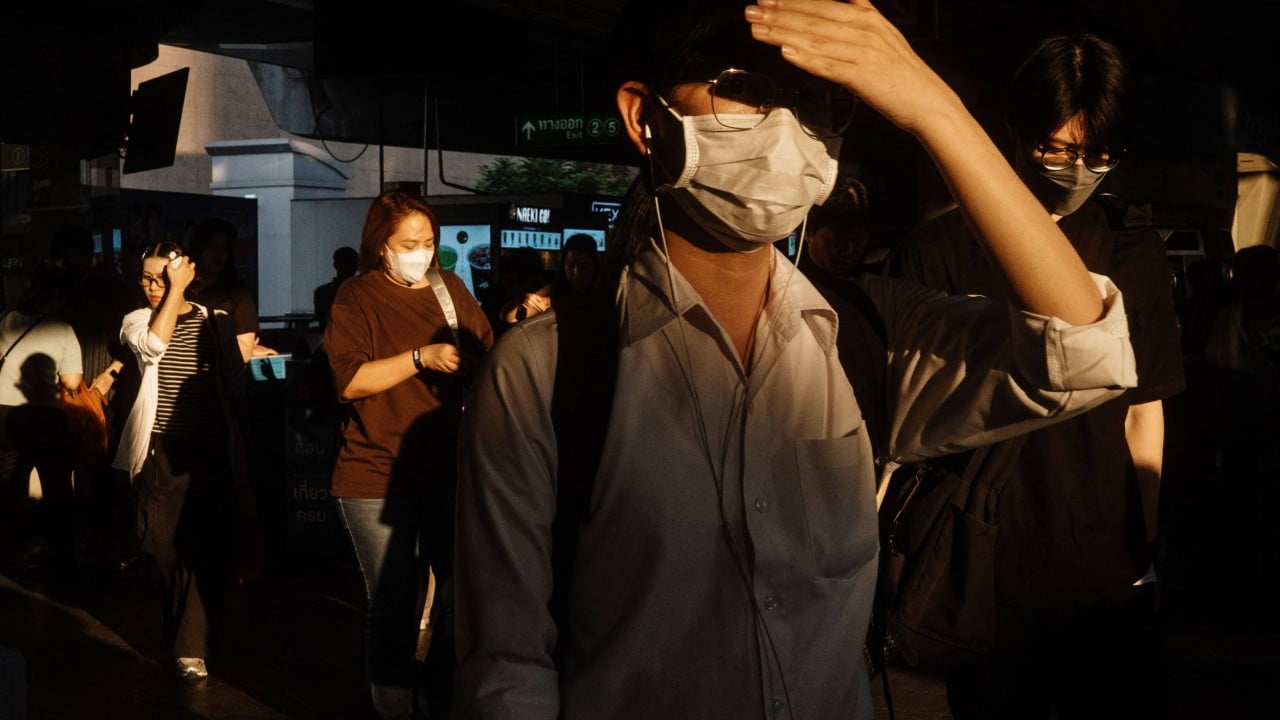
Experts warn the heat could increase the risk of localised flooding, put pressure on drainage systems and threaten agricultural production
3-MIN READ3-MIN Listen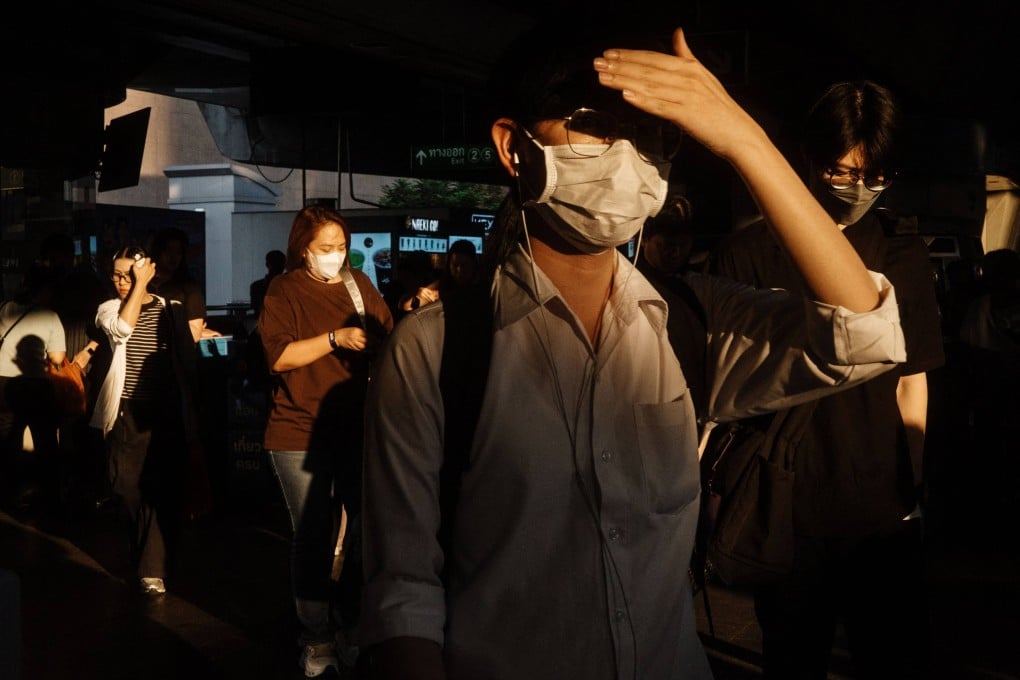
The threat is also landing at a fragile moment for emerging economies, analysts add, as geopolitical tensions, higher energy costs and pressure on remittances leave governments and households with less room to absorb climate shocks.
Sea surface temperatures in the equatorial Pacific were already rising rapidly in late April, signalling the expected return of El Nino next month, according to the World Meteorological Organization (WMO).
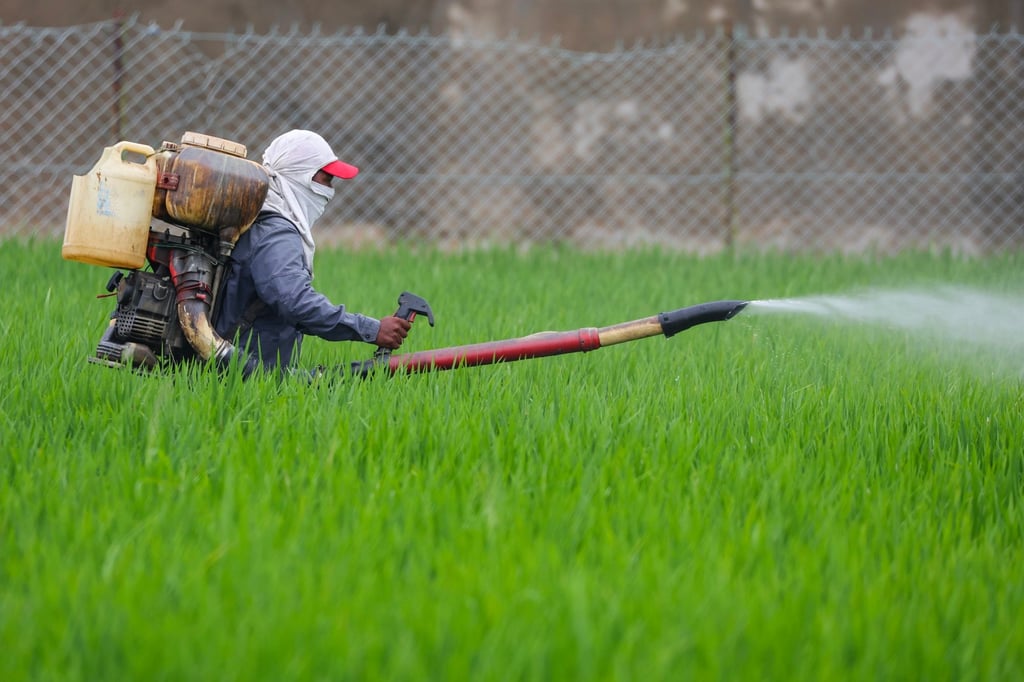
AdvertisementThe weather phenomenon typically brings hotter and drier conditions to Southeast Asia, damaging agriculture, straining water supplies and amplifying the risk of forest fires.
But experts said the same heat could also make sudden bursts of rainfall more dangerous, increasing the risk of localised flooding even during a broadly dry spell.
“Things get a lot hotter, nevertheless – and this is something that is kind of a little counterintuitive – but it can also mean that localised flooding increases,” said Andy Smith, chief operating officer of Fathom, a firm that uses scientific tools and intelligence to understand the climate’s impact on water risk.
AdvertisementSelect VoiceSelect Speed0.8x0.9x1.0x1.1x1.2x1.5x1.75x00:0000:001.00xСхожі новини
U.K.’s Starmer clings on as rivals try to build coup momentum

13 травня: Яке сьогодні свято, все про цей день
Саудівська Аравія завдавала непублічних ударів по Ірану у відповідь на атаки – ЗМІ