Shakeup at JPL? Control over iconic NASA center could change for 1st time in nearly 100 years
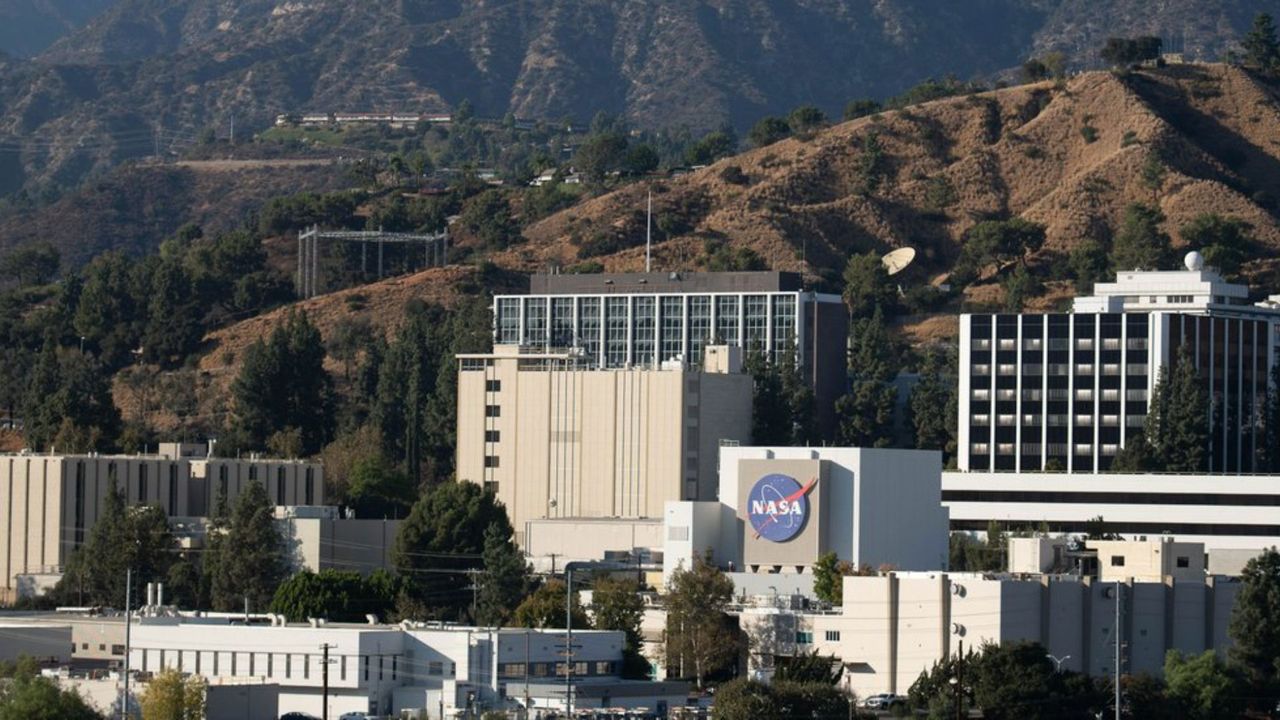
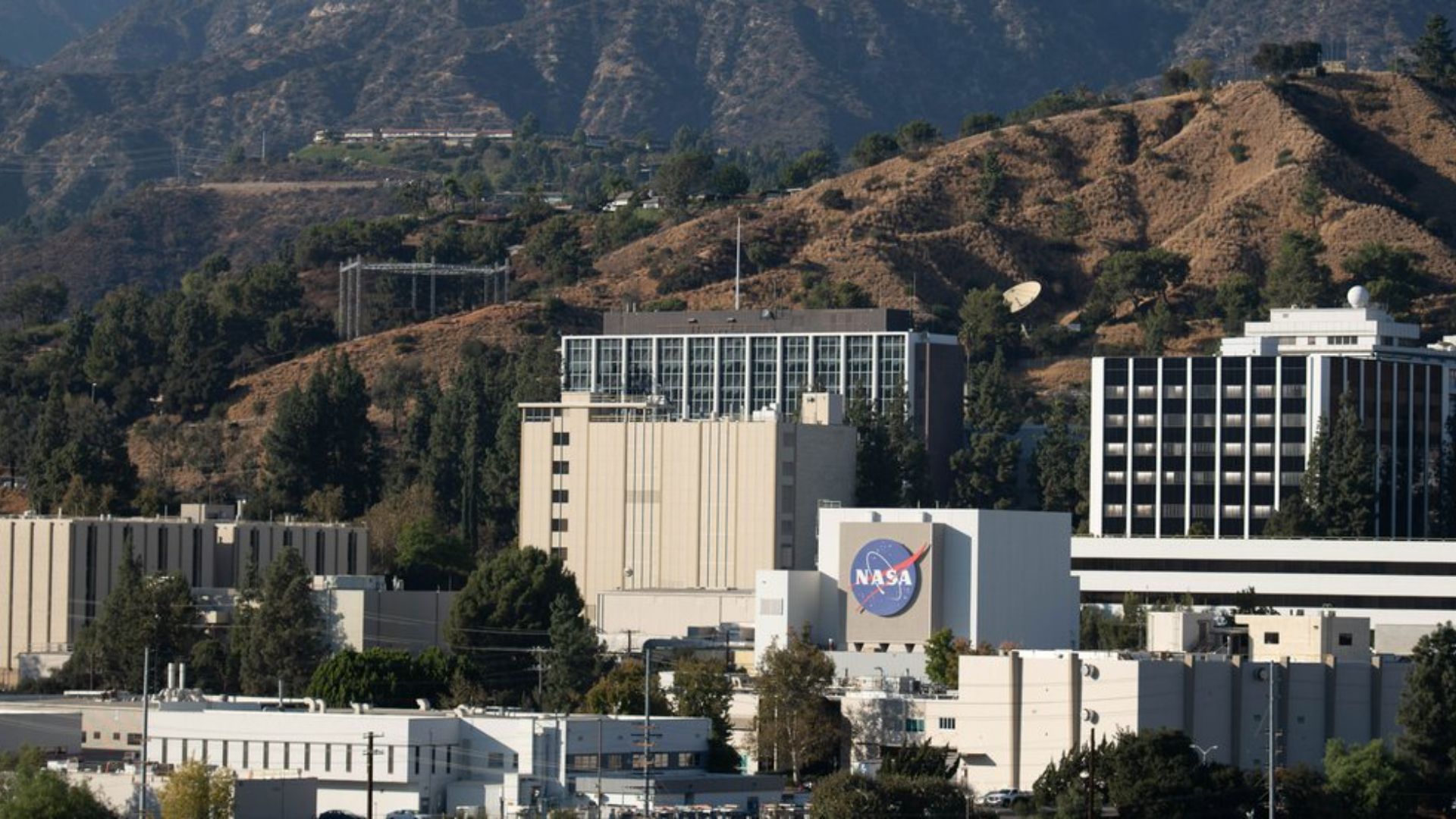
NASA plans to open up competition for control over the Jet Propulsion Laboratory (JPL), which has historically been operated by the California Institute of Technology (Caltech). This move is part of an even larger reorganization by the agency (though NASA asserts that this doesn't mean layoffs).
"NASA announced today that they will compete the contract for operating JPL, with Caltech’s current agreement ending on Sept. 30, 2028," reads a statement today (May 22) from JPL. Caltech has managed JPL since the lab's inception in the 1930s, and has done so for NASA since the agency was established in 1958. According to the JPL statement, Caltech has been preparing for this possible transition since last summer, so the news "comes as no surprise." But the potential change is part of a larger shakeup for the agency.
Earlier this morning, NASA announced a major reorganization, which is separate from the JPL news. "To support the agency’s ambitious short- and long-term goals, NASA is taking action to increase specialization at centers and integrate mission directorates, elevating delivery of technically excellent work," the agency said in a statement today.
What happens to JPL?
JPL is NASA's lead center for the robotic exploration of Mars and other deep-space locales. The agency has worked with JPL through Caltech as a manager for nearly 70 years. Though JPL still counts as one of NASA's field centers, it's run as a contracted FFRDC (federally funded research and development center). This status has allowed the lab to function slightly differently than other NASA centers; it has a unique sort of independence, though NASA has always had significant oversight of the lab.
"As an FFRDC, JPL operates under a special contractual and governance framework designed to ensure that its work is performed in the public interest and aligned with national priorities," NASA has stated. "The FFRDC model enables NASA to retain access to this depth of capability while maintaining a clear separation between government decision-making authority and contractor execution responsibilities."
Opening up the competition for institutions beyond Caltech to operate JPL could mean significant changes for everything from day-to-day mission management to big NASA science programs.
Until now, JPL and Caltech have been heavily intertwined, with mission personnel, scientists, leadership, and others working closely "across the pond" between JPL and Caltech. JPL mission and program meetings often include Caltech employees and sometimes even take place on its Pasadena campus.
This working relationship has more than just history behind it, as employees of both institutions work side by side on a variety of JPL and NASA missions and programs. JPL's statement paints this potential upcoming change as something unsurprising and positive for both parties, though it is yet to be seen how things would change if another institution gains control over the lab.
Big NASA changes
JPL isn't the only piece of NASA expecting big changes. Today's announcement by the agency indicates that major modifications to NASA's structure and the way that it operates are on the horizon.
"This initiative reflects NASA’s extreme focus on executing the mission in direct support of the National Space Policy. We are focusing resources on the most pressing objectives only NASA is capable of undertaking and liberating the workforce from unnecessary bureaucracy and obstacles that impede progress," NASA Administrator Jared Isaacman said in the announcement. "We aim to rebuild competencies and instill a culture that attracts the best and brightest capable of pursuing the most demanding engineering challenges and moving safely and urgently."
While the word "reorganization" often sparks fears of layoffs, and NASA and its centers have seen quite a bounty of unexpected "personnel changes" in the last few years, Isaacman insisted that there "will be no reduction in force, no program cancellations, no closures." This is a big promise amidst big changes.
The many proposed changes NASA just announced include a number of leadership changes as well as a "realignment" of mission directorates to streamline operations and reduce bureaucracy. For example, the Exploration Systems Development Mission Directorate and Space Operations Mission Directorate will be merged, creating the new Human Spaceflight Mission Directorate (HSMD). Similarly, the Aeronautics Research Mission Directorate and Space Technology Mission Directorate will be integrated into the Research and Technology Mission Directorate (RTMD).
Among the many leadership changes are John Bailey as the new associate administrator for the Mission Support Directorate; Jamie Dunn as the new director for NASA's Goddard Space Flight Center; and Lori Glaze as the new associate administrator for the HMD.
Additionally, one last JPL change: Adam Steltzner, who previously served as the chief engineer at JPL (and became something of a rock star after the Curiosity Mars rover's epic 2012 sky-crane landing) will now be NASA's "chief engineer for special projects."
Disclaimer: Author Chelsea Gohd previously worked for NASA JPL.
View MoreYou must confirm your public display name before commenting
Please logout and then login again, you will then be prompted to enter your display name.
Logout
Chelsea Gohd served as a Senior Writer for Space.com from 2018 to 2022 before returning in 2026, covering everything from climate change to planetary science and human spaceflight in both articles and on-camera in videos. With a M.S. in Biology, Chelsea has written and worked for institutions including NASA JPL, the American Museum of Natural History, Scientific American, Discover Magazine Blog, Astronomy Magazine, and Live Science. When not writing, editing or filming something space-y, Gohd is writing music and performing as Foxanne, even launching a song to space in 2021 with Inspiration4. You can follow her online @chelsea.gohd and @foxanne.music
Схожі новини
Hit a lab project glitch? Thinking about your thesis title like a storyteller can help you focus
Stress impairs your brain’s ability to link memories — dampening insight

Супутники NASA зафіксували нетипові процеси на Землі, що відбуваються вночі