Sega has canceled its live service 'Super Game' due to 'intensifying market competition,' and I really, really hope it's a sign that the industry is finally correcting itself
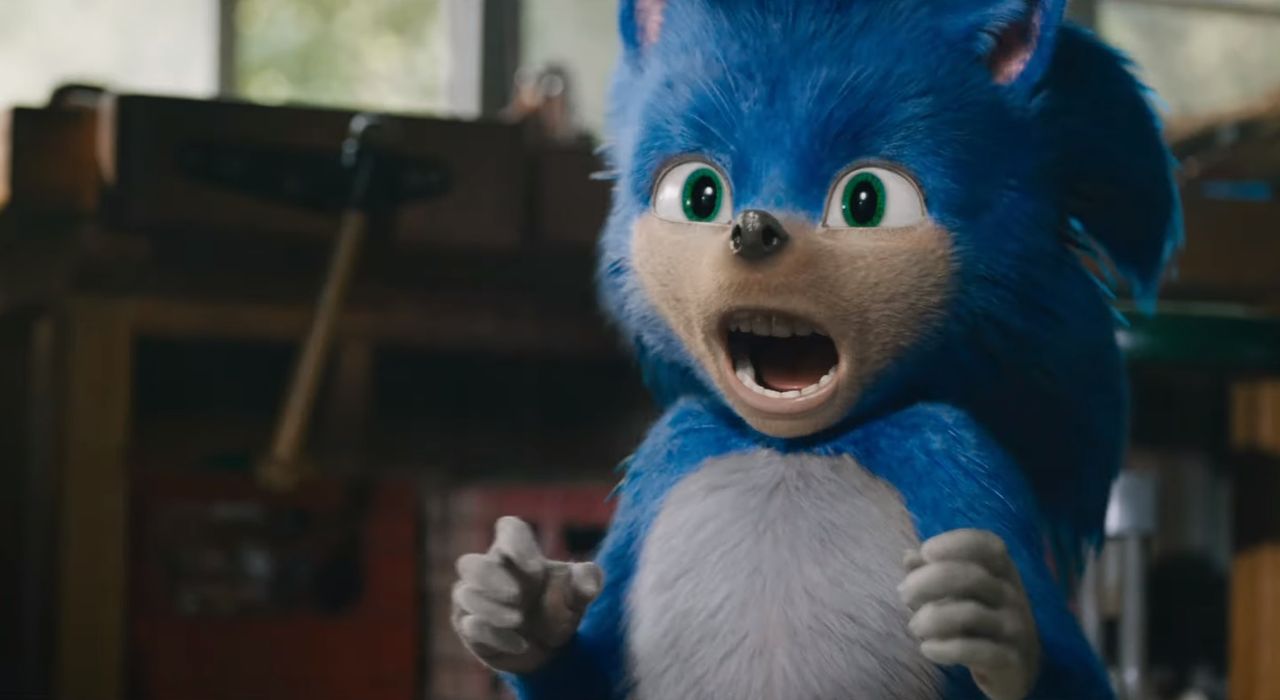
In 2021, Sega published an annual report touting the strength of its business and a new "priority strategy" for the coming five years: the creation of a "Super Game," which would "stand head and shoulders above normal games." The plan, at the time, was for that game with global appeal to launch by March 2026. This week, Sega announced it was canceled.
And not just canceled—canceled as part of a striking decision to "lower the priority of F2P" in its future plans, with some 100 developers already transferred away to work on "Full Game" development—the old-fashioned kind you pay for up front and then own.
Sega cited the disappointing results of the free-to-play Sonic Rumble Party as one reason for the pullback, but given the five year investment, I think it's clear that far more went into the decision than that one data point. Sega, like everyone else, has seen the risks of big bets on lavishly expensive live service games in the last few years:
- Concord shut down and its studio shuttered
- Highguard shut down and its studio shuttered
- Spectre Divide shut down and its studio shuttered
- 2K's Project Ethos sent back to the drawing board as soon as it debuted
- Ubisoft's Project Q, which you absolutely did not remember, canceled
- Sony announced plans for 12 live service games in 2022; seven of them were canceled
- Microsoft canceled Blizzard survival game that had been highly praised by employees
- Then Microsoft an upcoming MMO that boss Phil Spencer had reportedly played and loved
- So many live service games shut down in 2023 that you probably can't remember them all
And so on, and so on. A 2025 "state of the industry" survey found that one out of three triple-A developers was working on a live service game. That's a recipe for pain when each of those games not only has to compete with what's coming out in the same calendar year, but also the games already deeply entrenched in peoples' lives.
World of Warcraft is 22 years old. League of Legends is 17 years old. Minecraft is 15 years old. Grand Theft Auto 5 is 13 years old. Fortnite and Destiny 2 are nine years old. Apex Legends is eight years old. Millions of people still play them all, and millions more are leaping from one free Roblox experience to another. Sega may have peeled some of them away with its Super Game, but how many would stick around, and keep pumping money into it, beyond the first few weeks, if they spent a dime at all?
For every Helldivers or Arc Raiders that does manage to hit a jackpot, there's a procession of glassy-eyed gamblers stumbling out of the casino, five years and $200 million lost to a single bet.
In a statement to Game File, Sega said that its goal had been "to create a new form of entertainment that goes beyond the concepts of conventional games."
"Given the ambitious nature of the project, we adopted a long-term R&D phase for technical validation and related activities," a Sega spokesperson said. "We proceeded cautiously, with the intention of moving to full-scale development only after we can confirm sufficient feasibility. However, in light of intensifying market competition, the emergence of competing titles based on similar concepts, and our business conditions, we made the decision to discontinue the development of Super Game during the fiscal year ending March 2026."
Half a decade ago, this cancelation may have elicited cries of dismay. In 2026 it's hard not to see it as cause for celebration, because Sega didn't pair the announcement with layoffs that cut one of its studios to the bone or closed it outright. It didn't bet the whole company on the hope it could deliver something that "goes beyond the concepts of conventional games." It may have taken a years-long detour, but it's now recommitting many of its skilled employees to working on a new Sonic or Crazy Taxi or Jet Set Radio or one of its other series that millions of players already love.
Former Sony boss Jim Ryan, who spearheaded the company's live service ambitions, left in 2024. Capcom keeps posting record profits largely on the back of singleplayer games that more and more people are willing to buy. Other major players like NetEase are pulling back on funding gargantuan projects like MMOs. None of that means the games industry has "learned its lesson" or is about to arrive at a "shorter games with worse graphics made by people who are paid more to work less" utopia—the CEOs of multi-billion dollar companies are always going to place big bets that have a tiny shot at paying off with obscene riches, because they aren't the ones who will get laid off when it doesn't work out.
But I hope it is a sign that the future will be a little less boom or bust. It may have taken a reckoning to get here, but the less time publishers spend obsessing over that one-in-a-million hit, the more time they can spend making good games, not just big ones.
Схожі новини
Чому Ф'юрі називає Усика "кроликом"

Українці можуть вийти на пенсію до 60 років: за яким фахом потрібно працювати

У Полтаві пролунали вибухи: майже 7 тисяч людей лишилися без світла