Scientists detect an enormous halo around the iconic Sombrero Galaxy — Space photo of the week
Quick facts
What it is: Sombrero Galaxy (M104)
Where it is: 30 million light-years away, in the constellations Virgo and Corvus
When it was shared: April 24, 2026
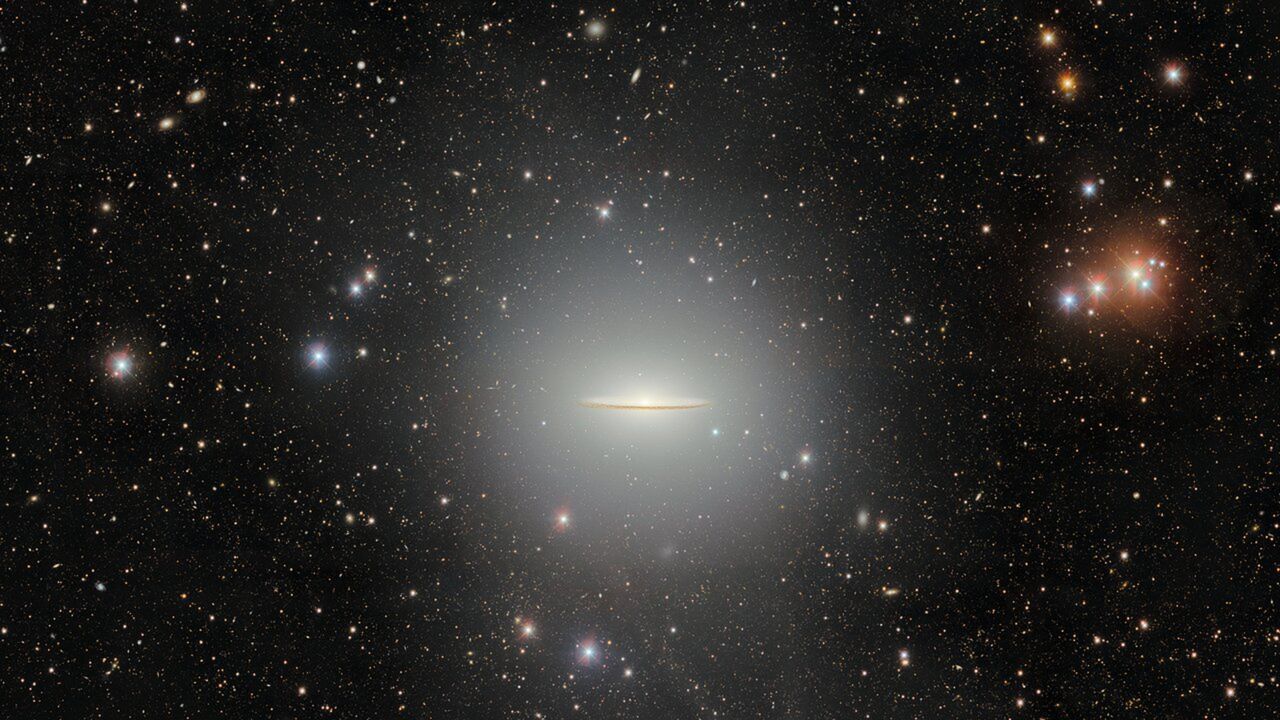
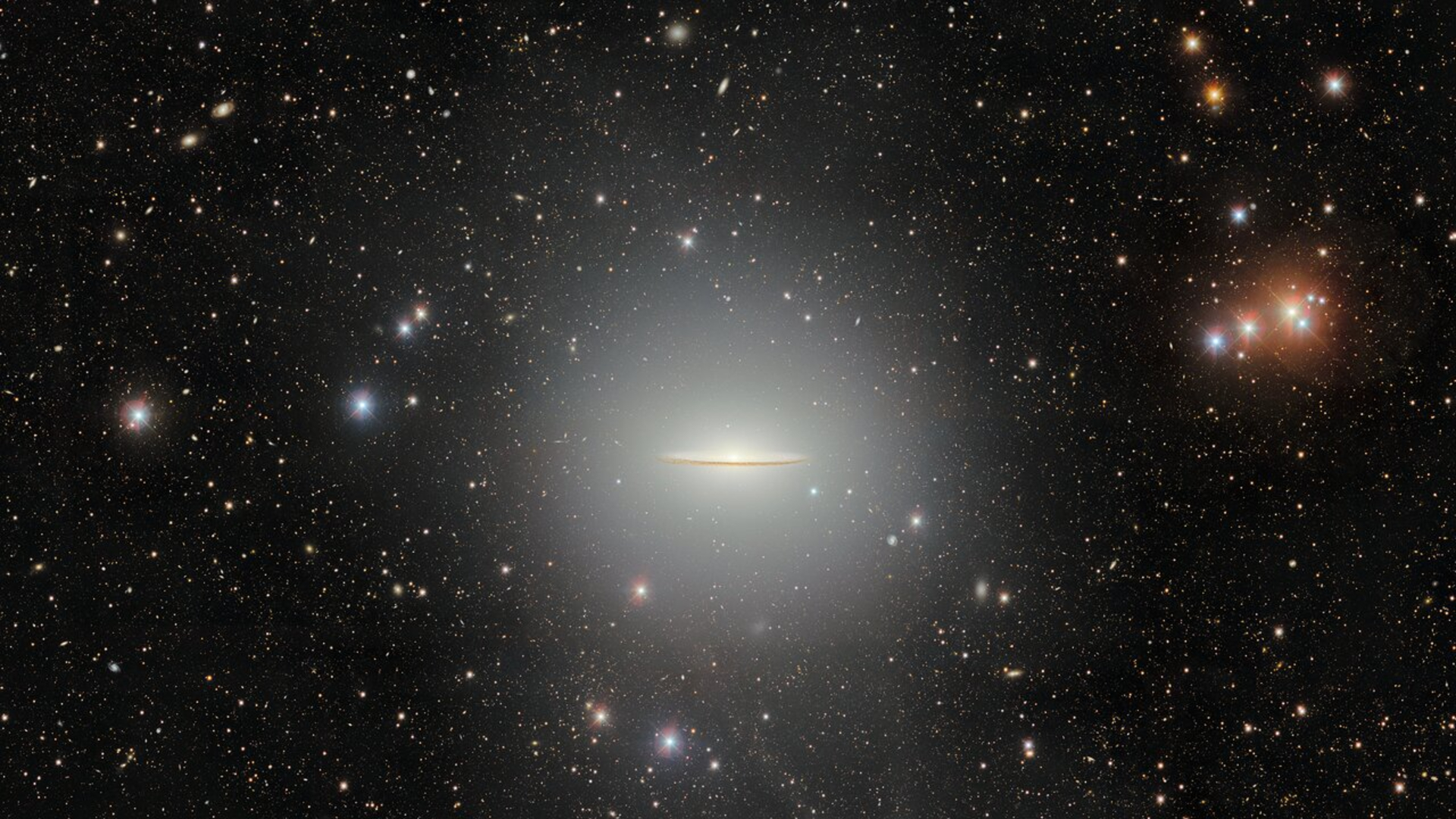
The central bulge and dark dust trail, which together resemble a traditional Mexican hat, give the Sombrero Galaxy (Messier 104, or M104) its nickname — but this new image of the galaxy from the powerful Dark Energy Camera reveals two never-before-seen features.
What sets this image apart are features that are usually too faint to detect. Surrounding the galaxy in this wide-angle image is an enormous, diffuse halo that extends far beyond the bright disk, stretching over three times the width of the sombrero itself and significantly increasing the galaxy's apparent size.
The image also captures a faint stellar stream stretching away from one side of the galaxy. This thin, curved feature is barely perceptible at first glance, but a closer inspection reveals it as a distinct arc of light beneath the galaxy as it's shown here. It breaks the galaxy's perfect symmetry and suggests past violent interactions with a smaller satellite galaxy.
The remarkable clarity of the image is due to the capabilities of the Dark Energy Camera, a 570-megapixel instrument mounted on the Víctor M. Blanco 4-meter Telescope at the Cerro Tololo Inter-American Observatory in Chile. Operated by the National Science Foundation's NOIRLab, the system is designed to detect extremely faint light, allowing both the bright core and the dim outer structures of the galaxy to be captured in a single image.
The new image comes in the wake of the James Webb Space Telescope's first-ever mid-infrared observations of the Sombrero Galaxy in 2024, which it improved upon in June 2025.
See more Space Photos of the Week
 'Human minds should not go through this'
The Artemis II crew recalls the unreal moment when Earth disappeared
 Hidden structure in 1st Vera Rubin image
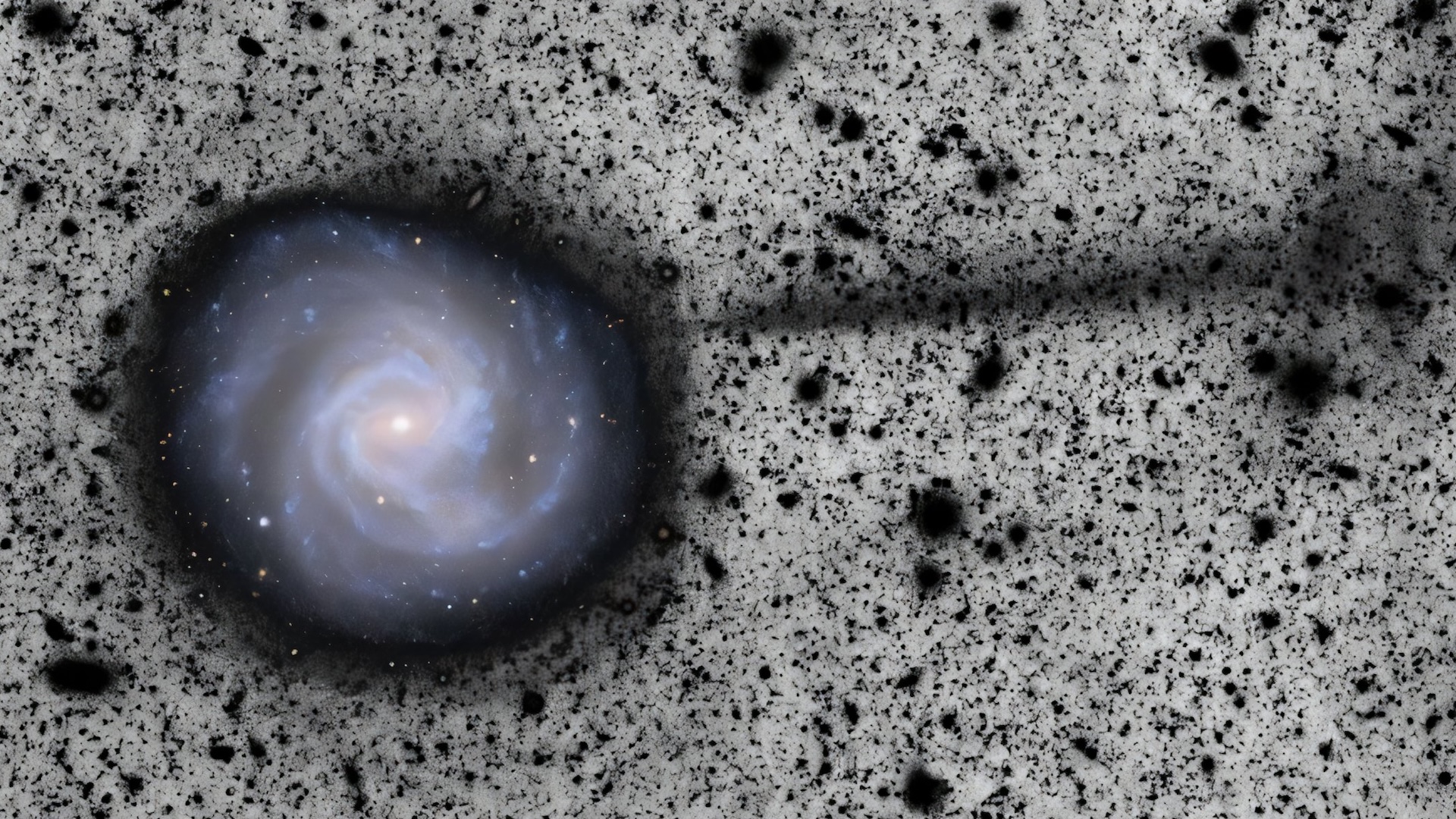
First-light images from the Vera C. Rubin Observatory reveal a 163,000-light-year stream of stars emanating from a nearby galaxy.
 JWST peeps the 'Eye of God'
A spectacular James Webb telescope image reveals intricate structures inside the Helix Nebula.
Sign up for the Live Science daily newsletter now TOPICS
Jamie Carter is a Cardiff, U.K.-based freelance science journalist and a regular contributor to Live Science. He is the author of A Stargazing Program For Beginners and co-author of The Eclipse Effect, and leads international stargazing and eclipse-chasing tours. His work appears regularly in Space.com, Forbes, New Scientist, BBC Sky at Night, Sky & Telescope, and other major science and astronomy publications. He is also the editor of WhenIsTheNextEclipse.com.
View MoreYou must confirm your public display name before commenting
Please logout and then login again, you will then be prompted to enter your display name.
LogoutСхожі новини

Що відбувається з тілом після смерті: відомий учений дав несподіване пояснення

Психологи назвали позу, яка може видати психопата: несподіване відкриття
Усередині нашої галактики може ховатися інша: сенсаційне відкриття астрономів