ISET-NEWS — Агрегатор новин з України та світу. Всі новини з першоджерел в одному місці. Щоденне оновлення 24/7.
Здоров'я🇺🇸 США
Science news this week: Laotian 'death jar', climate change threatens rice crops, and an asthma drug treats tough cancer
Live Science
ben.turner@futurenet.com (Ben Turner)1 переглядів8 хв читання
Death jar mystery revealed, rice reaching its 'thermal limit,' prehistoric art controversy, and the asthma drug that could help fight cancer.
(Image credit: koto_feja via Getty Images |nuwatphoto via Getty Images)
Jump to category:
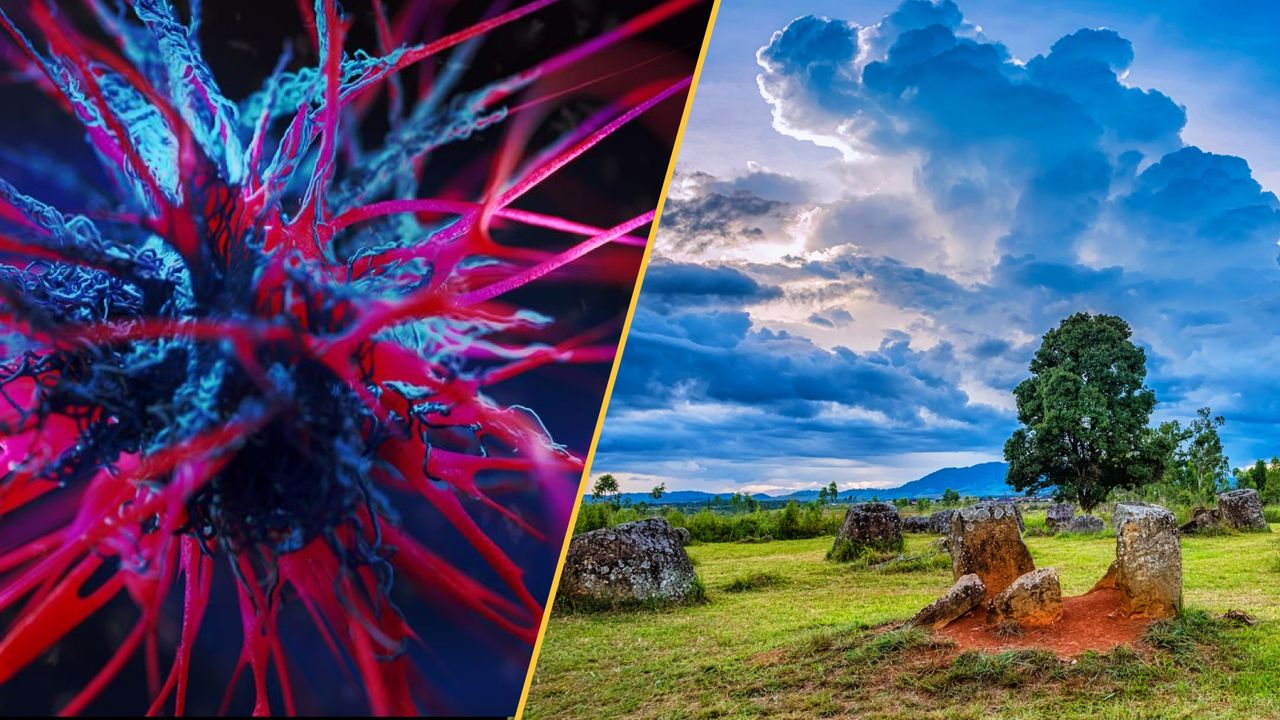
The Plain of Jars, which consists of 2,000 hollowed-out stone urns dotted across the Xieng Khouang Plateau, has puzzled archaeologists for almost a century. Now, researchers have found the remains of at least 37 people inside one of these jars, suggesting that the site was a vast burial complex where ancestors were worshipped for generations.
The rapid warming of Earth could be pushing rice-growing regions to their "thermal limit," according to a troubling new study we covered this week.
That means the staple crop could be facing serious disruption that affects a billion people who depend on rice cultivation for their livelihoods. It also puts farmers and rice itself "closer to the limits of what we can reasonably adapt to in that time frame," study first author Nicolas Gauthier, an anthropologist and geographer at the Florida Museum of Natural History, told Live Science.
By analyzing 9,000 years' worth of data, Gauthier and his colleagues found a hard upper temperature limit that could soon be breached.
Sign up for the Live Science daily newsletter now
Get the world’s most fascinating discoveries delivered straight to your inbox.
Montelukast, a common drug used to treat asthma and allergies, could soon be repurposed to tackle hard-to-treat cancers, such as triple-negative breast cancer.
Early lab studies found that the drug could reverse the hijacking of key immune cells by tumors, thereby reversing the cancers' resistance to common immunotherapies. With this finding in hand, scientists now hope to launch a clinical trial with cancer patients.
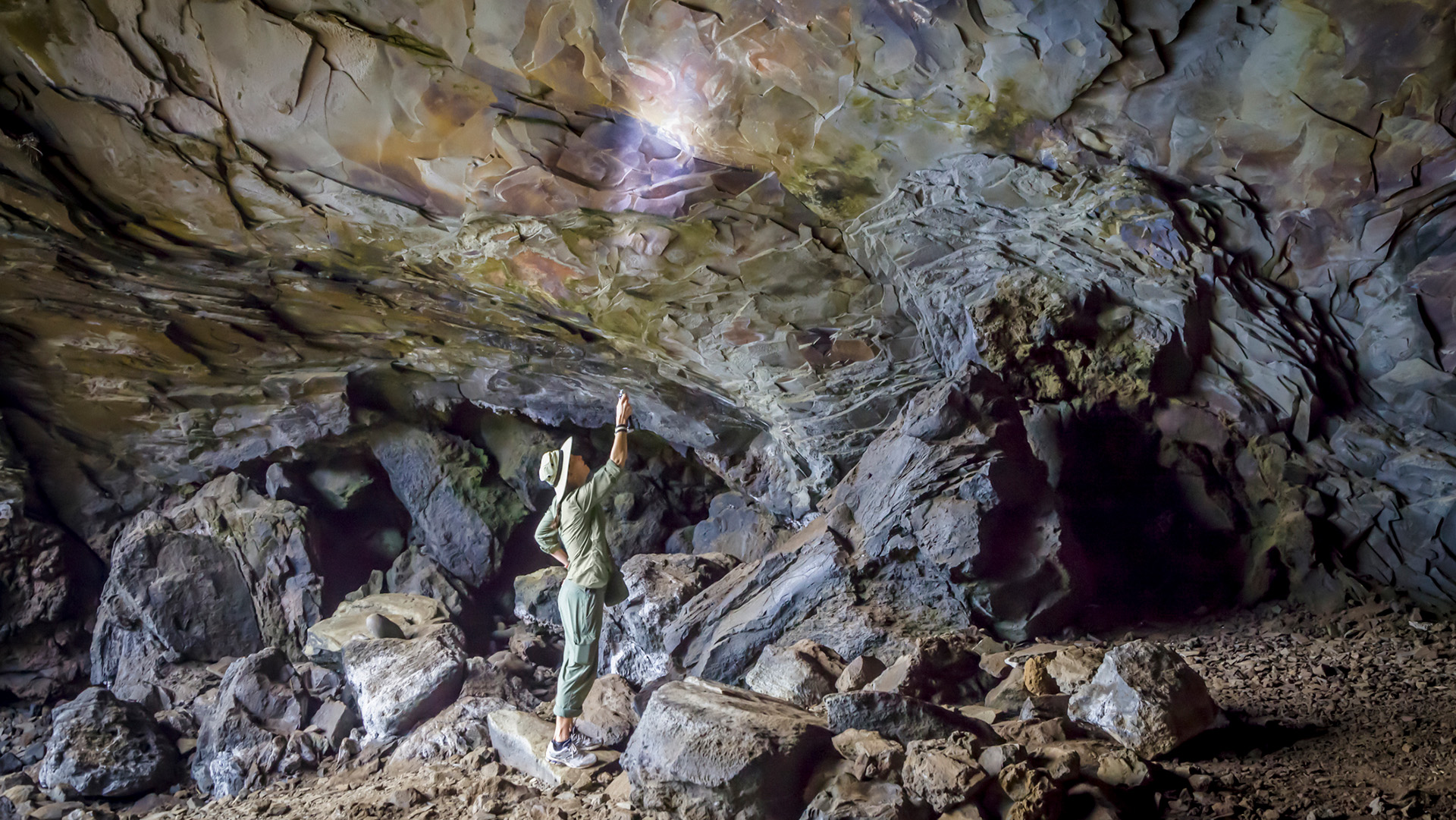
A controversy is rocking the prehistoric art world, as a technique that once rewrote the timeline of prehistoric paintings has been called into serious doubt.
The method, called uranium-thorium dating, used the radioactive decay of uranium into thorium to generate all sorts of eye-popping headlines showcasing the artistic talents of our ancient ancestors.
If you're looking for things to keep you busy over the weekend, here are some of the best news analyses, crosswords, book excerpts and polls published this week.
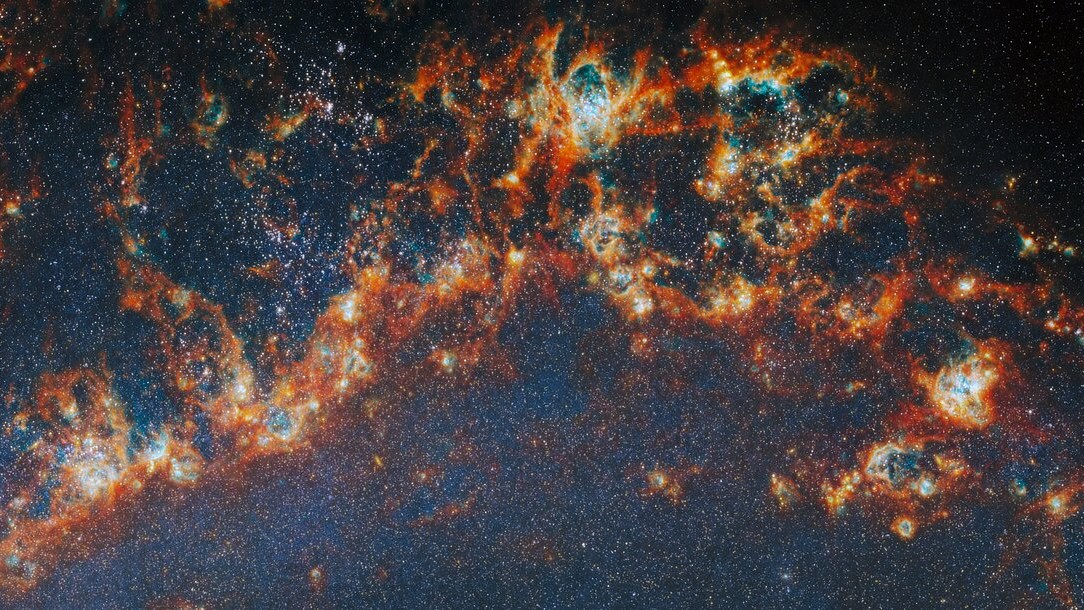
This image, showing the spiral arms in the Whirlpool Galaxy (Messier 51), could help astronomers to solve a big cosmic mystery: how stars are birthed from their gaseous cocoons.
The image combines observations from the James Webb Space Telescope and the Hubble Space Telescope, and shows gaps in colorful gas that was blasted away by the formation of bright-white stars.
The image reveals a pattern showing that larger groups of stars clear their swaddling gas more quickly than smaller ones do, suggesting that our universe's current shape has been heavily influenced by early eruptions of gigantic stellar furnaces.
Ben Turner is a U.K. based writer and editor at Live Science. He covers physics and astronomy, tech and climate change. He graduated from University College London with a degree in particle physics before training as a journalist. When he's not writing, Ben enjoys reading literature, playing the guitar and embarrassing himself with chess.
View More
You must confirm your public display name before commenting
Please logout and then login again, you will then be prompted to enter your display name.