Sarkis Darbinyan: As Celebrates Victory Day, Security Is a Facade For Censorship



When Russians found themselves unable to use venting machines, book taxis or even withdraw cash from some ATMs on May 5, the Digital Development Ministry said it was for their own good. Targeted mobile internet shutdowns made it possible to reduce the accuracy of Ukrainian UAV guidance systems, the ministry said. The connection was restored during the day, but restrictions on mobile internet and SMS will remain in place until May 9 — Victory Day.
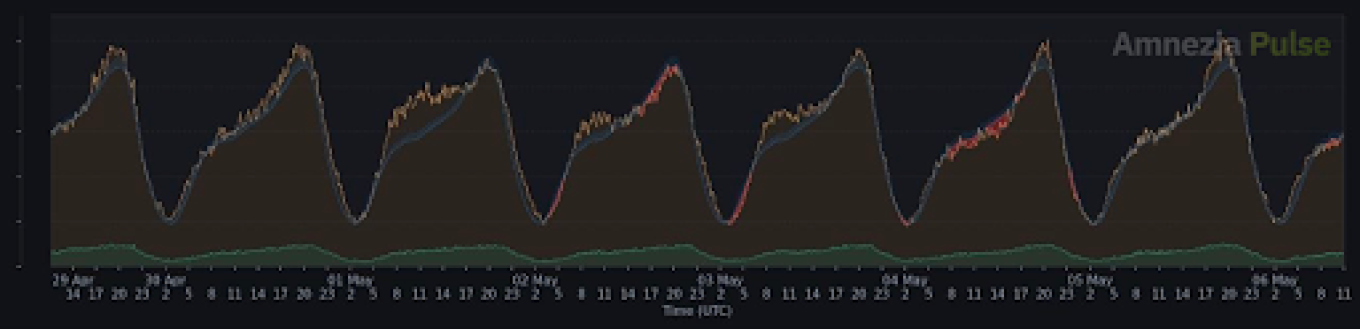
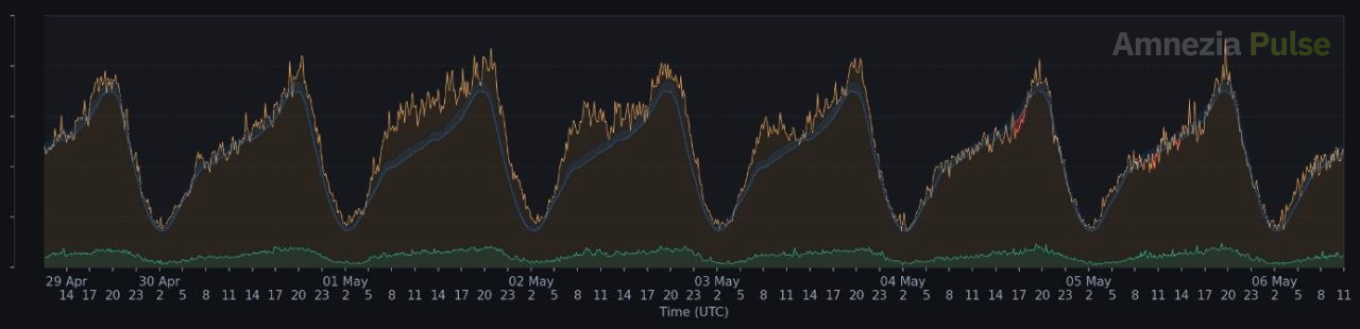
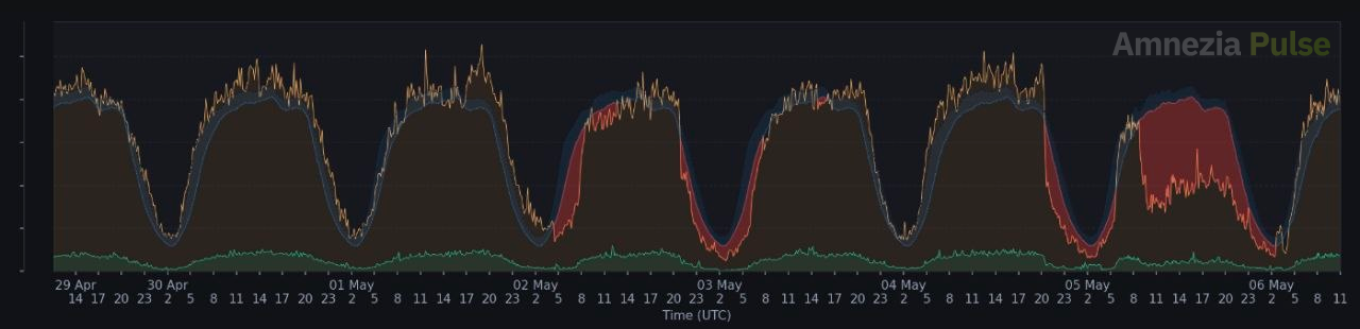
The shutdowns began even earlier in the month, affecting not only mobile internet but also home broadband, and covered a wider geographic area. According to Amnezia Pulse, a service that monitors internet shutdowns and traffic slowdowns, more than 2,000 complaints about problems accessing home internet were filed from Moscow and the Moscow region on May 2.
At the time, this was blamed on power supply problems at the Moscow Intercity Telephone Station, which hosts the largest internet traffic exchange point. Judging by the exchange point’s own data, traffic on May 2 was no different from traffic the day before or after. Brief voltage spikes may have had no effect on the traffic of major providers, while providers using older equipment most likely took longer to recover. But against the backdrop of mobile internet restrictions in Moscow and St. Petersburg, it cannot be stated with certainty that this incident was purely related to the power supply.
On May 5, St. Petersburg, as well as Moscow, was affected by the shutdown. Residents of another 38 regions — mainly in the Southern, Central and Volga federal districts, as well as some in the Urals — received SMS messages about mobile internet restrictions during the same holiday period, from May 5 to May 9. Websites on the “whitelist” were supposed to remain accessible, but were also unavailable in reality.
Data Shows Loss of Internet Connections Across Moscow, the Moscow Region and St. Petersburg
Amnezia Pulse releases data on the performance of its VPN, including how frequently it fails to connect. Red shading shows the gap between the number of successful and failed attempted connections. A broader red band indicates more widespread internet disruption.
The Digital Development Ministry said it was working with the security services to develop a register of “socially significant internet resources,” such as banks and Gosuslugi, that would go live as soon as all permissions had been received. Even if this happens, the user experience will be severely limited.
Experts who monitor internet shutdowns believe that the period around Victory Day will see widespread shutdowns and that “whitelists” will be introduced for wired and Wi-Fi connections as well, meaning for home devices too. This measure certainly has nothing to do with countering UAVs: restricting the functionality of the wired internet only serves the interests of censors.
It is true that drones often use SIM cards — connected to mobile operators’ cell towers — for control and data transmission. But GPS alone is enough for navigation, meaning mobile internet shutdowns do little to prevent strikes. Ukrainian drone attacks are becoming more frequent, while internet access is being cut off in regions that the drones cannot even reach.
This suggests that the holidays are a convenient test period for future whitelists and blocking technology. During this time, the authorities can assess how badly socioeconomic routines are disrupted and whether people can break through the digital curtain using circumvention tools. For almost the entire month of March, virtually no services that depend on mobile data worked in central Moscow. At the same time, whitelisted resources were opened for most users.
Claiming that these restrictions are necessary to curb security issues fits into the pattern of how the Kremlin justifies restricting Russians’ online freedom: citizens are steadily being stripped of their right to freedom of information and communication under the pretext of security, while the authorities are incapable of providing true security in reality.
In the event of total shutdowns, people can only stay connected using offline services like the Briar messenger for Android or AirDrop for iOS, for which more details can be found here. It is best to install these programs in advance for yourself and your loved ones.
If services from the whitelists are working, however, there is a chance to regain access to the free internet. The best way to do this is through a home connection using a VPN that comes with obfuscation and traffic mimicry. A reliable and properly configured VPN is necessary in any case, as internet blocking is constantly being intensified, regardless of shutdowns.
In 2026, shutdowns have become a widespread and regular occurrence not only in the regions, but also in Moscow. A combination of tougher blocking, the increasing inaccessibility of VPNs, intensified surveillance and the prosecution of people for their online activity, all point toward the development of a sovereign Russian internet — or the “Cheburnet.” The reason this trend is intensifying is simple: control over the online space is now in the hands of the FSB.
The views expressed in opinion pieces do not necessarily reflect the position of The Moscow Times.Sarkis Darbinyan
Sarkis Darbinyan is a cyber lawyer, co-founder of Roskomsvoboda and RKS Global. He is also a resident expert at VPN Guild.Sarkis Darbinyan
Sarkis Darbinyan is a cyber lawyer, co-founder of Roskomsvoboda and RKS Global. He is also a resident expert at VPN Guild. Read more about: Internet , Victory DaySign up for our free weekly newsletter
Our weekly newsletter contains a hand-picked selection of news, features, analysis and more from The Moscow Times. You will receive it in your mailbox every Friday. Never miss the latest news from Russia. Preview Subscribe Subscribers agree to the Privacy Policy We sent a confirmation to your email. Please confirm your subscription.A Message from The Moscow Times:
Dear readers,
We are facing unprecedented challenges. Russia's Prosecutor General's Office has designated The Moscow Times as an "undesirable" organization, criminalizing our work and putting our staff at risk of prosecution. This follows our earlier unjust labeling as a "foreign agent."
These actions are direct attempts to silence independent journalism in Russia. The authorities claim our work "discredits the decisions of the Russian leadership." We see things differently: we strive to provide accurate, unbiased reporting on Russia.
We, the journalists of The Moscow Times, refuse to be silenced. But to continue our work, we need your help.
Your support, no matter how small, makes a world of difference. If you can, please support us monthly starting from just $2. It's quick to set up, and every contribution makes a significant impact.
By supporting The Moscow Times, you're defending open, independent journalism in the face of repression. Thank you for standing with us.
Once Monthly Annual Continue Not ready to support today?
 Remind me later. ×
Remind me next month
Схожі новини
Посол ЄС вважає повернення Угорщиною коштів Ощадбанку важливим сигналом, очікує нового імпульсу в переговорах про вступ

Keir Starmer appoints former Labour PM Gordon Brown as adviser after election flop
У Подільському районі Києва затримали чоловіка за стрілянину – поліція