Russia Weighs Budget Cuts Outside Defense as Fiscal Pressures Mount

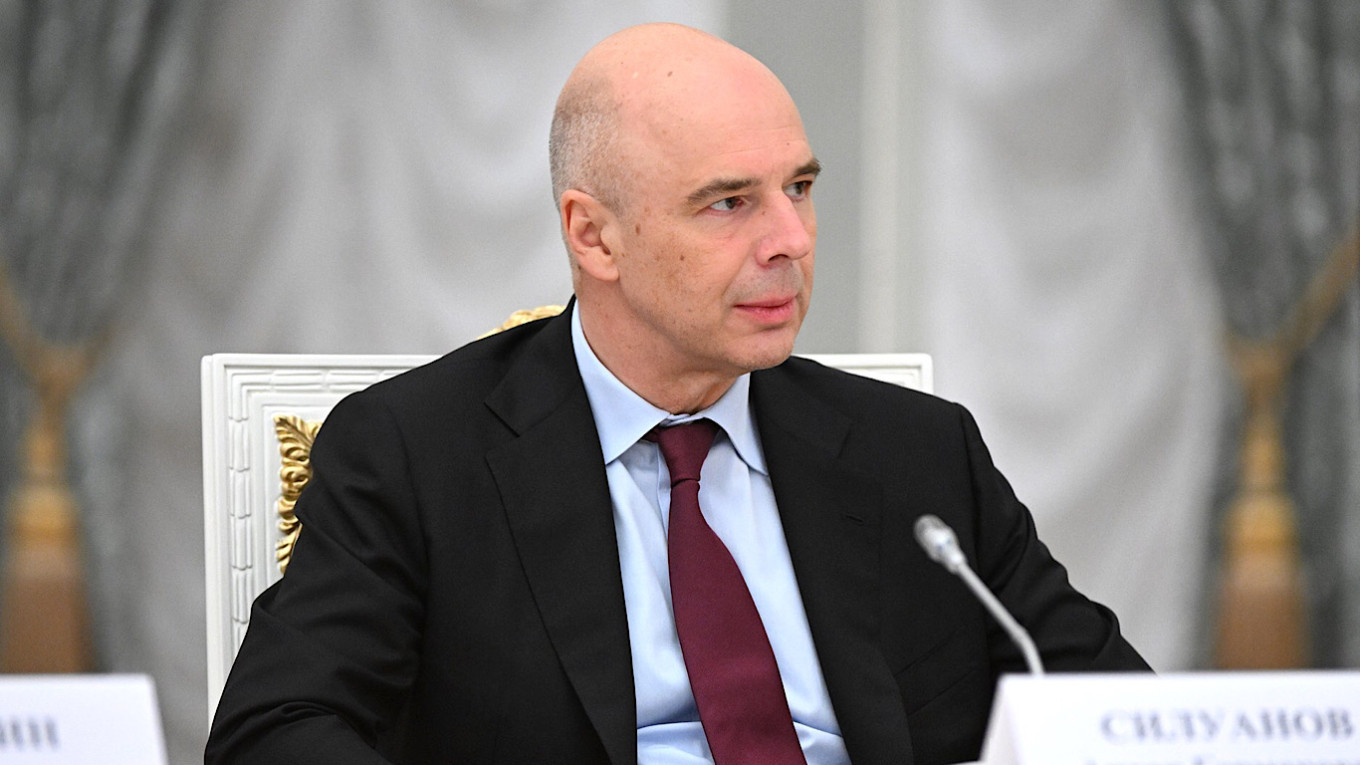
Russia’s Finance Ministry is reviewing this year’s budget and weighing spending cuts outside defense and social commitments as mounting fiscal pressures strain state finances, Finance Minister Anton Siluanov said, signaling the government may be forced into painful tradeoffs as economic growth slows and the budget deficit widens.
In an interview with the Kommersant business daily, Siluanov said officials were reassessing spending plans because of “changes in macroeconomic conditions,” while emphasizing that defense and social obligations remained untouchable priorities.
Russia’s wartime economy is under growing strain as weaker growth, declining oil and gas revenues and rising debt-servicing costs threaten to deepen budget shortfalls. Analysts say the government may face a choice between cutting spending and finding new sources of revenue, potentially through higher taxes, at a time when corporate profits and broader economic momentum are already weakening.
“Federal budget expenditures have grown at an accelerated pace in recent years,” Siluanov said. “Since 2019 they have increased by almost 3.5 percentage points of GDP — from 16.6% to 20.0% in 2025, more than doubling in nominal terms.”
He said the government had relied heavily on reserves accumulated in previous years, including Russia’s National Wealth Fund (NWF) and commodity-related revenues.
“All of this requires considerable resources,” Siluanov said. “Reserves are not unlimited.”
Economist Dmitry Polevoy estimates the Finance Ministry may need to “optimize” spending by 300-700 billion rubles ($4.23-$9.87 billion) this year after sharply lowering its economic growth outlook to 0.4% from 1.2%. Slower growth would reduce the taxable base and weaken budget revenues, he said.
By 2027, lower GDP growth could leave revenues 1.3-1.8 trillion rubles ($18.33-$25.38 billion) below budget targets, Polevoy estimated. That could force the government either to cut spending or raise an equivalent amount of additional revenue.
Russia’s federal budget deficit reached 5.8 trillion rubles ($81.78 billion) in January-April, more than double the level recorded in the same period a year earlier and 1.6 times the full-year target.
Federal expenditures totaled 17.6 trillion rubles ($248.16 billion), while revenues stood at 11.7 trillion rubles ($164.97 billion), meaning spending exceeded income by roughly 50%.
In practical terms, nearly one in every three rubles spent by the government was not backed by tax revenue.
The current deficit already exceeds the remaining liquid assets in the National Wealth Fund — which stood at 3.63 trillion rubles ($51.18 billion) — by more than 60%, economist Kirill Rodionov wrote.
“Against a backdrop of weaker oil and gas revenues, slower economic growth and rising debt-servicing costs, there is no serious option for balancing the budget other than significant cuts to non-interest expenditures,” Rodionov said. “That is likely something the government will have to do this year.”
Analysts at Gazprombank said the Finance Ministry would need to run monthly budget surpluses of around 200 billion rubles ($2.82 billion) for the rest of the year simply to meet its annual deficit target.
They said such an outcome appeared unlikely and forecast the year-end deficit would instead reach 5-5.5 trillion rubles ($70.5-$77.55 billion), overshooting official plans.
Polevoy said spending cuts could prove difficult, if not impossible, under current geopolitical conditions, particularly if military spending remains protected.
He warned that the government may instead seek new revenue sources, including possible one-off taxes.
“Any additional measures to mobilize revenues, including through windfall taxes or other levies, would only increase risks for the economy,” Polevoy said. “Corporate profits continue to fall in 2026, many private companies no longer have financial buffers and small businesses are already struggling. Any additional burden would only worsen the situation.”
Read this article in Russian at The Moscow Times' Russian service.
Read more about: Finance Ministry , Economy , BusinessSign up for our free weekly newsletter
Our weekly newsletter contains a hand-picked selection of news, features, analysis and more from The Moscow Times. You will receive it in your mailbox every Friday. Never miss the latest news from Russia. Preview Subscribe Subscribers agree to the Privacy Policy We sent a confirmation to your email. Please confirm your subscription.A Message from The Moscow Times:
Dear readers,
We are facing unprecedented challenges. Russia's Prosecutor General's Office has designated The Moscow Times as an "undesirable" organization, criminalizing our work and putting our staff at risk of prosecution. This follows our earlier unjust labeling as a "foreign agent."
These actions are direct attempts to silence independent journalism in Russia. The authorities claim our work "discredits the decisions of the Russian leadership." We see things differently: we strive to provide accurate, unbiased reporting on Russia.
We, the journalists of The Moscow Times, refuse to be silenced. But to continue our work, we need your help.
Your support, no matter how small, makes a world of difference. If you can, please support us monthly starting from just $2. It's quick to set up, and every contribution makes a significant impact.
By supporting The Moscow Times, you're defending open, independent journalism in the face of repression. Thank you for standing with us.
Once Monthly Annual Continue Not ready to support today?
 Remind me later. ×
Remind me next month
Схожі новини
Росія продає чверть акцій "Аерофлота" на тлі фінансової кризи та санкцій