Two Elderly Men Killed by Russian Drones in Sumy Border Region Within 24 Hours
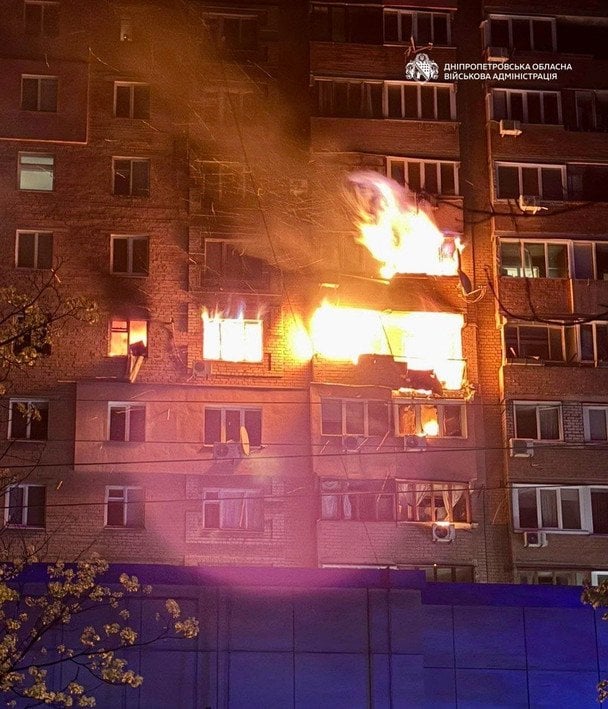
Russian unmanned aerial vehicles claimed the lives of two elderly residents in border communities of Sumy region over the course of a single day, regional authorities reported on April 22.
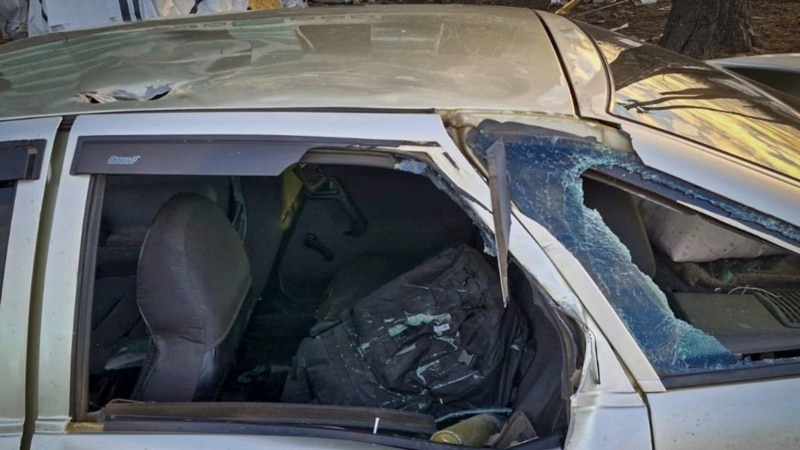
Oleh Hryhorov, head of the Sumy Regional Military Administration, disclosed the tragic incidents in separate statements. The first fatality occurred in Velykopysarivska community when a 67-year-old civilian sustained severe injuries from a Russian drone strike near his vehicle. Medical personnel were unable to save his life, according to the official announcement.
A second similar incident emerged shortly after in a border area. Authorities discovered a 67-year-old man on a rural road between villages in Hlukhiv community, with his moped and belongings nearby. The victim had ventured out the previous day to retrieve his possessions and evacuate from the constantly threatened border zone. During his journey, a Russian unmanned aerial system deliberately targeted him.
Broader Context of Attacks
Russian military forces routinely conduct strikes against Ukrainian cities and civilian infrastructure across all regions of the country using various weapons systems, including attack drones, missiles, guided aerial bombs, and rocket artillery systems.
Ukrainian authorities and international organizations classify these attacks as war crimes committed by the Russian Federation, emphasizing their deliberate and systematic nature. Strikes targeting essential infrastructure—including power systems, heating facilities, water supply networks, communications, and healthcare institutions—designed to deprive civilian populations of basic living conditions are characterized as genocidal acts.
International Legal Framework
Legal experts, genocide researchers, and human rights defenders contend that Russia's conduct toward Ukrainian citizens encompasses all forms of crimes that meet genocide definitions under international law, including:
- Public declarations of intent to eliminate Ukrainians as an ethnic group, with Russian leadership repeatedly claiming Ukrainians do not exist as a distinct nation
- Explicit calls for Ukrainian destruction
- Systematic strikes against civilian life-support systems and medical facilities
- Persecution and elimination of pro-Ukrainian individuals in occupied territories
- Elimination of intellectuals, educators, and cultural bearers
- Forced education systems in occupied regions designed to alter children's identities
- Deportation of children to Russia to change their ethnic identity
- Confiscation and destruction of Ukrainian books from libraries and systematic looting of cultural artifacts
The Genocide Convention, adopted by the UN General Assembly in 1948, obligates its 149 signatory nations to prevent and punish genocidal acts during both wartime and peacetime. The convention defines genocide as actions committed with intent to wholly or partially destroy a national, ethnic, racial, or religious group.
Moscow denies deliberately targeting civilian infrastructure in Ukrainian cities and towns, rejecting claims that its military operations result in civilian deaths and destruction of hospitals, schools, childcare facilities, and vital services.
Схожі новини
Britain and France Seal €766 Million Agreement to Combat Illegal Channel Crossings

Європейський парламентарій прогнозує поступову трансформацію угорської позиції щодо України
US Navy Secretary John Phelan Steps Down Immediately Amid Leadership Shake-Up