Risk-taking, rigour and radicalism – Daniel Harding is an exciting prospect for Los Angeles


Also, happy 125th to the Wigmore Hall, and, the vivid soundworld of 16th-century Spain
A tale of two conductors on the west coast of America this week. Yesterday, the Los Angeles Philharmonic announced that Daniel Harding will be their next music director from 2027, which is also when Elim Chan starts her job leading the San Francisco Symphony. These are both forward-looking appointments, showing a commitment to the future of these orchestras and the art-form in California.
Mind you, San Francisco’s situation looked pretty dire until recently, after the previous incumbent Esa-Pekka Salonen’s largely unrealised dreams of putting the orchestra at the heart of cultural and technological innovation. It made sense – why not use the San Fran orchestra as a Silicon Valley of the humanities, without the corporate evil, addictive algorithms and responsibility-free tech-brocracy? Alas: Salonen was stymied by the pandemic among other things, and made clear his artistic disagreements with the board in his letter of departure.
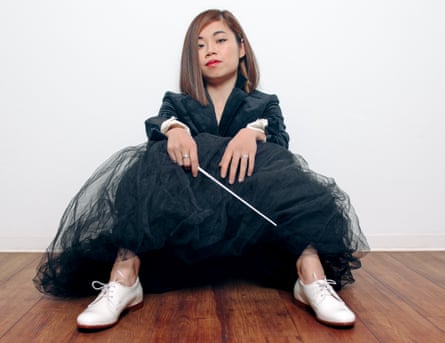
Now that the orchestra is at least stable again, Chan is free to mould San Francisco in her own vision. Not even 40, she’s relatively young, but for all her vast experience, including conducting the First Night of the Proms in 2024, the Last Night last year, and leading the Antwerp Symphony Orchestra, she arrives in the city without institutional baggage, and with a golden chance to lead the orchestra in the direction she chooses: remaking the classics, revitalising the repertoire with new music, collaborating across the art-forms – it’s all possible.
Likewise for Harding, who, at 50, is in the middle of a musical life that takes no score for granted. He burst on to the scene more than 30 years ago with the imprimatur of Simon Rattle in Birmingham and Claudio Abbado in Berlin, and had to live with a huge weight of expectation in his 20s. But instead of going along with the way things had been done by the previous generation, he brought a combination of forensic attention to detail and musical adventure to everything he did.
His early recordings with the Mahler Chamber Orchestra, which he co-founded in 1997, express a simultaneous rigour and radicalism. Listen to Mozart’s Don Giovanni, which he conducted in his mid 20s for a production by Peter Brook and recorded in 2000, to hear what I mean. In a performance that even Harding acknowledges today as extreme, he rethought it as if it were a piece of contemporary theatre, full of biting drama and ferocity. Right from the start, Harding’s speeds are precipitously fast and the textures lean. This Don Giovanni isn’t a Lothario but a wolf of pure aggression and purer cynicism, and he’s pulled to hell with pitiless energy.
Harding continues not to take the easy or conventional route, and you hear inside the scores he’s conducting in new ways. His Symphonie Fantastique with the Swedish Radio Symphony Orchestra is one of the most analytical performances of the work I’ve ever heard on disc, but his interrogation of Berlioz’s score only amplifies its hallucinogenic power. That paradoxical combination of analysis and inspiration is what drives his live recording of Mahler’s Sixth with the Bavarians also, lit from the inside with a musical clarity that becomes expressively devastating. There’s a similar alchemy in his newest recording, of Puccini’s Tosca with the Accademia Nazionale di Santa Cecilia in Rome, where he’s also music director.
He draws an analogy between conducting and his other career as a pilot flying for Air France. Both are about forensic preparation, but if the goal is to eliminate as much risk as possible when he’s flying a plane; when he’s conducting, the job is to push the musicians to a place of maximum risk-taking, to conduct through the storm.
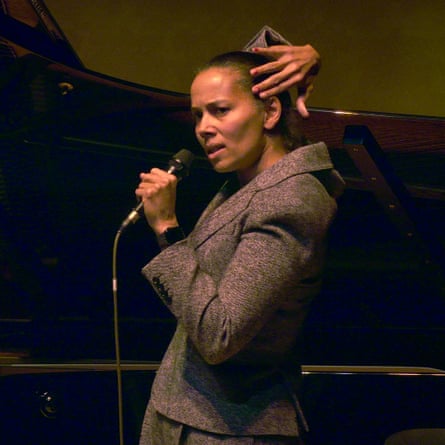
A two-week festival celebrating Wigmore Hall’s 125th anniversary began on Monday, and the stars are out in force, from pianist Yunchan Lim to soprano Lise Davidsen. The hallowed chamber music venue remains the place to go to hear Schumann and Schubert, but props to Wigmore Hall for making new repertoire and collaborations part of their non-arts-council-funded festivities: later this year there are concerts and residencies from Elaine Mitchener, Rhiannon Giddens and London Voices singing Stockhausen’s Stimmung to look forward to.
It’s hard to imagine a time when it didn’t have the reputation as the capital’s critically anointed temple of chamber music, but I enjoyed coming across journalist and broadcaster Bernard Levin (in his hilariously pompous Conducted Tour from 1981), wrote of remembering concerts at “the maiden-auntish Wigmore Hall, little dreaming that in the fullness of the years someone would build an even uglier concert-room, and call it the Queen Elizabeth Hall”, managing thereby to offend absolutely everyone.
This week Tom has been listening to: La Tempête’s album Bomba Flamenca has taken me over. It imagines the funeral of Charles V of Spain in 1515, and makes a vivid processional through a soundworld that fuses traditions from Spain’s Arab-Andalusian history and the Flemish musicians who took the Spanish court by storm. It’s music-making of breathtaking, ritualistic power. Listen on Spotify | Apple Music Classical
Explore more on these topicsShareReuse this contentСхожі новини