Restaurant owners explain why heritage is more important than ever while celebrating Cinco de Mayo
Cinco de Mayo in the U.S. has long been synonymous with festive platters of tacos, flowing margaritas, and the vibrant sounds of mariachi bands.
However, a growing number of Mexican American business owners are advocating for a deeper celebration, one that honors Mexican history and the holiday's true significance, particularly as a counter-narrative to heightened anti-immigrant sentiments and enforcement efforts targeting Latino communities.
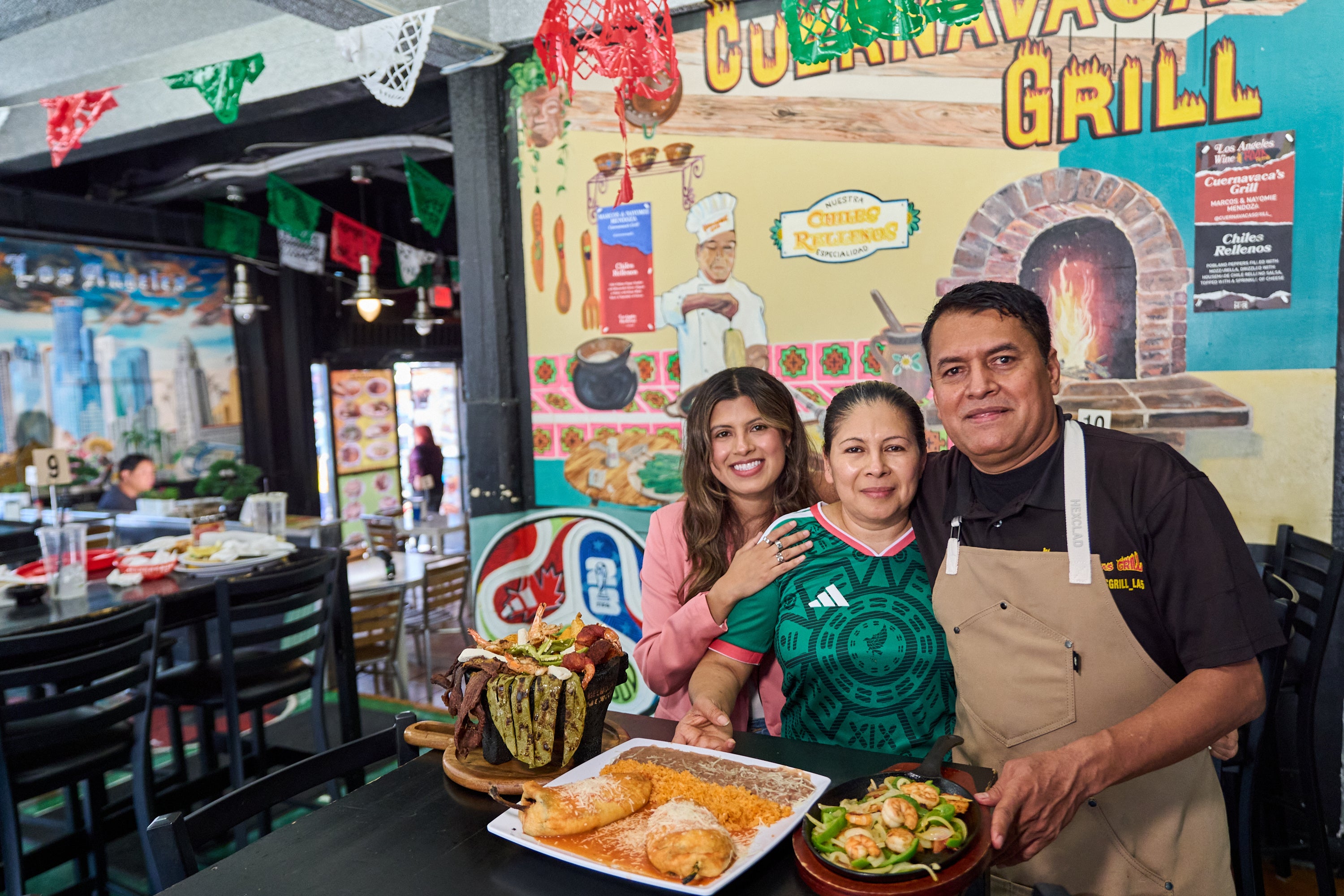
Nayomie Mendoza, owner of Cuernavaca’s Grill in Los Angeles, champions a celebration that reflects "everything that as a community we’re enduring today."
Her Cinco de Mayo festivities will blend traditional mariachi and Mexican cuisine with a poignant tribute to Mexican perseverance, specifically referencing the Battle of Puebla over 160 years ago, where Mexican forces triumphed over the French. "Just looking at how much they did with very little resources," Mendoza remarked. "It just showed resilience. So, on Cinco de Mayo we always make it a testament of our resilience."
This movement to reclaim Cinco de Mayo, shifting away from a superficial portrayal of Mexican culture towards highlighting history and community, is gaining traction among Latino leaders.
Sehila Mota Casper, director of Latinos in Heritage Conservation, notes that this year's celebrations are distinctly embracing traditional Mexican culture and focusing on preservation. "These are just incredible moments of educating and knowledge sharing," Mota Casper said. "The more we educate, the more knowledge we share, the better a community and people we become."
 open image in gallery
The economic footprint of Hispanic-owned businesses is significant, accounting for 8.4% of 5.9 million U.S. employers in 2024, according to the Census Bureau. Within the restaurant sector, they represented approximately 18% of all businesses last month, as per the National Restaurant Association. For many, the holiday is an opportunity to showcase authentic Mexican culinary traditions.
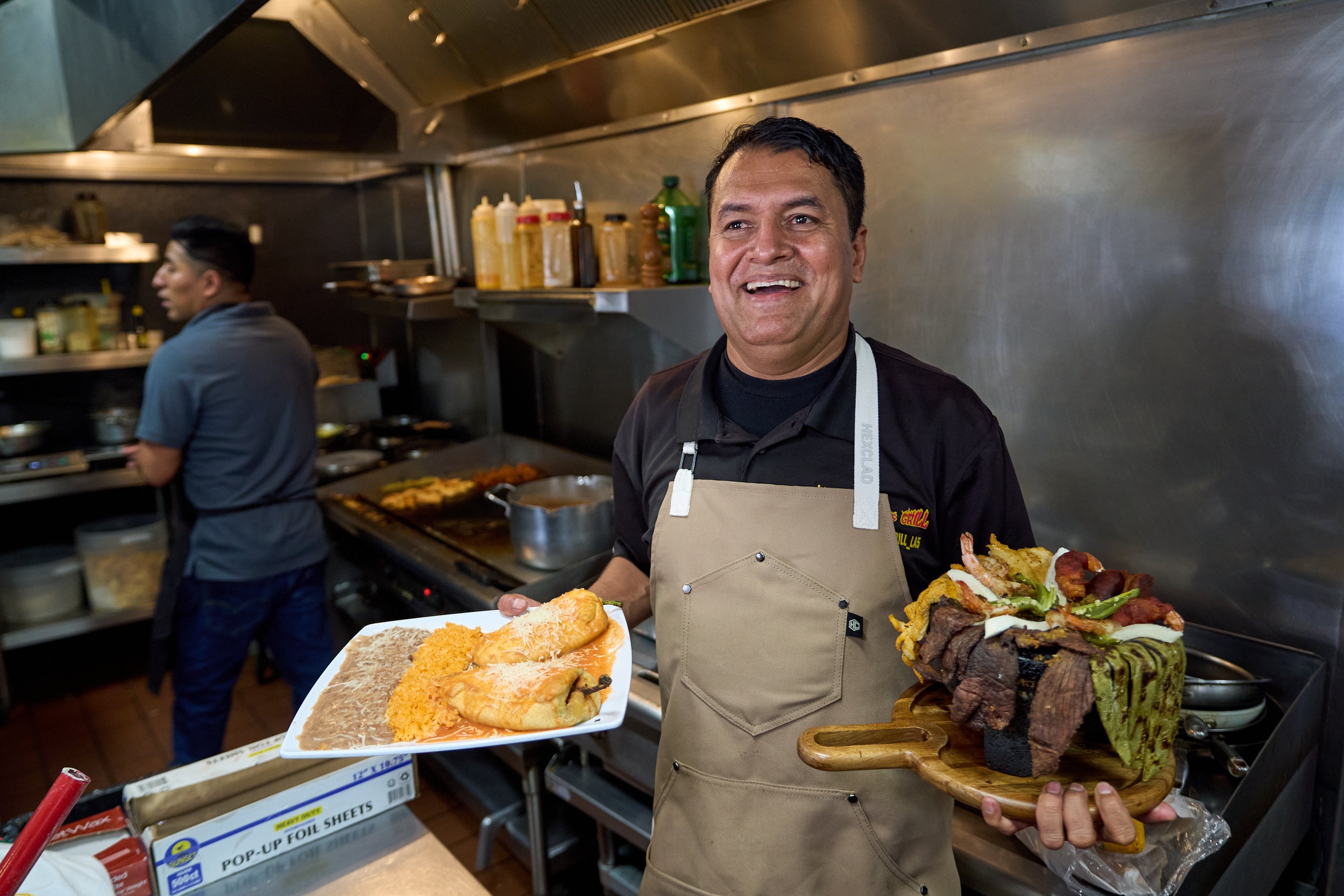
Raul Luis, who owns Birrieria Chalio Mexican Restaurant with locations in Los Angeles and Fort Worth, Texas, aims to offer more "wholesome and intentionally planned offerings" than just tequila shots.
He encourages customers to enjoy "guisados" — traditional Mexican braises or stews used as taco fillings — akin to what one would find in a Mexican family home. Luis believes that well-made, traditional cooking will attract and retain customers, regardless of their background. "It’s the ultimate opportunity for restaurants to take advantage of that moment and bring them in and entice them to authentic Mexican food," Luis stated.
 open image in gallery
Cinco de Mayo commemorates the 1862 victory of Mexican troops over invading French forces at the Battle of Puebla. This triumph, achieved by a smaller, less-equipped Mexican army led by Gen. Ignacio Zaragoza, provided an immense morale boost. In Mexico, annual historical reenactments in Puebla feature participants dressed as Mexican and French troops, alongside Zacapoaxtlas, the Indigenous and farmer contingent crucial to the victory. In the U.S., May 5 has evolved into a broader celebration of Mexican American culture, a tradition dating back to 19th-century California.
Festivities often include parades, street food, block parties, mariachi competitions, and baile folklórico, featuring dancers in vibrant, ruffled dresses. The day is frequently confused with Mexican Independence Day, which falls on September 16. Latino activists and scholars attribute this disconnect to a hazy understanding of Cinco de Mayo's history and marketing that perpetuates stereotypes, such as exaggerated mustaches and oversized sombreros.
Against a backdrop of political rhetoric, including statements from Donald Trump labeling Mexican immigrants as criminals and gang members, Latino communities have faced increased targeting through hard-line immigration tactics. Memes shared from official social media accounts have perpetuated negative stereotypes, while federally led English-only initiatives and bans on diversity, equity, and inclusion programs appear to disproportionately affect communities of color, generating considerable fear.
Despite these challenges and the rising costs impacting the restaurant industry, Nayomie Mendoza's Cuernavaca Grill is celebrating its 20th anniversary this year. As part of her Cinco de Mayo celebrations, she will host a food and toy drive to support those struggling. "This is a testament of our resilience," Mendoza affirmed. "It’s a testament of our hard work. It is pride to our community and everything that we’ve accomplished."
Схожі новини
To move beyond GDP, don’t ignore environmental economists
Новини 5 травня: комбінована атака РФ на газовидобуток та скорочення ВВП України

НБУ зазначив потребу доукомплектувати наглядову раду Сенс Банку фахівцями з ризик-менеджменту