Regions Calling: Inside Errol Musk’s Regional Ambitions
 By Leyla Latypova
May 28, 2026
By Leyla Latypova
May 28, 2026

Hello and welcome to Regions Calling, your guide to news beyond the Russian capital from The Moscow Times.
This week, we are zooming in on Errol Musk, the controversial father of the world’s wealthiest man who has been a frequent guest to Russia over the past year.
Beyond speaking out in support of President Vladimir Putin, the elder Musk is heading to Russia’s regions in pursuit of a futuristic institute, a potential Tesla factory and the relocation of white South African families to provincial Russia.
But first, a look at the latest news from across the regions:
The Headlines
-
The North Caucasus republics of Chechnya, Dagestan, Ingushetia, Kabardino-Balkaria Karachay-Cherkessia and North Ossetia, as well as the southern Stavropol region, are battling a new wave of severe spring flooding.
Flooding and mudslides repeatedly disrupted traffic on major highways across the North Caucasus over the past week, with two flood-related casualties confirmed as of Thursday.
Ingushetia, one of Russia’s smallest ethnic republics, has been among the hardest hit, with hundreds of homes damaged and at least 75 people displaced, according to local officials. -
Authorities announced last week that emergency crews had completed cleanup operations in the Black Sea port town of Tuapse in the Krasnodar region after repeated Ukrainian drone attacks on a local refinery caused a major oil spill.
Officials in nearby Anapa said Monday that beaches in the resort city will be ready for swimming starting as early as next month. Independent environmental experts and local volunteers accused the authorities of downplaying the extent of the environmental damage caused by the oil spill.
On Saturday, volunteers in the village of Volna near the Kerch Strait discovered fresh fuel contamination along several local beaches and said they collected more than 200 bags of oil-contaminated sand.
-
Several senior Muslim clerics were arrested across Russia this month, according to reports. Among the targeted clerics were the head mufti of the republic of Mordovia and the former head mufti of the republic of Karelia, as well as the Palestine-born former deputy mufti of the Saratov region.
The arrests appear linked to decades-old divisions within Russia’s Muslim community and the clerics’ opposition to a new bill on religious practices currently under consideration in the Russian parliament. (Read more on this here.) -
A 77-year-old politician and Communist Party supporter from the Siberian republic of Altai is facing multiple years over his alleged support for Allya Ayat, a spiritual movement founded in Kazakhstan in the 1990s and outlawed in Russia as “extremist” in 2019.
Altaian politician Antaliy Sokolov is at least the fourth Allya Ayat supporter to face criminal prosecution in Russia in the past two years.
The Spotlight
Musk Institute, Tesla Factory and ‘Refugees’: What We Know About Errol Musk’s Dealings in Russia
Errol Musk, the father of Tesla and SpaceX CEO Elon Musk, is no stranger to Russia.
The 80-year-old South African businessman has visited the country at least twice since appearing at a far-right forum in Moscow last June, expanding his travels beyond the capital to the central Vladimir and Nizhny Novgorod regions and the republic of Tatarstan, a Turkic and Muslim-majority republic on the shores of the Volga River.
Last month’s visit to Tatarstan might have been the most rewarding yet for Musk, a controversial figure known for his vocal support of the Kremlin, far-right political views, inflammatory comments about racial dynamics in South Africa and scandals involving his family life.
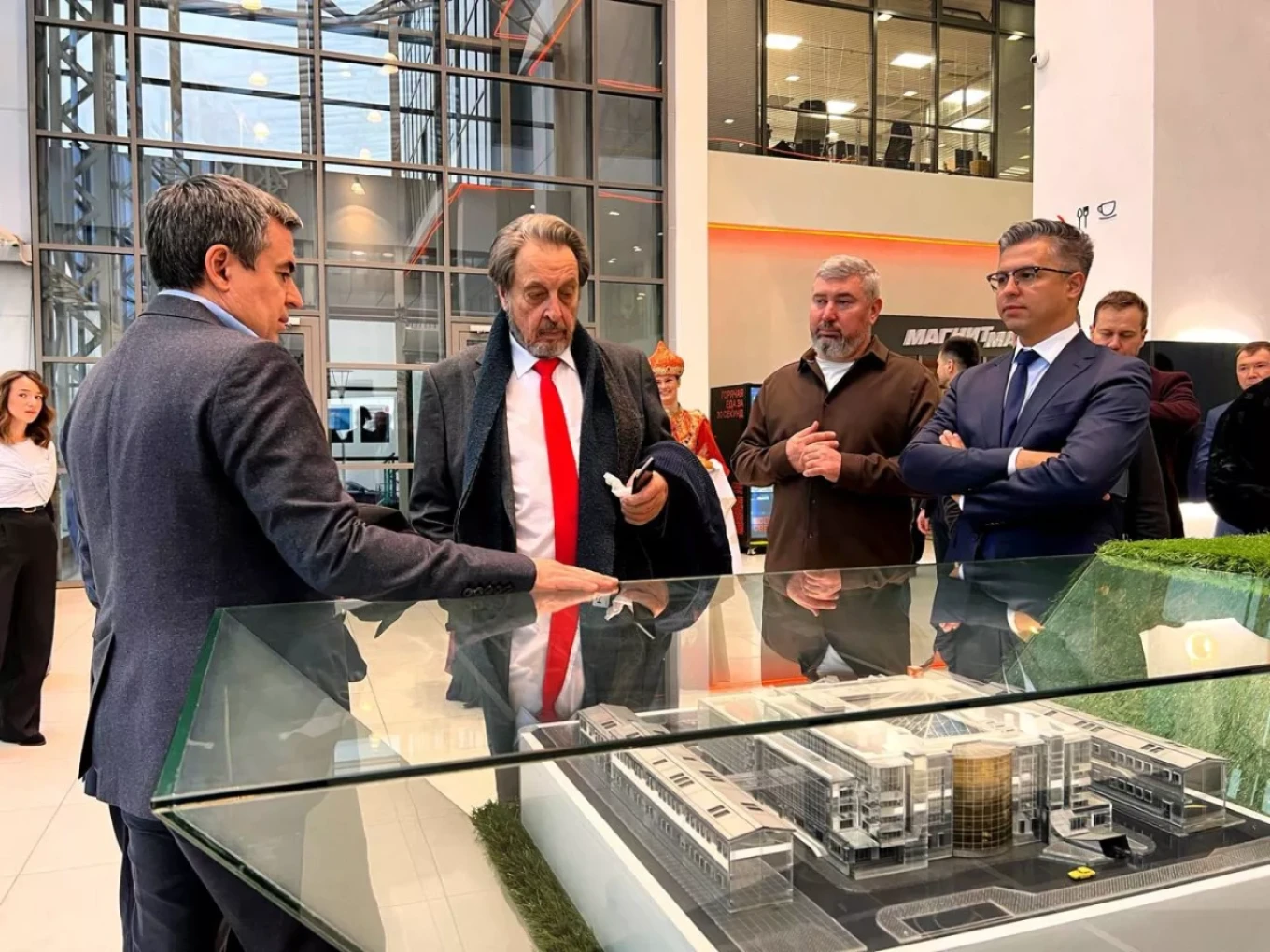
In Tatarstan’s capital of Kazan, Musk edged closer to securing a multimillion-dollar deal to establish the Musk Institute in Russia, a source familiar with the negotiations told The Moscow Times on condition of anonymity.
The institute is expected to work on “humanity's global challenges, including interactions with space-time, gravity and nuclear fusion,” Musk said in Kazan.
"One of our key goals is to be able to attract the best minds from around the world. This could be from the United States or China,” the businessman added.
A previous $1 billion plan to establish the institute in Dubai, which was first announced in 2024, ultimately fell through for undisclosed reasons.
The new deal with the Russians looked “very serious on both sides” during the April negotiations in Kazan, the source said.
Though Elon Musk backed the earlier Dubai project, the extent of his involvement in the proposed Musk Institute in Kazan remains unclear. Still, the source said he is now in frequent contact with his previously estranged father on both business and personal matters.
Errol Musk did not respond to a request for comment, nor did representatives for Elon Musk’s companies Tesla and SpaceX.
Musk’s visits to Tatarstan were facilitated by Arsen Khusnutdinov, a U.S.-educated Tatar businessman and co-founder of the region’s first technopark with ties to local elites.
It remains to be seen whether Khusnutdinov’s efforts will prove fruitful for his native Tatarstan and whether Kazan will be chosen as the host of the future Musk Institute.
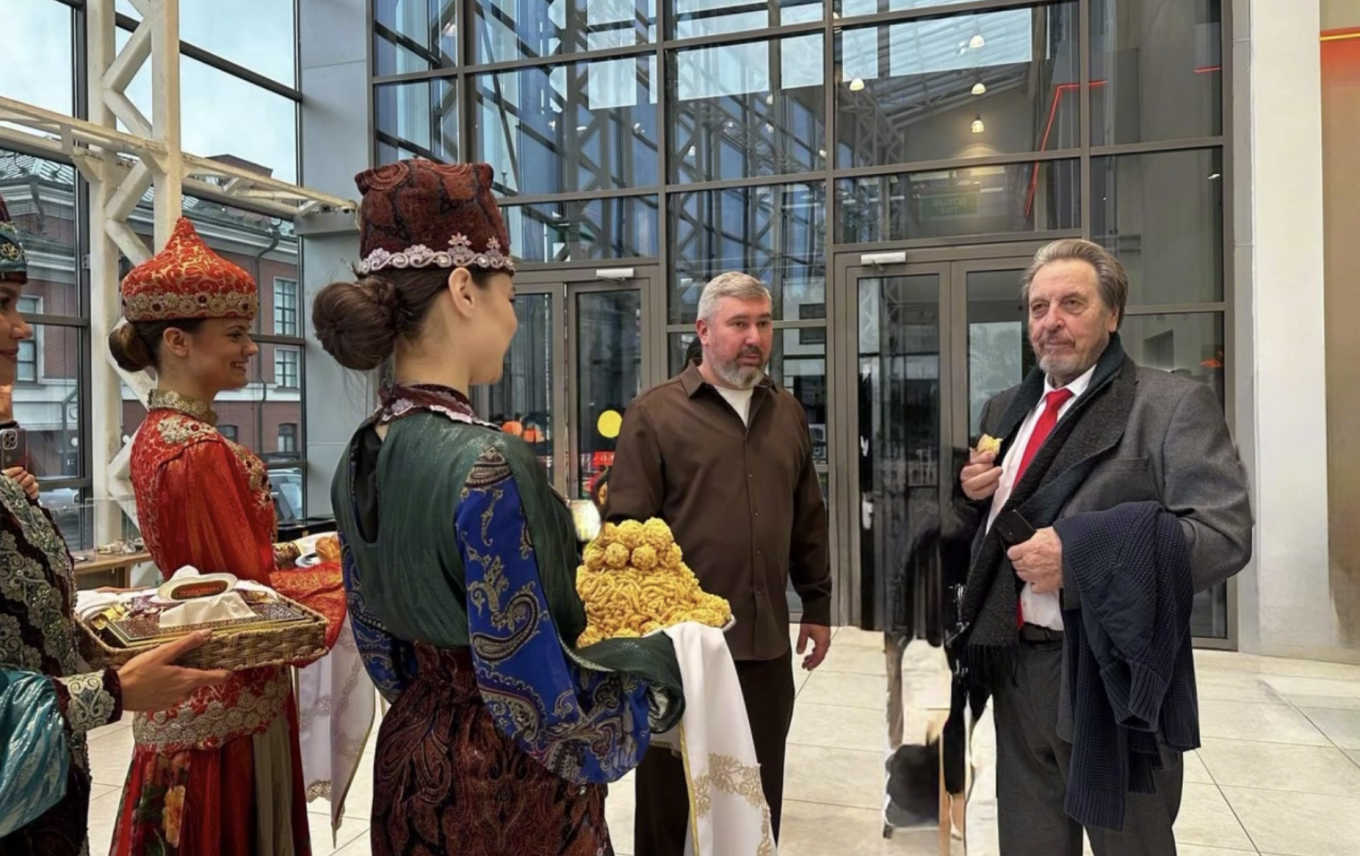
The institute is just one of several Russia-based projects that Musk has discussed publicly in recent months.
While visiting Nizhny Novgorod last month, he praised what he called the city’s potential for becoming a global manufacturing hub and even floated the idea of opening a Tesla production plant there.
His most controversial proposal, however, is a plan to facilitate the resettlement of 50 Afrikaner families from South Africa to Russia’s Vladimir region for agricultural work.
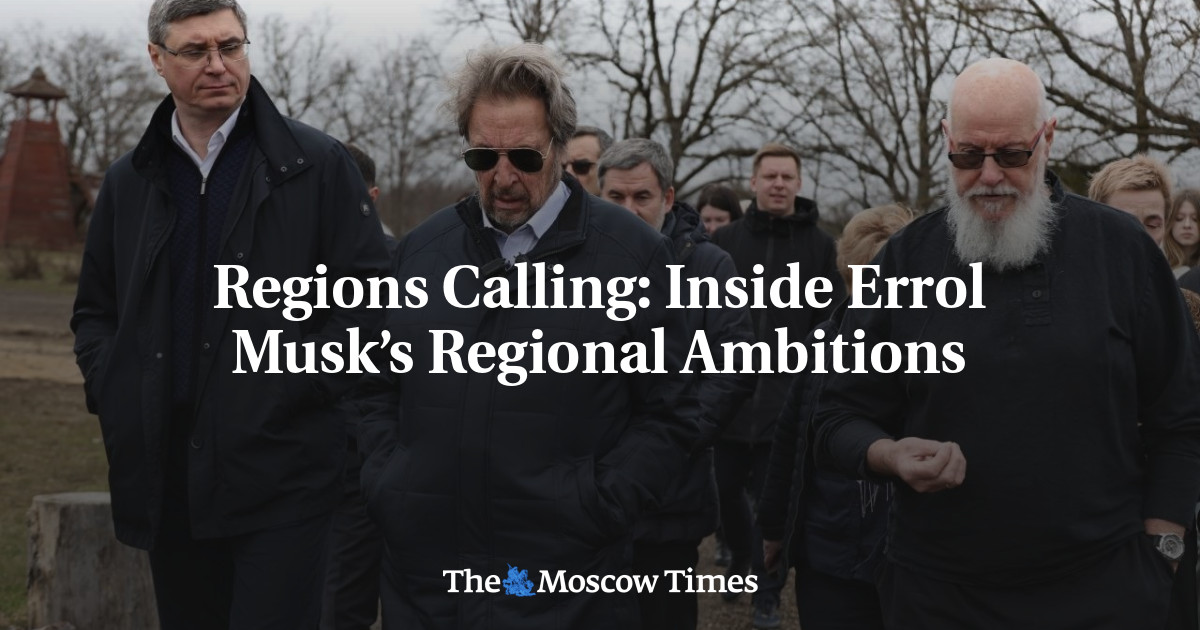
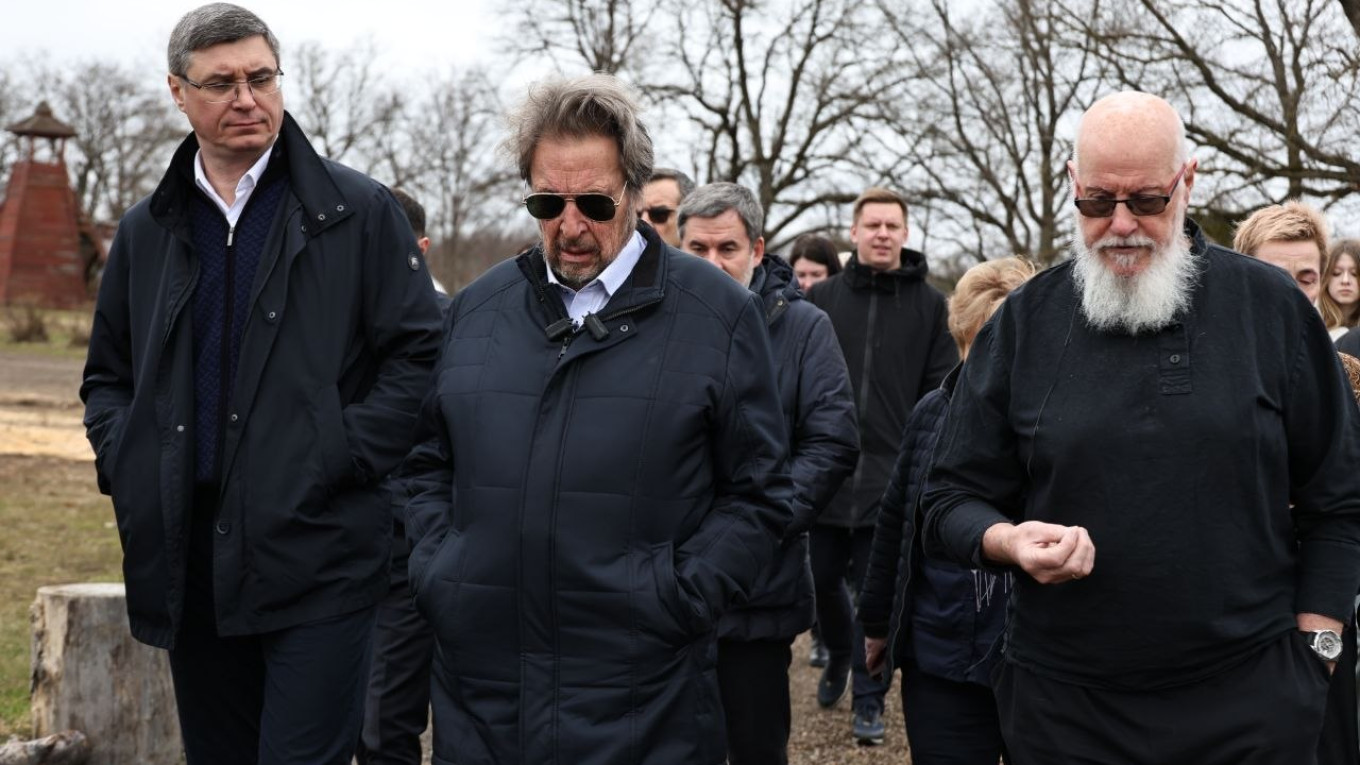
Musk reportedly discussed the idea with Vladimir region Governor Alexander Avdeyev during last month’s visit to Bogdarnya, a farm resort owned by British-born businessman John Kopiski.
Kopiski, who moved to the region 35 years ago and holds Russian citizenship, is frequently promoted by pro-Kremlin media as part of Russia’s campaign to attract conservative Westerners to the country.
During the meeting with Musk, Avdeyev touted Vladimir as an ideal destination for “families of Dutch origin from South Africa,” saying the region was among the first in Russia to “attract foreign specialists and entrepreneurs who share traditional Russian spiritual and moral values.”
Avdeev claimed that since 2024, “around 50 Europeans” have purchased property in Dobrograd, one of the first Russian towns built with private investment specifically for foreigners.
Ivan Klyszcz, a research fellow at the International Center for Defense and Security in Tallinn, Estonia, said that Musk’s proposed relocation of white South African farmers fits into familiar Kremlin narratives.
“One is this idea [of Russia] as this empty land open for colonization or for settlement and for ‘taming of the wild’ and so on,” Klyszcz told The Moscow Times. “This is a very well-established literary trope that the Kremlin uses to this day in its propaganda directed domestically and internationally.”
Like U.S. President Donald Trump, Errol Musk has claimed that white Afrikaner farmers are being targeted for murder in their home country, allegations strongly denied by the South African government.
“The other narrative that I see overlaps with the Kremlin’s alignment with far-right narratives, political movements and a worldview that sees the Afrikaner minority in South Africa as this supposed victim of fictitious genocide,” Klyszcz said.
Though Russia’s interest in the plan has elements of appealing to the Western far-right, it would fall far short of the Trump administration's revamped asylum policies that have facilitated the admission of over 6,000 white South Africans to the U.S. since October at the expense of virtually all other refugees.
For the Kremlin, however, Musk’s idea might prove increasingly useful in its bilateral relations with South Africa.
“When we think of Russia-South Africa relations, we often think of the ties between the African National Congress (ANC) and Moscow, be it the Soviet Union in the past or today,” said Klyszcz, referring to South Africa’s center-left governing party. “But…Russia has also cultivated some relations with the Afrikaner far-right.”
“It is a way [for Russia] to tell the ANC that ‘If you don't cooperate with us, we have alternatives. We can go to the Afrikaner far-right and work with them. We already have all these wonderful connections’,” he said.
No matter the Kremlin’s intentions, Musk’s proposal has already sparked backlash from Russians themselves.
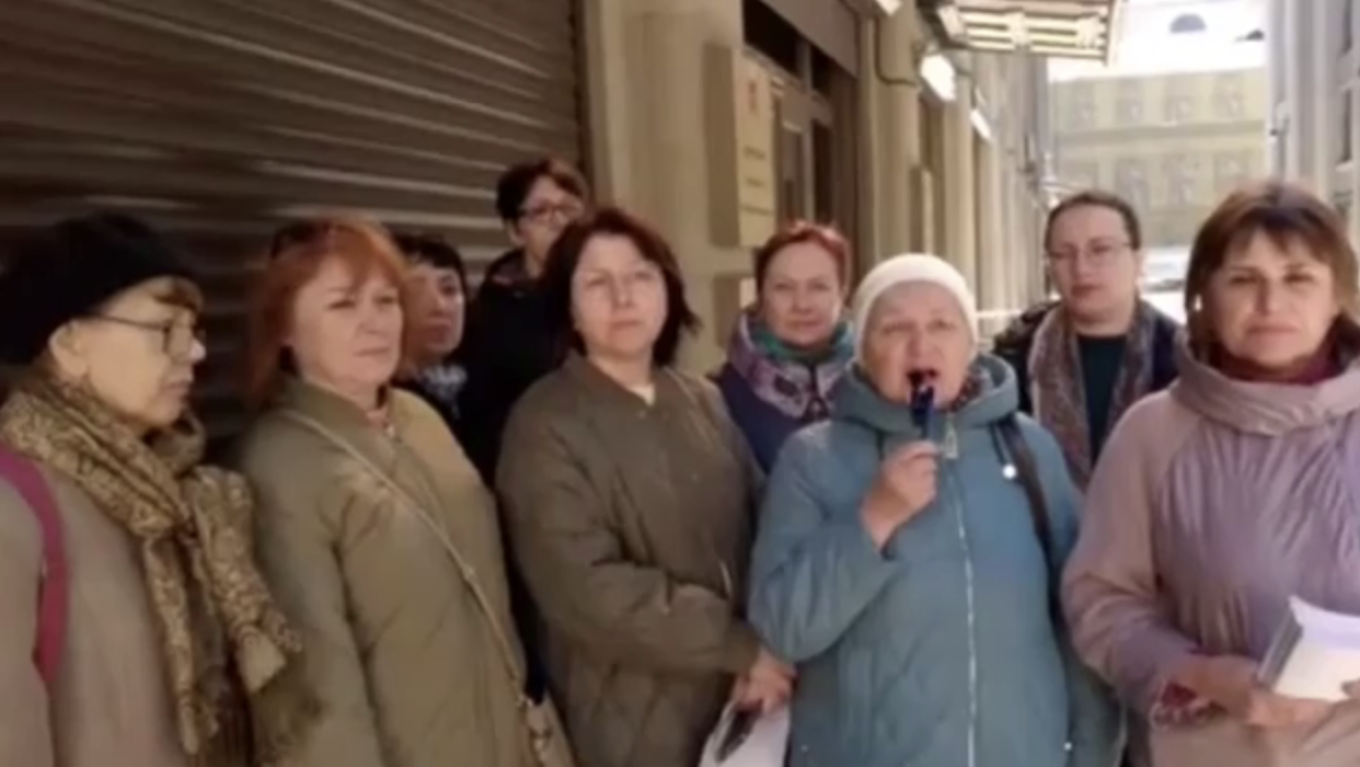
Activists from the Agrarian Council, a group linked to the widely popular and controversial opposition figure Svetlana Lada-Rus, said they collected over 7,000 signatures on a petition opposing the proposed allocation of farmland to South African settlers and calling for Avdeyev’s resignation.
“We don’t even know what kind of character those families have, what kind of values, what kind of culture, or what their real motives are,” one of the Vladimir region activists said in a video published by the group.
“Our villages are running empty. No one is helping our farmers, but foreigners are being offered all kinds of help and support,” the activist continued. “I want to ask: whose management has degraded agriculture to such a point that our lands are lying barren?"
Photo of the Week
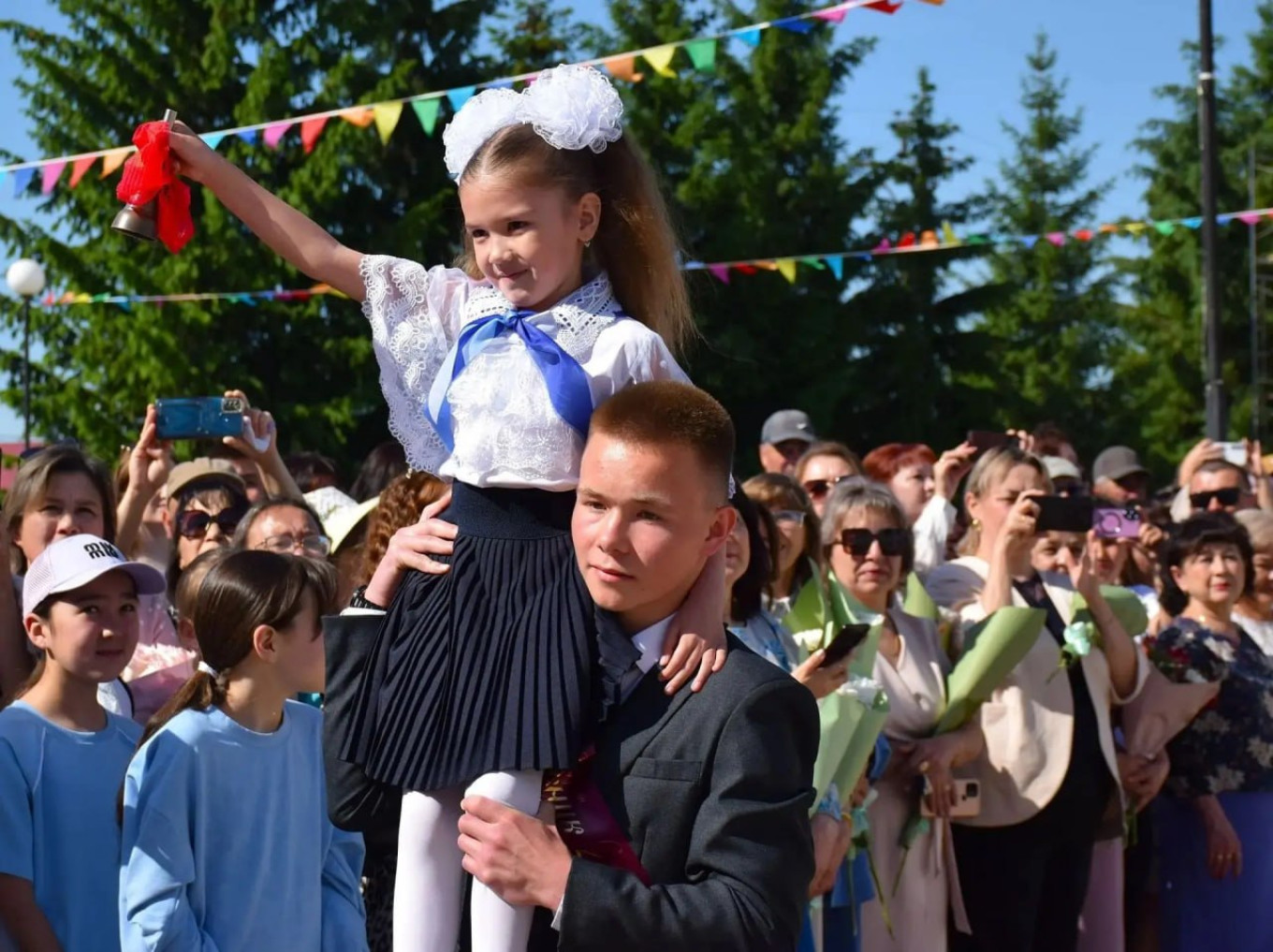
An elementary school student rings a school bell during a symbolic “Last Bell” ceremony for high school seniors in Ufa, the capital of the republic of Bashkortostan, on Tuesday.
A decades-old tradition observed by all schools in Russia, “Last Bell” marks the last day of classes and the beginning of exam period for school graduates.
Culture & Entertainment
London’s Pushkin House will host a conversation with prominent Russian journalist and writer Mikhail Zygar on June 2. Zygar will discuss his new book “The Dark Side of the Earth” with The Economist’s Russia and Eastern Europe Editor Arkady Ostrovsky. More information is available here.
Would you like to feature information about your upcoming Russia-related event or webinar in the next Regions Calling newsletter? Drop us a line at [email protected].
-
“‘The Fight for Souls and Minds’: Alex Jones, George Galloway, Errol Musk and More Attend Far-Right Forum of the Future in Moscow” by Ned Garvey
-
“Russia Is Touting Itself as a Haven for ‘Conservative’ Westerners. Will They Make the Move?” by James Beardsworth
-
“With ‘Russian Houses,’ Moscow Expands Soft Power Push Into Africa” by Brawley Benson
Sign up for our free weekly newsletter
Our weekly newsletter contains a hand-picked selection of news, features, analysis and more from The Moscow Times. You will receive it in your mailbox every Friday. Never miss the latest news from Russia. Preview Subscribe Subscribers agree to the Privacy Policy We sent a confirmation to your email. Please confirm your subscription.A Message from The Moscow Times:
Dear readers,
We are facing unprecedented challenges. Russia's Prosecutor General's Office has designated The Moscow Times as an "undesirable" organization, criminalizing our work and putting our staff at risk of prosecution. This follows our earlier unjust labeling as a "foreign agent."
These actions are direct attempts to silence independent journalism in Russia. The authorities claim our work "discredits the decisions of the Russian leadership." We see things differently: we strive to provide accurate, unbiased reporting on Russia.
We, the journalists of The Moscow Times, refuse to be silenced. But to continue our work, we need your help.
Your support, no matter how small, makes a world of difference. If you can, please support us monthly starting from just $2. It's quick to set up, and every contribution makes a significant impact.
By supporting The Moscow Times, you're defending open, independent journalism in the face of repression. Thank you for standing with us.
Once Monthly Annual Continue Not ready to support today?
 Remind me later. ×
Remind me next month
Схожі новини
Мадяр заявив, що Будапешт не постачатиме зброю Україні
Lavrov's threats lead to additional resources for Ukraine – U.S. Congressman