Rare brain-eating amoeba found in water at several western national parks – including Lake Mead and Yellowstone
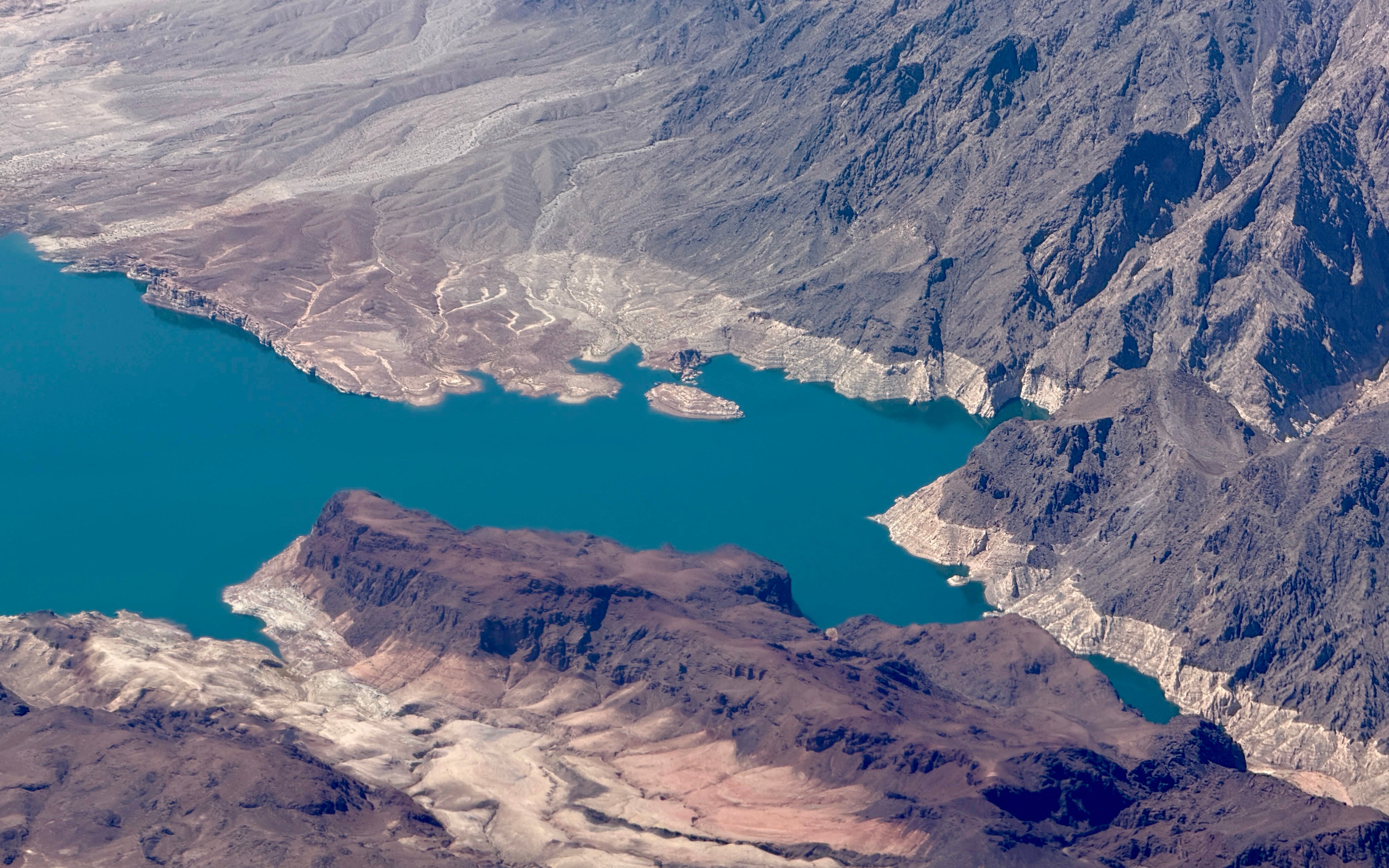
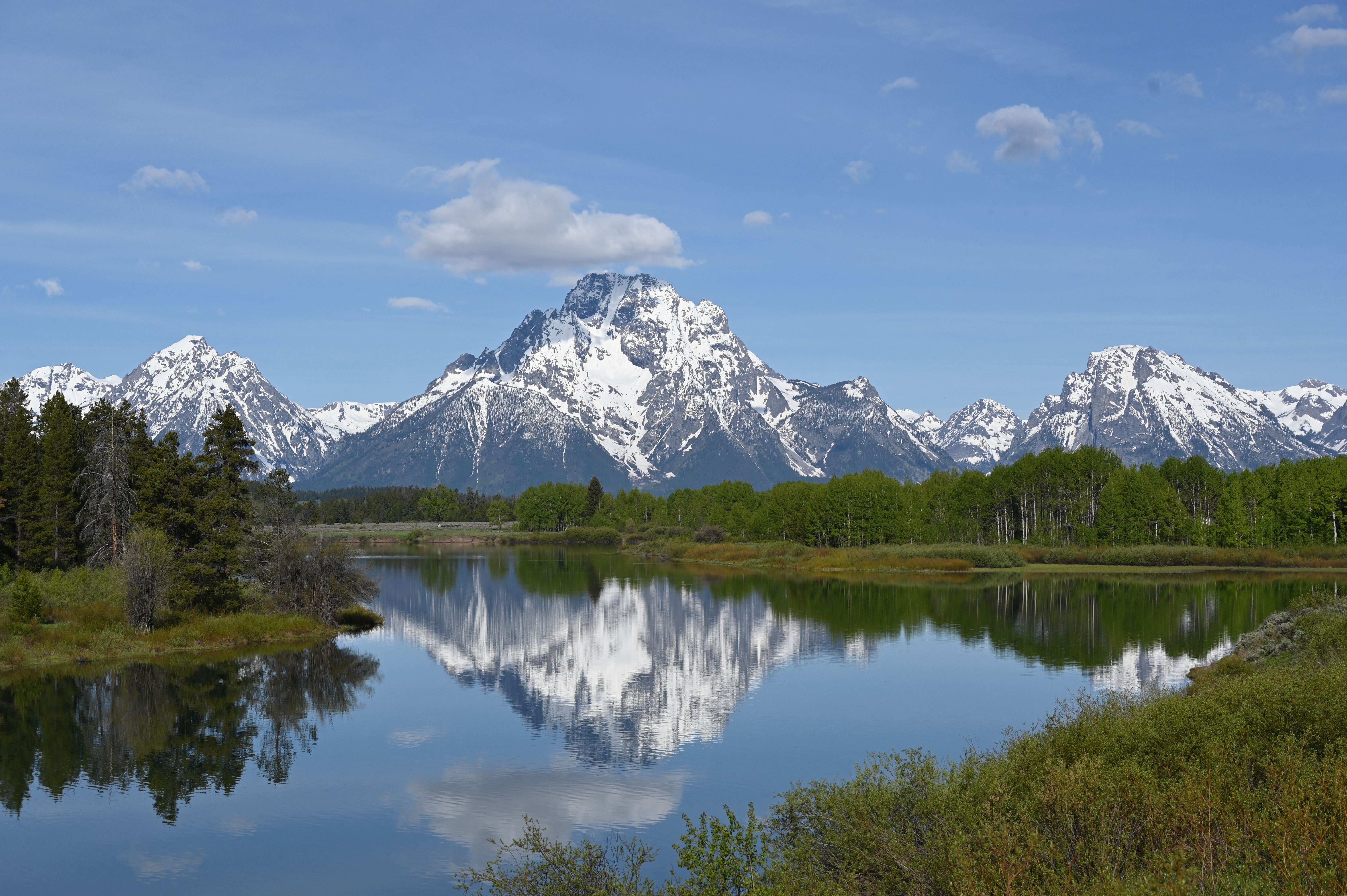
A rare “brain-eating amoeba” has been found in recreational waters at several western national parks, including Lake Mead, Grand Teton and Yellowstone.
Researchers discovered Naegleria fowleri, which can cause a fatal brain infection, after surveying 40 thermally impacted recreational waters in five national parks and recreation areas in the western U.S.
For the study, published by the U.S. Geological Survey and its partner agencies, 185 samples were taken from Yellowstone National Park, Grand Teton National Park, Olympic National Park, Newberry National Volcanic Monument and Lake Mead National Recreation Area.
Scientists found the rare amoeba in about one-third of the samples, specifically from those taken from Lake Mead, Grand Teton and Yellowstone, according to the study.
Naegleria fowleri is a one-celled organism that thrives in warm freshwater lakes, rivers and hot springs. It is often called the “brain-eating amoeba” because it can cause a fatal infection known as primary amebic meningoencephalitis, or PAM.
 open image in gallery
.jpg) open image in gallery
open image in galleryTypically, fewer than 10 people get PAM in the U.S. each year, according to the Centers for Disease Control and Prevention. However, nearly everyone who gets PAM dies from it.
Brain infections caused by Naegleria fowleri are incredibly rare, but have a 98 percent fatality rate, according to the study.
The U.S. has seen 167 cases of PAM from 1962 to 2024, according to the CDC. Only four people survived the disease.
 open image in gallery
“These findings indicate that N. fowleri is present in thermally impacted areas across the western United States and underscore the use of enhanced monitoring, public awareness, and risk management strategies in thermally influenced waters,” scientists wrote.
The researchers encouraged “broadening surveillance” of N. fowleri, as warming global temperatures are likely to cause the organism to expand to new geographic areas.
The Independent has contacted USGS and the National Park Service for comment.
Join our commenting forum
Join thought-provoking conversations, follow other Independent readers and see their replies
CommentsСхожі новини

Quote of the day by Plato: “We can easily forgive a child who is afraid of the dark; the real tragedy of life is when men are afraid of the light.”
Vilseck, Germany: A town on edge over US troop withdrawal
'The threat is real.' Why the EU is treating Chinese solar tech like a security threat.