Putin could cause the next Chernobyl through reckless strikes on nuclear plants, experts warn
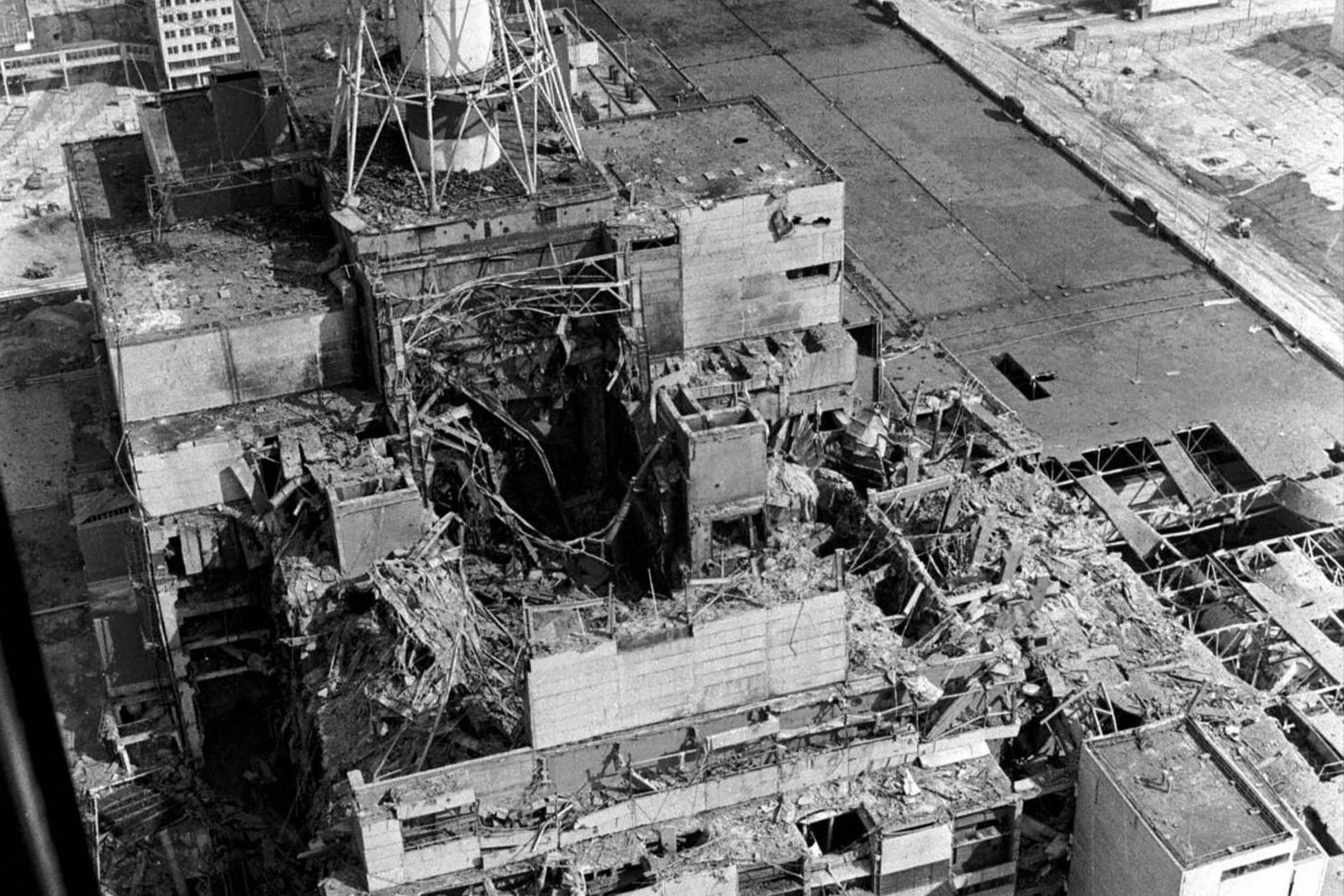
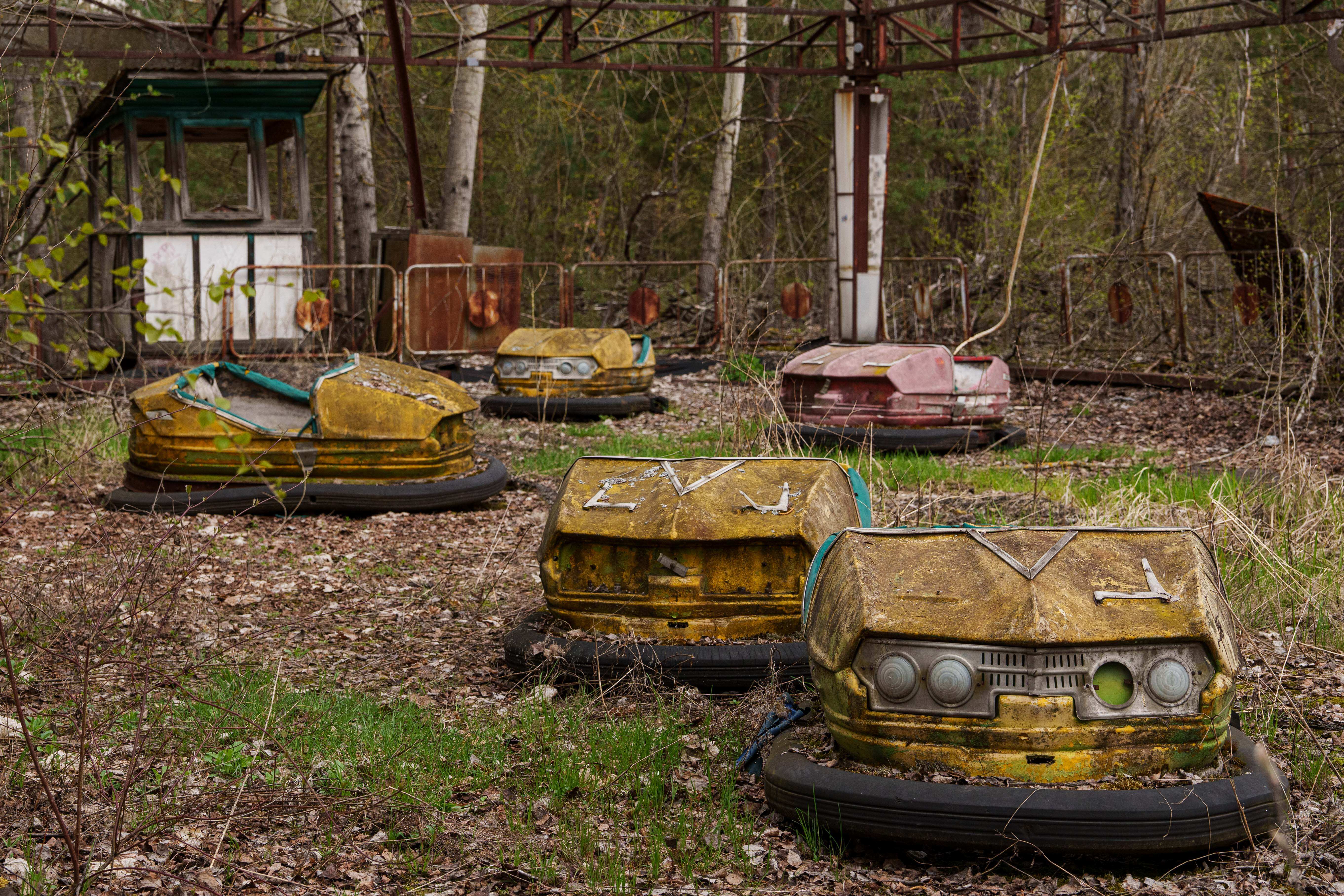
“I was in a state of near-shock,” says Volodymyr Kholosha as he recalls the moment that he first saw the burnt-out reactor at the Chernobyl Nuclear Power Plant on the day it exploded.
“What I witnessed that day defied every scenario we had ever practised. The first few days were spent simply trying to comprehend what had actually happened.”
Forty years on from the world’s most serious nuclear accident, Ukraine is fighting Russia in and around its nuclear power plants, including the world’s largest in Zaporizhzhia. Just last week, Russia launched drones and missiles along the flight paths near Chernobyl itself.
Mr Kholosha warns that Vladimir Putin is bringing Ukraine to the brink of another disaster.
“Russia has failed to learn the lessons of Chernobyl,” he says. “Russia may believe these actions serve their geopolitical goals, but objectively, ignoring the lessons of Chernobyl endangers not only Ukraine but regional and global security.”
 open image in gallery
Russian forces have repeatedly played fast and loose around Ukraine’s nuclear sites since it launched its invasion of Ukraine in February 2022.
On Wednesday, Ukraine accused Moscow’s forces of repeatedly launching drones and missiles on a flight path near the Chernobyl plant, risking a major nuclear accident.
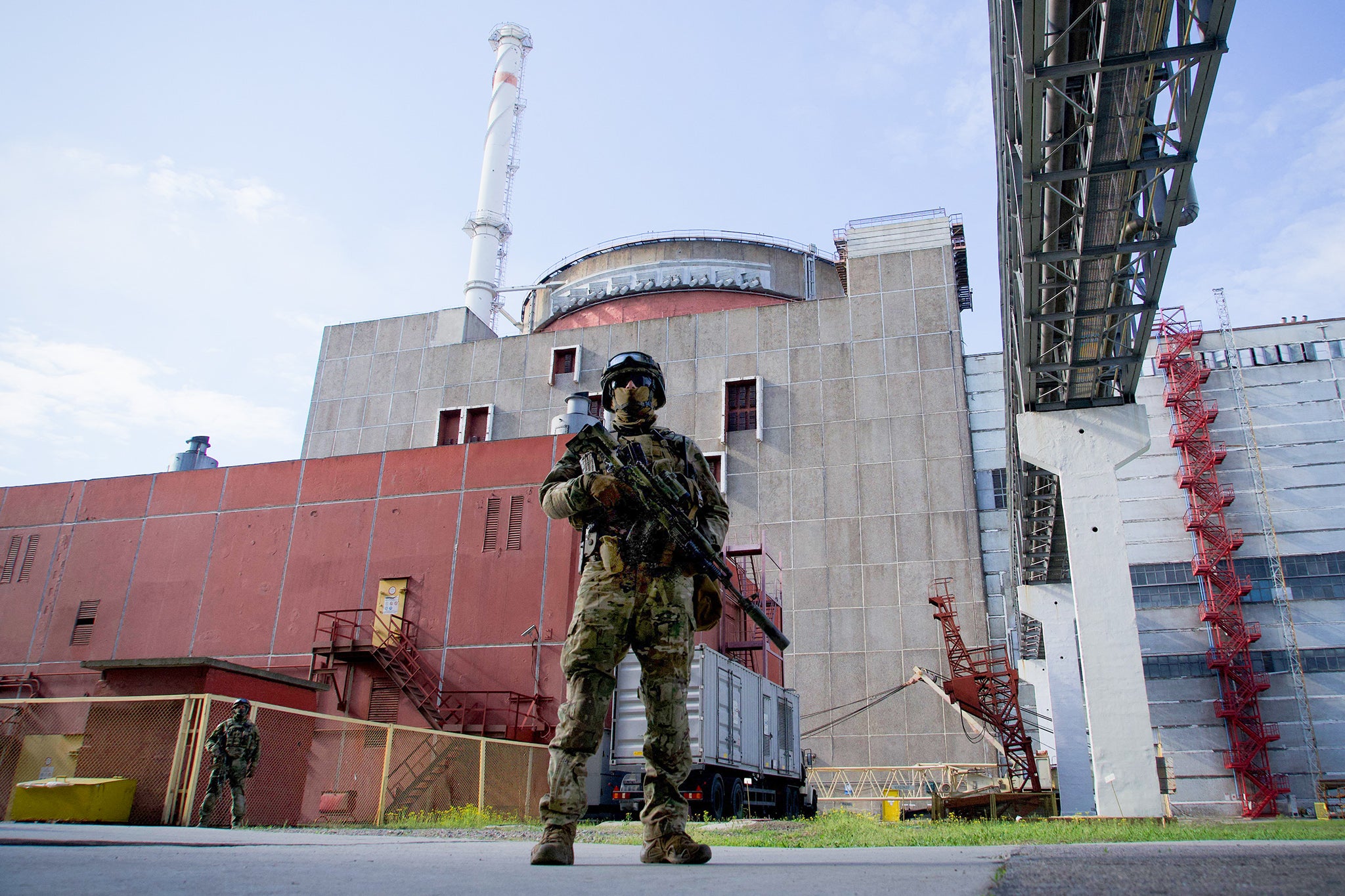
The Russian-occupied Zaporizhzhia Nuclear Power Plant, situated right on the frontline in southern Ukraine, last week experienced its 13th blackout since Russia’s invasion began more than four years ago.
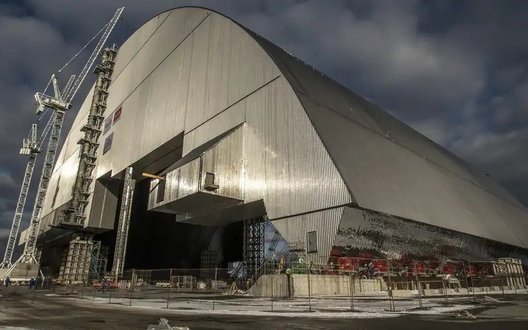
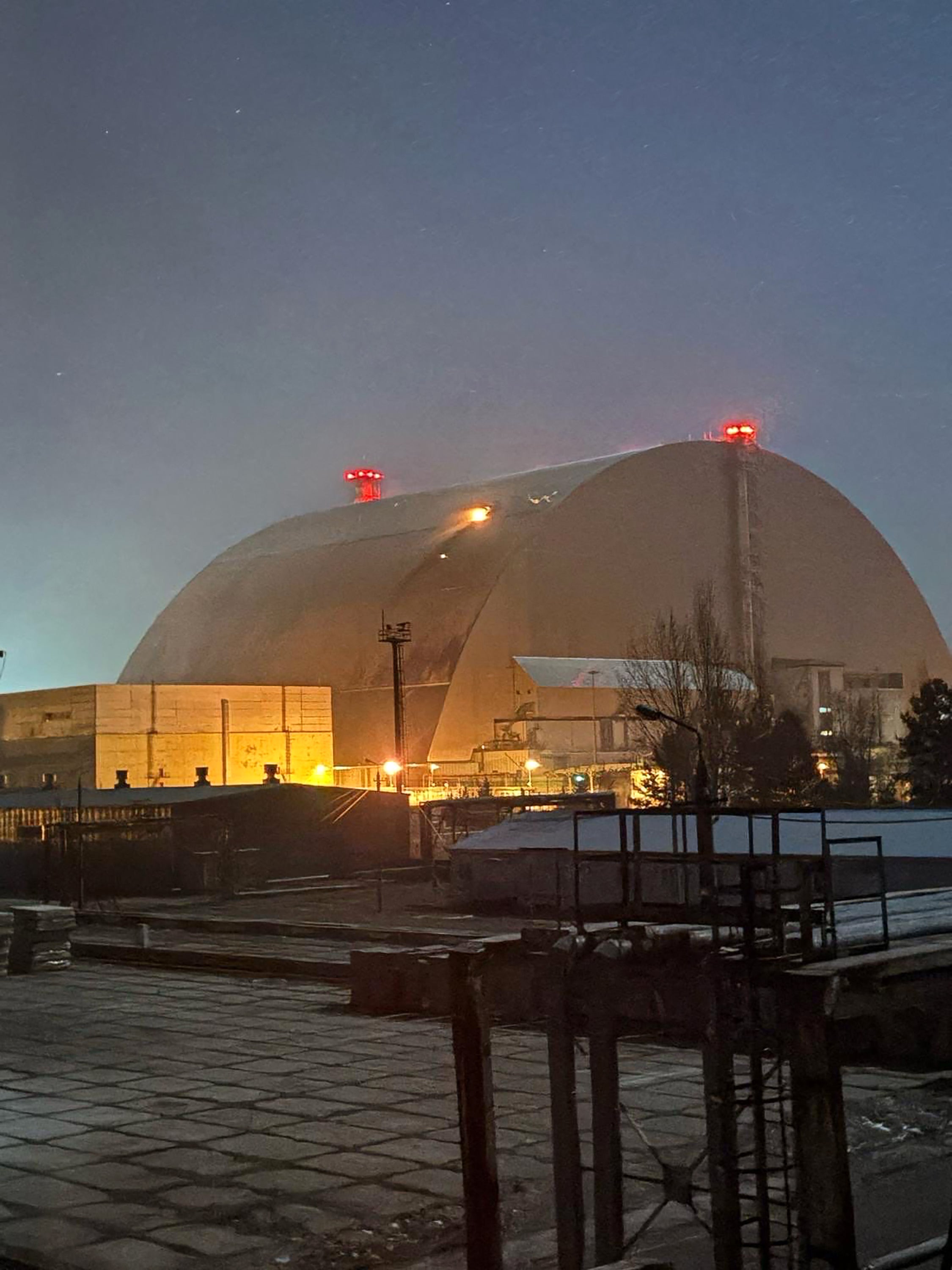
Last year, a Russian drone pierced the protective outer shell around Chernobyl’s reactor number 4, which prevents the release of radioactive contaminants and protects the remains of the destroyed reactor.
Alexandra Bell, the president of the Bulletin for Atomic Scientists, says that 40 years on, the failures by world leaders to engage in dialogue to reduce the multitude of nuclear risks, from nuclear war to attacks on nuclear sites, are a “dereliction and duty in both Washington and Moscow”.
“We are extremely close to any number of potential catastrophes in the nuclear space,” she says, accusing Moscow and other world leaders of having “not learned the necessary lessons about the potential dangers” and “putting ourselves in a position to potentially repeat that catastrophe [in Chernobyl]”.
 open image in gallery
“What we're seeing right now is not a lack of understanding among policymakers around the world about the potential dangers, it is a lack of urgency and will to take on these challenges.”
Zaporizhzhia at the heart of the nuclear risk
An attack on Zaporizhzhia would “potentially lead to infrastructure failure, if not a meltdown”, Ms Bell, who formerly served in several nuclear-related roles in the US government, tells The Independent.
“It’s astounding that they would take such actions against a facility that could cause quite a dangerous accident.”
 open image in gallery
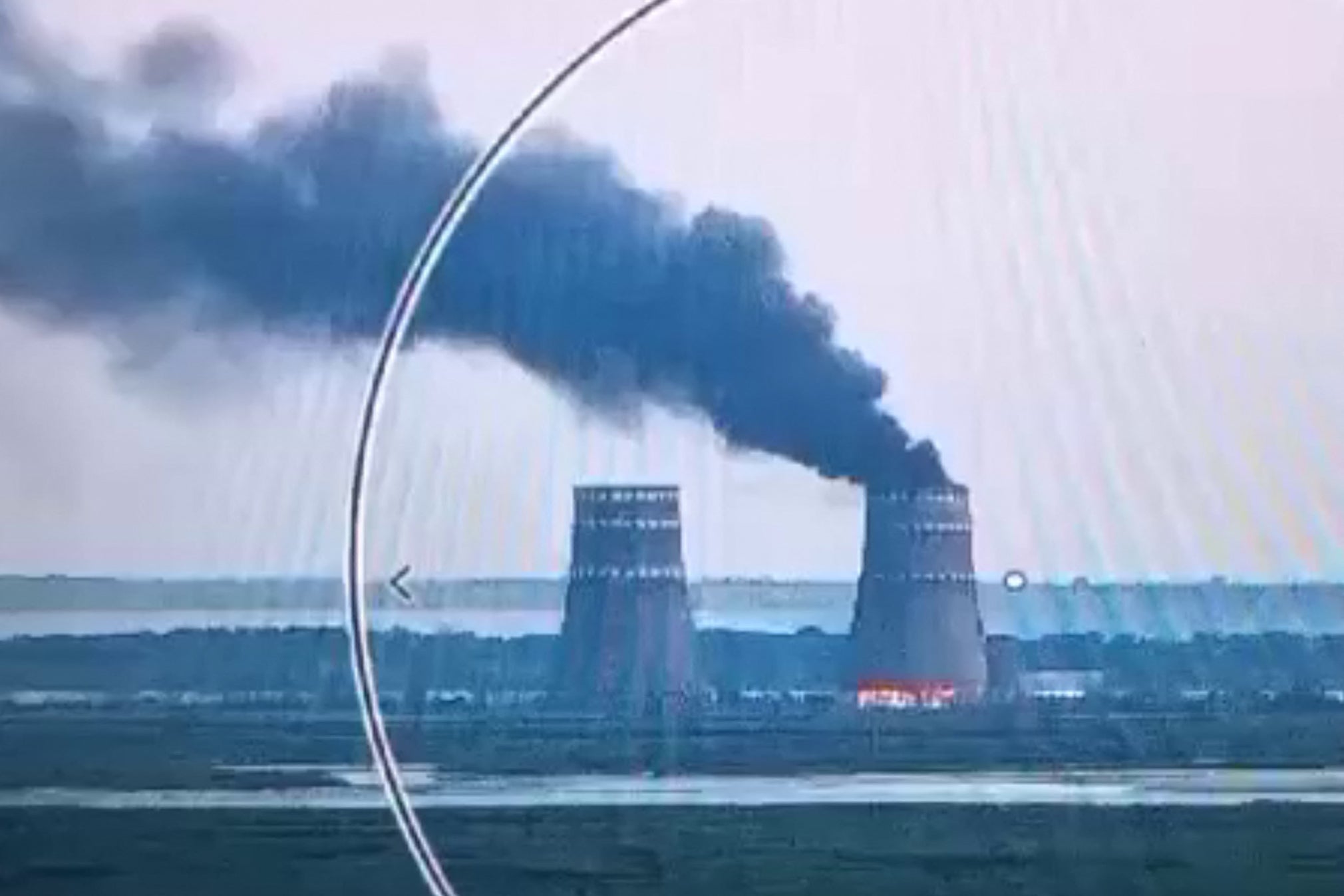
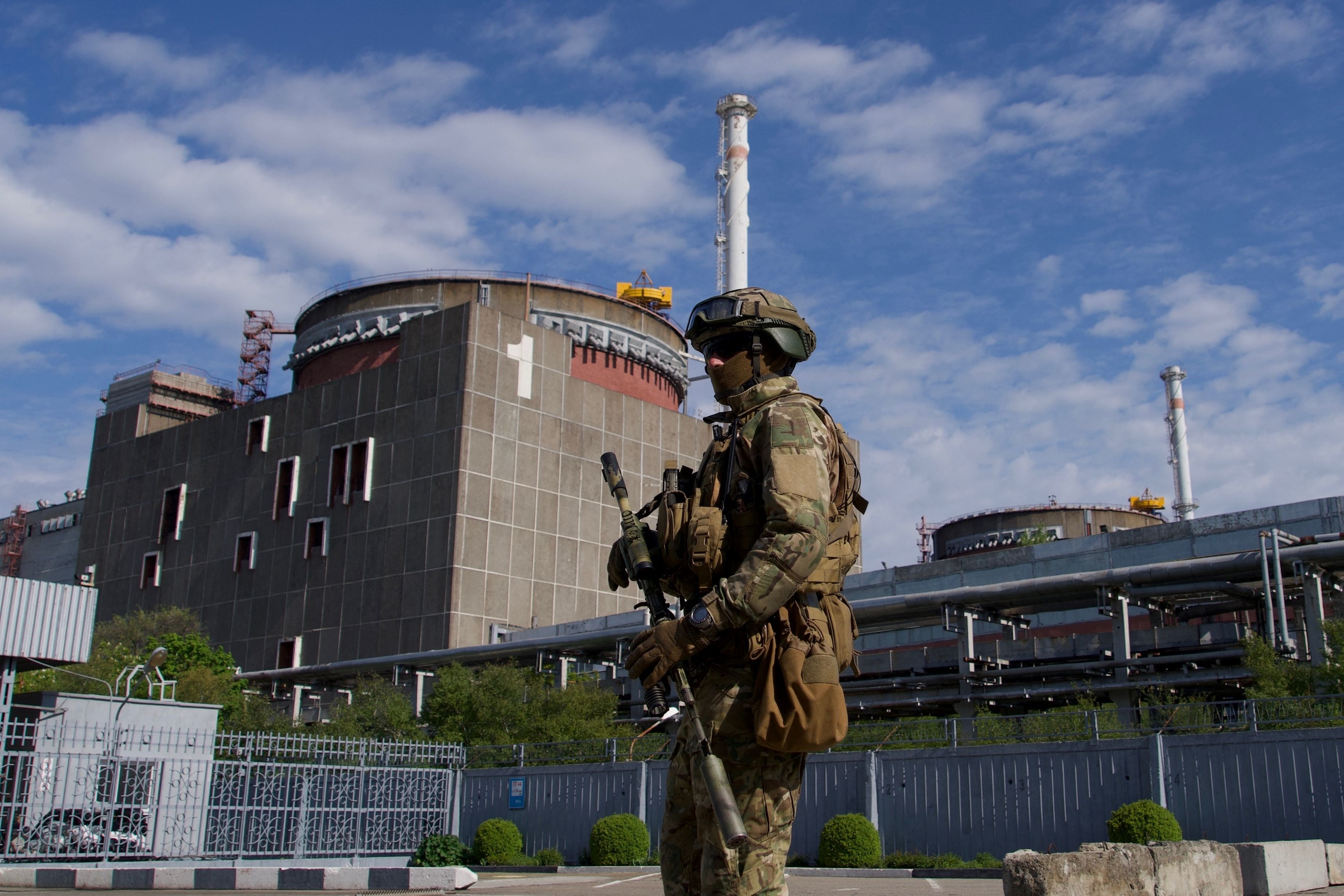
They have occupied the Zaporizhzhia Nuclear Power Plant since 3 March 2022, when they attacked Ukrainian troops in a battle which saw both the outer shell of reactor number 4 and a transformer at reactor number 6 struck by gun and artillery fire.
Experts and watchdogs have warned that a collapse in safety maintenance at the plant, including ineffective regulation and a hugely reduced workforce, makes the Zaporizhzhia plant a safety risk.
Mr Kholosha, who is now the president of the Ukrainian Nuclear Society (UkrNS), was working onsite when the power plant exploded in 1986. He has since worked in ministerial roles for nuclear protection in the Ukrainian government.
He warns that Russia’s actions around Zaporizhzhia threaten to cause direct damage to the facility, which could cause an “uncontrolled radiation release”. This, he says, would pose a “lethal threat not only to Ukraine but to all neighbouring states”.
 open image in gallery
All six of the plant’s reactors are currently turned off. Although this reduces the risk of a major disaster, experts and campaigners still warn that the situation is highly concerning.
Despite being shut down, Zaporizhzhia requires a continuous power supply for its safety functions to work, which has been lost several times. Necessary maintenance and repairs required at the plant are not being done, Mr Kholosha warns, causing a gradual failure of vital equipment.
The plant is also highly understaffed, with most workers from Russian facilities rather than Energoatom, the Ukrainian state nuclear company which operated the plant before Russian occupation.
Mr Kholosha says the Zaporizhzhia site and its power units have been mined with explosives, significantly increasing the risk of an accidental or intentional explosion.
Moscow, along with its nuclear state corporation Rosatom, has also made clear its plans to connect the plant to the Russian electricity system.
 open image in gallery
“Rosatom must be prevented from trying to restart one or more of the reactors,” says Shaun Burnie, senior nuclear specialist at Greenpeace Ukraine.
“The overall priority of the international community, European governments, and the IAEA must be to end Russia’s illegal occupation of the Zaporizhzhia nuclear plant – they must not be permitted to retain control of the plant under any circumstances.”
A new nuclear age
Mr Kholosha’s entire life has been inextricably linked with Chernobyl.
Forty years on, his fears of a repeat of the world’s worst nuclear accident have increased. At the heart of these concerns are world leaders who, he says, appear far more ready to engage in nuclear threats than deescalation.
“We are seeing a dangerous lowering of the threshold for nuclear blackmail. When leaders openly threaten the use of nuclear weapons, it undermines the global system of deterrence,” Mr Kholosha says.
In Ms Bell’s view, we are entering a new nuclear age, one in which world leaders are making no active efforts to reduce the risks posed by nuclear weapons and attacks on nuclear facilities.
The Doomsday Clock, a measurement by the Bulletin of Atomic Scientists of how close the world is to the man-made destruction of the planet, was placed at 85 seconds to midnight in January 2026. This is the closest the clock has ever been set, since the Bulletin was founded by scientists including Albert Einstein and Robert J Oppenheimer.
 open image in gallery
“We've seen dangerous periods in our history over and over again, but we've also seen leaders take the effort to reduce these risks even despite the difficulties of making agreements with adversaries,” Ms Bell says.
“Every time the clock has turned back, which it has many times in its history, it has been because there's been a public demanding action from leaders and leaders empowering experts to find ways to reduce risks and eventually eliminate them.
“Even at the darkest days of the Cold War, we were always talking about strategic stability, about nuclear risks. We don't see any of that right now,” she adds.
Join our commenting forum
Join thought-provoking conversations, follow other Independent readers and see their replies
CommentsСхожі новини
Скільки ще нам будуть нав’язувати це мовчання: "Калина" про повернення з полону бійців "Азова"
Російські удари по Херсонщині: семеро поранених, у Херсоні знеструмлені два райони
Росіяни били по двох районах Дніпропетровщини: шестеро поранених, зокрема двоє дітей