Priest accused of using info from confessional booth to push mentally ill tenant out of rent-stabilized apartment
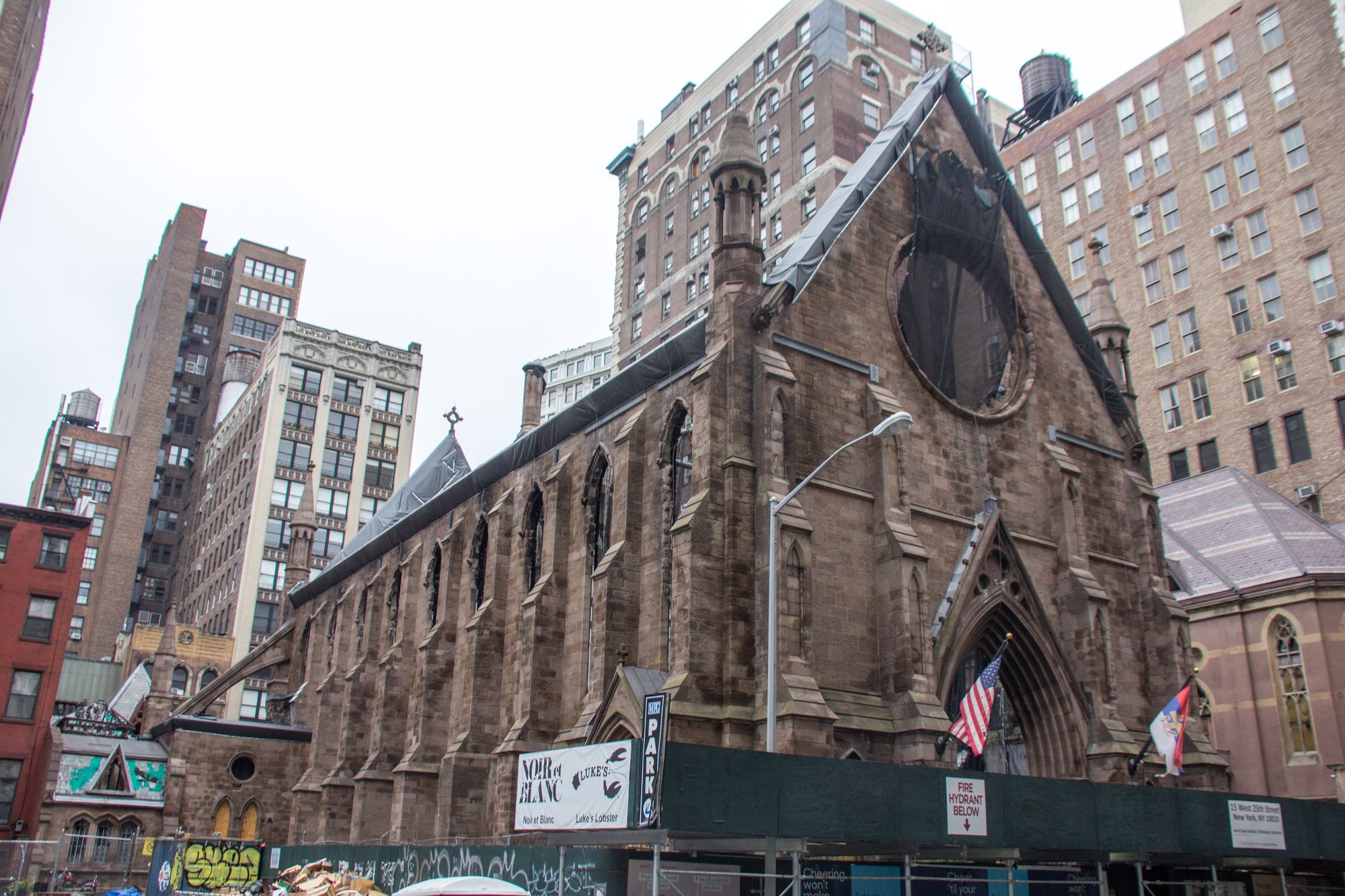
A New York City woman in the throes of a psychotic episode was forced out of her rent-stabilized apartment after her priest allegedly used information against her that she revealed during a confessional, according to court documents reviewed by The Independent.
In a 14-page civil complaint filed May 22, Magdalena Max Avramovich – who is schizophrenic and had lived in the church-owned apartment for nearly three decades – says she didn’t want to leave her home, and had renewed her lease last year, which was not due to expire until July 31, 2027.
“Typically, I only go to Church for major holidays like Easter, and it has been many years since seeking out the sacrament of confession,” Avramovich, 56, wrote in an affidavit submitted to the court alongside her complaint.
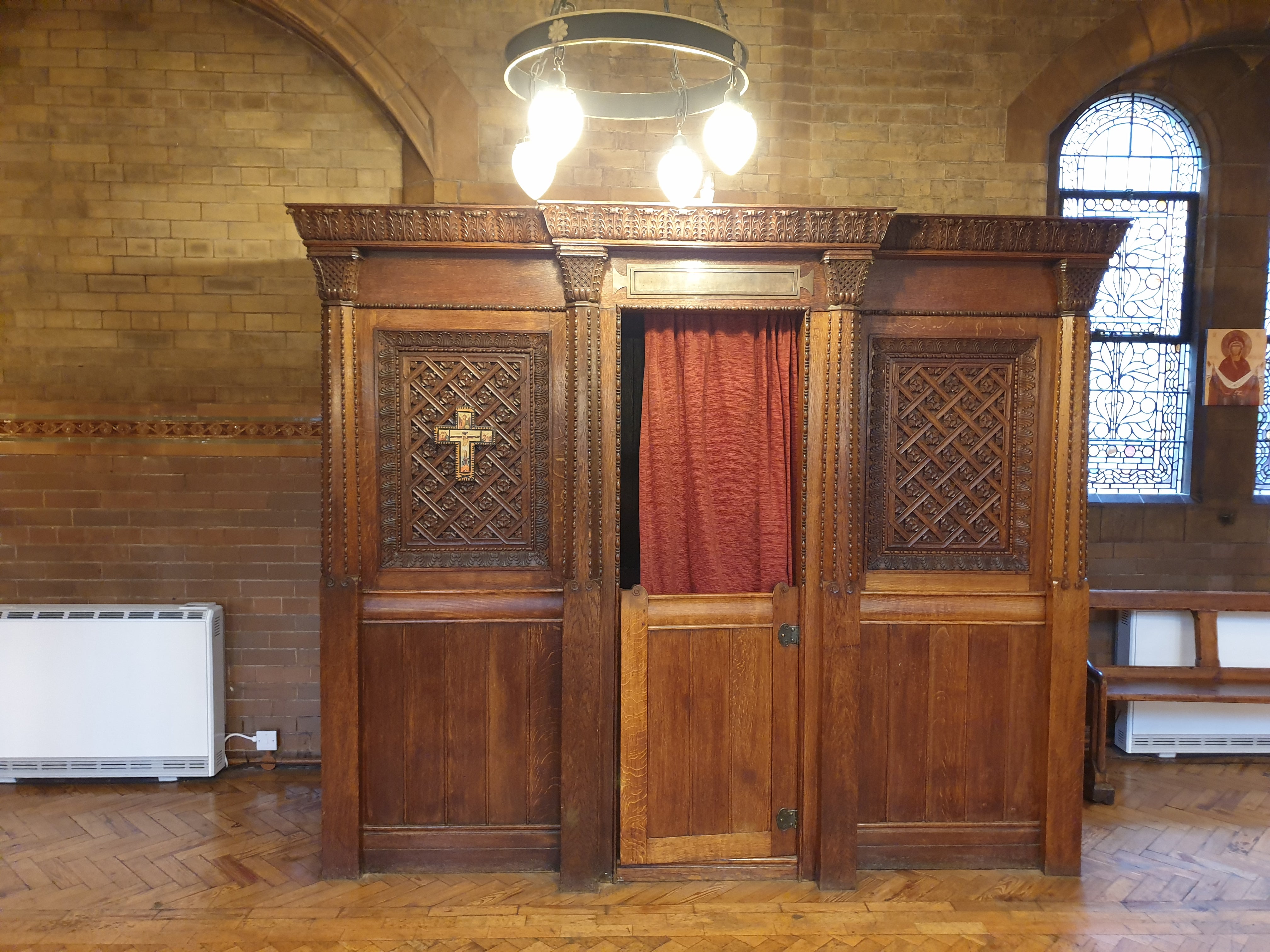
However, after stopping her medication and becoming disconnected from reality, Avramovich, on February 10, texted Father Zivojin Jakovljevic of Chelsea’s St. Sava Serbian Orthodox Church, which owns her building and doubles as her landlord, “seeking confession and a prayer” as she suffered from a mental health episode that led to some rash decisions, including wanting to move, the affidavit states. She met with Jakovljevic that afternoon.
“He formally took my confession, wherein I sobbed uncontrollably about my perceived situation and my paranoid thoughts that I had done something wrong and needed to leave my apartment,” the affidavit explains. “... During the confession, Father Zivojin appeared to console me. The very next day, however, he asked for my permission to share that sensitive information with [the church] board, my landlord.”
On February 14, the church secretary emailed Avramovich a “surrender agreement” to sign, agreeing to relinquish the residence within five days – a move Abramovich’s attorney calls “unconscionable,” “unethical” and “unlawful.”
 open image in gallery
At the same time, under Eastern Orthodox canonical law, the sacramental seal of confession is inviolable and a priest who violates it faces excommunication.
Jakovljevic and the church board did not respond on Wednesday to requests for comment.
Avramovich, who has a “history of mental health issues,” moved into her rent-stabilized apartment in February 1998, she says in her affidavit.
Rent-stabilized apartments in New York City are extremely desirable, and not easy to find. The law applies to certain apartments built before 1974, and provides tenants with additional protections against large rent increases and eviction.
Avramovich was fine for a long while, until 2004, when she was taken to Bellevue Hospital and admitted for a month of inpatient treatment after experiencing a psychotic episode, the affidavit goes on.
“It was at this time that I was first diagnosed as schizophrenic, although stress-induced psychosis has been the term used more recently,” the affidavit states. “Since that time, I have been seeing a psychiatrist who has managed my diagnosis and symptoms, with a combination of antipsychotic medication and psychosocial therapy.”
By October 2024, Avramovich had not had an issue in many years, and her symptoms were under control, the affidavit continues. It says she and her doctor discussed switching her meds, to avoid certain side effects Avramovich found difficult to tolerate, such as a low white blood cell count. So, that month, she began taking a new medication, which “slowly impacted my symptoms,” according to Avramovich’s affidavit.
When February 2026 rolled around, Avramovich, who is a U.S. citizen but whose mother lives in Serbia, began to descend anew into psychosis, which she says “utterly affected my decision making.”
 open image in gallery
Following what court filings call “a stressful work-related event,” Avramovich in February 2026 began to descend anew into psychosis. At this point, she started to experience “irrational and paranoid thoughts” that, in the span of one week, led her to quit her job, give away her belongings and buy a plane ticket to Serbia.
“My psychosis concocted paranoid stories surrounding my family, and the need to remove myself from my apartment and leave the country in some nonsensical attempt at helping them,” according to Avramovich’s affidavit, which says she was always on time and up-to-date on her below-market monthly rent of $1,540.83.
By February 7, Avramovich was spiraling. She called out of work and never returned, her affidavit says. Three days later, she contacted Jakovljevic and he took her confession, during which Avramovich – who was in a floridly unwell frame of mind – said she wanted to give up her apartment and move to Serbia, but would have no way of supporting herself there, according to the affidavit.
Jakovljevic was kind and reassuring, then soon asked if he could tell the church board, the building’s owner, what she had said in the confessional booth about vacating her home, the affidavit states.
“Inadvisedly, I assented and said I would have more specific details in a few weeks,” it contends.
Avramovich soon had another appointment with her psychiatrist, and that night booked a flight to Belgrade set to depart February 19, less than a week later, the affidavit says. In the meantime, the church secretary emailed Avramovich, who had renewed her lease months earlier, a surrender agreement for the apartment, according to the affidavit. Unable to understand what she was looking at, Avramovich signed the surrender agreement and sent it back, the affidavit states.
“For the next six days, I made more impulsive and irrational decisions,” it maintains. “I left much of my furniture and kitchen appliances behind. I donated some belongings to the Church and gave others away to friends. I do not even have Serbian citizenship. I did not know how I planned to find a job, apartment, or route to citizenship in that country.”
 open image in gallery
Once she had been in Belgrade for a few weeks, spending time with her mother and brother, who was also visiting, Avramovich’s paranoid delusions began to fade, her affidavit says. Once she returned to reality, she understood that remaining in Serbia was untenable, and that she “needed to fight for my residence and to get my life back.”
On April 5, Avramovich returned to New York City and hired a lawyer.
“I do not recognize the decisions I made in February,” Avramovich claims in her affidavit. “I feel ashamed and taken advantage of.”
She says she “believed I had a decent relationship with members of the Church prior to receiving the surrender agreement, but I now see how flawed it is for a religious entity to be my landlord, and at the same time to take my confessions, and use the confidential information obtained during the confession to cajole me into signing an out-of-court surrender… without consideration.”
Avramovich says she now realizes how strange her behavior was in the confessional booth, and that Jakovljevic was “aware, or should have been aware of my vulnerable state, and that I did not have the requisite contractual capacity to sign away my 28-year rent stabilized home.”
According to the complaint filed by her attorney, the “confidential relationship” between Jakovljevic, a priest, and Avramovich “exemplifies… undue influence and manipulation” for the church’s own benefit.
“This out-of-court surrender agreement prepared by Defendant is unconscionable,” the complaint states, and seeks a court order declaring it void and unenforceable.
Avramovich has since restarted her medication and has returned to a semblance of stability, according to her affidavit. She is now living in a temporary place she found on the internet, it says.
St. Sava Serbian Orthodox Church now has roughly two weeks to file a formal response to Avramovich’s allegations.
Схожі новини

Cow sacrifice not essential to Bakrid: Madras High Court orders statewide ban

They owe it to us: Trump hinges Iran deal on Gulf states joining Abraham Accords

Chris Gayle crowns Vaibhav 'new six machine' after breaking iconic IPL record