Pakistan in the middle: What benefits and risks from US-Iran mediator?

One of your browser extensions seems to be blocking the video player from loading. To watch this content, you may need to disable it on this site.
Try again
Issued on: 29/04/2026 - 20:11
42:47 min Share Play (42:47 min) From the show Reading time
1 min
Reading time
1 min
There are those who want the US and Iran to settle and those who want regime change. Among the latter, there’s Israel of course and then there’s the United Arab Emirates who’ve signaled OPEC’s cautious response as a reason for quitting the cartel. The end of OPEC? How will its biggest producer Saudi Arabia respond? The Emirates also seem to have it in for Saudi ally Pakistan, suddenly demanding the immediate reimbursement of a 3-and-a-half billion dollar loan from the cash-strapped facilitators of US-Iran mediation efforts.
How did Pakistan emerge as a central player? What are the benefits and risks when you raise your hand to facilitate dialogue between sworn enemies, particularly when one’s your neighbor and the other's a global superpower that can scuttle an IMF bailout if relations sour? At the heart of it all is the powerful chief of the military, Field Marshall Asim Munir. He knows Iran well from his time as head of intelligence and has infuriated India by ingratiating himself with Donald Trump. But what if the US president turns out to be a fair weather friend? And can the art of the deal bring down prices at the pump for ordinary Pakistanis left reeling by the blockade in the Strait of Hormuz?
Produced by François Picard, Rebecca Gnignati, Juliette Laffont, Ilayda Habip, Charles Wente.
By: François PICARD
Rebecca GNIGNATI
Juliette Laffont
Ilayda HABIP
Charles WENTE
Video by:
François PICARD
Advertising
Related keywords
François PICARD
Rebecca GNIGNATI
Juliette Laffont
Ilayda HABIP
Charles WENTE
Video by:
François PICARD
Advertising
Related keywords
Схожі новини
UAE oil break exposes deepening Saudi rift as Gulf power shifts
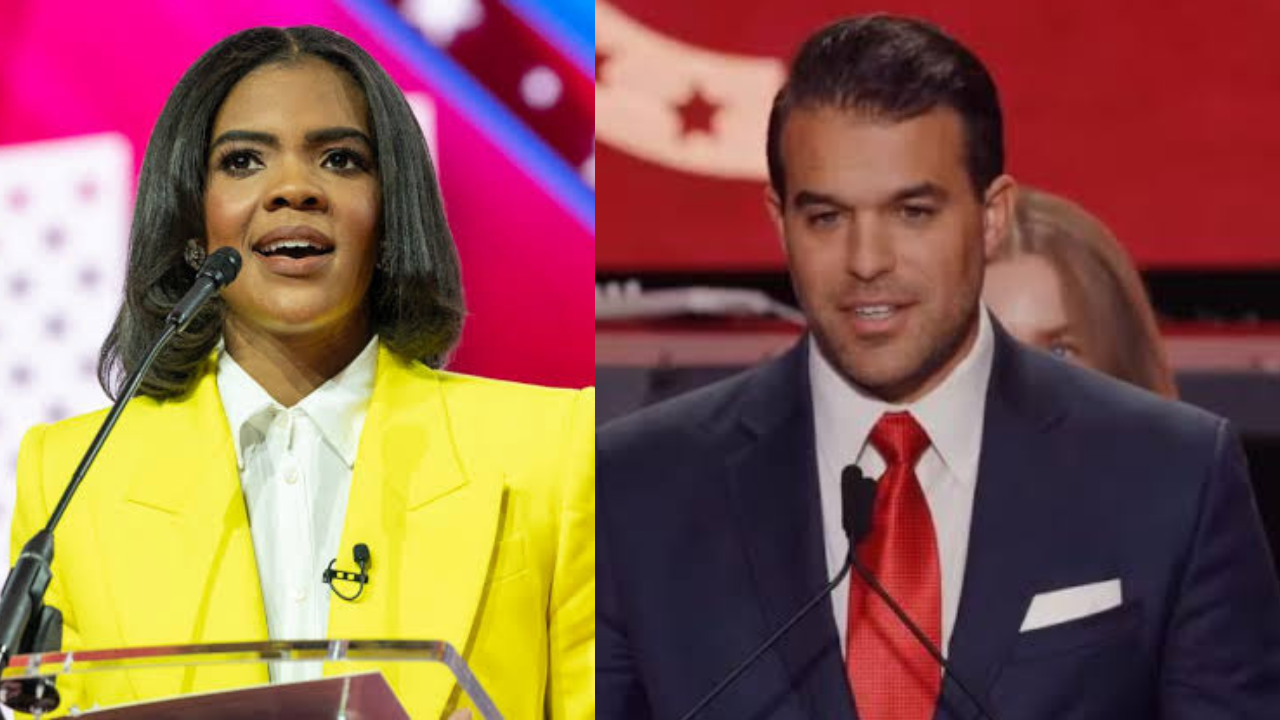
Candace Owens breaks silence after Andrew Kolvet chat leak as Charlie Kirk show clip leaves viewers uneasy