'Our presence on PC isn't strong enough,' Xbox bosses admit
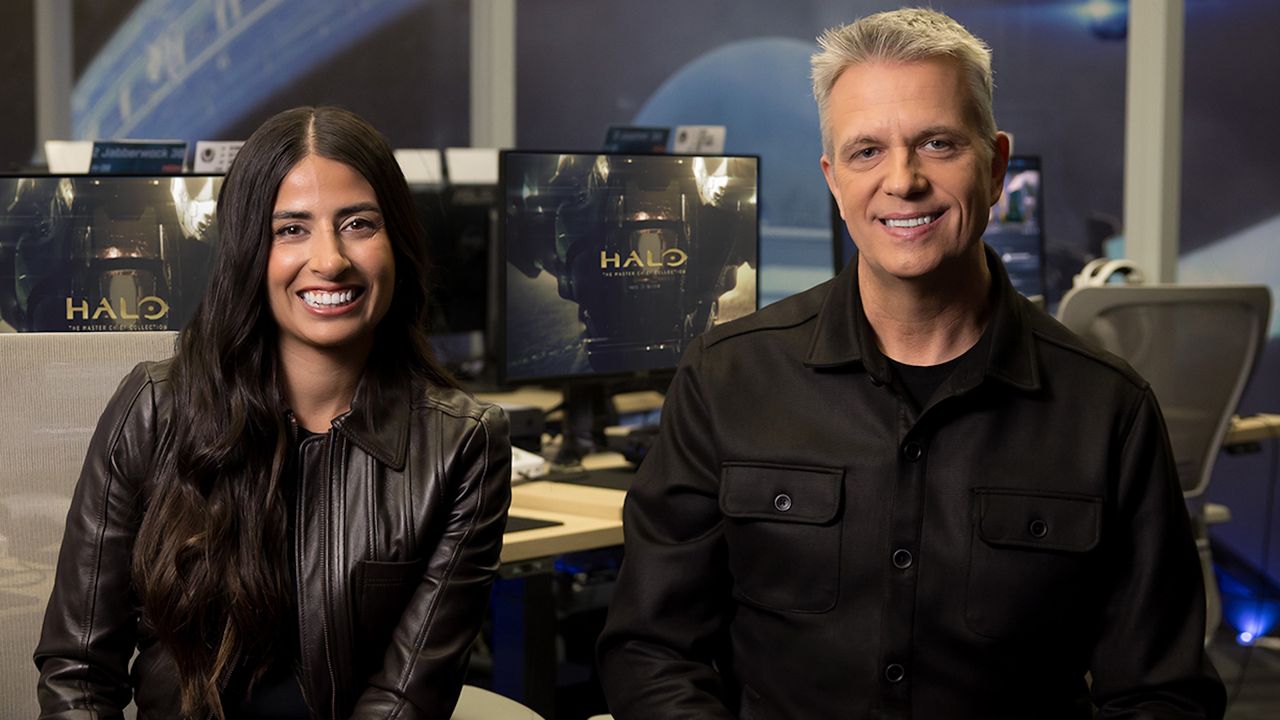
Microsoft Gaming CEO Asha Sharma promised "a renewed commitment to Xbox" when she took over from Phil Spencer in February, and in the months since we've seen some movement on that front: A promise to avoid "soulless AI slop," the end of the "this is an Xbox" strategy, and most recently, a reduction of Game Pass pricing—and the removal of Call of Duty games on day one.
Now, thanks to a joint message from Sharma and newly-installed chief content officer Matt Booty that was sent to Xbox employees and subsequently shared publicly, we have perhaps a tiny little bit of a better idea about where it's all going. Beginning with a name change: Microsoft Gaming, which was adopted in 2022 as an overarching title for Xbox Game Studios, Bethesda, Activision. Blizzard, and King, is out, and to replace it, the old Xbox name has been brought back.
That change is actually noted near the end of the post, following a lot of words that don't actually say a lot about Microsoft's plan for its future in gaming: "Games should bring people together through shared experiences," and "Xbox will be where the world plays and creates"—the sort of empty, rally-the-troops mush that can simultaneously make your eyes gloss over and your soul rage. Or maybe that's just me.
Still, there are some rather frank admissions of failure to be found in there. Some of it has been expressed previously in the 'we know we have to do better' way, but it's kind of stark when all rolled together as it is here:
"Players are frustrated. New feature drops on console have been less frequent. Our presence on PC isn't strong enough. Pricing is getting harder for people to keep up with. And core experiences like search, discovery, social, and personalization still feel too fragmented. Developers and publishers are asking for more, too: better tools, better insights, and a platform that helps them grow faster."
There's also a nod to the proverbial "War for Attention" that's become a popular thing to wring hands over in 2026 and "a new generation of players" who "expect more content in familiar places, want to shape the worlds they play in, and want to create and socialize together, not just play together."
The trouble is that while there are certainly challenges a-plenty, most of what it offers in the way of solutions to these challenges are vague promises and platitudes. To wit:
"Xbox will be built to be affordable, personal, and open. We will offer flexible pricing so it's easy to get started and keep playing. The experience will adapt to you, letting you customize how you play, helping you find what you'll love, and connecting you with the right people. And we will be open to all creators, from individuals to the largest studios, giving anyone the tools to reach a global audience and keep their games growing over time.
It's interesting, though, that underneath all that muck is a tacit acknowledgement that PC may be where the future lies. The admission about Xbox not being "strong enough" on PC is obviously telling (and also conjures memories of Microsoft's long history of half-assing its approach to PC gaming), but there's also a deeper segment dedicated to broader PC-driven shifts in the industry.
"Windows now represents more players and more hours and is increasingly where competition is most intense. Players have access to more games than ever, even as the cost and time to build blockbuster titles continues to rise, putting pressure on what gets made and how risk is taken. Some of the biggest recent hits are coming from small teams or even single creators, and places like Roblox are producing experiences that rival major franchises in scale. More players are also choosing subscriptions and services as their primary way to play, with expectations set around instant access, ongoing value, and libraries that evolve continuously."
That part of the memo brings to mind comments made by Google Cloud global director for games Jack Buser, who said in a recent interview that "the only real growth [in games] is coming from Roblox and China." His proposed solution is to go all-in on AI-powered game dev, which—allowing for conversations about how exactly we define "AI"—I think is a terrible idea. But while Sharma promised to steer clear of "AI slop," AI in some sense will, inevitably, play a role in the future of Xbox: The memo says Xbox leadership "will reevaluate our approach to exclusivity, windowing, and AI, and share more as we learn and decide."
And yes, it sounds like games-as-platforms are going to take a more prominent role in Microsoft's plans as well: An oddly isolated line in the memo states that "our new north star will be daily active players."
I can't say the memo gives me any more, or less, hope for a successful future for Xbox than I had yesterday. Microsoft remains the underdog on the console front, and it's never been able to convert its operating system dominance into success in the world of PC gaming. All that can be turned around, sure, but it will take serious time and effort, at a juncture where Microsoft seems to have its mind on other things: The company also launched an early-retirement buyout program for employees today, the first in the company's history, as it continues to focus on AI.
Others are more upbeat about it, though: Industry analyst Mat Piscatella, for one, called the memo "excellent" and said it sets "a strong foundation and a vision for the future."
This is excellent.The read on the current market is spot on. The goals are made clear, and the tactics laid out.It's no guarantee for success, but it does set a strong foundation and a vision for the future.news.xbox.com/en-us/2026/0...
— @matpiscatella.bsky.social (@matpiscatella.bsky.social.bsky.social) 2026-04-23T23:56:41.747Z
Whatever your take on it, at this point it doesn't seem that Sharma—herself a former AI executive at Microsoft—is quite the "palliative care doctor who slides Xbox gently into the night," as original Xbox co-creator Seamus Blackley predicted when she took over from Spencer. At the very least, Microsoft is making a lot more noise than you'd reasonably expect if it was actually looking to pull the plug on Xbox.
The issue for now is that while this memo admits that a lot's gone wrong, it doesn't have much of substance to say about how it will be fixed. And without that, it really doesn't say anything at all.
2026 games: All the upcoming games
Best PC games: Our all-time favorites
Free PC games: Freebie fest
Best FPS games: Finest gunplay
Best RPGs: Grand adventures
Best co-op games: Better together
Схожі новини
China's DeepSeek launches preview of new AI model
Meta, Microsoft purge jobs amid AI build-up
Inside Xiaomi's Beijing factory: The machine behind a smartphone made every 6 seconds
