Once dismissed as weeds, native plants are now flying off the shelves
Renee Costanzo cranked on the rusty pulley with both hands, watching the greenhouse roof creak open in sections. A breeze of spring air swept over 12,000 seedlings lined up in plastic trays in the Kilbourn Park greenhouse.
Costanzo, the Chicago Park District’s only full-time employee at the northside greenhouse, spearheads a months-long effort to grow more than 15,000 plants, including vegetables, greens, and flowers, to get them ready in time for the Kilbourn Park’s annual plant sale.
The massively popular sale, which took place earlier this month, typically draws upwards of 1,100 people every year, with local gardeners lining up around the park waiting to snatch up plants at $4 a piece. But this year, attendance broke records — over 2,300 shoppers turned out.
“We generally start these annuals at the end of February,” said Costanzo, pointing to rows of popular annual flowers like zinnias, marigolds, and geraniums, which provide bright blooms all summer long before dying at the end of the season. “So we’ve been coddling and loving these babies for months now, and we just want to get them into happy homes.”
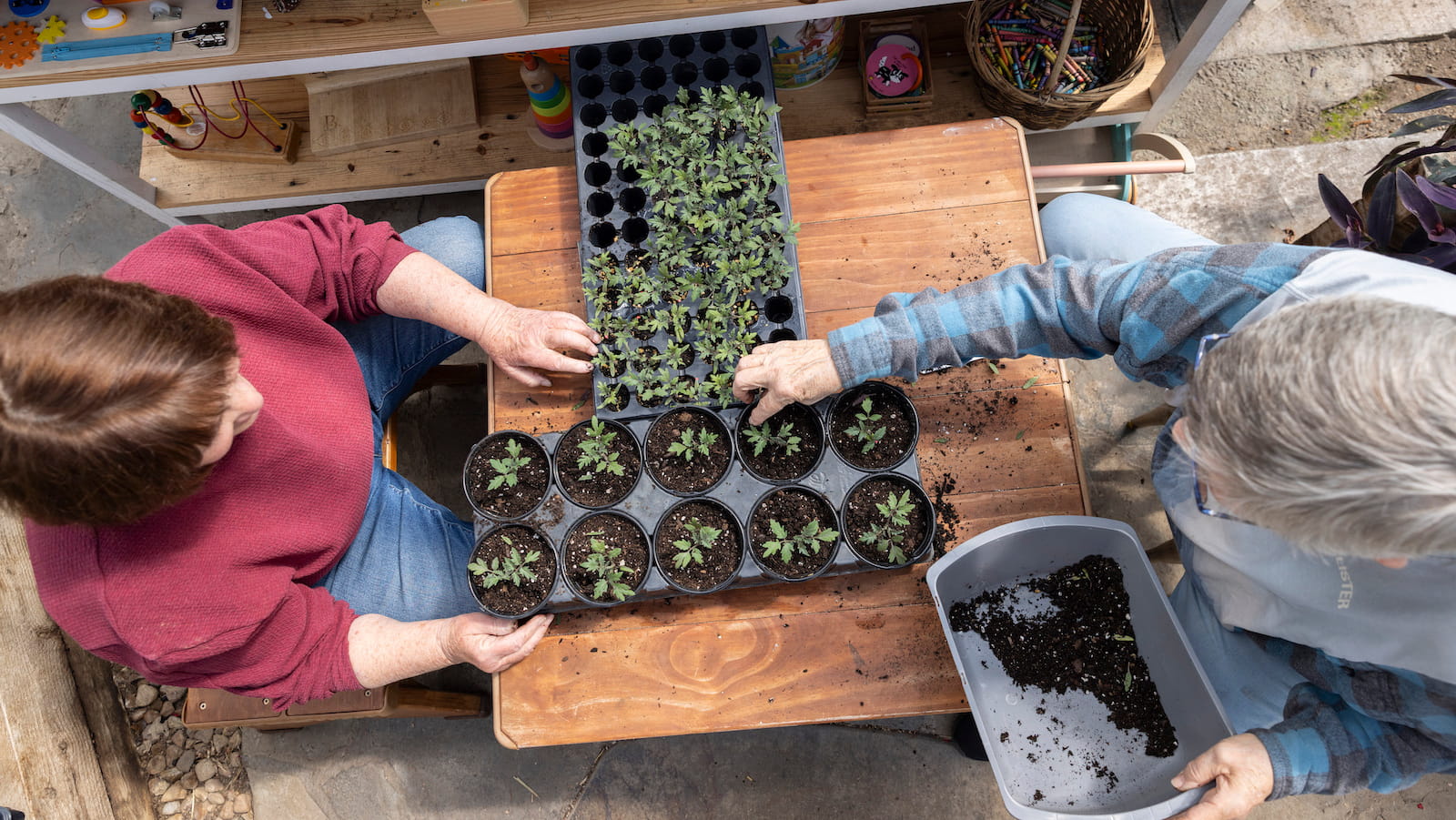
For decades, Chicago gardeners flocked to the Kilbourn Park sale to pick up tomatoes, cucumbers, and some annuals — the standard starter kit for backyard gardeners. But this year, the park responded to a relatively new demand: Nearly 1 in 5 plants for sale are native plant species that have adapted to the local climate and wildlife and are generally low maintenance.
“Just in the last five years, people have asked for more natives, which is why we’ve been increasing our production,” said Costanzo, who experimented with 30 different native species in November ahead of the plant sale this year.
For a long time, native plants were seen as little more than weeds, but their value has grown significantly in recent years. Other local plant sales across Chicago and the country are incorporating native species at a pace surprising to even veteran horticulturalists who remember a time when they couldn’t give them away.
“I’ve watched this for 44 years, from almost zero to now,” said Neil Diboll, the president of Prairie Nursery, a Wisconsin-based nursery dedicated to growing and shipping native plants across the country.
“It’s not a fad,” Diboll said. “This is a long, steady climb.”
Last year, Diboll said his nursery experienced a 7 percent increase in native plant sales. This year, they’re shipping out about 500,000 plants and even more seeds. Back in 1982, when Diboll first started selling plants, business was tougher: The company grossed just over $13,000. These days, he said, “you can add a few zeros on there.”
That relatively new mainstream demand has been driven, in part, by concerns about dramatic declines in insect species and climate change-powered extreme heat, drought, and flooding. The caterpillars of the Monarch butterfly, for example, depend on native milkweed as a food source. But as land use patterns have changed, local milkweed species have disappeared, leading to recent declines in Monarch populations.
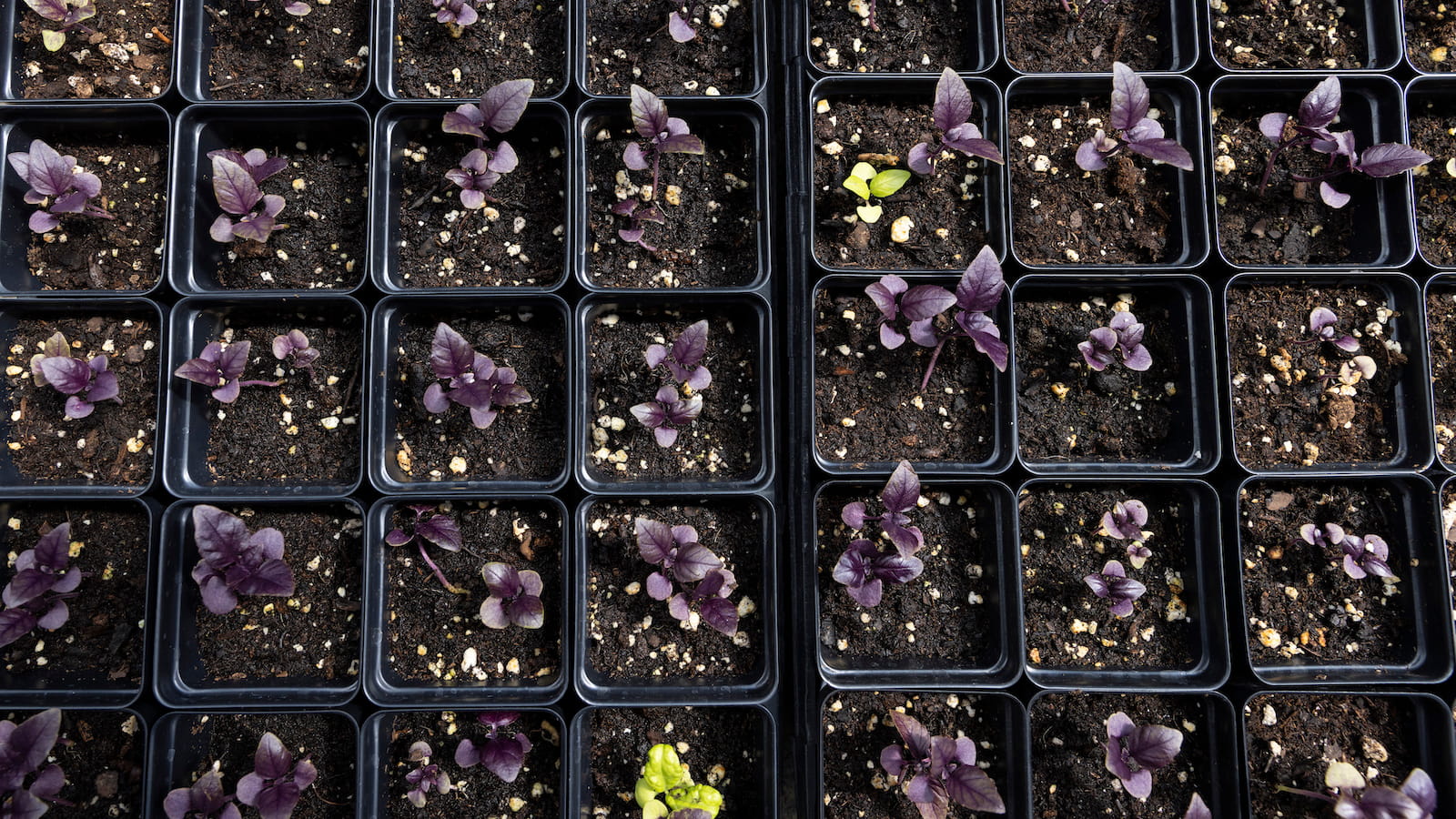
“Native plants have been adapting to change for thousands of years,” said Tiffany Jones, who leads habitat education throughout the Great Lakes region for the National Wildlife Federation. “They need less water, less maintenance, and they’re incredibly resilient — not to mention they help flood prevention with their deep root systems and provide habitat for all kinds of crucial species and pollinators. They’re practical and beautiful.”
In Minnesota, Becky Klukas-Brewer, co-owner and head of marketing and sales at Prairie Moon Nursery, a popular native plant nursery, said the Midwest greenhouse is shipping more plants and seeds than ever before. “In the last seven years, we have seen a 350 percent increase in sales, which is pretty awesome,” said Klukas-Brewer. At the same time, the 44-year-old nursery has seen its orders triple. She credits that success, in part, to the growing number of local plant sales across the country, drumming up interest in ecologically-minded gardening.
For nearly 50 years, Wild Ones, a national nonprofit, has been educating the public about the benefits of reintroducing native plants back into their habitat. What started as a gardening club in Milwaukee, Wisconsin, has ballooned into a nationwide organization with over 14,000 gardening enthusiasts putting on plant sales, seed giveaways, and exchanges. The group has also been noticing an uptick in native plant sales.
Over 110,000 native plants were sold last year through the organization’s 107 plant sales last year, according to Josh Nelson, development director with the Wild Ones. He added that another 40,000 native plants were distributed as part of the group’s various programs.
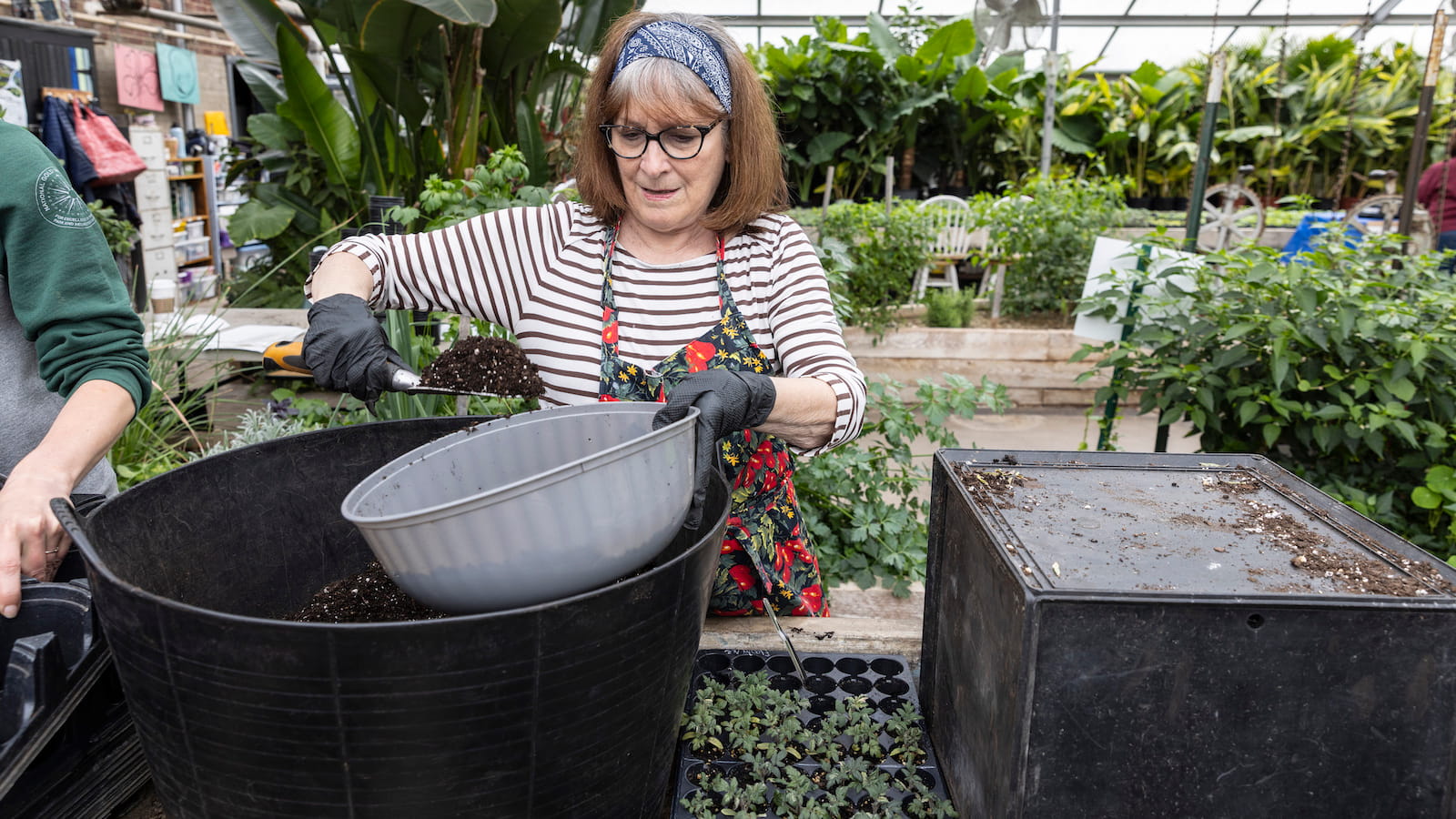
As the native plant business continues to grow, the annual Kilbourn Park plant sale is helping meet some of that demand. To make it happen, a team of local volunteers came out on a weekly basis over several months to help sort, pot, and move seedlings.
“It’s completely worth it,” said Lourdes Valenzuela, a retired schoolteacher who has volunteered at the north side plant sale for 12 years. Valenzuela is part of the Friends of Kilbourn Park Greenhouse, a dedicated group of local volunteers who fundraise to help expand the resources at the nursery. With help from funds collected at previous plant sales, they’ve been able to buy benches, a shed, and even a patio — increasing the footprint of the educational center. The goal this year was to raise $25,000, about half of the total projected cost, for a new outdoor learning center. But Valenzuela said the plant sale was a huge hit, and they easily surpassed the goal. The Chicago Park District confirmed the sale generated approximately $48,000.
“We literally sold every possible plant, all the compost, lots of baked goods,” she said. “We’re not fighting against the climate here. We’re working with it because it’s what’s native to this area, and they’re beautiful.”
This story was originally published by Grist with the headline Once dismissed as weeds, native plants are now flying off the shelves on May 15, 2026.