'Obviously we love the PC,' Gabe Newell told us 15 years ago, but his focus was on 'a responsibility to gamers and game developers'
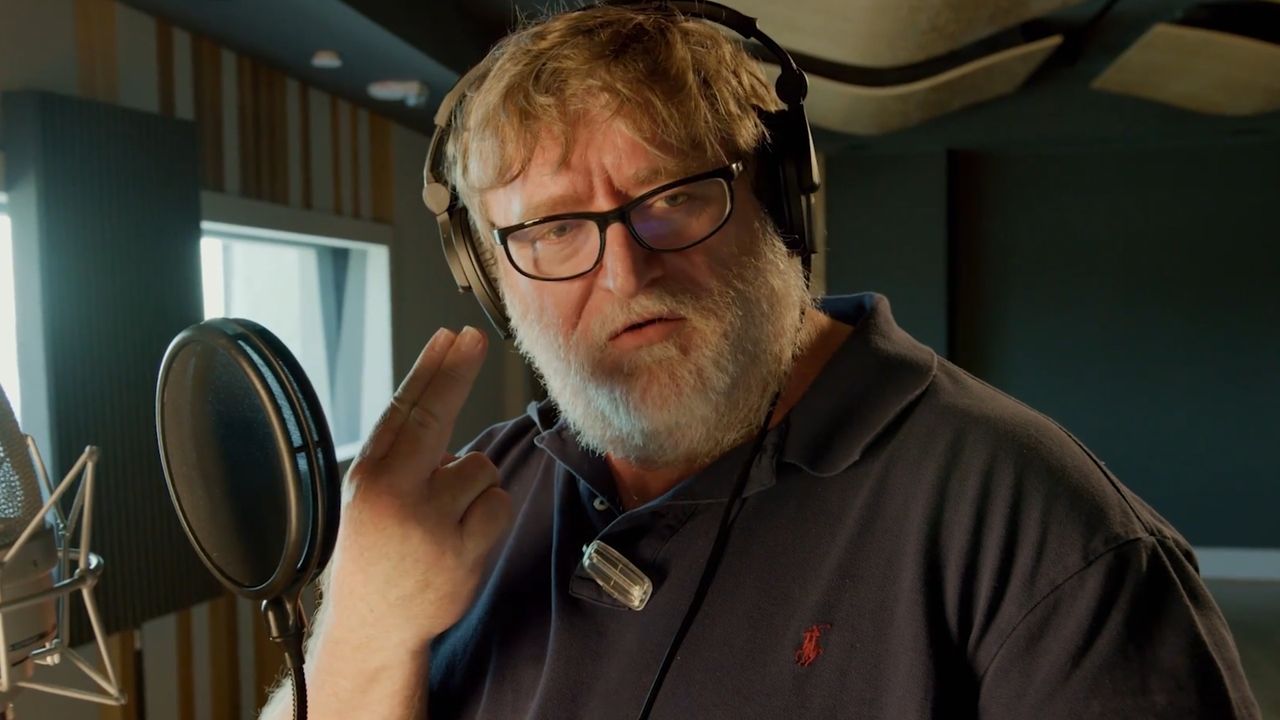
Steam is, by a country mile, the premier power in PC gaming. If you own a PC and play games on it, then it's just about a guarantee you use Steam with some regularity. You might therefore expect that, like Sony with PlayStation and Microsoft with Xbox, Valve would feel obligated to promote and support the PC. But 15 years ago, when Steam was still relatively youthful, Gabe Newell said that's not quite the approach he takes.
"It's a lot easier for me to think of it as having a responsibility to gamers and game developers," the Valve boss told us back in 2011. "It's hard to test being the flagbearer for the PC. It's a lot easier to go out to customers and find out, 'Do you like this? What do you dislike about this? How can we make this better?' So we tend to be a little narrower in terms of how we try to think about what problems it needs to solve."
It's a small but vital distinction, and one that was made necessary to a large extent by what Newell said Valve "loves" about the PC as a platform: Openness, innovation, and the ability to move quickly in ways that consoles cannot. The tradeoff is a lack of standardization and quality control that can be massively frustrating when you're troubleshooting a game that's working fine for everyone else.
But at the time Newell said even that is an advantage in the big picture, and it's one of the main reasons PC gaming was still relevant in 2011, despite the persistent "PC gaming is dying" refrain—and remains so today.
"People like their PCs," Newell said. "There are huge numbers of them and each person gets to have the one that they like rather than the one that someone else has defined for them. There were 350 million PCs sold last year so the economies of scale are tremendous, so you get great value for money."
That sentiment has held true despite several companies over the years, including Google, Microsoft, and Nvidia, pushing cloud streaming as an alternative to owning your own PC. Valve has also broadly stuck to Newell's priorities, too, launching Steam Greenlight to allow for crowd-voted games to release on Steam a year after our 2011 interview. It threw open the doors in 2018 to allow anyone to release a game on Steam, though that hasn't prevented Valve's decisions to reject or delist certain games based on their content from causing significant controversy.
One of the PC's 2011-era selling points in Newell's eyes, "great value for money," is a little bit of a tougher sell these days, what with the ravenous RAM hunger of AI, buttressed by tariff chaos, the war on Iran, and, as always, unchecked corporate greed. Just a few months ago Valve seemed set on a sort of redemption arc for its living room PC initiative, the Steam Machine, after trying and failing to launch a line of Linux gaming machines in 2013. But the company has already acknowledged that the $99 tag on its new Steam controller is "up from where we originally wanted it to be," and it's hard to imagine the Steam Machine won't be following suit.
But on the bright side, console prices are skyrocketing too, so there's no escape there. PC gaming wins again!
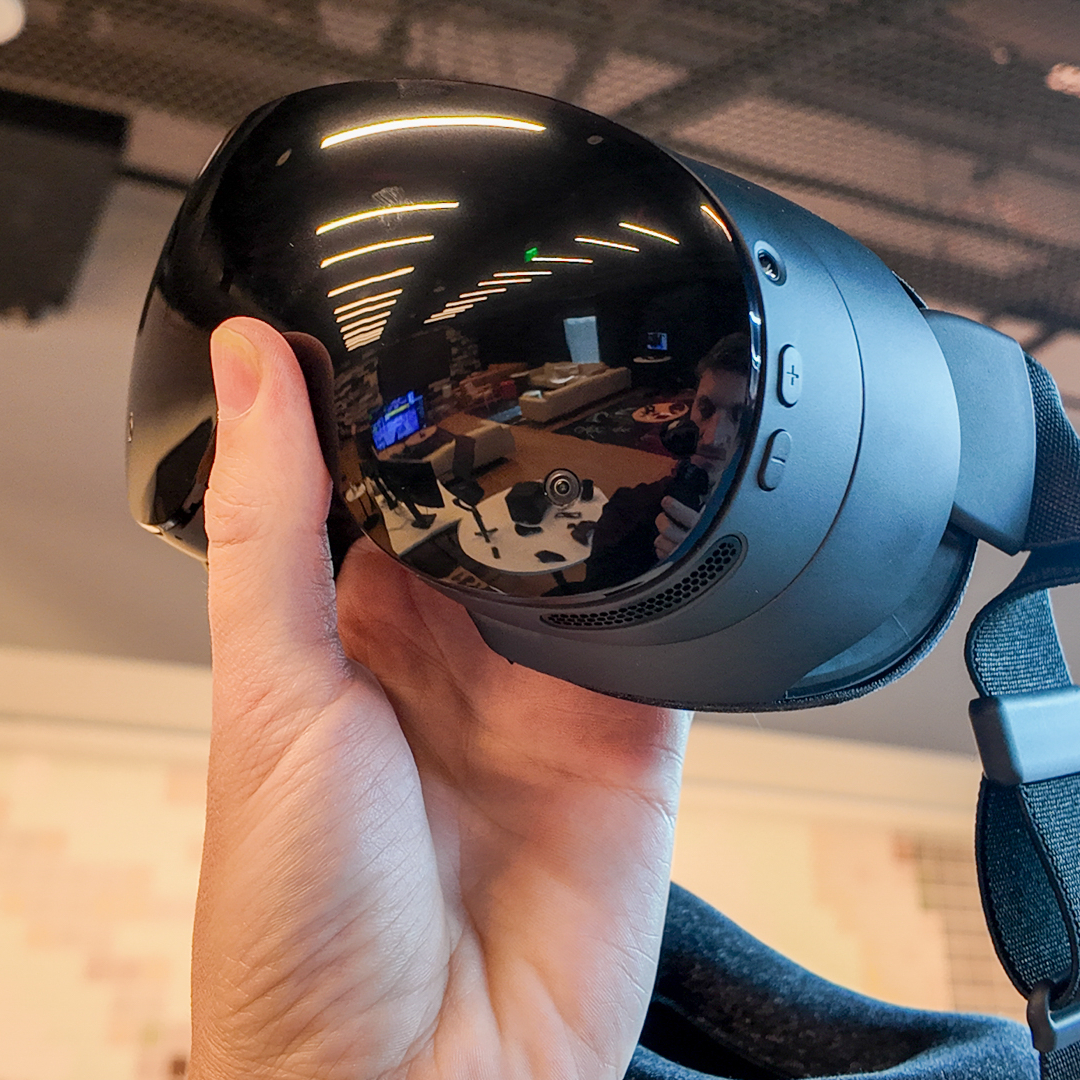
Steam Frame: Valve's new wireless VR headset
Steam Machine: Compact living room gaming box
Steam Controller: A controller to replace your mouse
Схожі новини

В Україні викрили шахрайський кол-центр, який видурював кошти у військових

По Харкову вгатили БпЛА: є пожежі та інші наслідки у кількох районах міста
All Videos And How To Get Them In Tomodachi Life: Living The Dream
