Nikon Action 16x50 binoculars review
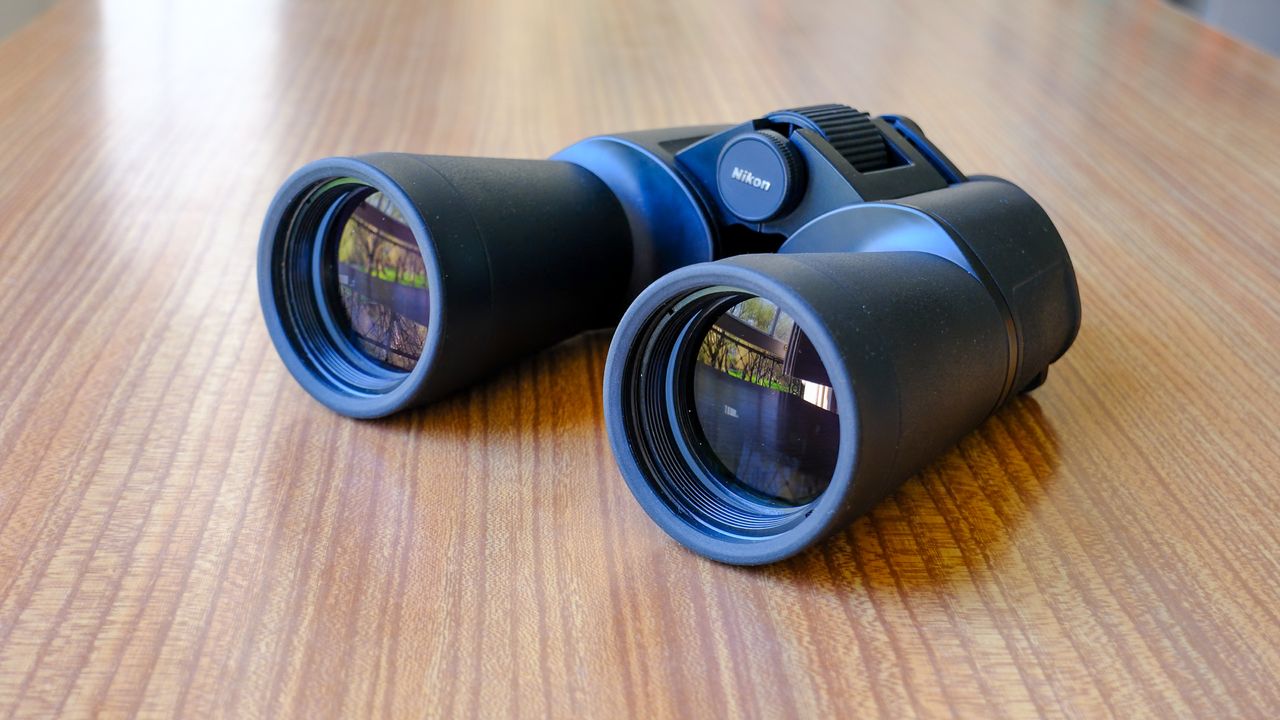
Space Verdict
The 16x50 model of Nikon's new Action line is great for observing night sky details, but eye alignment struggles and high magnification mean it isn't for beginners.
Pros
- +
Great for close-ups of stars and the moon
- +
50mm objective lenses are great for low-light observation
- +
Great value optical quality at a good weight
Cons
- -
Eye alignment issues with a small exit pupil
- -
Shaky overhead views when used handheld
Why you can trust Space.com Our expert reviewers spend hours testing and comparing products and services so you can choose the best for you. Find out more about how we test and review products.
Jump to:The Nikon Action 16x50 is the highest fixed magnification model in the new Action line released in March 2026. They are all-purpose binoculars with big 50mm objective lenses, which are critical for high performance in low-light scenarios. Alongside the 7x50, 10x50 and 10-22x50 zoom models, I tested the 16x50 binoculars for stargazing.
The 16x magnification gets you a lot closer to the night sky and offers eye-popping detail when compared to lower magnifications, but there is a trade-off. You have to pay attention to eye alignment during observation, thanks to the smaller exit pupil, and during the initial set-up, it can take a while to find the right angle for clear views because of a smaller exit pupil.
Nikon Action 16x50 binoculars
Nikon Action 16x50 binoculars: Design
- Only 16 oz heavier than the 7x50 model
- Rubberized outer shell is good for grip
- Small exit pupil initially tricky to use due to the angle required for a good image disk
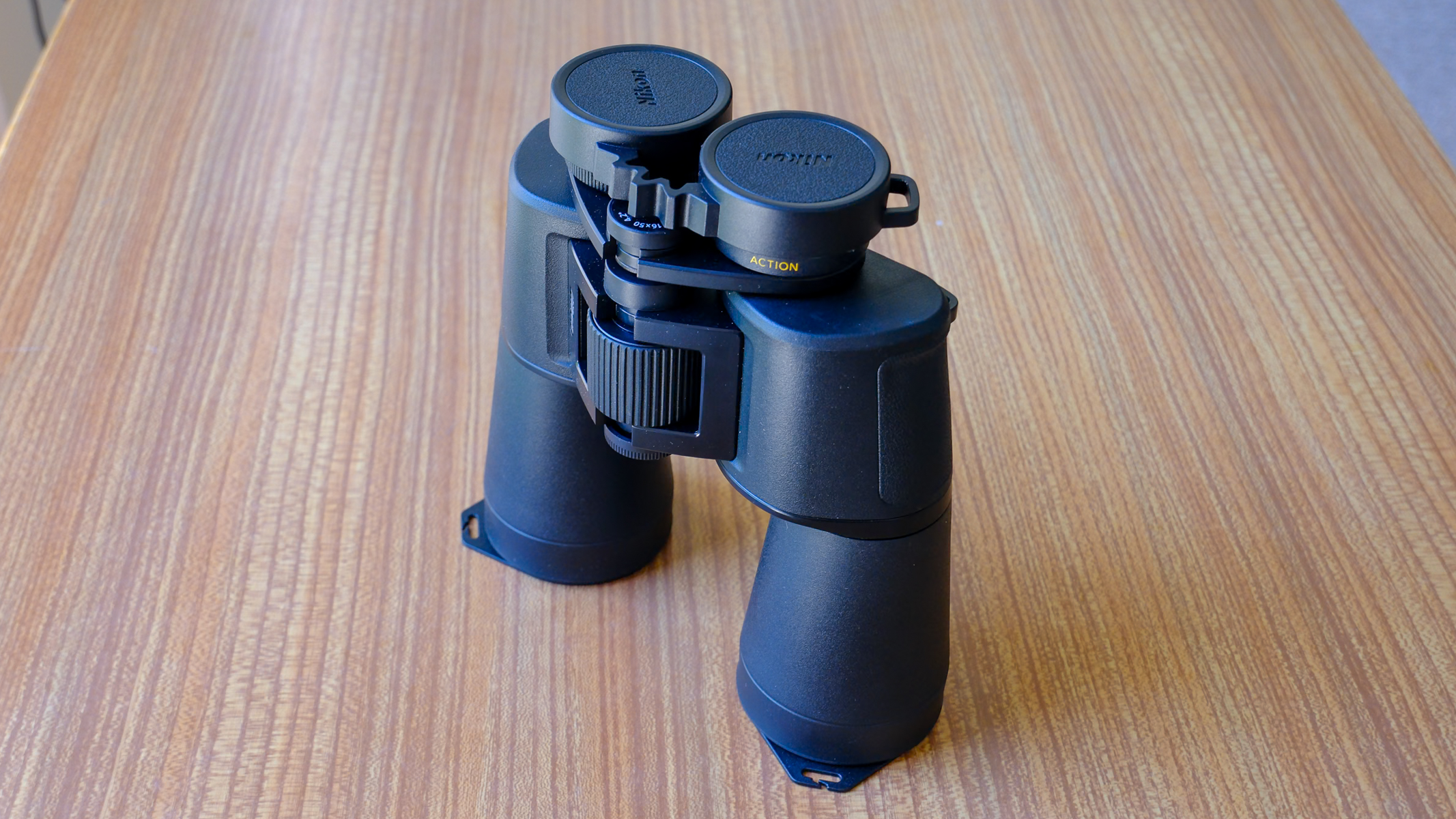
The Nikon Action 16x50 binoculars are 0.3-inches shorter in length than the Nikon Action 7x50s, but the design is practically identical. They are 16 oz heavier than the 7x50s, weighing 2.07 lbs (940g), but honestly, when we held them in either hand simultaneously, it was hard to notice the difference.
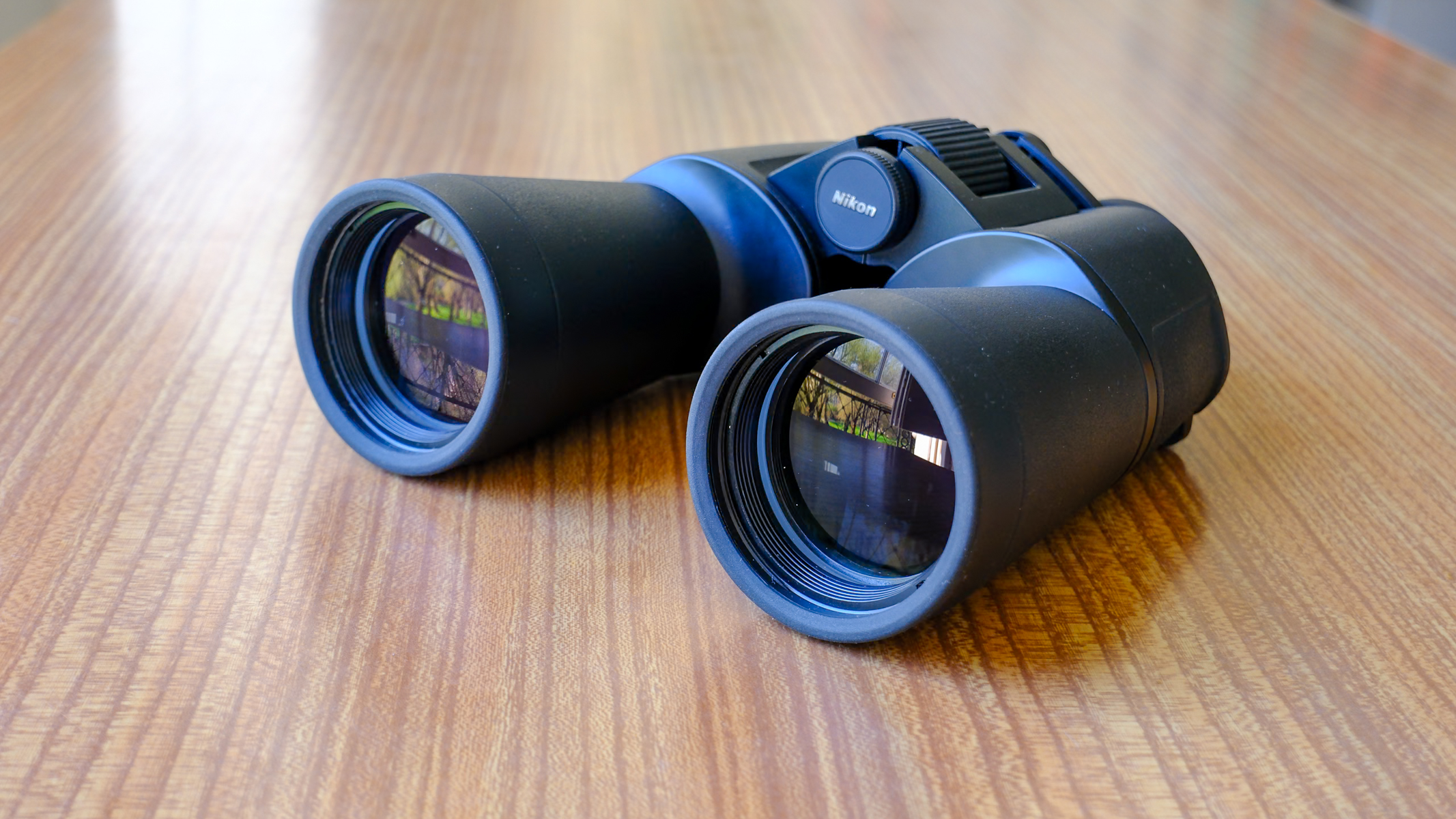
The Porro prism design has a wide grip surface and when combined with the rubber shell, makes these binoculars easy to hold while out stargazing or when looking at the moon. While they are good for handling, we found the 16x50s quite tricky to use during observation due to a combination of the twist-up eyecup height, the 56-72mm interpupillary distance (the distance between the eyepieces) and the small exit pupil of 3.1mm. We had to experiment with eyecup placement, adjust the interpupillary distance and angle our eyes to get a whole image circle during observation.
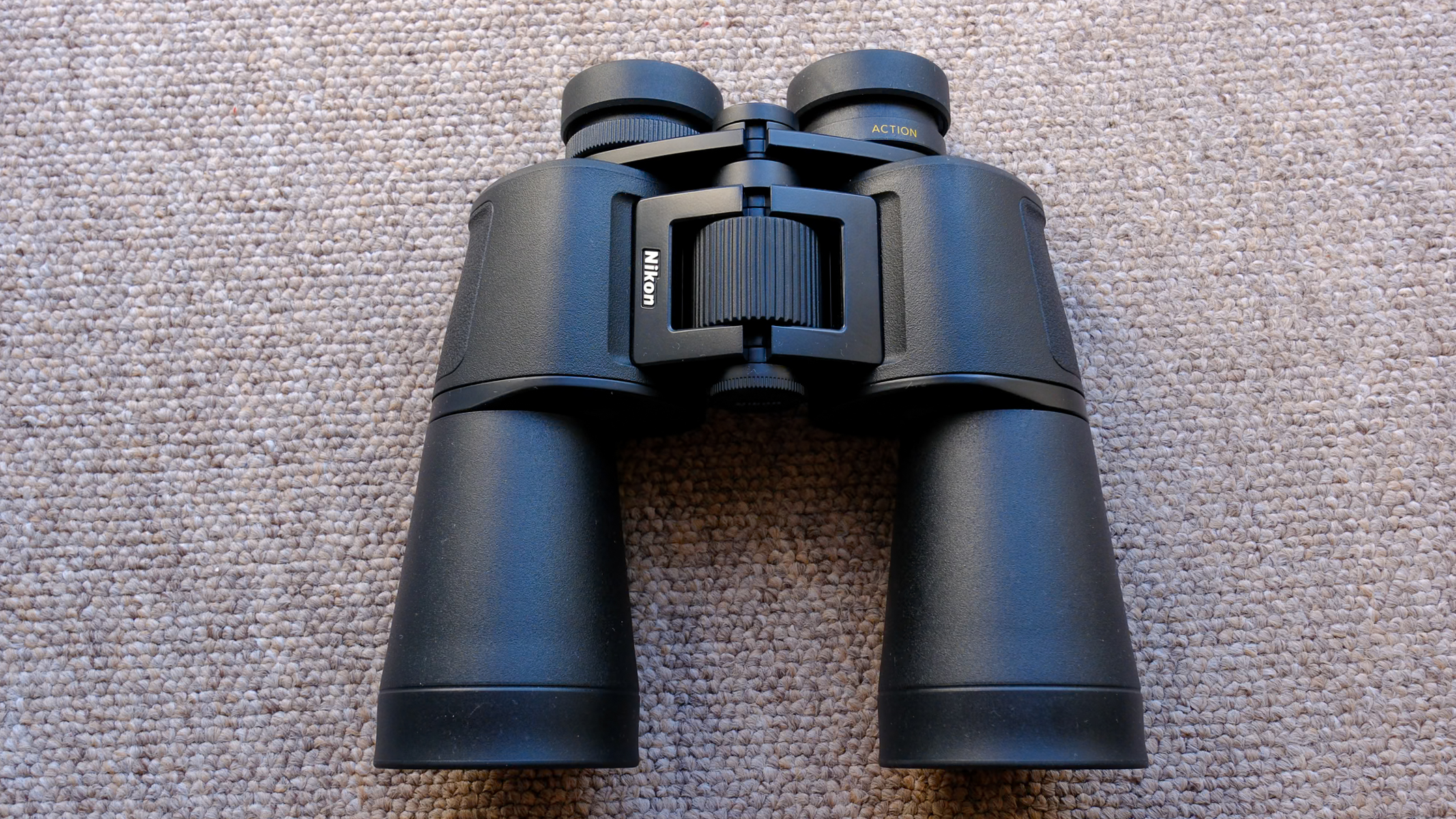
These binoculars take a bit of getting used to for stargazing. There are other binoculars like the Nikon Action 7x50 or the Celestron Trailseeker 8x42 that are more grab-and-go. That said, most high magnification binoculars will need some level of getting used to due to emphasized hand shake and a smaller exit pupil.
However, the payoff is worth it in the end, with the Porro prism design and large 50mm objective lens diameter working to produce a bright 3D image of your chosen subject — although, from experience, you will probably have to angle them precisely against your eye socket.
Design: Porro prism
Magnification: 16x
Objective lens diameter: 50 mm
Exit pupil: 3.1 mm
Angular field of view: 4.2 degrees
Eye relief: 13 mm
Weight: 2.07 lb (940 g)
Dimensions: 7.3 x 7.9 x 2.6 in (185 x 200 x 66 mm)
Durability: Water-resistant only
We tested these binoculars alongside the 7x50, 10x50 and 10-22x50 models and in our opinion, the lower magnification options are better for learning the layout of the night sky and locating certain target objects via star hopping. The 16x50s, however, are great for grabbing a close-up and more detailed view of a target when you have found it, and for those with more experience, you may want to opt straight for the 16x in the first instance.
Nikon Action 16x50 binoculars: Performance
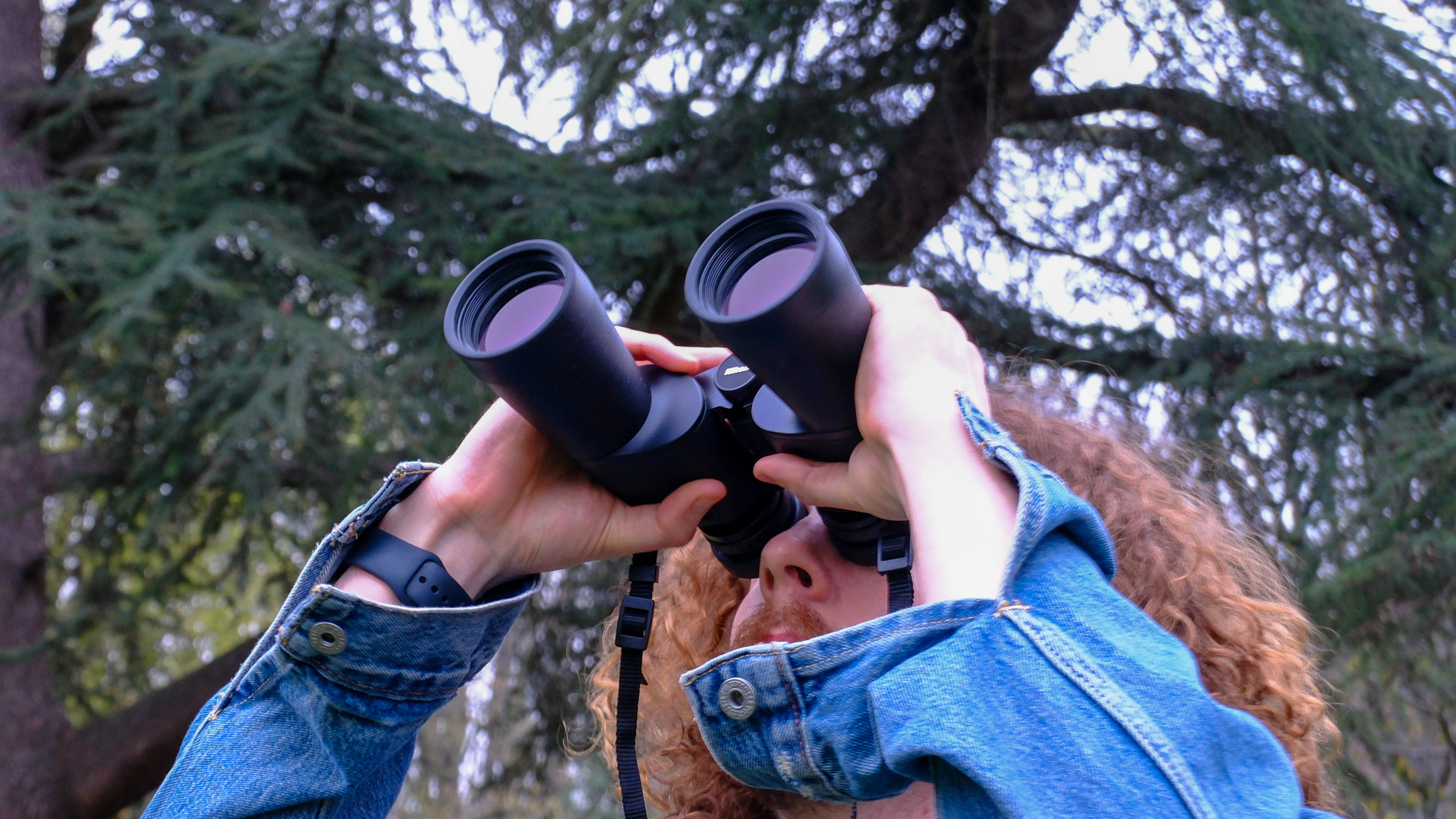
- Dazzling views of Orion's belt and the half moon
- Views were shaky when used handheld
- Eye placement matters to produce a full image circle
When you observe using binoculars with higher magnifications, the exit pupil tends to be smaller than that on those with lower magnifications.
For example, for ranges of binoculars that have a consistent 50mm objective lens across their magnification range (e.g., 7x, 10x, 15x), the higher the magnification, the smaller the exit pupil. A smaller exit pupil means that there is less wiggle room for eye placement during observation to achieve a full image circle. If comparing Nikon's Action binocular line models, the 7x50s' huge 7.1mm exit pupil is over twice as large as the 16x50's 3.1mm exit pupil. This initially makes them less satisfying to use, but they bring you so much closer to your target than the 7x magnification can that we believe this period of adaptation ultimately delivers better observations of individual targets.
We used these binoculars handheld and managed to get great views of a range of night sky objects. The stars Alnitak, Alnilam and Mintaka, which make up Orion's belt, were a spectacle to behold in these binoculars. The three stars spanned the entire image circle from left to right and shone a wonderful blue color in a moonlight-free sky. Just below Orion's belt, we found the Orion nebula (M42) in Orion's sword. We managed to make out some gaseous structure with these binoculars and used averted vision to get a better look at two bright points within the nebula, Theta-1 Orionis and Theta-2 Orionis.
Averted vision is a stargazing technique where you look slightly away from a faint object to make it appear brighter and more detailed. This is because the periphery of your eye is much more sensitive to low-light. Thanks to the higher magnification, using this technique to see the Orion nebula was much more rewarding than lower magnification optics.
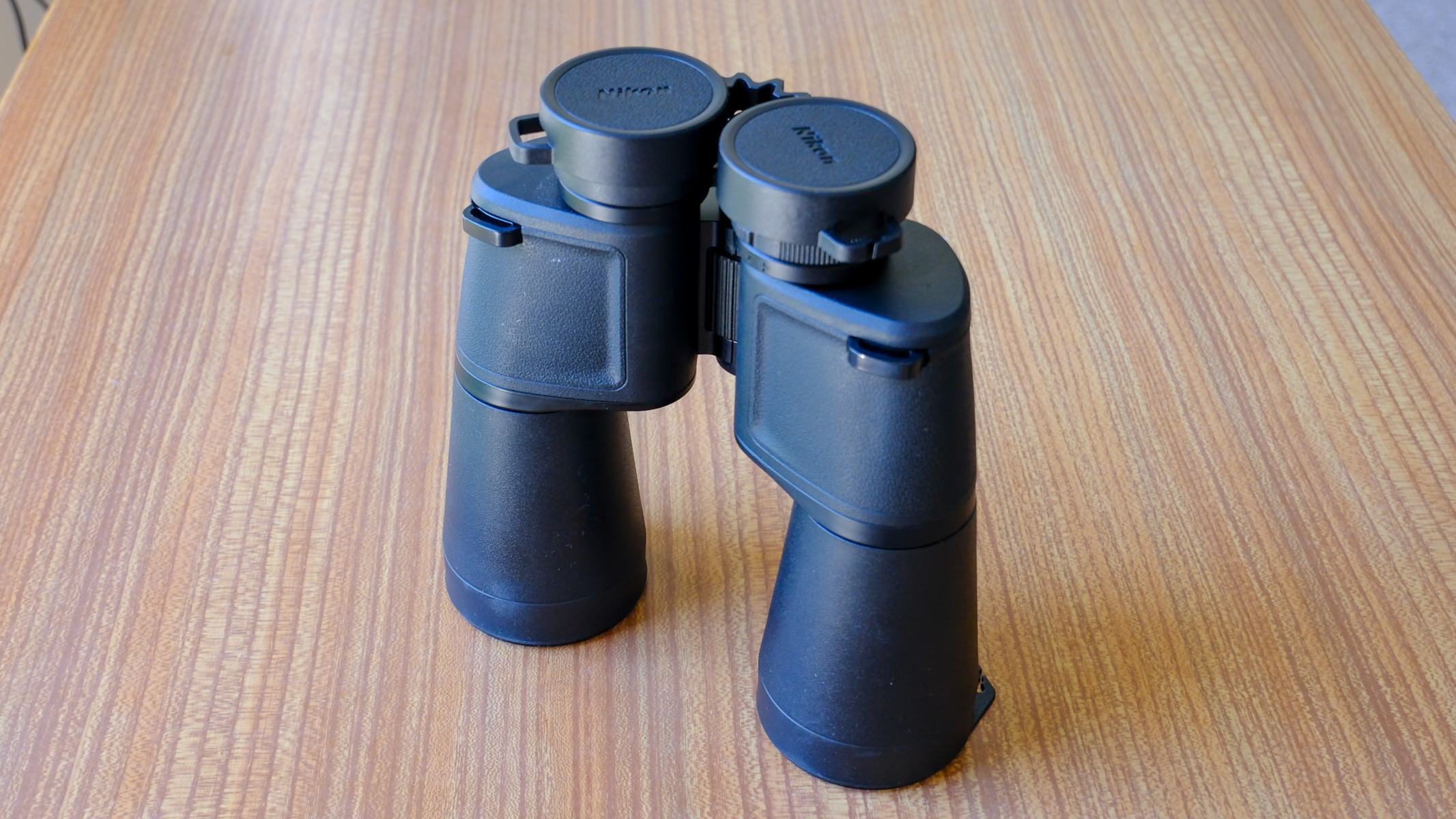
Observing Jupiter was easy enough and when used in a steady position, we were able to see the line of Galilean moons alongside the marble of Jupiter. This was not without difficulty, though, as aiming these binoculars upwards without support from a tripod meant that views were shaky. The same can be said for observing the Beehive cluster (M44): although the magnification meant much more detail should be visible through the 16x rather than the 7x or 10x models in this range, views were actually slightly less detailed due to hand shake.
During observation of the moon, when centered in view, the moon was free of chromatic aberration but gained some blue color fringing when moved to the edge of the image. Apart from this, though, we noticed no significant optical distortions or aberrations in real-world use.
With practice, you can get a relatively stable view with these binoculars only using your hands, but the magnification is likely too high for beginners. We would definitely recommend a binocular tripod if you are worried about this or want to share this viewing experience with others. Getting a steady view can be tricky but the payoff is worth it, as we learned when observing a waxing half moon and seeing the lunar craters cast in striking light and shadow by the terminator.

Nikon Action 16x50 binoculars: Functionality
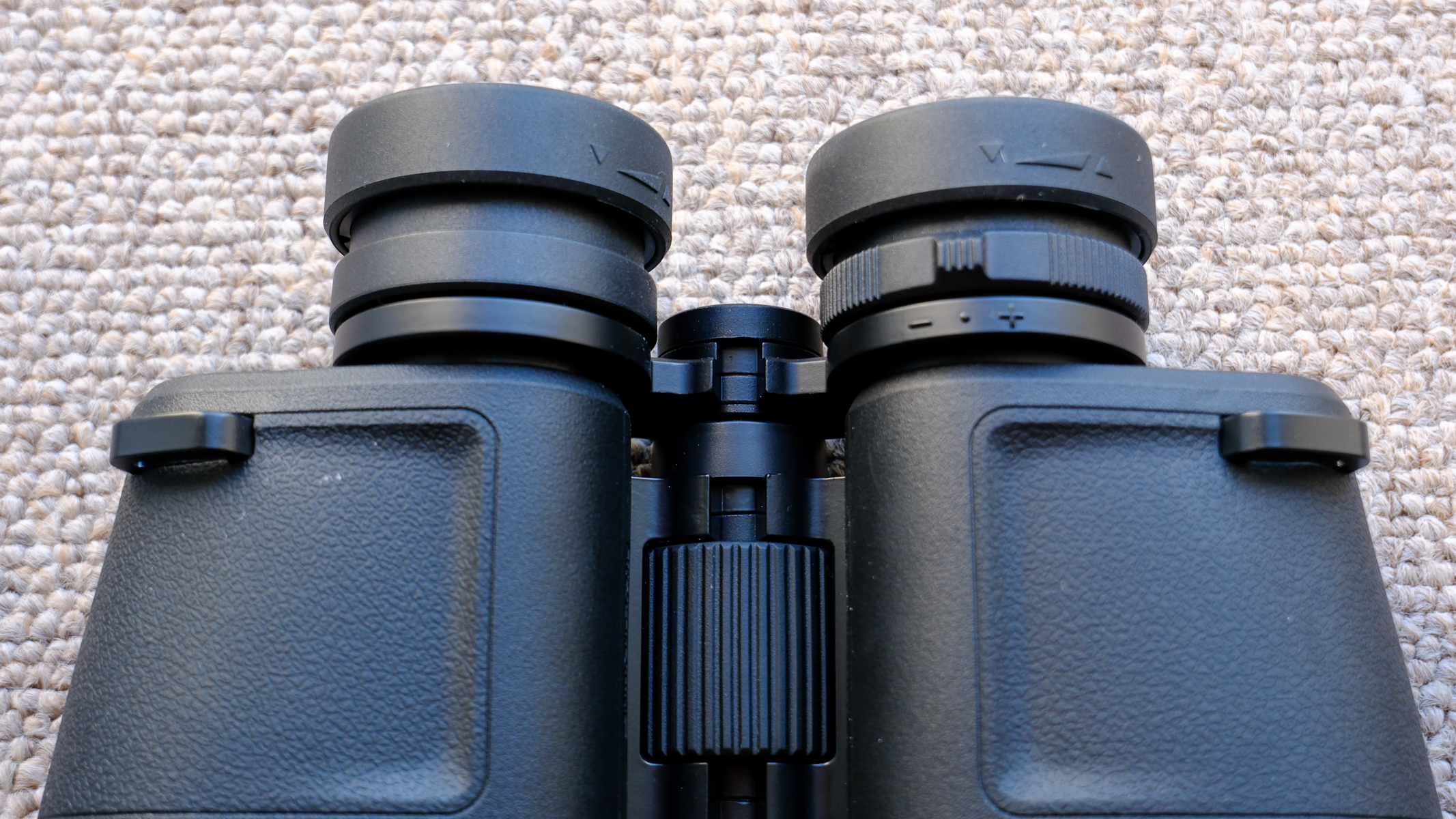
- Tripod adaptable
- 13mm eye-relief
- Tricky eyecup placement
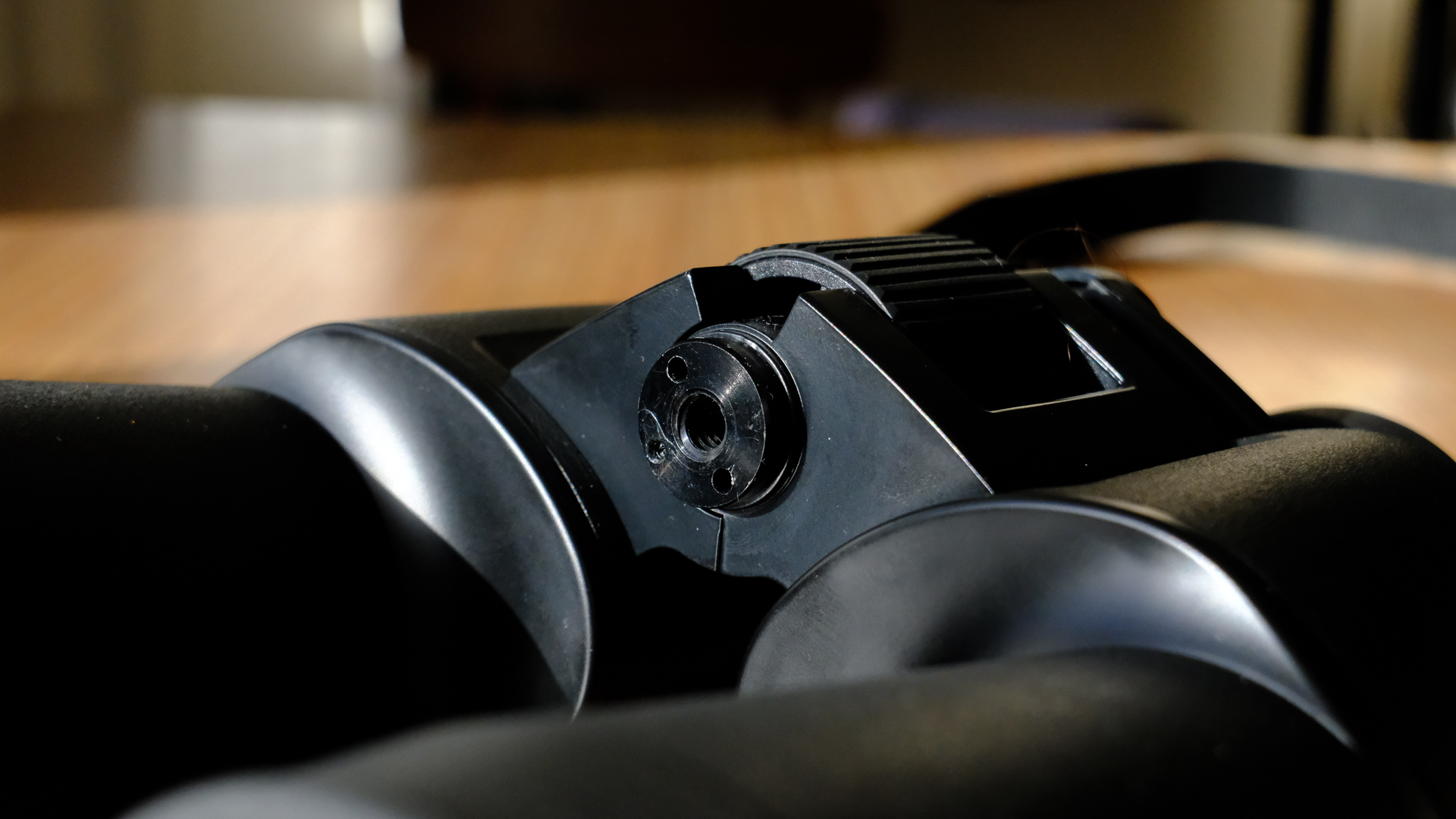
Unless you have incredibly steady hands, you will definitely get more out of these binoculars when using them with a tripod, especially when targets are high overhead. A tripod will also make it a much easier viewing experience if you are having a group stargazing session with friends and family. We would recommend the budget-friendly Manfrotto Element II tripod for an excellent, lightweight and stable option. You will also need to connect your binoculars to your tripod with an adapter, like the Nikon 7650 binocular tripod adapter (sold separately). The Nikon logo in between the barrels unscrews to fit this adapter into place.
Image 1 of 2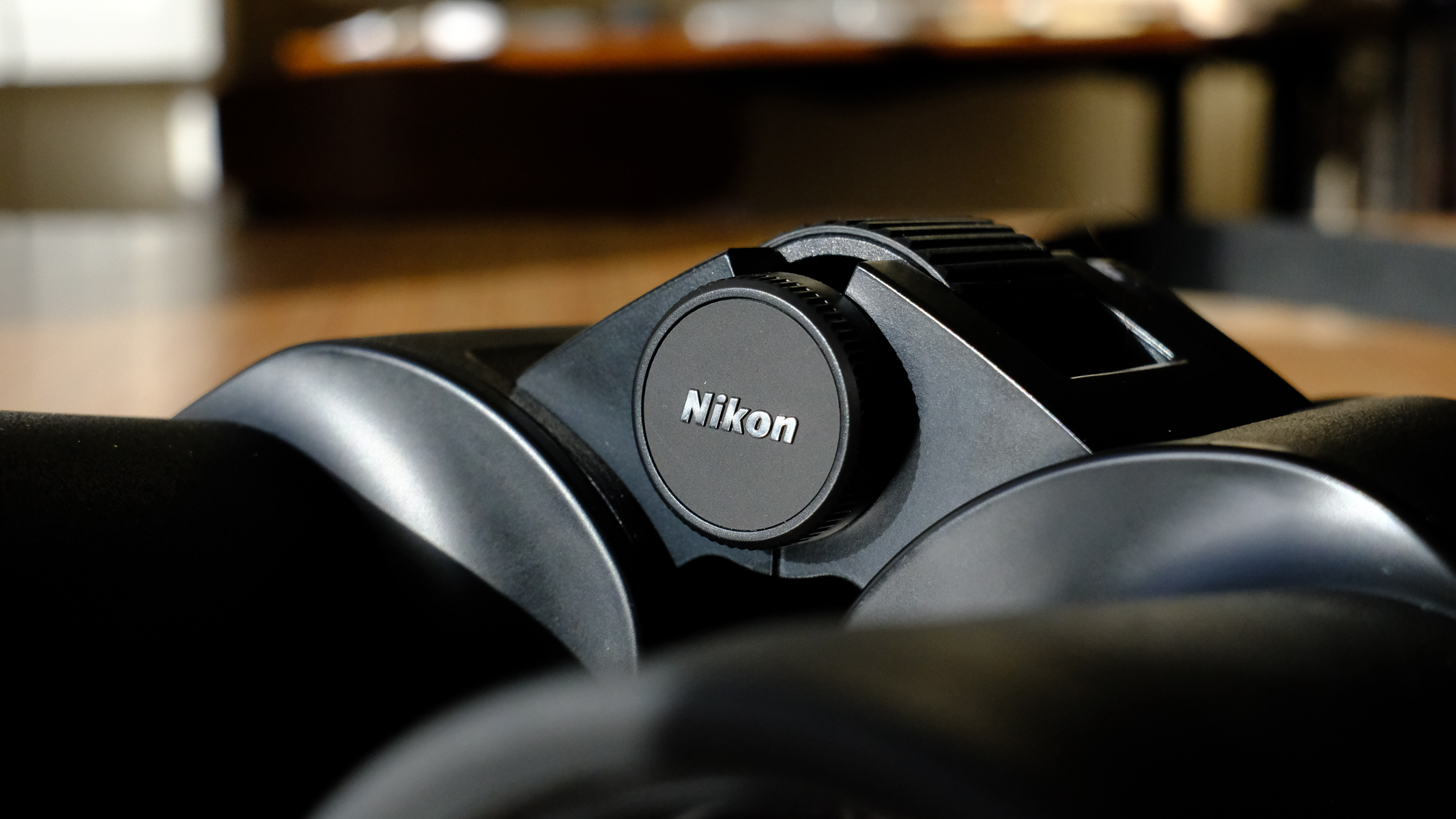
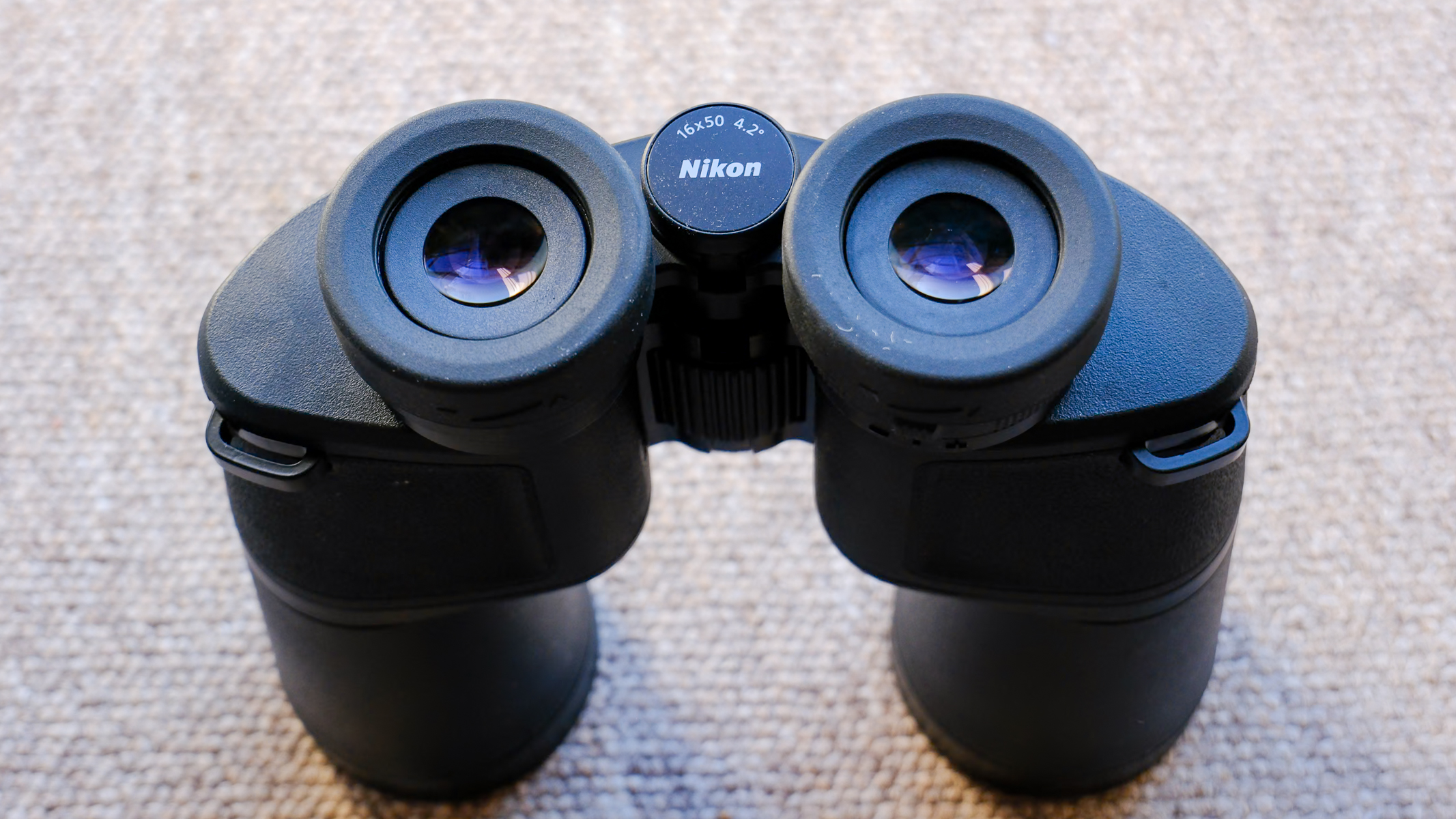
As previously mentioned, we struggled with initial observation due to the small exit pupil, eyecups and interpupillary distance. I don't wear eyeglasses and would normally use eyecups at the fully extended position but found that this produced a slightly split image disk when observing. The second-lowest eyecup height adjustment out of four, and a slightly angled placement on my eyesockets, produced a much larger and connected image disk/circle.
These binoculars can be a bit off-putting at first, as it takes a bit of personal experimentation to find the perfect set-up for you. That said, there are four levels of preset eye-relief up to a total of 13mm, which means it is possible to get a good view with them, albeit a bit tricky. During overhead observations, the eyecups can dig in after extended sessions. This extra point of contact can actually help stabilize the binoculars, but it is something to be aware of comfort-wise.
Image 1 of 2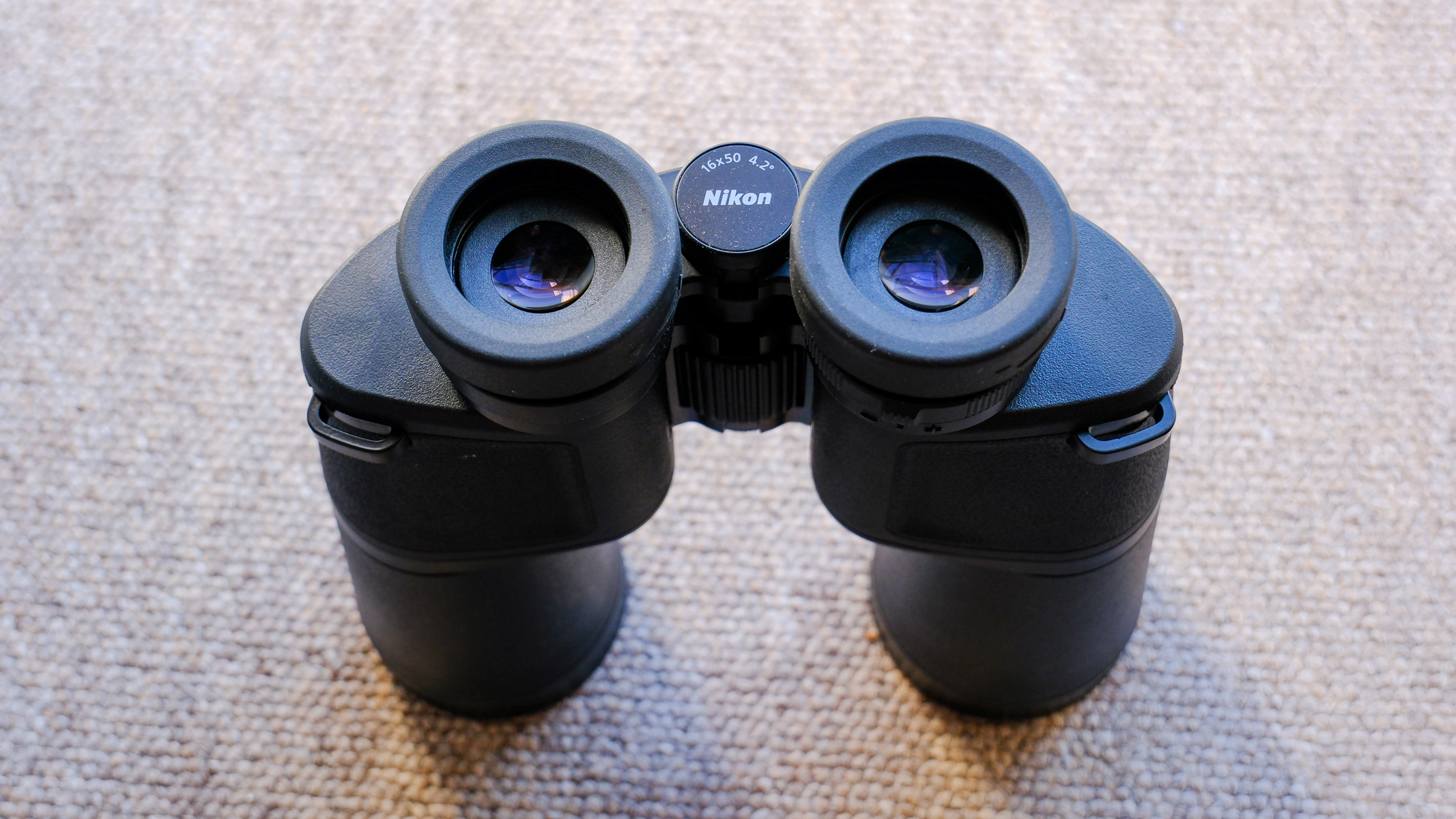
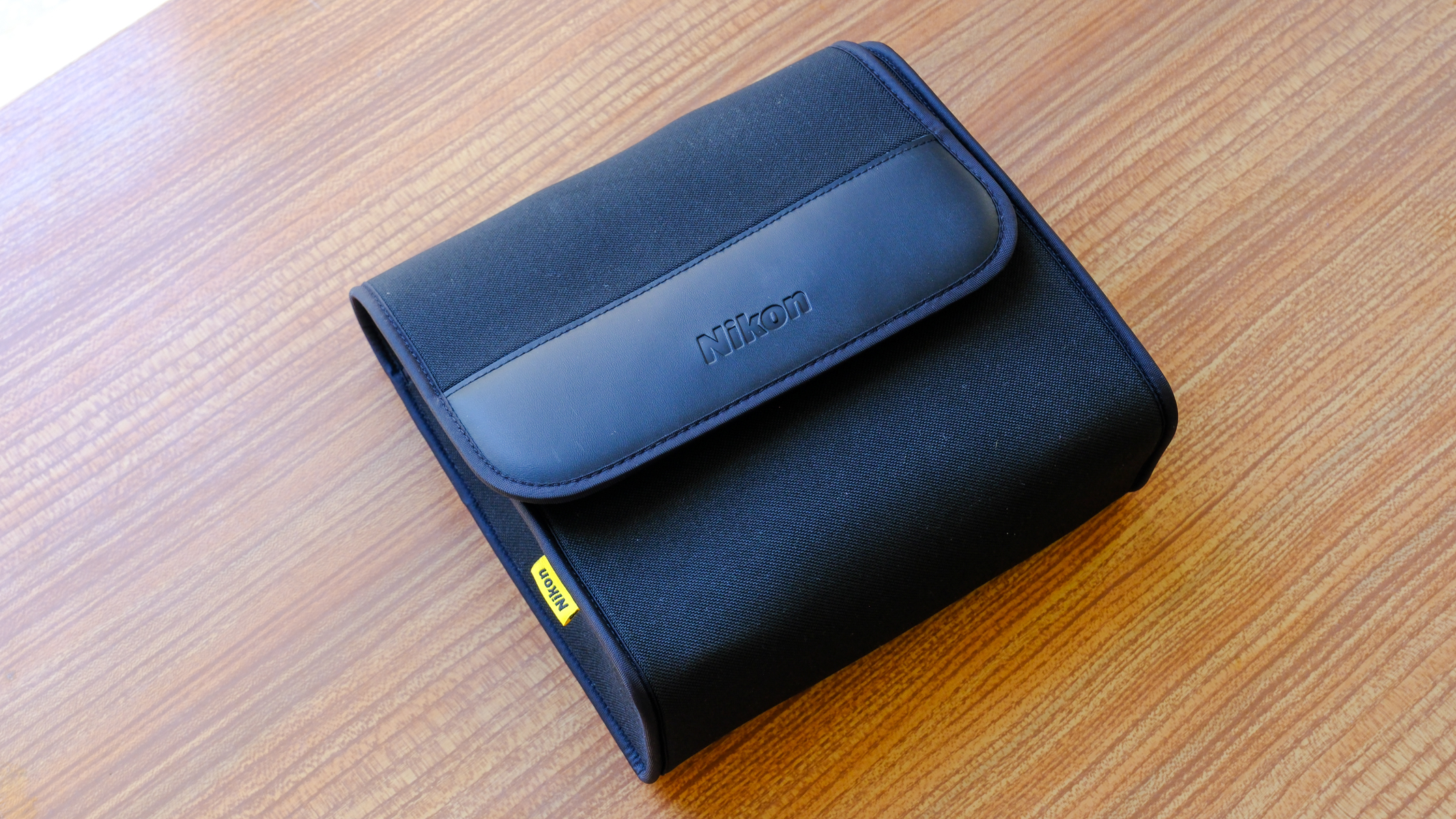
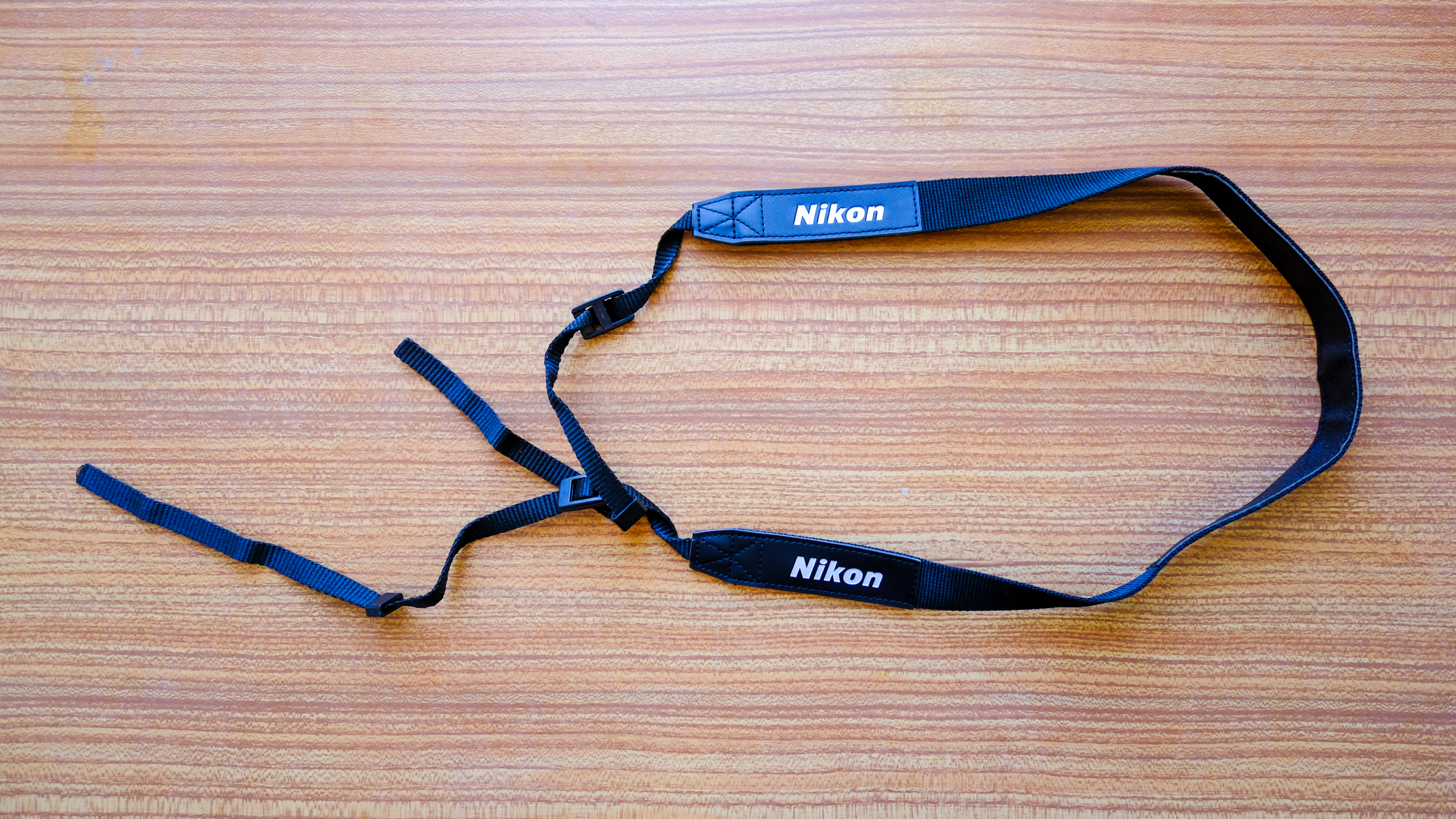
The eyecup covers remain fixed during transport in their soft carry case but the lens caps can fall off easily, which is annoying when trying to keep them as clean as possible during transport. The neck strap is underwhelming: it does the job, but we would recommend a more heavily padded strap if you wanted to use them for longer periods of time. This Nikon Neoprene strap for binoculars is only $25.
Image 1 of 3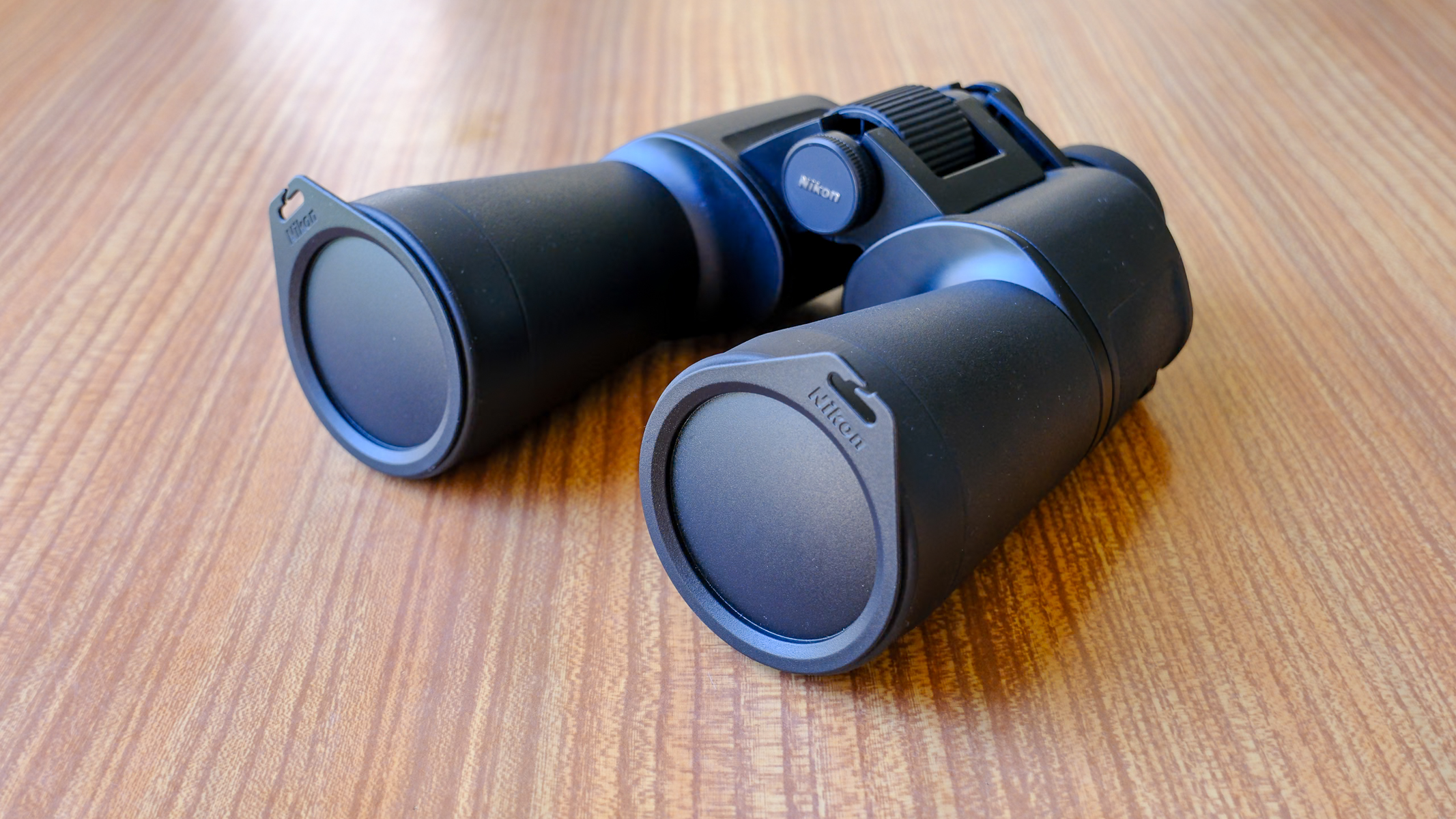
Unfortunately, these binoculars lack any kind of water resistance, so while they might be okay in light rain, I wouldn't use them in anything heavier than that. They also lack nitrogen purging, which means they will fog up when moving between environments with differing temperatures and humidity.
How we tested the Nikon Action 16x50 binoculars
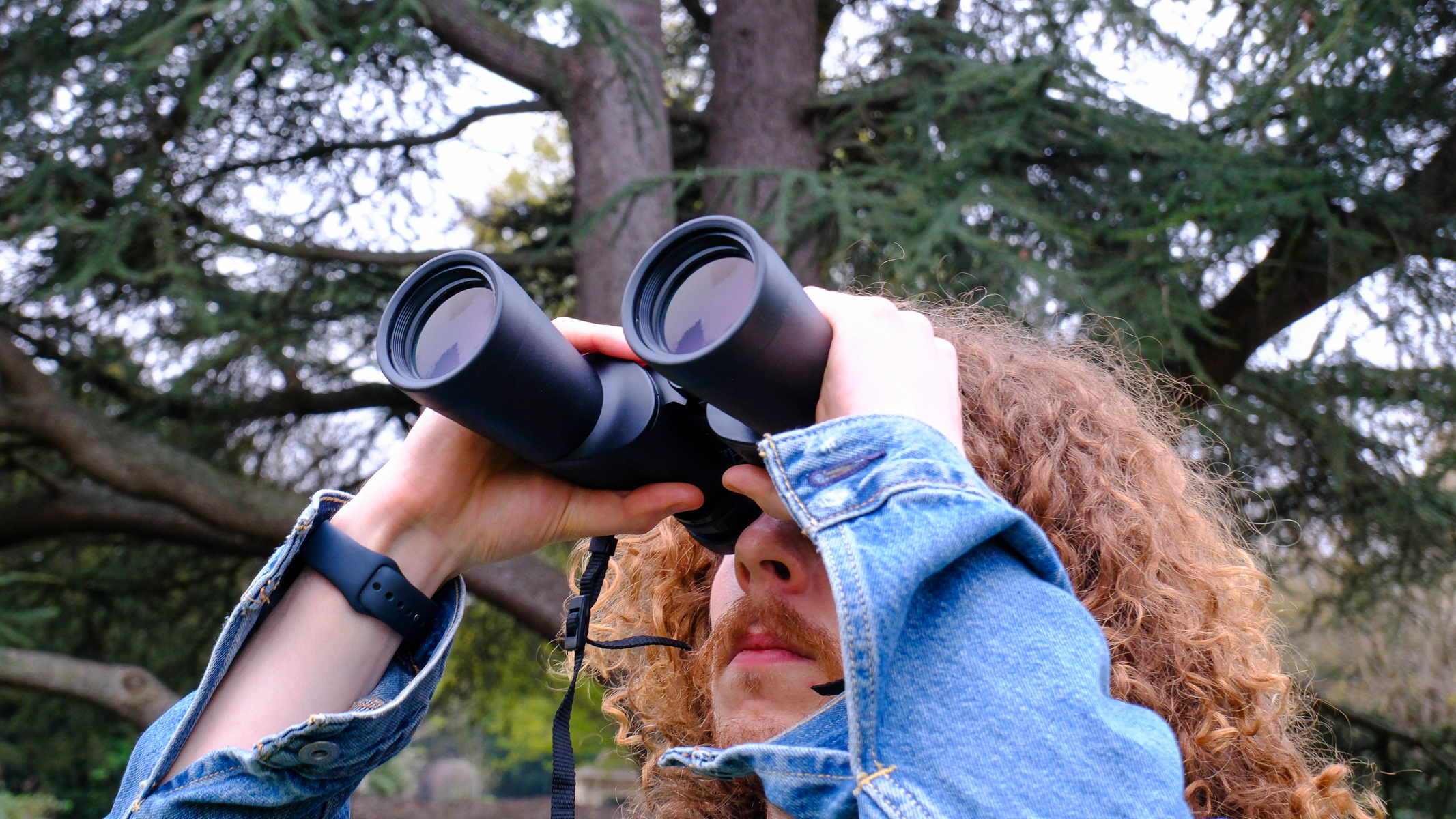
We tested the Nikon Action 16x50 binoculars in a city park during the day and at night. For stargazing, we tested them in a city park with a Bortle scale between 5 and 7. Our primary observation targets were Orion's belt, Jupiter, the waxing half moon and the Beehive Cluster in the constellation of Cancer. For terrestrial viewing, we used them during the day in parks for observing wildlife.
During testing in the UK, nighttime temperatures were on average between 46 and 54 degrees Fahrenheit (8-12 degrees Celsius). Seeing conditions were clear and for non-lunar viewing, the skies had minimal or no moonlight.
User reviews
The user reviews for the Nikon Action 16x50 binoculars are limited as they were only announced in February 2026. From our testing, we think they are a good pair of close-up binoculars for observing more details on night sky objects. Users should bear in mind that these binoculars may need some time to get used to the smaller exit pupil which needs precise eye alignment for the best views.
Should you buy the Nikon Action 16x50 binoculars?
Buy it if:✅ You want to see more detail in the night sky: 16x provides a close-up view of whatever your target is and allows you to distinguish features within these targets like craters on the moon, stars within nebulas and colors of stars.
✅ You already own low-magnification binoculars: If you already own low-magnification binoculars, these are a great step up into high magnification observation and help you level up your observation skills.
Don't buy it if:❌ You want the steadiest handheld views: The 16x magnification helps you get closer views but also magnifies hand shake, especially when observing overhead. If you aren't prepared to get a tripod, then we would advise grabbing some image-stabilized binoculars.
❌ You want grab-and-go binoculars: Given that these binoculars take some getting used to with regard to getting the eye alignment and interpupillary distance just right, they aren't suitable for use immediately out of the box.
If you are a binocular astronomer who wants to start seeing more detail from the night sky, then these binoculars offer a budget-friendly option to do just that. For those who are already familiar with using binoculars and have owned other pairs in the past, this could be a great high-magnification addition to the collection. You are also getting some top-of-the-line Nikon optics for the manufacturer's suggested retail price of $170.
Where a low magnification option is good for learning the wide-field geography of the night sky, higher magnification binoculars are great for getting a closer look at regions or objects with more details, such as nebulas, small asterisms and the lunar surface.
If the Nikon Action 16x50 binoculars aren't for you
If the Nikon Action 16x50 binoculars aren't for you, one of the other models in the new range might suit you. The Nikon Action 7x50s are great for learning constellations in the night sky and locating objects, thanks to their wide field of view. The Nikon Action 10x50s are a good bet if you want a pair that is good for casual stargazing and wildlife observation. For more control over the magnification level, the new Nikon Action 10-22x50 zoom binoculars offer flexibility depending on what you are looking at.
If you have the budget and want some of the sharpest handheld views of the night sky, we would strongly recommend the Fujifilm Techno-Stabi TS-L 1640 binoculars, which offer the same magnification level and some of the strongest image-stabilization (IS) available. They have smaller objective lenses but the IS makes up for this and gives you a shake-free view that immediately makes details visible.
Related articlesBest binoculars
Best binocular deals
Best nightvision binoculars
Best monocular
Best binoculars for kids
Best compact binoculars
You must confirm your public display name before commenting
Please logout and then login again, you will then be prompted to enter your display name.
Logout
Harry joined Space.com in December 2024 as an e-commerce staff writer covering cameras, optics, and skywatching content. Based in the UK, Harry graduated in 2019 with a Bachelor's degree in American Literature with Creative Writing from the University of East Anglia. A keen photographer, Harry has strong experience with astrophotography and has captured celestial objects with a range of cameras. As a lifelong skywatcher, Harry remembers watching the Perseid meteor shower every summer in his hometown and being amazed by the wonders of the night sky.
Back To Top