Nigeria's leader battles security, political crises
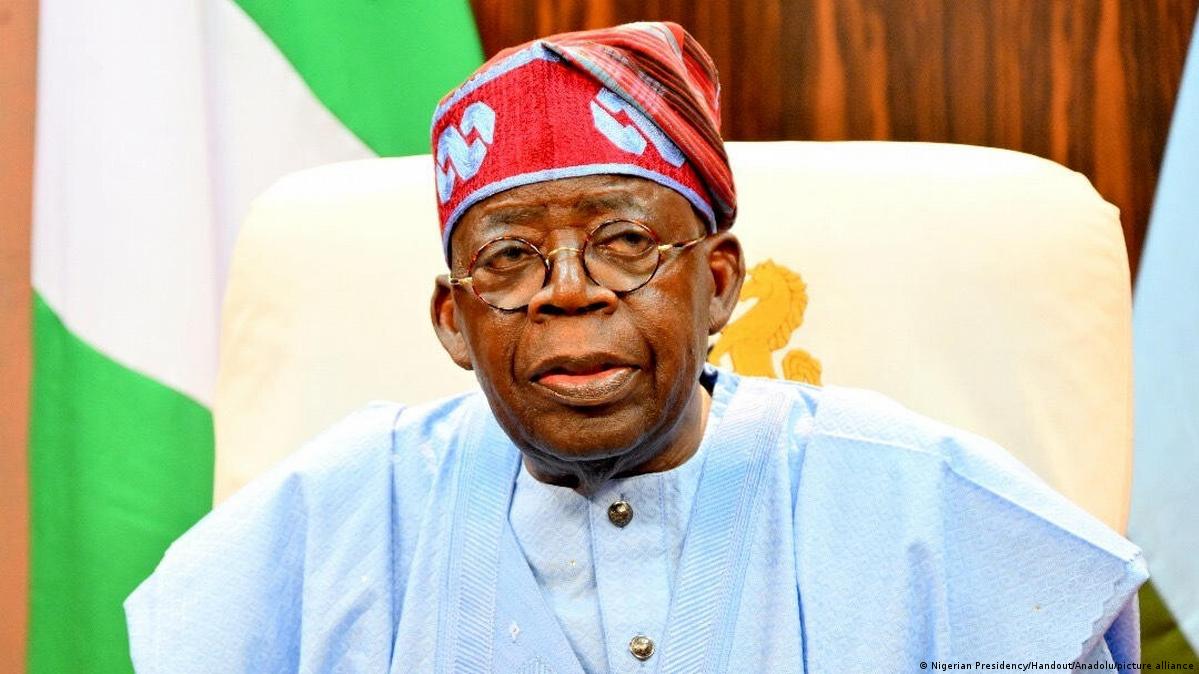
An alleged coup plot against President Bola Ahmed Tinubu, economic hardship, and overstretched security forces are deepening concerns and raising fresh questions about governance, accountability, and the future of Nigeria's democracy.
Nearly three years into Tinubu's term, analysts say his administration is grappling with overlapping crises — from a high‑profile treason case to persistent violence by armed groups across multiple regions.
Lagos‑based media executive and political analyst Ayodele Adio told DW that the government's inability to deliver on key promises has eroded public trust.
"Either they are incompetent, poorly prepared, or have the wrong people leading various agencies and ministries," he said. According to him, many Nigerians now view the government as lacking legitimacy — "a dangerous trend for any democracy."
Is Nigeria becoming a one-party state?
To view this video please enable JavaScript, and consider upgrading to a web browser that supports HTML5 video
Alleged coup plot rattles Nigeria's establishment
The most dramatic political development in recent weeks is the filing of treason charges against six former and serving security officials accused of plotting to overthrow the government. Court documents list a retired army major general and a serving police inspector among those charged, while a former state governor remains at large.
Authorities describe the case as the most serious treason prosecution since Nigeria's return to civilian rule in 1999. It comes amid awave of coups in West and Central Africa, heightening concerns about internal divisions within Nigeria's security establishment.
Although the government insists democratic institutions remain stable, the allegations have reignited fears about elite discontent within the security establishment and deepened concerns about internal fragility.
Security analyst Femi Aratokun says the broader security climate remains troubling. "The body language of the government does not suggest meaningful improvement," he told DW. "Many people worry that political tensions or a failing global security strategy are affecting Nigeria."
Where are Nigeria's missing Chibok girls 12 years later?
To view this video please enable JavaScript, and consider upgrading to a web browser that supports HTML5 video
As the treason trial unfolds and military operations continue, analysts say the key test for President Tinubu will be whether his administration can move beyond crisis management — restoring confidence not only in Nigeria's economy, but in the state's ability to protect its people and uphold civilian rule in an increasingly volatile region.
Political realignments in Nigeria ahead of 2027
The tense security environment is already shaping political dynamics ahead of the 2027 general elections. Last week, President Tinubu dismissed his finance minister, with further cabinet changes expected.
Adio says the timing is unsurprising. "It's political season. The president is using cabinet reshuffles to send signals — dropping non‑performing ministers and showing the public he is listening to their cries."
Opposition parties are reorganizing, forming new alliances, and positioning high‑profile figures for potential presidential bids. Tinubu has urged political actors to respect the Electoral Act and avoid inflaming tensions, while critics accuse his government of prioritizing political survival over structural reform.
For many Nigerians, insecurity and economic hardship are increasingly intertwined. Attacks on transport routes and farming communities have pushed up food prices, while kidnappings and violence continue to disrupt trade.
In Lagos, procurement manager Okonkwo David told DW that politicians appear disconnected from citizens' realities. "These politicians are only thinking about themselves, not the masses," he said.
Business manager Isaac Okafor echoed the frustration: "Prices of basic commodities are going up, and people can no longer afford them. Politicians are not even united enough to hold the government accountable."
According to security analyst Aratokun, the impact of insecurity is most severe in rural areas, where violence reshapes daily life, weakens local economies, and undermines long‑term development.
Edited by: Chrispin Mwakideu
AdvertisementСхожі новини

Европарламент лишил иммунитета скандальную румынскую депутатку Шошоаке, которая угрожала «переломать ноги» Зеленскому
Інтернет-цензура Путіна розбудила російську "опозицію", – NYT
Посол США в Україні залишить свою посаду через розбіжності з Трампом, – FT