New VC-25B Air Force One “Bridge” Aircraft Now Fully Modified And Flight Tested
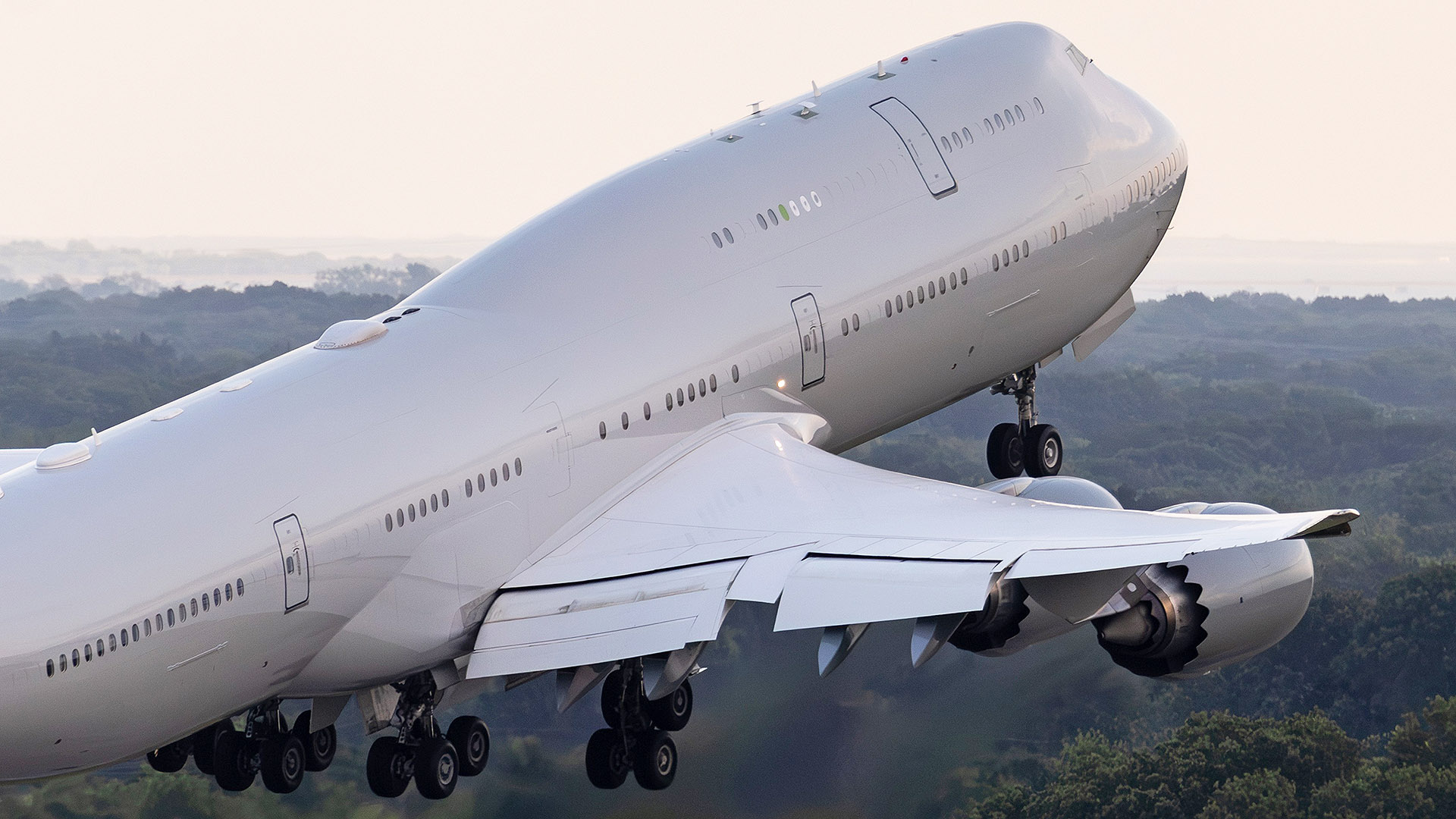
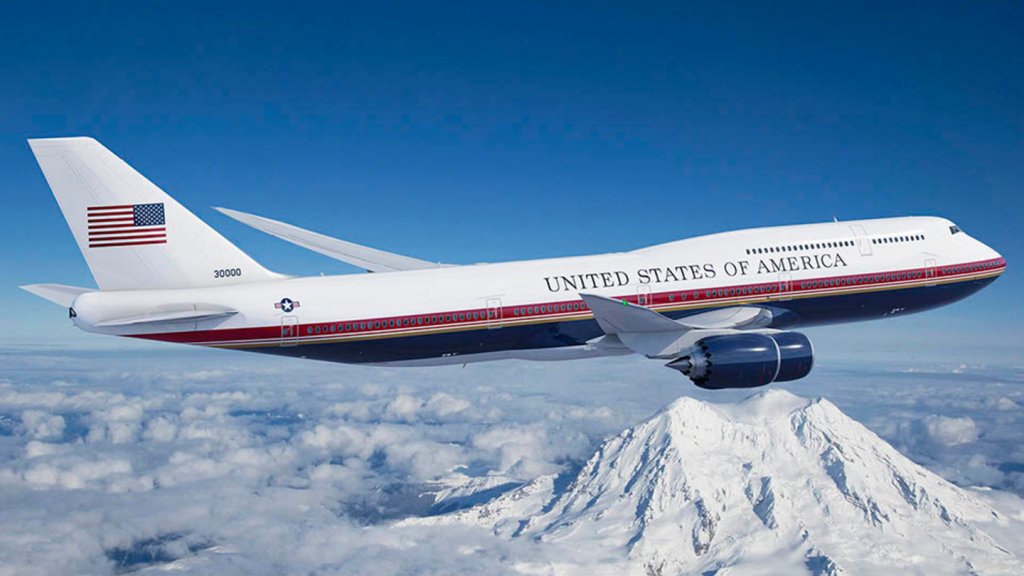
The U.S. Air Force said its new interim Air Force One jet, dubbed the VC-25B Bridge aircraft, has officially completed modifications and flight testing and is being painted in the red, white and blue livery sought by President Donald Trump. The extremely lavish 747-8i Boeing Business Jet (BBJ) – donated by Qatar to the U.S. last year for use by Trump – is set to serve in the Air Force One role while the White House awaits the delayed delivery from Boeing of two fully-outfitted VC-25B Air Force One aircraft. There are no plans to retire the VC-25As that currently serve as Air Force One until both full-up VC-25Bs are operational.
The Air Force said the VC-25B Bridge aircraft is on schedule to roll out in its new paint scheme and be delivered to the Presidential Airlift Group this summer. It is not clear when it will start flying Trump. The White House referred us to the Air Force for additional information.
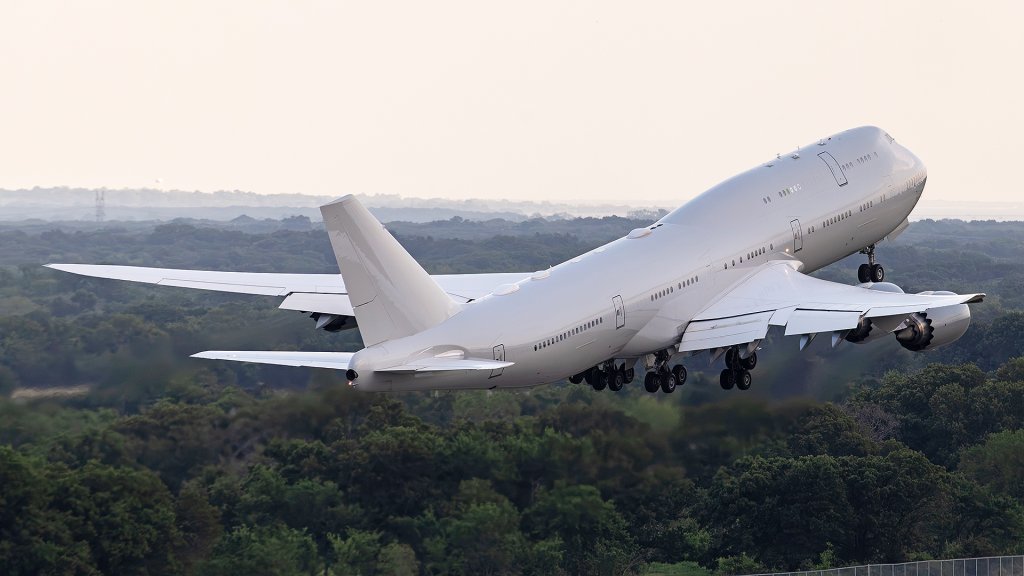
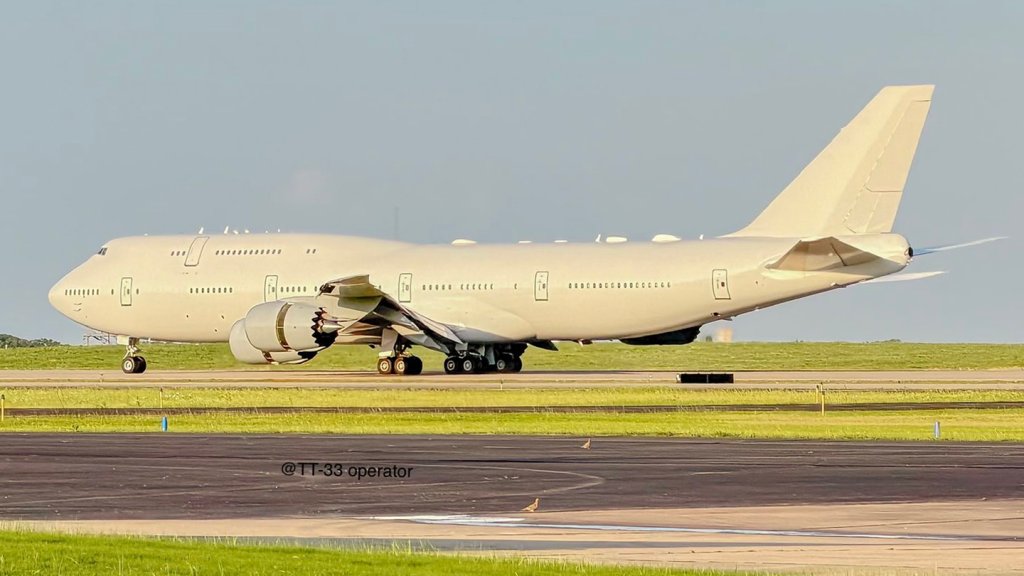
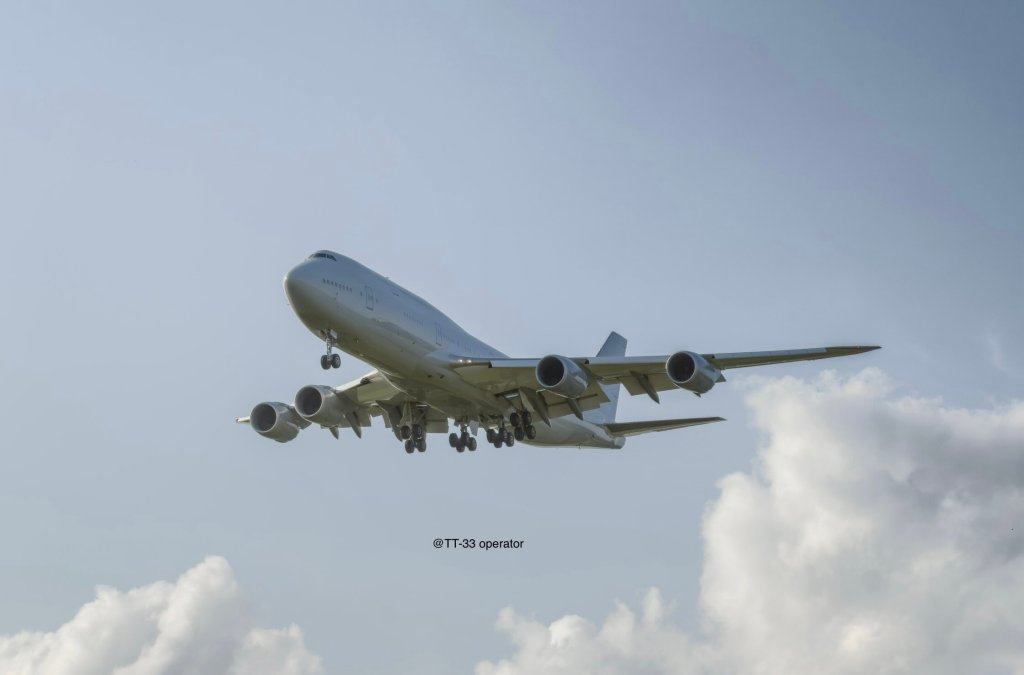
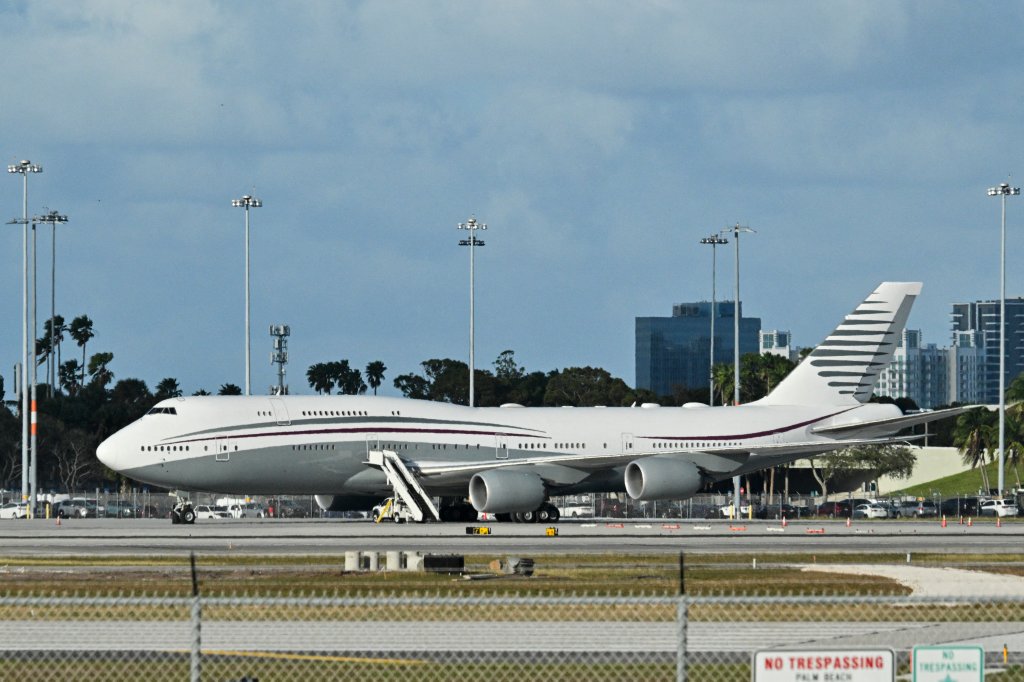
The jet recently underwent flight testing in Texas, which you can see in the following photos that aviation photographer TT-33 operator was kind enough to share with us at the time.
The USAF now says that with the Boeing VC-25B deliveries delayed far past its initial 2024 target and VC-25A heavy maintenance cycles being extended, an interim capability became “an absolute imperative.” How accurate this claim actually is isn’t clear. Trump has been talking about an interim Air Force One aircraft for some time since deliveries of the new VC-25Bs were pushed back beyond his second term. We heard of no actual requirements originating for this capability from within the USAF prior to the new administration or far in advance of Trump’s deal with the Qataris to source the jet. Very early in the new administration, Elon Musk was even working to find out how to get Trump a new Air Force One as fast as possible, for instance.
The Air Force claimed that in February 2025, a dedicated task force launched a “full-court press” on the VC-25B Bridge program while simultaneously working to accelerate Boeing’s long-term VC-25B production.
Though questions were swirling about the legality and ethics of receiving the gifted plane, the Pentagon last May took delivery of the aircraft and said it would rapidly undertake the required modifications.
It’s one thing to have a donated ultra-luxury jet, but turning it into one safe and connected enough to carry a president is another story.
As TWZ has previously noted, converting any aircraft into one that is secure enough to transport the president is a complex undertaking. The aircraft needs to provide constant, secure communications, including what is needed to order a nuclear strike under extreme conditions. Historically, it also needs to be physically hardened both inside and out to withstand myriad threats, from the electromagnetic pulse of a nuclear weapon going off to incoming surface-to-air missiles to enemy intelligence-gathering efforts. To do this requires significant modifications right down to the aircraft’s outer structure. It is very unlikely, if not impossible, that this aircraft was hardened against EMPs in the timeframe required for fielding it.
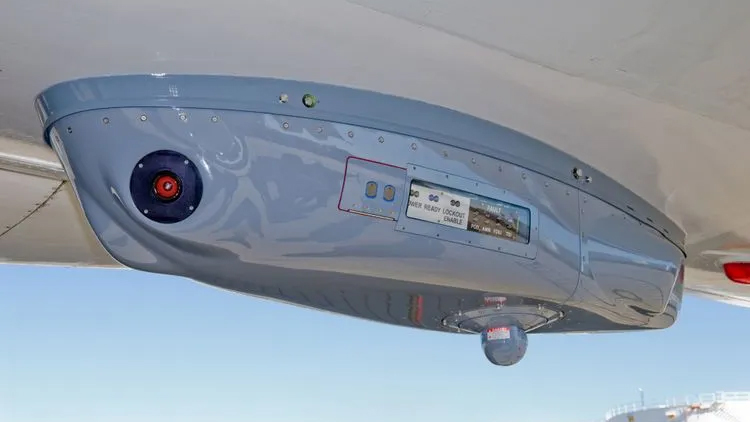
The VC-25As are speckled with missile approach warning sensors and many laser countermeasures turrets (DIRCM). They also include the legacy Matador infrared countermeasure system above their jet engines and APU. This is in addition to other defensive features which are less visible and remain closely guarded secrets.
In previous coverage, we noted that at the very least, “this aircraft will have to feature some kind of DIRCM setup to repel shoulder-fired heat-seeking missiles, and modular units are available that can be attached in a canoe to the bottom of the aircraft. These systems, such as Elbit’s C-MUSIC or Northrop Grumman’s Guardian, are in service with foreign VVIP 747s, as well as commercial aircraft, including those flying for Israeli airline El Al. You can read all about these systems here. Still, while they offer far less defensive capacity compared to what is seen under the belly of a VC-25A, they would offer a significant layer of protection.” We still don’t see any evidence of the aircraft being modified with defensive countermeasures.
L3Harris, known for its communications systems and aircraft alterations, was selected to undertake the “complex modification of the bridge aircraft,” the Air Force explained. The company already delivers “secure, reliable and resilient communications” for VC-25A and the executive airlift fleet “but has extensive experience with self-protection and customization of VIP aircraft,” the Air Force added. “The accelerated timeline was further made possible by a mission-focused partnership with Boeing, who provided the necessary engineering data to support the required structural modifications.”
In addition, “elite specialists from multiple government agencies developed advanced protocols to detect and – if necessary – neutralize potential technical hazards on previously owned aircraft,” according to the Air Force. “Their rigorous approach on the Bridge aircraft has literally ‘written the book’ and set the benchmark for integrating used airframes into the secure military inventory.”
In response to our question about what modifications the jet received, the Air Force told us the following:
“Safety and security were at the forefront of this program. We deliberately minimized interior aesthetic modifications to focus on modifications for safety, security and mission execution. We assessed which requirements were necessary for an interim capability. We had greater flexibility in developing our mission requirements.
After safety and security, we focused on the mission communications systems.
We have made deliberate decisions such as the reduction of the number of airstairs, less chiller space, and exclusion of the Golden Eagle mission [to fly the remains of former presidents] to minimize structural modifications, while prioritizing modifications focused on safety, security and secure communications.”
We also asked whether this jet will be able to fly overseas and into higher-risk areas, but have not gotten a response. At this point, based on the limited info we have at this time, that seems unlikely. But if this is the case, the question then can be raised why the USAF is spending billions on two full-up Air Force One aircraft if standards have been so relaxed that this simpler aircraft can do all their missions? We will update this story with any pertinent details the USAF provides.
To help speed up the delivery process of this interim Air Force One jet, the Air Force said it “constructed an at-scale mockup of the interior, complete with virtual reality views, to enable early commissioning activities for White House staff.”
“Our commitment to providing the president with a secure, resilient and reliable airborne command post is unwavering,” said Chief of Staff of the Air Force Gen. Ken Wilsbach. “The VC-25B Bridge program is a testament to the Air Force’s ability to innovate and rapidly evolve to ensure the continuity of our government under any conditions.”
The Air Force said the estimated delivery of Boeing’s VC-25Bs is now expected in 2028. If that holds up, then this ‘bridge’ aircraft will have served at most around two years until the first full-up VC-25B is delivered.
We will continue to follow developments in this program and provide updates when warranted.
Contact the author: howard@thewarzone.com
The post New VC-25B Air Force One “Bridge” Aircraft Now Fully Modified And Flight Tested appeared first on The War Zone.
Схожі новини
U.S. seeks to deploy hypersonic missile for the first time against Iran
Plane carrying pickleball players crashes in Texas, five killed
