New silver mine offered jobs and investment for small European town. But then hundreds tested positive for lead in their blood
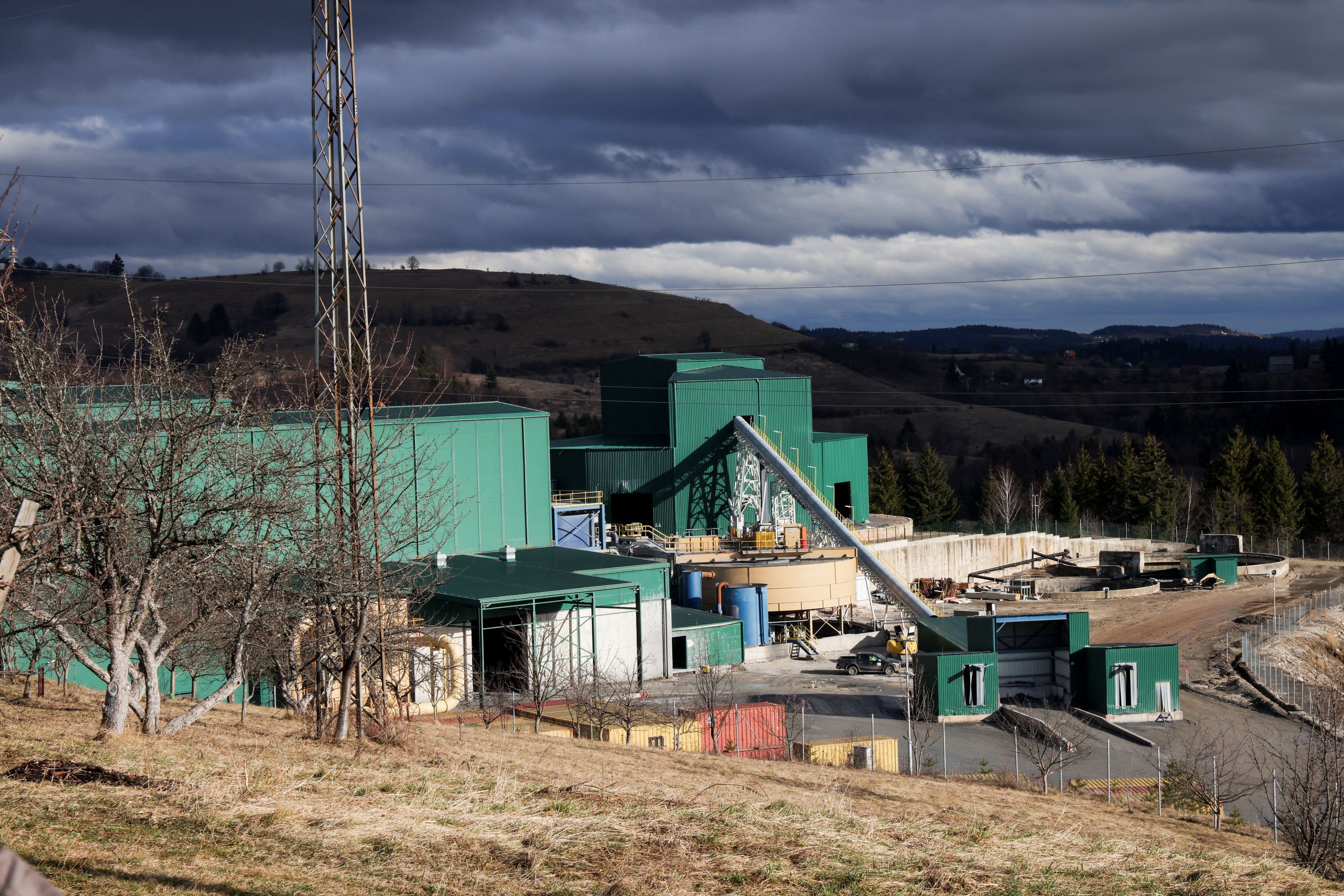
A new silver, lead and barite mine offered hope to the small town of Vares, in mountainous central Bosnia, when it opened in 2024.
After decades of economic decline, new roads and houses were built, cafes and restaurants filled up, and the long-dwindling population swelled with workers and new residents.
In recent months, however, blood tests have revealed exposure to lead in more than 300 residents living near the mine, some at elevated levels, alarming locals and throwing the town's future into doubt.
On Wednesday, four Bosnian environmental agencies filed criminal charges against Dundee Precious Metals, the Canadian mining company that took over the mine in September after acquiring UK-based Adriatic Metals, with the Zenica-Doboj cantonal prosecutors' office.
"We think that the situation is ripe to declare an emergency situation," Miroslav Pejcinovic, the president of Opstanak (Survival) Vares, one of the agencies, told Reuters.
"Somebody needs to take responsibility." Toronto-listed DPM denies responsibility, but recognises there is a problem.
 open image in gallery
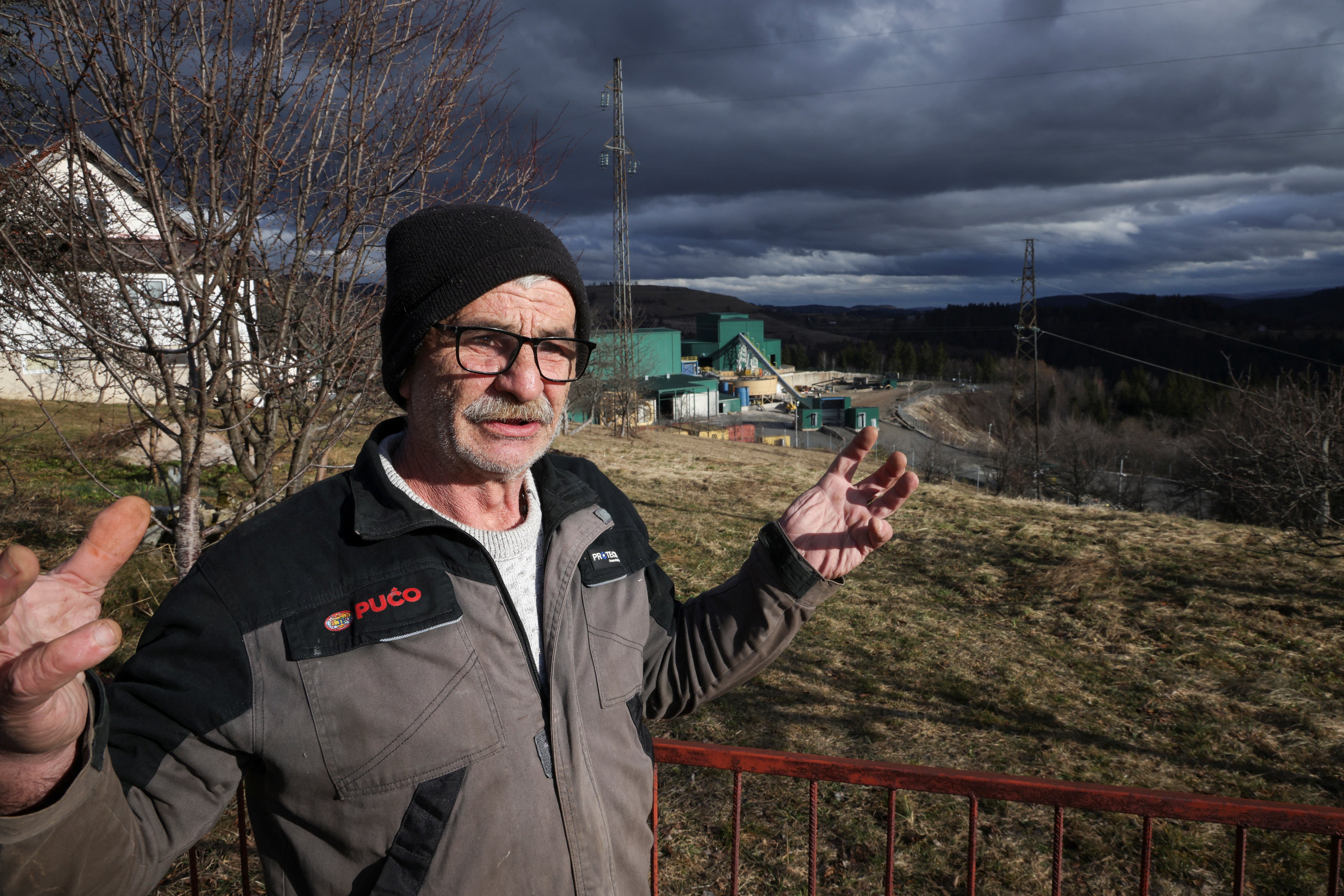
The company agreed to finance blood tests in December. The residents said they asked for the tests because the mine's previous owner had offered to conduct them, not because there were any signs of harm.
Still, the results showed 17 of 44 people who lived close to the mine's processing plant and waste depot had elevated lead levels in their blood.
Subsequent rounds of tests conducted by health institutes in the cities of Zenica and Sarajevo showed that more than 300 people, including some living further away from the mine in Vares, also had lead in their blood.
Elevated lead levels can damage the nervous system and the brain and cause learning difficulties in children. So far, residents and the organisations said that there was no sign yet of harm from the lead exposure, but doctors say any level can be dangerous.
The Vares health centre said in a report in March that the test results did not show signs of acute lead poisoning, but rather indicated long-term exposure to different possible environmental factors of low intensity.
 open image in gallery
According to the report, of 238 blood tests conducted by the Zenica-based Institute for Health and Food Safety, 23 per cent were seen above a danger threshold of 2.8 micrograms per decilitre of blood and 13 per cent were above 5 micrograms per decilitre.
Local officials said such widespread tests had not previously been conducted, so it was not possible to determine if the lead came from the new mine or was due to decades of previous mining activity in the area, which is rich in metals.
DPM joined a working group formed by town officials and physicians after the first test results in December.
The group has initiated tests of land, water, agricultural produce and dust in areas surrounding the processing plant and waste depot.
It told Reuters in a statement that it took health and environmental matters seriously and was working with authorities.
"We believe that issues relating to the environment and public health should be assessed on the basis of expert analysis, verified data and through the appropriate institutional procedures, without prejudging responsibility before the relevant processes have been concluded," it said.
 open image in gallery
Charges were also filed on Wednesday against cantonal and regional government ministers, whom the environmental organisations accuse of failing to do enough to protect residents. The charges will now be reviewed. If accepted, the case will likely go to court.
The government of Bosnia's Bosniak-Croat Federation, where Vares is located, says it is trying to find a solution and has announced the formation of an expert group.
"We need to monitor the situation and take appropriate measures when it escalates," Federation Prime Minister Nermin Niksic said on Monday. "The peoples' health cannot be endangered because of someone's negligence, or someone's investment or someone's interest."
The Ahmedovic family, who live near the mine's processing plant, have been faithful to Vares amid its economic ups and downs, investing in cattle and crops just as others moved away.
Now they might move too after the family, including two children, tested positive for lead. The metal was also detected in their croplands, forcing them to halt sowing wheat, vegetables and fruit.
"I am not even sure if there is lead in this hay," the mother, Enisa Ahmedovic, said recently while feeding cows on her property. "Life with lead is not easy."
For now, residents want answers.
"We don't know who is to blame," said Emina Veljovic, an expert in environmental law at the Aarhus centre in Bosnia, adding that the authorities must determine "who poisons children, who poisons our citizens."
Join our commenting forum
Join thought-provoking conversations, follow other Independent readers and see their replies
CommentsСхожі новини
Germany cracks down on neo-Nazi networks
Israel says Hezbollah commander targeted in Beirut strike

Глави МЗС України та Азербайджану обговорили реалізацію домовленостей, досягнутих під час переговорів лідерів у Габалі
