Never-seen-before plaster wall of Tutankhamun’s tomb unveiled in Egypt
Egyptian authorities have unveiled a plaster blocking wall from King Tutankhamun's tomb in Luxor, an artefact described as unparalleled due to its survival from ancient looters.
The exhibition comes alongside the opening of two newly restored ancient tombs on the city's West Bank, which date back to the New Kingdom and feature intricate scenes depicting daily life and funerary rituals.
Abdelghaffar Wagdy, director-general of Luxor Antiquities, underscored the wall's singular importance. He stated it "has never been replicated in Egypt or anywhere else in the world, because almost all Pharaonic tombs were looted."
Mr Wagdy further highlighted its rarity at an exhibition in Luxor, adding: "Therefore, it is a one-of-a-kind artifact — the only one currently on display more than 100 years after the discovery of Tutankhamun's Tomb."
He continued: "It is the only surviving artifact of Tutankhamun that the world had never seen before. Recently, an Egyptian team reconstructed it."
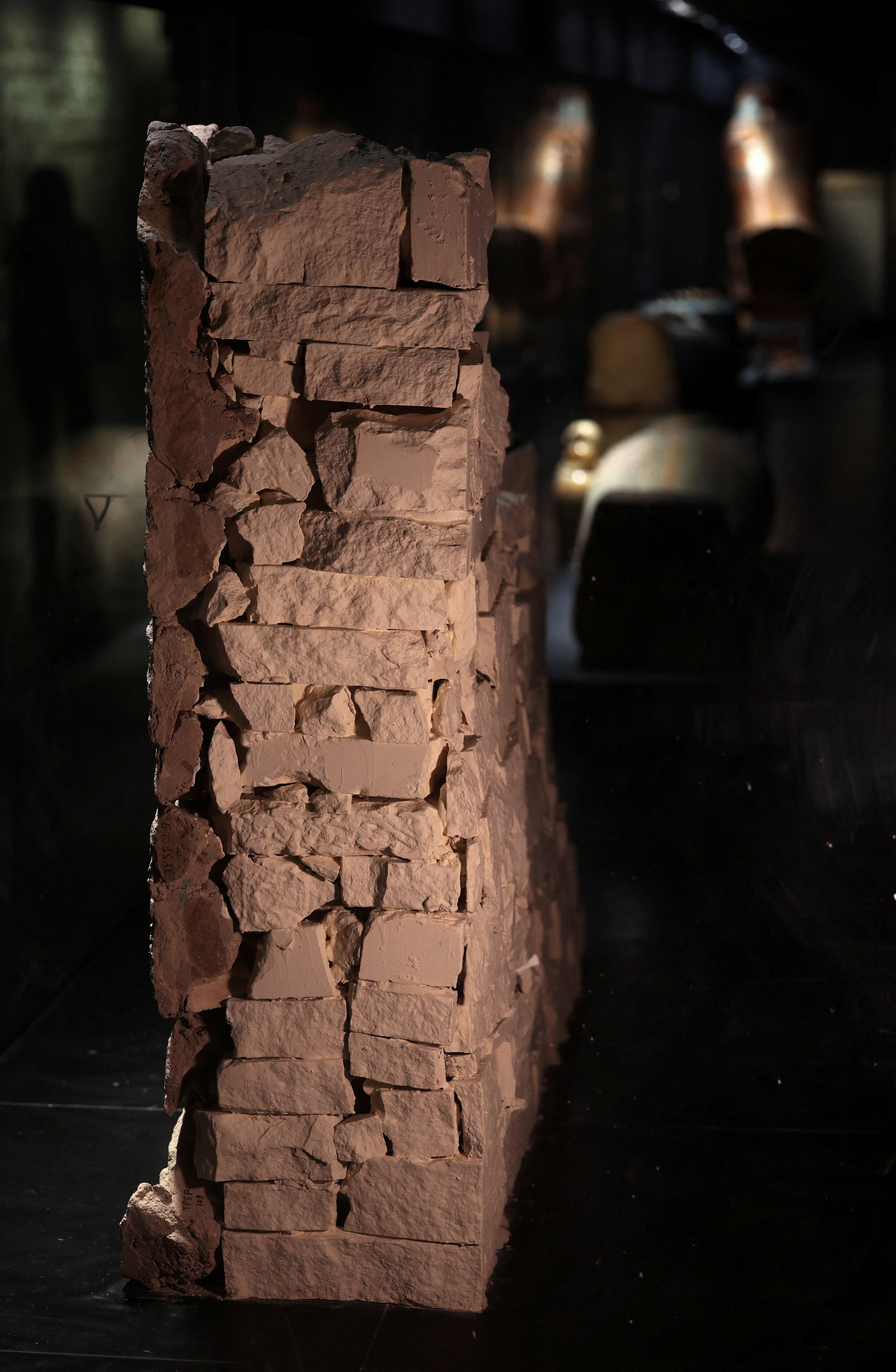
The Egyptian Ministry of Tourism and Antiquities confirmed that the original plaster blocking wall is considered among the most prominent elements associated with the sealing of the tomb, famously discovered in 1922 by British archaeologist Howard Carter.
The wall, displayed to the public for the first time at the Luxor Museum, was used to secure the entrances of the burial chamber and bore official stamps reflecting funerary rituals and the administrative authority associated with the king's burial, said the ministry.
The wall bears seals belonging to Tutankhamun as well as those of the necropolis guards charged with keeping the tombs safe and protecting them from theft, Wagdy said.
The West Bank of the River Nile at Luxor is home to the Valley of the Kings, where pharaohs and nobles of the New Kingdom were buried in tombs carved into the rock.
Among the many New Kingdom pharaohs buried there was Tutankhamun - popularly known as King Tut - whose 14th-century B.C. tomb and its full contents were unearthed in 1922.
The tombs that were opened are those of Rabuya and his son Samut from the 18th Dynasty, the first of the New Kingdom dynasties. Rabuya and Samut served as door keepers of the deity Amun, the ministry said.
"Today we are inaugurating two very important tombs that were discovered by chance in 2015," said Hisham El-Leithy, secretary-general of Egypt's Supreme Council of Antiquities.
The tombs contain scenes of activities including agriculture, harvest, crafts, bread, pottery and wine production.
Join our commenting forum
Join thought-provoking conversations, follow other Independent readers and see their replies
Comments