Netanyahu says he secretly visited UAE during war with Iran
Benjamin Netanyahu has claimed he made a secret trip to the United Arab Emirates at the height of the conflict with Iran, shoring up relations with the Gulf state after strikes by Tehran.
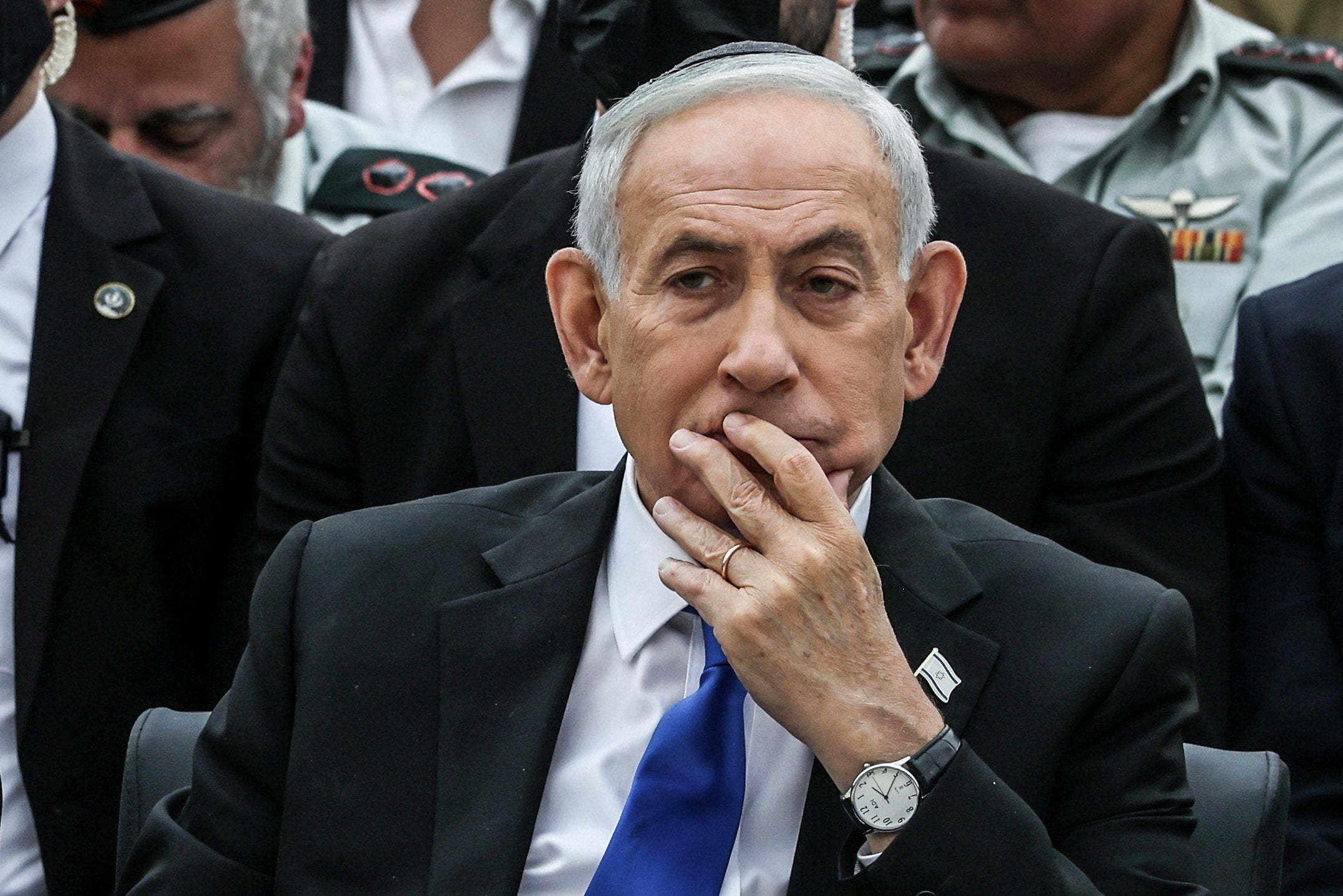
The Israeli prime minister’s office said late on Wednesday that a covert meeting with Emirati president Sheikh Mohamed bin Zayed Al Nahyan had led to “a historic breakthrough in relations between Israel and the UAE”.
A source familiar with the talks said Mr Netanyahu and Mr Sheikh Mohamed met in Al-Ain, an oasis city by the Oman border, on 26 March, and that their meeting lasted several hours.
The source said Mossad chief David Barnea also made at least two visits during the war to coordinate military actions.
But in a twist, the UAE’s foreign ministry denied the meetings took place, saying relations with Israel “are public” and “not based on non-transparent or unofficial arrangements”.
 open image in gallery
“The United Arab Emirates denies reports circulating regarding an alleged visit by Israeli Prime Minister Benjamin Netanyahu to the UAE, or receiving any Israeli military delegation in the country,” it said in a statement.
“Any claims regarding unannounced visits or undisclosed arrangements are entirely unfounded unless officially announced by the relevant authorities in the UAE.”
Two Israeli business jets were recorded landing in Al-Ain on 26 March, as initially reported by Haaretz. They returned to Israel after a four-hour visit.
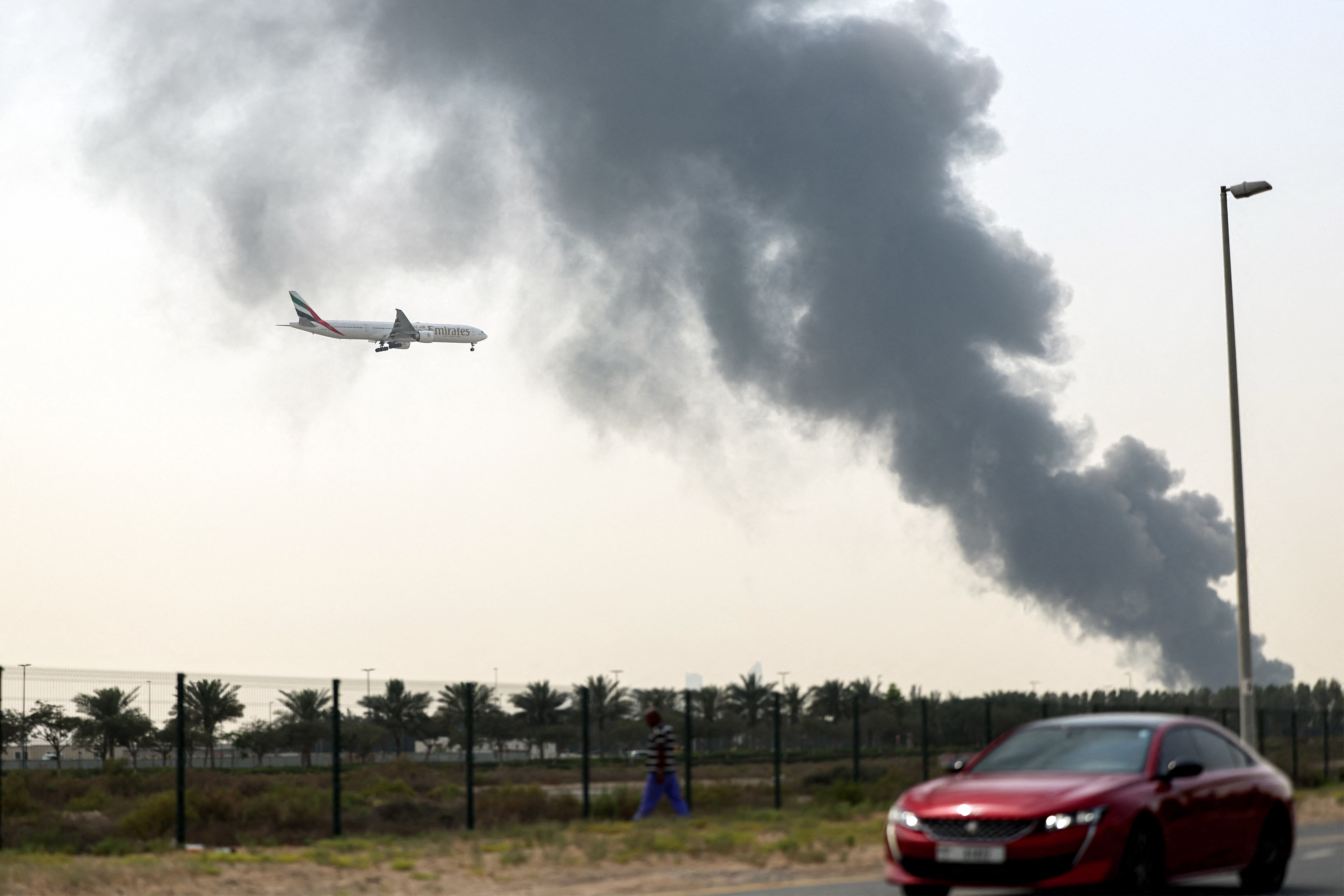
Iran singled out the UAE for intense strikes during the conflict and has threatened escalation if the US and Israel resume their attacks, with US President Donald Trump said to be considering restarting the conflict to break the diplomatic deadlock.
In response to the attacks, the UAE has launched a crackdown on Iranian businesses and institutions operating in the country, scrapping a visa scheme for Iranian nationals living in the country.
Since coming under attack, Abu Dhabi has sought to strengthen its relationships with the United States and Israel, with which it opened ties in the 2020 Abraham Accords.
 open image in gallery
Israel sent batteries for its Iron Dome interception system to the country during the war, the US ambassador to Israel, Mike Huckabee, said on Tuesday.
The UAE is a regional business and financial hub and one of Washington’s most important allies. It has pursued an assertive foreign policy and carved its own sphere of influence across the Middle East and Africa.
Unlike several Gulf peers, the UAE has a pipeline that allows it to divert some oil exports around the blockaded Strait of Hormuz, making it more able to withstand prolonged disruption. But the war risks severely damaging its role as a global economic center that offers security and ease in the region.
Join our commenting forum
Join thought-provoking conversations, follow other Independent readers and see their replies
CommentsСхожі новини
Forza Horizon 6 is all gas, no brakes in series’ first Japan pit stop
Takaichi plans to visit Britain and Italy before G7 summit in June