Telegram Founder Receives Summons at Russian Address, Designated as 'Suspect'
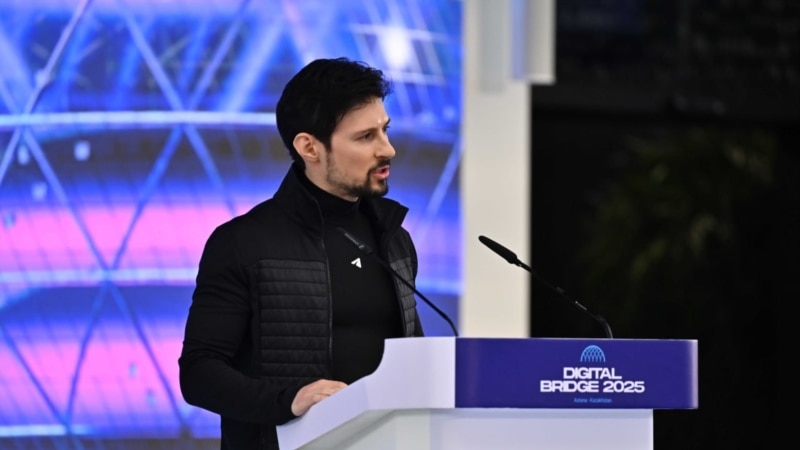
Pavel Durov, the creator of the Telegram messaging app, has disclosed that a summons arrived at a Russian address where he resided two decades ago, listing him as a "suspect" in an undisclosed matter.
Durov took to social media to announce the development, stating that authorities apparently suspect him of defending Articles 29 and 23 of the Russian Constitution, which protect freedom of speech and the right to privacy of correspondence. "They probably suspect me of defending Articles 29 and 23 of the Russian Constitution, which guarantee freedom of speech and the right to secret correspondence. I am proud to be guilty!" Durov wrote. The entrepreneur did not specify which government agency sent the summons or provide details about the alleged violation. Durov lived in St. Petersburg two decades prior to receiving the notice.
Criminal Investigation Confirmation
The disclosure follows months of reports about potential legal action against Durov. In February, the entrepreneur confirmed that Russian authorities had initiated criminal proceedings against him while he resides abroad. This announcement came after Roskomnadzor, Russia's communications regulator, announced the continuation of restrictions on Telegram's operations within the country.
At that same time, the state-controlled newspaper Rossiyskaya Gazeta and the pro-government publication Komsomolskaya Pravda published articles based on "FSB materials" alleging that an investigation was underway against Durov for facilitating terrorism. However, Russian law enforcement has not officially confirmed the existence of such a case or Durov's status as a suspect.
Ongoing Criticism of Russian Restrictions
Durov has consistently condemned Russian governmental efforts to restrict Telegram's access. "Every day the authorities invent new pretexts to limit Russians' access to Telegram, seeking to suppress the right to privacy and freedom of speech. A sad sight – a state that fears its own people," Durov wrote in February.
Following widespread blocking of Telegram across Russia in April, Durov called for "digital resistance" and announced that the messaging platform would develop new methods to circumvent government blockades. The authorities' campaign against Telegram has drawn criticism not only from Durov but also from certain pro-military bloggers, who point out the app's popularity among Russian military personnel and its use as a communication tool on the front lines.
Схожі новини

Генштаб оприлюднив актуальні дані про військові втрати окупантів у guerra проти України

Штормовий вітер та затяжні дощі: Україну накриває небезпечна погода до травня
Britain and France Seal €766 Million Agreement to Combat Illegal Channel Crossings