License to play: The new James Bond video game
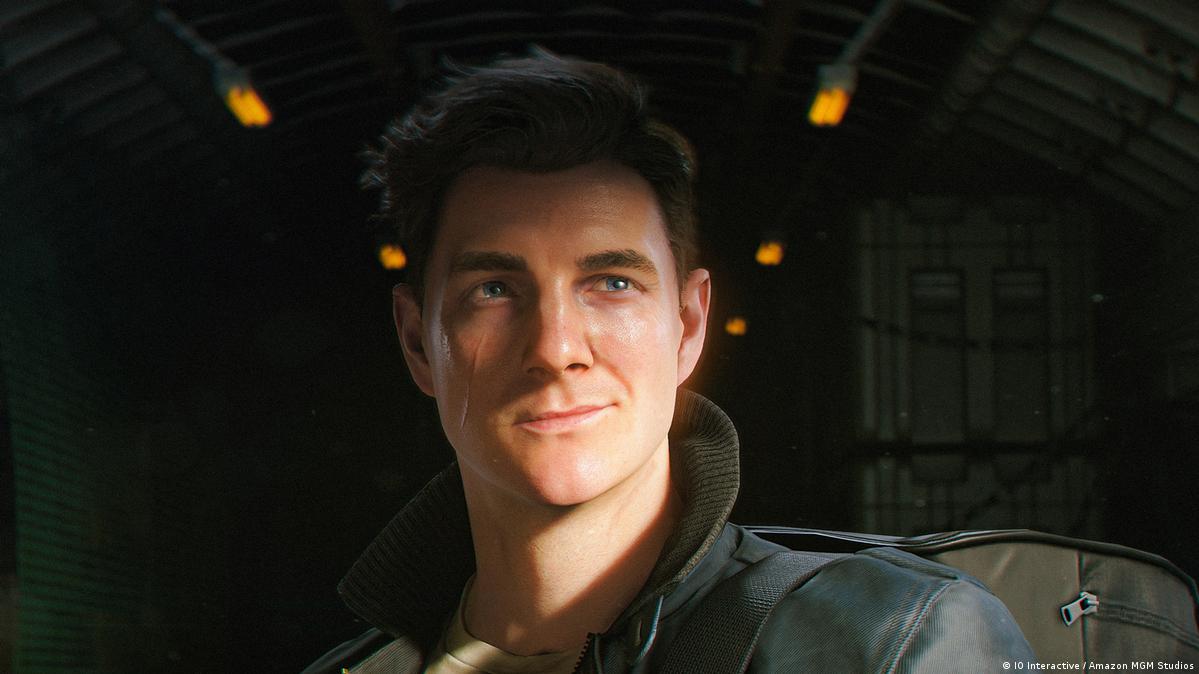
At The Game Awards last December, "007 First Light" ranked among the most anticipated games of 2026. Now, the wait is over: The new James Bond video game launches May 27 for consoles and PC. Players are able to step straight into the British secret agent's shoes. In the game, he's only 26 years old - yet unmistakably Bond.
James Bond was the brainchild of British author Ian Fleming. He made his first appearance in a 1953 novel, with the first Bond Hollywood movie hitting theaters nine years later. Actor Sean Connery was the first to portray the secret agent on screen, followed by Roger Moore, Pierce Brosnan, Daniel Craig and others.
Irish actor Patrick Gibson takes on the mantle in the new action game. It's been rumored that he could also appear in the next Bond film, although nothing has been confirmed yet. For years now there's been speculation about who would take on the role after Daniel Craig.
The James Bond game was developed by the Danish studio IO Interactive, best known for the "Hitman" franchise. Lana Del Rey contributed the title song, and Lenny Kravitz appears as the villain. "007 First Light" explores Bond's origin story, tracing his path from soldier to MI6 agent - where he received his infamous "license to kill."
The Bond franchise has been going strong for over 60 years. In addition to the 12 novels, there have been 25 films and numerous video game adaptations.
A shared enemy
But what is it about Bond that has fascinated generations of audiences for decades? "One key factor is the zeitgeist that Bond stories consistently capture," cultural studies scholar Svenja Böhm says. "The stories repeatedly pick up on current cultural trends, as well as fears within society."
Böhm also points to the Bond franchise's recognizable formula: the iconic music, far-flung locations, expensive cars and the clear divide between friend and foe. "That plays a central role, because Bond would not work without an enemy," she says. As she sees it, people construct their own identities through the enemy. "The more the enemy is associated with evil traits or otherness, the easier it becomes to distance ourselves from them. That's the core idea."
Bond simply wouldn't be Bond if he ever failed to save the world at the very last second, despite overwhelming odds - and while always "On Her Majesty's Secret Service", as the film title goes. Over the years, some have interpreted it as a subtle jab at the United States. English studies scholar Anette Pankratz notes that the global superpower that has shaped world politics for decades plays only a supporting role in Bond stories. The reality is that by the 1960s and 1970s, Britain had already lost its status as a global superpower. Nevertheless, the Bond franchise has continued to project an image of British influence on the world stage.
James Bond meets AI
The formula of a Bond story is familiar: the agent travels across the globe in pursuit of his enemy, drinks martinis in stylish bars, races in high-speed chases and flirts with attractive women. The game parallels that cinematic style. "The story reflects the times that we live in, which is also something that Bond stories have always done" lead writer Michael Vogt says of "007 First Light" in a video diary.
This time, artificial intelligence plays a central role. The game asks what people can trust more: AI or human knowledge, instinct and emotion.
New enemies throughout the decades
In the Bond novels of the 1950s, the Soviet Union served as a central enemy, Böhm points out. It stood in as a contrast to a positive self-image of Britain and the West. "Fleming also drew on those fears when he created his villains," says Danny Morgenstern, chairman of the German James Bond Club and author on the subject. "That East vs. West theme appears very strongly in the novels."
The films of the early 1960s soon shifted that image of the enemy. The Cold War remained present, but other antagonists increasingly moved to the forefront - including the fictional spy organization SPECTRE, which pits East and West against each other.
The collapse of the Soviet Union and the end of the Cold War in 1991 rendered that old enemy obsolete. A decade later, the September 11 terrorist attacks fueled widespread fears of terrorism, and Bond creators incorporated that atmosphere into the franchise as well.
Distrust of the state
In more recent Bond stories, threats increasingly come from within. Enemies are often former allies or elusive figures operating inside Bond's own world. "These stories really negotiate social anxieties," Böhm says. "There is distrust towards governments and intelligence organizations."
"007 First Light" follows that tradition. Players must track down a former 00 agent and uncover a conspiracy in classic Bond fashion - fearless, charming and equipped with an arsenal of gadgets, including a watch that can switch nearby electronic devices on or off.
Is there anything audiences can learn from Bond? According to Böhm: "The confidence that everything will turn out all right." No matter what happens, Bond can handle it. In our turbulent times, such reassurance can feel comforting.
This article was translated from German and edited by Sarah Hucal
AdvertisementСхожі новини
License to play: The new James Bond video game
Лунін отримав від Реала дозвіл на трансфер – у яку суму оцінюють воротаря збірної України

Британські візи під загрозою – сайт UK Visa Portal злив у мережу паспорти та селфі тисяч людей