Key West And A Sustainability Plan That Could Make The Federal Government Growl
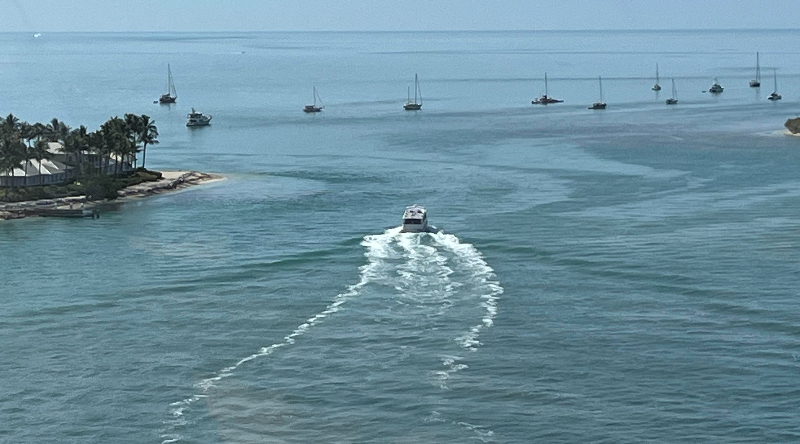 Photo of Key West by Carolyn Fortuna/ CleanTechnica
May 8, 20263 hours
Carolyn Fortuna
0 Comments
Support CleanTechnica's work through a Substack subscription or on Stripe.
Photo of Key West by Carolyn Fortuna/ CleanTechnica
May 8, 20263 hours
Carolyn Fortuna
0 Comments
Support CleanTechnica's work through a Substack subscription or on Stripe.
I’ve been traveling in Key West this week. If you haven’t been to this southernmost point of the US, you must — it’s a real treat. With Cuba just 90 miles offshore, Key West stands apart from the rest of the continental United States. It’s authentic Florida: low rise buildings, lots of free-rooted banyan trees, locals with a spark of rebellion, and water on all sides.
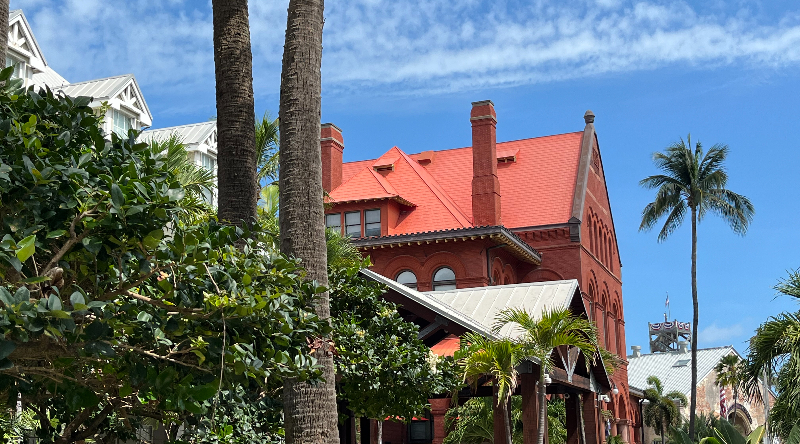
Metal roofs are prominent in efforts to ward off fire damage. Enlarged twice in its history by offshore dredging, the island’s residents today are concerned about safeguardig the coral reef and marine life off Key West’s coastline. Formerly hunted green sea turtles, prized for their delicious soup, are now protected, too. Wetlands are cordoned off here-and-there as part of mitigation attempts. Red mangroves are growing on the Atlantic side and provide a natural buffer against storms.
These Key West connections to nature are admirable, right? Well, yes, but Key West — like so many other cities around the US — is caught in the whirlwind of Trump administration chaos. You see, Key West has a fine Strategic Energy Plan, but — oops! –it has the word “sustain,” a root of the word “sustainable,” 21 times in the doc.

In 2025 the City of Key West was selected to receive technical assistance through the US Department of Energy’s (DOE) Energy Technology Innovation Partnership Project, which provides strategic energy planning to US coastal, remote, and island communities to improve energy resilience. Subsequently, the National Renewable Energy Lab (NREL) developed a Strategic Energy Plan for the City of Key West, outlining a comprehensive strategy to improve energy efficiency and independence using local renewable resources to foster long-term resilience.
The Plan is structured around four focus areas:
- Energy Efficiency: Reduce overall energy consumption and utility costs across municipal, residential, and commercial buildings.
- Local Energy Generation: Increase the share of energy produced from local sources to enhance energy independence.
- Resilience: Strengthen critical infrastructure and community preparedness for flooding, hurricanes, and other extreme weather events.
- Electric Transportation: Support the transition to electric vehicles (EVs) and develop reliable charging infrastructure to lower emissions and reliance on imported fuels.
The Trump administration is not in favor of any of these strategic areas. What’s a city to do when its federal leaders reject the facts about clean energy?
Don’t Say “Net Zero” in Key West or Other Florida Cities and Towns
The Florida Legislature has a law titled “HB 1217: Prohibited Governmental Policies Regulating Greenhouse Gas Emissions.” The bill blocks local governments from adopting or enforcing policies referencing “net-zero.” Net zero refers to any program designed to achieve a balance between the total amount of greenhouse gas emitted into the atmosphere with an equal amount removed from the atmosphere. The explicit aim of HB 1217 is to stymie any attempts to reduce emissions and transition to cleaner, renewable energy sources.
The Sierra Club calls it “one of the most sweeping and preemptive restrictions on local energy freedom in recent years.”
The passage of HB 1217 prohibits any city or county in Florida from enforcing net-zero policies. The ban includes comprehensive plans, land development regulations, transportation plans, or any other government policy or procedure. In addition, it would ban government entities from paying dues to groups that promote net-zero policies and from implementing cap-and-trade systems to limit carbon emissions.
Key West has low-lying topography, rapid urbanization, sea level rise, increasingly intense rainfall events, and high groundwater levels. Its infrastructure was not designed for these current or anticipated future conditions. Should local governments in Florida be free to pursue local net-zero goals that fight climate change, sea-level rise, extreme heat, and worsening weather plaguing their residents? In recent years the state legislature preempted simple local action to regulate plastic bag use and even certain sunscreens, which Key West wanted to adopt to defend coral reefs from further damage.
Locals aren’t amused. “There’s a lot not to like about legislation that strips local government of its right to home rule and threatens elected officials with removal from office and lawsuits,” comments Linda Grist Cunningham on Key West Island News.
The Center for American Progress (CAP) acknowledges that state governments like Florida are “stripping cities and counties of tools to act,” which “would lock consumers into aging, expensive fossil fuel infrastructure and leave ratepayers more exposed to price volatility and climate risk, not less.” Nonetheless, the CAP suggests that, in response to Trump administration actions rejecting clean energy, local leaders and others are moving quickly “to reshape climate and energy policy around affordability, reliability, and tangible public benefits.”
What can be Done to Protect Key West? Fighting Climate Change and State Government Rules
Political strategist Chris Armitage argues that more local governments should consider “soft secession,” which builds toward “geographic clarity, broad public consensus, and a population educated enough about what they’re choosing that the choice holds.” He outlines how such a stance can reduce harm today while creating genuine resilience against whatever comes next. Soft secession “keeps the door open for reconciliation if the political climate shifts, and preserves the option to escalate if it doesn’t.”
In 1982, Key West seceded from the US — for a total of one minute. The rebellion was a statement of protest over the US Border Patrol’s Highway 1 roadblocks, when people leaving the Keys were treated as though they were exiting a foreign country. Seventeen mile traffic jams that accompanied the roadblock had an immediate negative impact on tourism in the Florida Keys. Mayor Wardlow read a Proclamation of Secession, declaring that Key West would now be a sovereign nation known as the Conch Republic. Nearly immediately, he surrendered to Union forces at the Navy Base and immediately demanded one billion dollars in foreign aid and war relief “to rebuild our nation after the long Federal siege.”
Systemic change in 2026 needs a confluence of pressure that creates enabling conditions and individuals who make sustainable decisions and stick to them. Conchs, as Key West locals are called, are a fiesty bunch. Maybe they had it right in 1982.
Conchs are unlikely to succumb to a normalization drift that occurs when people living through a deteriorating political situation adjust constantly to each new condition and fail to discern their losses as citizens. Addressing these challenges will require them and others in small cities around the US to shift their approach: for most local governments, it means constantly eliminating phrases like “climate change” and “net zero” from all discourse.
Rather than accepting climate lies, cities can adopt a type of code-switching already familiar to many US citizens. A mayor controls city property, city contracts, city police, and a public platform that reaches every resident in her city. She and her leadership team can rename, recast, and reimagine climate goals so as to continue the necessary work to ensure the health of their city.
That means finding ways to integrate and scale green infrastructure, enhance system flexibility, and advance innovative, adaptive strategies for alternative management. For example, nearly all southern Florida regional stormwater infrastructure must now provide expanded storage, reduce flood risk, and improve water quality while supporting environmental and public health outcomes.
It’s important to note that US federal disregard for 1.5°C thresholds does not mean that small cities have failed. It does mean that they need to address the causes by urgently and significantly reducing greenhouse gas emissions and by phasing out fossil fuels — even if democratic structures are frail and foundering. US cities can and will find alternatives and plod on — albeit with a bit of a false front to the federal powers that temporarily control so much of daily life.
Resources
- “Florida legislature bans net-zero policies while Floridians struggle with rising gas prices.” Sierra Club, Florida Chapter. March 13, 2026.
- “Green infrastructure and innovative approaches for alternative stormwater management.” Southeast Florida Regional Climate Change Compact. Retrieved May 6, 2026.
- “Is secession safer than permanent Christo-fascist electoral autocracy?” Christopher Armitage. The Existentialist Republic. March 15, 2026.
- “State climate action in 2026: How states are delivering real benefits through climate and clean energy policy.” Frederick Bell. Center for American Progress. April 24, 2026.
- “Strategic energy plan, City of Key West, Florida.” Amanda F. Krelling, et al. Lawrence Berkeley National Laboratory. January 2026.
- “What to do when Key West breaks your heart.” Linda Grist Cunningham. Key West Island News. March 19, 2026.
CleanTechnica's Comment Policy
Share this story!
Схожі новини

Apple завершує розробку навушників із вбудованими камерами - Bloomberg
I built GitHub Store to 12,500 stars in 6 months – I started at 16
Tech Now
