Judge allows cameras in courtroom for Charlie Kirk assassination case amid conspiracy theories
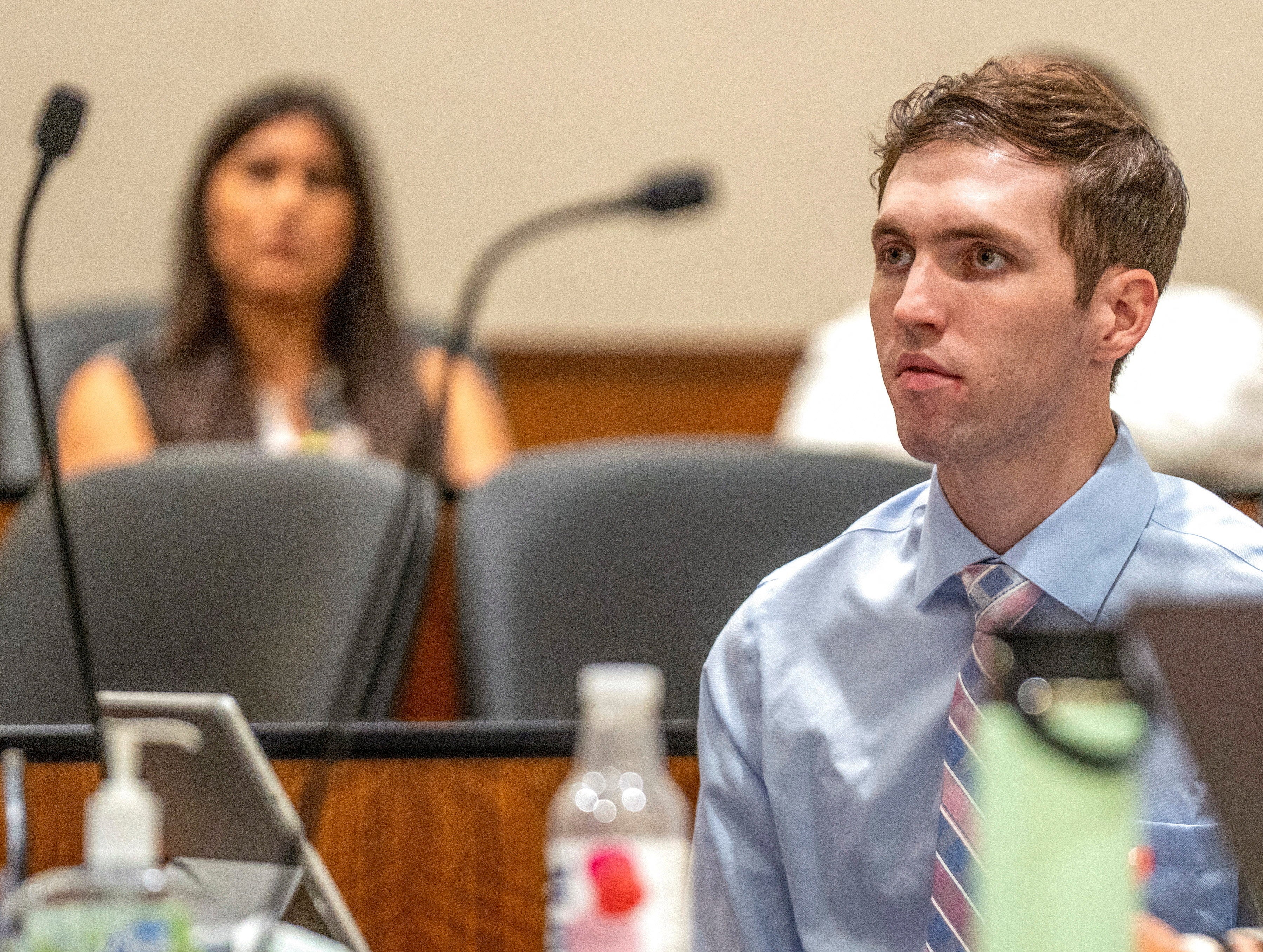
A Utah judge has ruled that cameras will be allowed in the courtroom during proceedings for Tyler Robinson, the man accused of fatally shooting Charlie Kirk, rejecting defense arguments that extensive media coverage could taint a future jury pool.
The ruling made by Judge Tony Graf Jr. on Friday comes as the case continues drawing national attention and as conspiracy theories continue to swirl online about the assassination that shook the country in September.
Judge Graf also moved Robinson’s preliminary hearing to July 6 through July 10, citing the massive volume of evidence still being reviewed in the high-profile death penalty case.
He claimed this move was necessary so that Robinson’s attorneys would have enough time to review discovery materials. He did, however, acknowledge the public’s interest in moving the case forward without unnecessary delays.
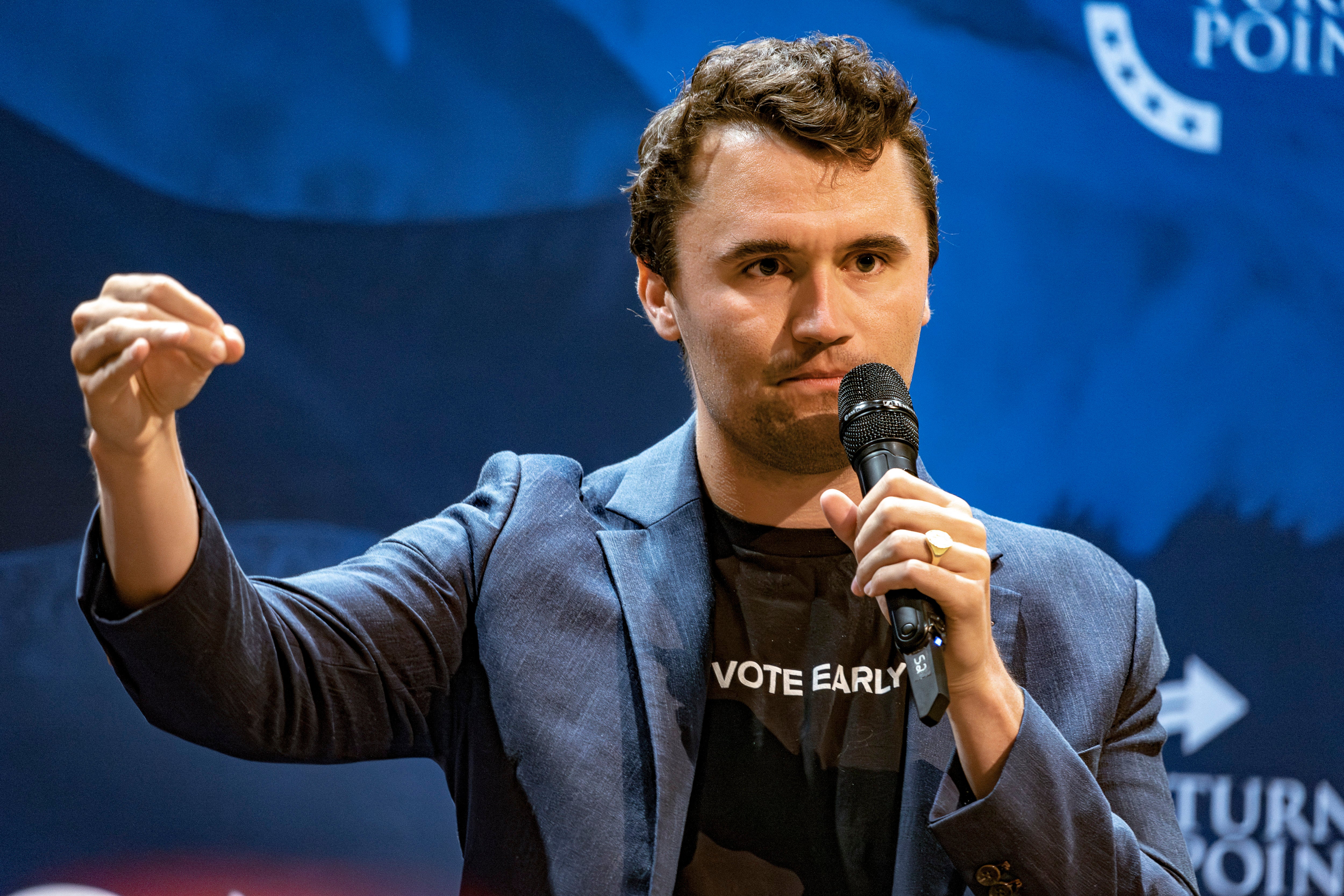
Robinson faces multiple charges, including aggravated murder, in the September 10, 2025, killing of Kirk, the founder of Turning Point USA. The charges are eligible for the death penalty.
 open image in gallery
In the immediate aftermath of Kirk’s killing, conspiracy theories spread rapidly across social media, podcasts and political forums before authorities had publicly identified a suspect or motive.
The Southern Poverty Law Center (SPLC) summarized some of these theories ahead of court proceedings.
Some commentators falsely claimed the shooter was transgender, echoing broader anti-trans narratives pushed by extremist groups. Others alleged the assassination was part of coordinated political violence by the left, despite federal research showing most political violence in the United States is linked to right-wing extremism. And some conspiracy theories promoted antisemitic claims or alleged that Robinson had been radicalized by college professors.
The defense had sought to block cameras and electronic media coverage, arguing the intense publicity surrounding Kirk’s killing could prejudice potential jurors. They also presented experts who testified that livestreamed proceedings and online commentary could reinforce public bias.
Graf ultimately rejected those arguments, finding they did not justify a blanket ban on cameras.
Policies on cameras and livestreaming vary among states, and many, including Utah give judges discretion over whether to allow cameras. Cameras are generally prohibited in federal courts.
 open image in gallery
Investigators also disputed claims that media coverage had been uniformly biased against the defense.
“I think the tone of it went both ways. I think some of the tone of it was negative toward the prosecution and some of it was negative toward the defense as well,” Utah County Attorney’s Office investigator Cole Christiansen testified in April. “Some of it was negative toward Erika Kirk, and some of it was negative toward Charlie Kirk.”
The judge also noted that most people consume information about the case through commentary and social media rather than watching proceedings live, meaning a camera ban would not necessarily limit exposure to potentially prejudicial coverage.
Graf further pointed to safeguards already in place, including restrictions on camera placement, courtroom decorum rules and limits on what attorneys can publicly say about the case.
Robinson is scheduled to return to court on May 19.
Схожі новини
Punch, the lonely monkey, is growing up. He’s still a star.
Spirit exit likely to lead to higher U.S. airfares, experts say
War and energy shortages boost China’s influence in Asia