Japan-South Korea ‘comfort women’ row stoked by statues abroad
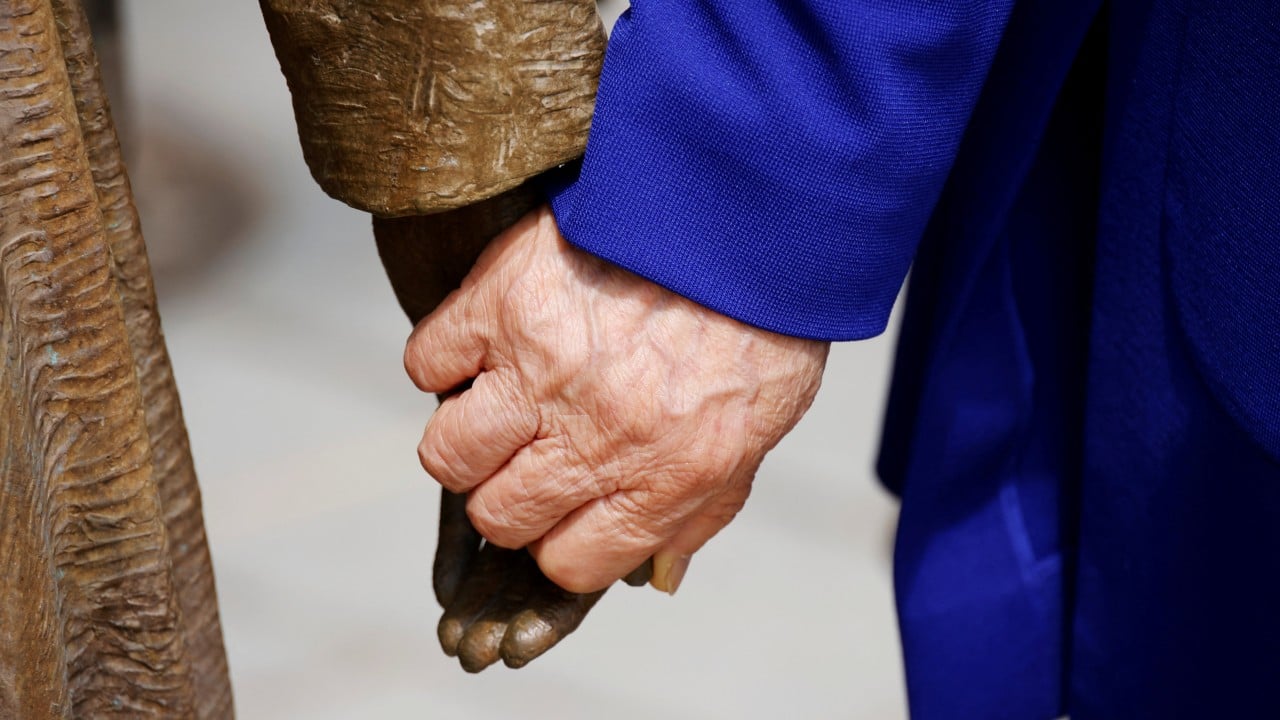
The removal of wartime sex slave memorials in Germany and New Zealand has electrified certain LDP hardliners, risking a diplomatic rift
3-MIN READ3-MIN Listen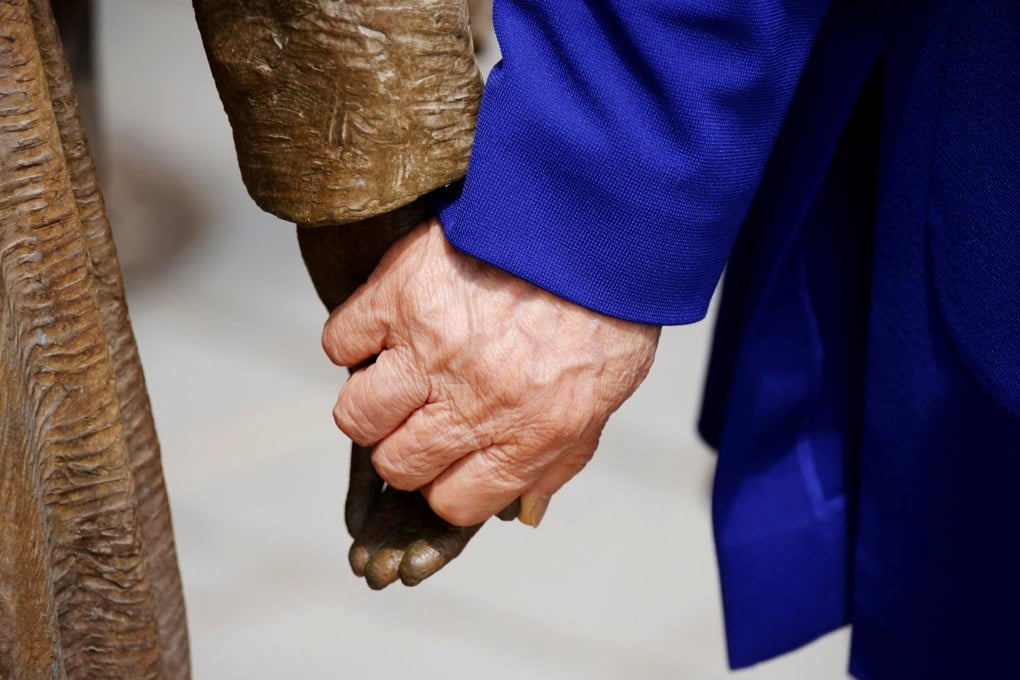
Statues erected by South Korean civic groups on the other side of the world honouring the tens of thousands of women forced into sexual slavery by imperial Japanese forces during World War II have once again succeeded in making Tokyo’s elites deeply uncomfortable.
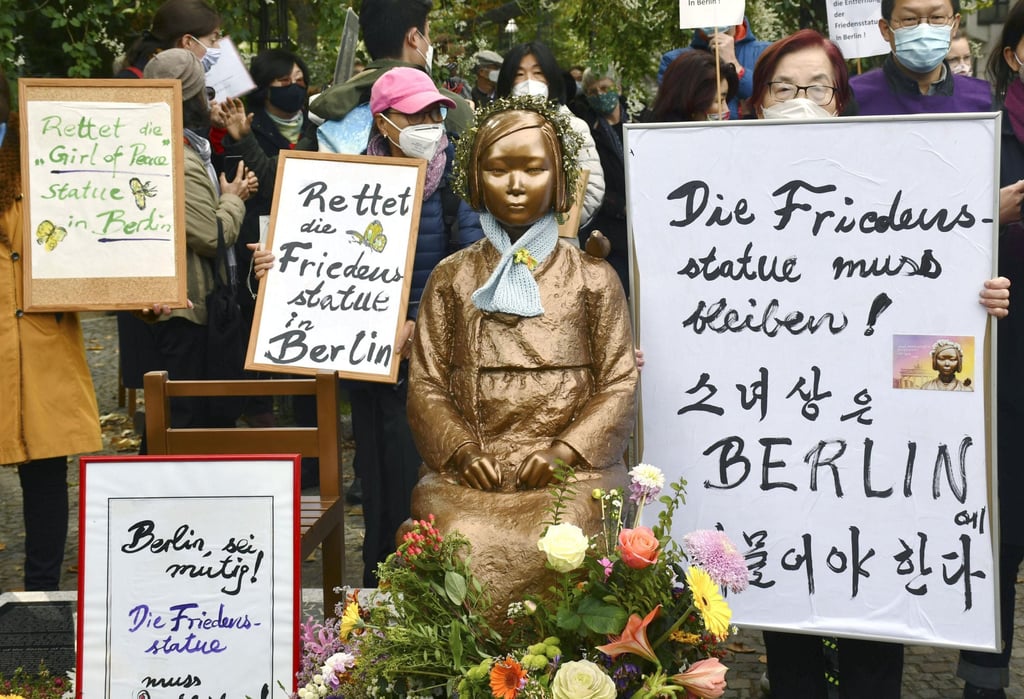
The decisions by local governments in Germany’s capital and New Zealand’s largest city to rescind or decline to renew permits for “comfort women” memorials have been pounced on by conservatives within Japan’s ruling Liberal Democratic Party, who advocate pressing Seoul harder on an issue Tokyo insists was resolved long ago.In April, Auckland’s city council reversed a previous decision to allow a memorial’s installation. Berlin similarly ordered the removal of its statue after a limited public display. The ruling survived a subsequent appeal by the South Korean group behind it and the statue is now reported to be on show elsewhere in the German capital.
A Japanese foreign ministry official briefed a joint meeting of the LDP’s foreign affairs division and its foreign affairs research council about the latest developments on Tuesday.
Advertisement“We should firmly assert Japan’s position,” one attending lawmaker was quoted as saying by the Yomiuri newspaper about the long-running dispute, which has proved a thorn in the side of successive governments in Tokyo and Seoul.
Kei Takagi, head of the foreign affairs division, added that the ruling party “must recognise that there are various developments around the world and deal with them properly”.
‘Irreversible’ but unresolved
Japan has long argued that such historical issues were resolved through the normalisation of diplomatic relations in June 1965 and the US$300 million in grants and loans it provided South Korea to settle colonial-era compensation claims arising from its rule of the Korean peninsula from 1910 to 1945.AdvertisementSelect VoiceSelect Speed0.8x0.9x1.0x1.1x1.2x1.5x1.75x00:0000:001.00xСхожі новини
Warsh confirmed as Fed chair as central bank faces Trump assault
У Києві вже 32 постраждалих, серед них немовля – мер

Зеленський відреагував на атаку РФ: понад 670 дронів і 56 ракет, головна ціль – Київ