It’s time for mass non-violent protests against Israel, says Palestinian ambassador to UK
The Palestinian population should launch widespread non-violent protest against the Israeli occupation in a bid to force a return to long-collapsed peace talks, the Palestinian ambassador to London tells The Independent.
In an unusual break with protocol, Husam Zomlot, the ambassador of the newly recognized Palestinian state which has no recognised borders, describes such action as vital.
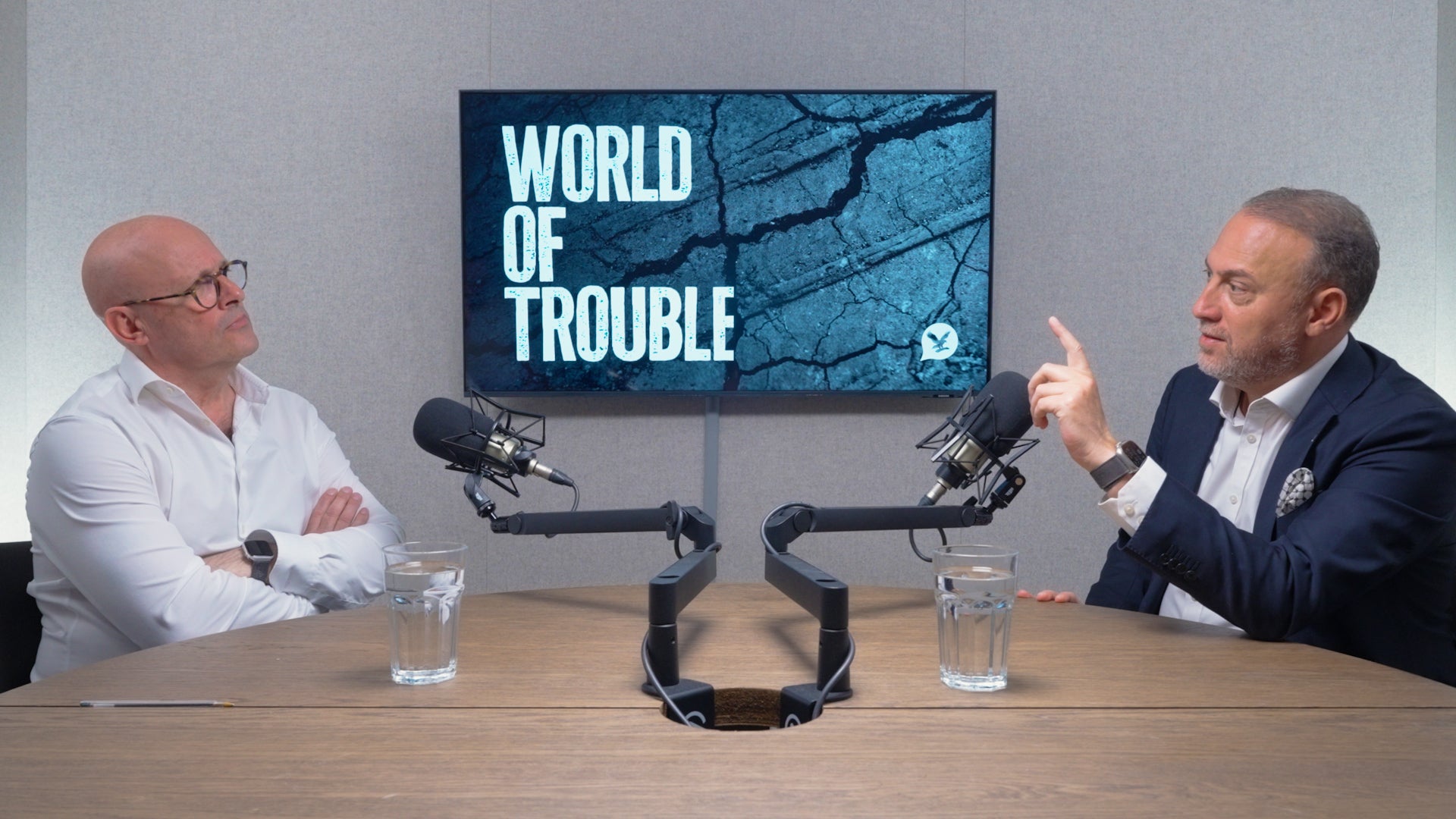
Speaking on theWorld of Trouble podcast, he says: “We must find a way that it becomes mass, because when you involve the entire society, you actually have the moral high ground and you actually can drain your occupier [of its energy].”
 open image in gallery
His intervention comes as support for Israel among US republicans has fallen and as Israeli settlers have launched a campaign of violence across the West Bank, while anti-semitic attacks have roiled London and other parts of the UK.
The issue of protest is also being discussed in the UK as police review whether marches can take place, now that the national terror level in Britain has been increased to severe.
In a wide-ranging interview, Mr Zomlot, who is based in the Palestinian embassy in Hammersmith west London, describes growing up in a Gaza refugee camp and moving to the UK as an adult.
Reflecting on decades of Israeli and Palestinian attempts to reach a peace deal, the ambassador admits that the Palestinian leadership made cardinal mistakes in the early 1990s, then under the head of the Palestine Liberation Organization, Yasser Arafat, when they officially agreed to end violence against Israeli targets.
”You call it violence. International law has a different [interpretation],” he says. “They call it resistance, and there was a UN general assembly resolution in 1973 giving the Palestinian people the right to armed resistance, defined very clearly in international law to be targeting the army of the occupation.”
Mr Zomlot argues that Arafat’s parent organization, the Palestinian National Liberation Movement - known by its Arabic acronym Fatah - agreed to end the armed resistance as part of the Oslo peace process that began in the early 1990s but claims it revealed “another Israeli trick”.
 open image in gallery
The Palestinians did not demand, nor get, a recognition of a state or its borders as a consequence of recognising the rights of Israel.
Reflecting on the current political state, he adds: “The key question is does Israel consider its presence in the Occupied Territory [Gaza and the West Bank] temporary or permanent?”
Hamas, the hardline militant Islamic Resistance, has opposed peace with Israel and used terrorist attacks to deliberately sabotage any hopes of normalisation over the last three decades. Zomlot dismisses its violence as a “distraction”, adding: “You’ll always have spoilers.”
Hamas is undergoing a change in leadership and while support for its extremist ideology fluctuates at no more than about 40 per cent among Palestinians, and often lower, it remains the most popular single party.
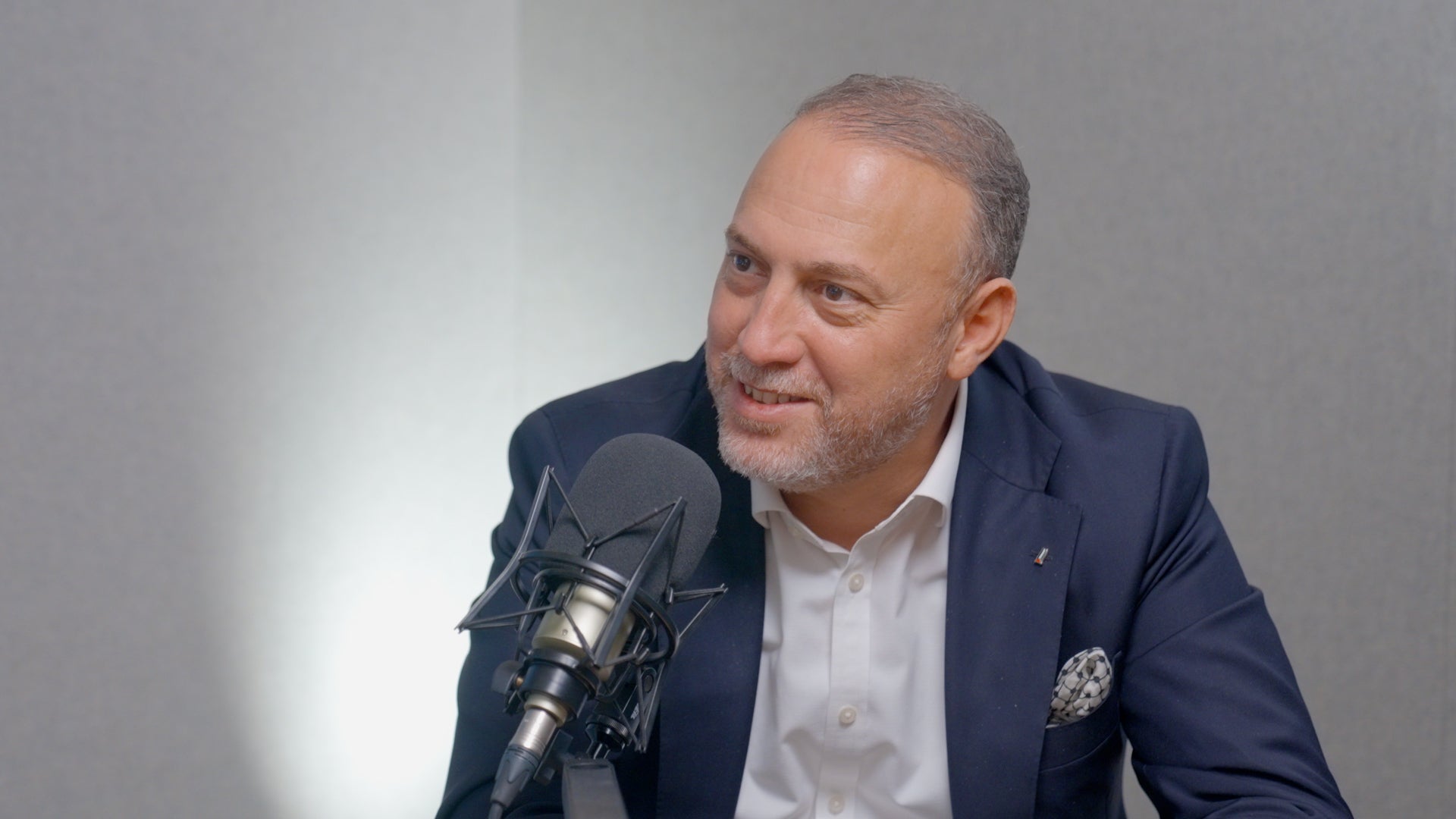
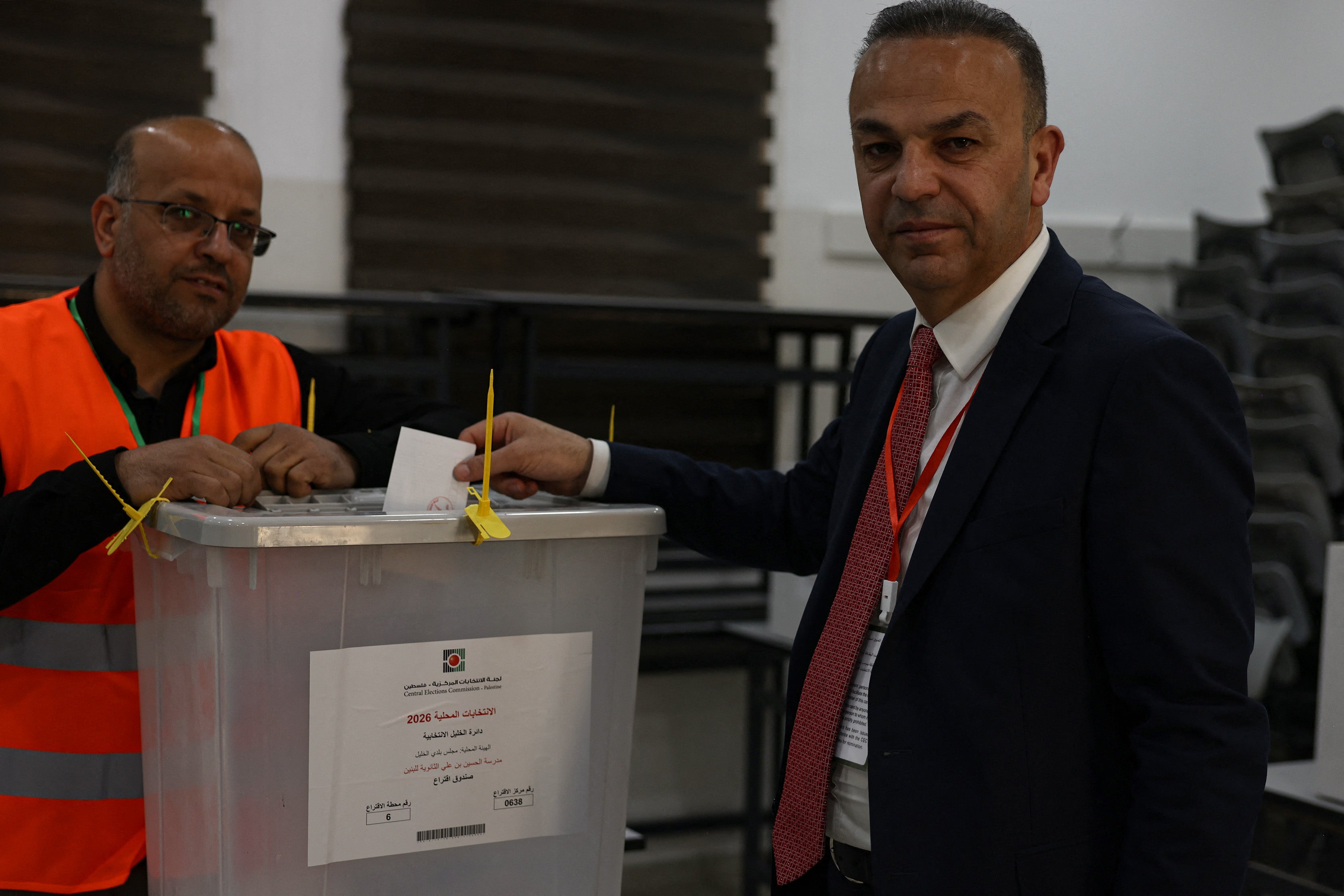
Mr Zomlot associates himself with Fatah, which is also changing its leadership through internal elections which will define the future of the Palestinian Authority (PA), the body that has limited powers over most Palestinians on the West Bank.
 open image in gallery
Israeli and international human rights groups have condemned Israel’s occupation of the West Bank since 1967 as “apartheid”.
A patchwork of towns and areas run by the PA where Palestinians have no rights under Israeli law sits in a landscape of growing Israeli dominance where Jewish Israelis are governed by Israeli law.
Lately the Knesset, Israel’s parliament, has passed a law that mandates hanging for any Palestinians that kills a Israeli in an “act of terror” in the most racially explicit legislation for capital punishment on earth.
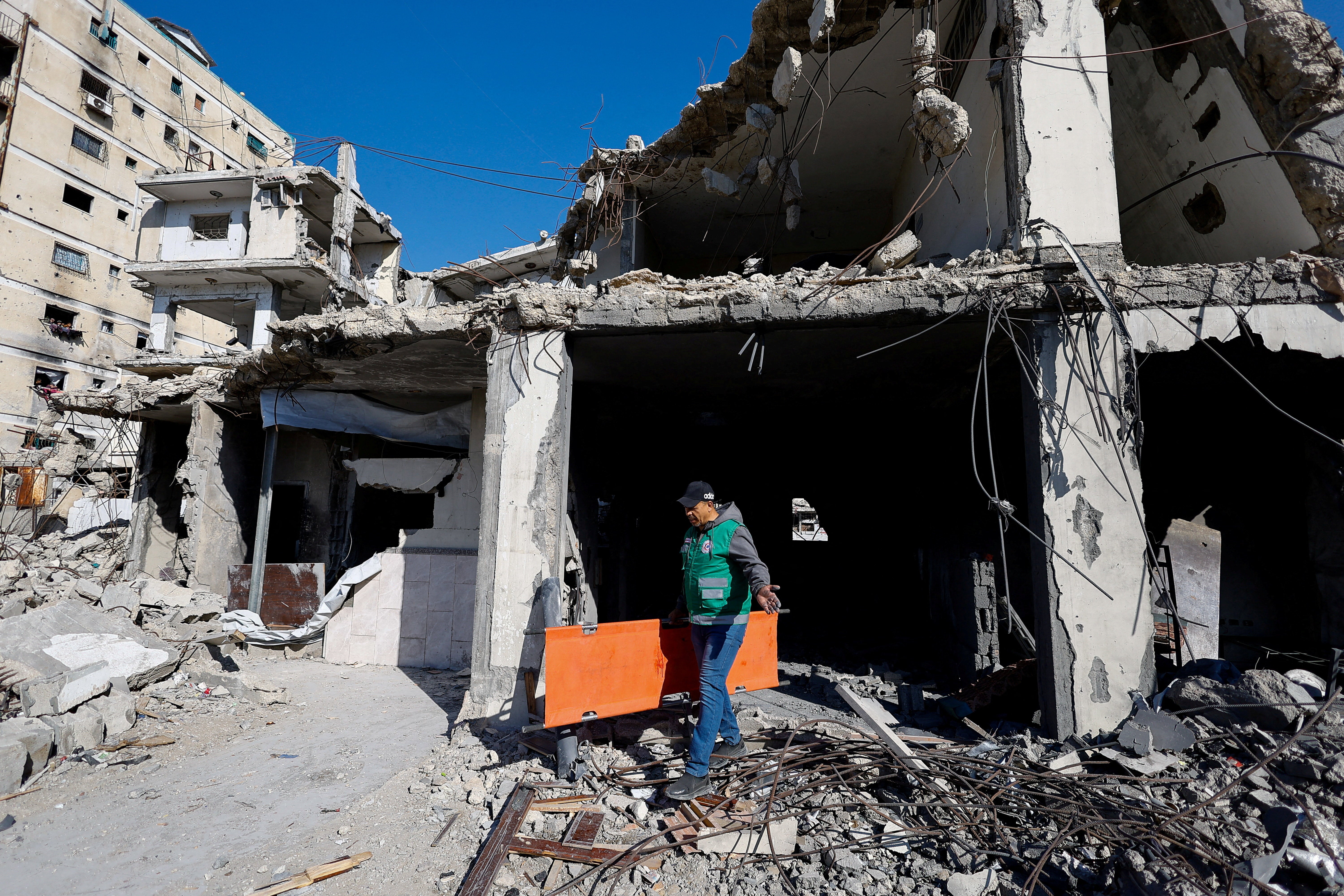
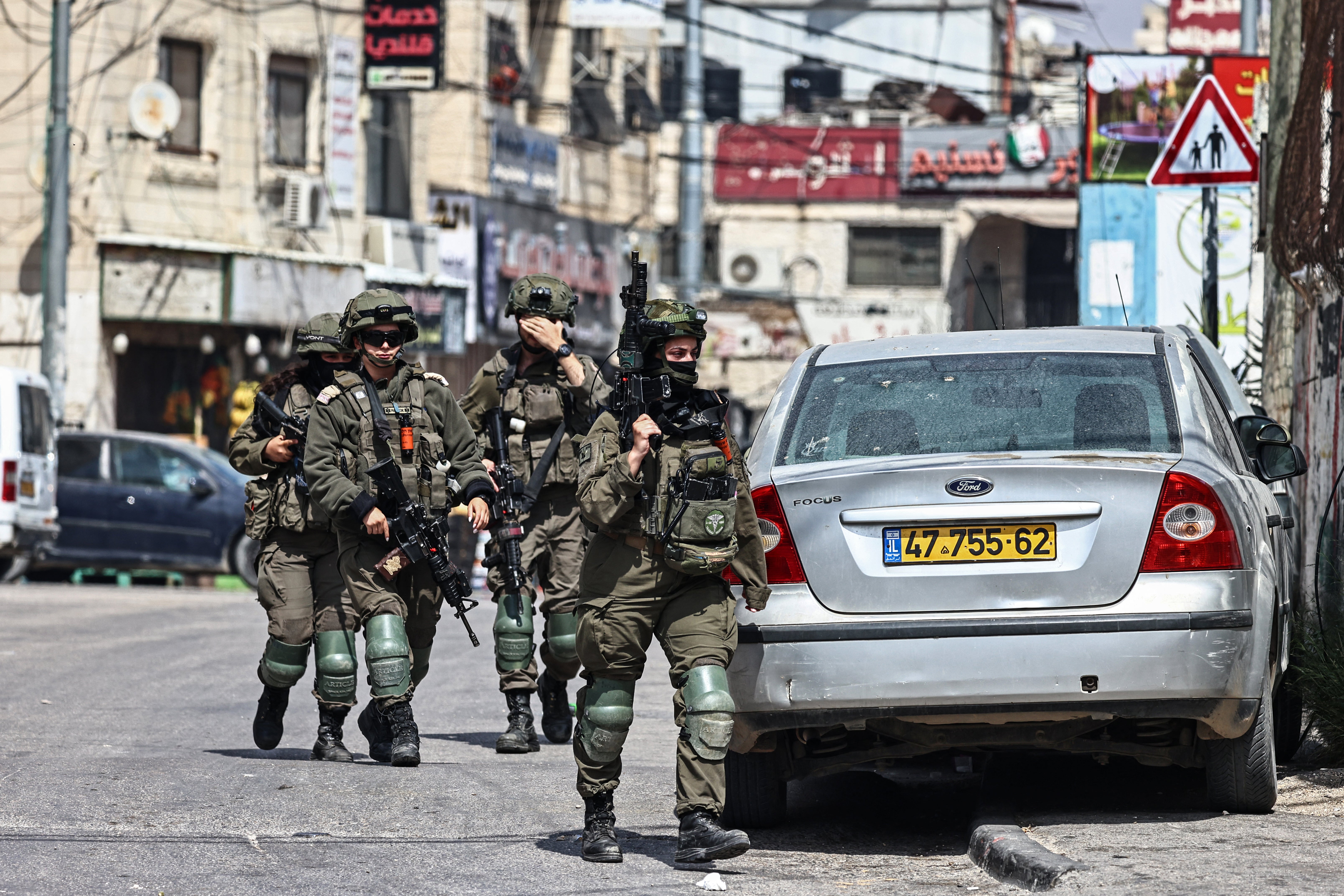
The Hamas atrocities of 7 October 2023, in which around 1,200 were killed and 250 taken hostage, provoked Israel’s deadly campaign in Gaza, in which 80,000 people were killed.
The relentless bombing of Gaza for two years, combined with ongoing Jewish settler violence on the West Bank has left many on all sides of the conflict to wonder whether Palestinian violence would become more widespread. Whether Fatah would return to war?
”We need to make sure that we find a way that is not war,” Mr Zomlot says. “But that has to be coupled with an international campaign similar to that of South Africa, to suck oxygen out of the settlements, out of the occupation... We cannot do it alone.
“Fatah understands that the first thing we need to do is the unity of our people and making sure our people remain on our land.
 open image in gallery
“Now, the effective mode is nonviolent resistance, but we have to redefine resistance. It's important. Resistance is not just armed resistance.”
Until recently, efforts by pro-Palestinian groups to garner support for campaigns to boycott Israel, disinvest in Israeli companies and impose sanctions on its government have run into criticism that they were antisemitic.
But Zomlot told World of Trouble that there were signs that Israel’s standing in the US was slipping.
Sixty per cent of Americans have an “unfavourable” view of Israel according to a recent Pew poll, a seven per cent rise in a year.
“All of a sudden the world has discovered that Israel is the root of all the issues in the Middle East and worldwide, and that Israel must be brought into compliance,” he claims.
“This conversation did not happen before, and it's happening here in Britain. It's happening in Europe, and certainly it's happening now in the US for the first time.
“We see not only the Democrats, but the Republicans having a serious conversation about the US-Israel relationship.”
Asked if that has been brought on by the invasion of Iran, he replies: “Yes, it has brought that back to the fore and then it brought it back to Iraq, and back to everything that happened. What is the interest of the US in this? What is the objective of this?”
Hard line Israelis under the Netanyahu government support the idea that the country is faced with such deep existential dangers from groups like Hamas and Hezbollah and regimes like the ayatollahs of Iran, that the country’s security can only be guaranteed by force.
 open image in gallery
Mr Zomlot dismisses the idea: “They can’t punch their way to safety.
”Respect the people around you, and you will see different and better security. Think that your security comes from the insecurity of others. It doesn't work. Think that your security comes from all failed states around you. It doesn't work. That will produce for you groups that are way more even radical than the current groups.
“Think that by threatening to dismantle entire societies, it brings peace for you. Think again. The only way peace can come is by you thriving and everybody else thriving.”
Join our commenting forum
Join thought-provoking conversations, follow other Independent readers and see their replies
CommentsСхожі новини
Britons set to punish Starmer's Labour in local polls
Кабмін розподілив 183 млн грн на модернізацію харчоблоків в 10 школах

Fire breaks out in Dnipro following Russian attack; factory damaged