It’s not ecotourism if it risks damaging Hong Kong’s natural assets

.jpg?itok=vApOQ9B1&v=1777444504)
Authorities need to shift ecotourism management strategies to avoid it becoming part of the problem it was meant to solve
3-MIN READ3-MIN1 Listen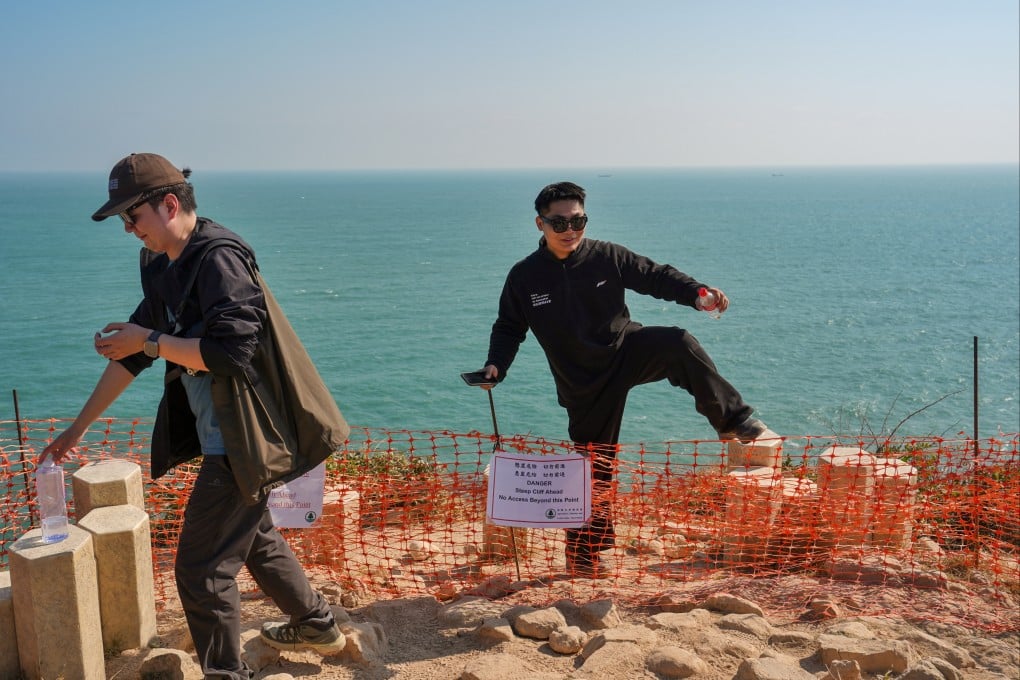
For decades, Hong Kong’s tourism success rested on a clear formula: shopping, dining and urban experiences. That model is losing momentum. Overnight visitor spending has fallen from around HK$193 billion (US$24.6 billion) in 2015 to HK$128 billion last year. Shopping has declined sharply as spending shifts to sightseeing and experiences. Travellers are no longer coming only to consume – they seek a connection to nature, culture and place.
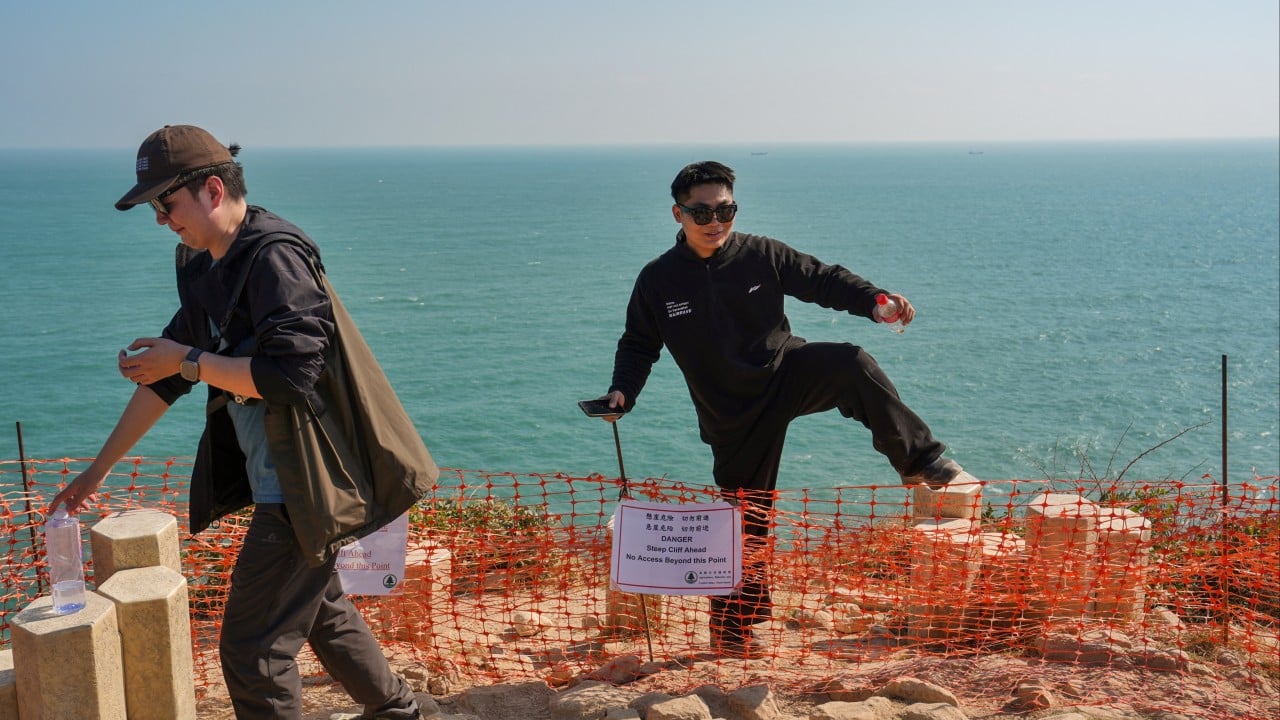
This transition presents a clear opportunity. Hong Kong’s country parks, coastlines and rural landscapes are all within easy reach of the city centre. As tourism evolves, these natural assets are becoming increasingly central to Hong Kong’s competitiveness. Unsurprisingly, ecotourism has emerged as a popular solution, promising a model where economic development and conservation reinforce each other.Yet much of what is currently labelled as ecotourism is not delivering ecological outcomes. Across Hong Kong, nature-based activities have grown rapidly but so have the pressures on fragile environments. Popular sites such as Sharp Island, the High Island Reservoir East Dam and MacLehose Trail are increasingly overcrowded, with trampling, habitat degradation and wildlife disturbance becoming more visible.AdvertisementThis creates a contradiction. If ecotourism is meant to protect nature, why are some of our most visited eco-destinations under increasing pressure?
The instinctive response is to assume Hong Kong lacks guidance. This is not the case. Globally, ecotourism is well defined. Organisations such as the United Nations, Global Sustainable Tourism Council and International Union for Conservation of Nature converge on a consistent set of principles: ecotourism must be nature-based, minimise environmental impact, provide education and deliver benefits to conservation and local communities.AdvertisementThe issue is implementation. In Hong Kong, the framework for ecotourism is fragmented. Policy references are often conceptual, guidelines are largely non-binding and responsibilities are distributed across multiple actors: government departments, site managers and community groups – without a clear mechanism to align incentives or enforce outcomes.
AdvertisementSelect VoiceSelect Speed0.8x0.9x1.0x1.1x1.2x1.5x1.75x00:0000:001.00xСхожі новини
Taiwan president defiant as begins Eswatini trip; China calls him a 'rat'
Spirit ends operations after White House bailout collapses

Понад 1000 окупантів і новий показник у знищеній техніці: які втрати Росії на 3 травня
