Is Indonesia’s blasphemy law for religious protection or political purpose?
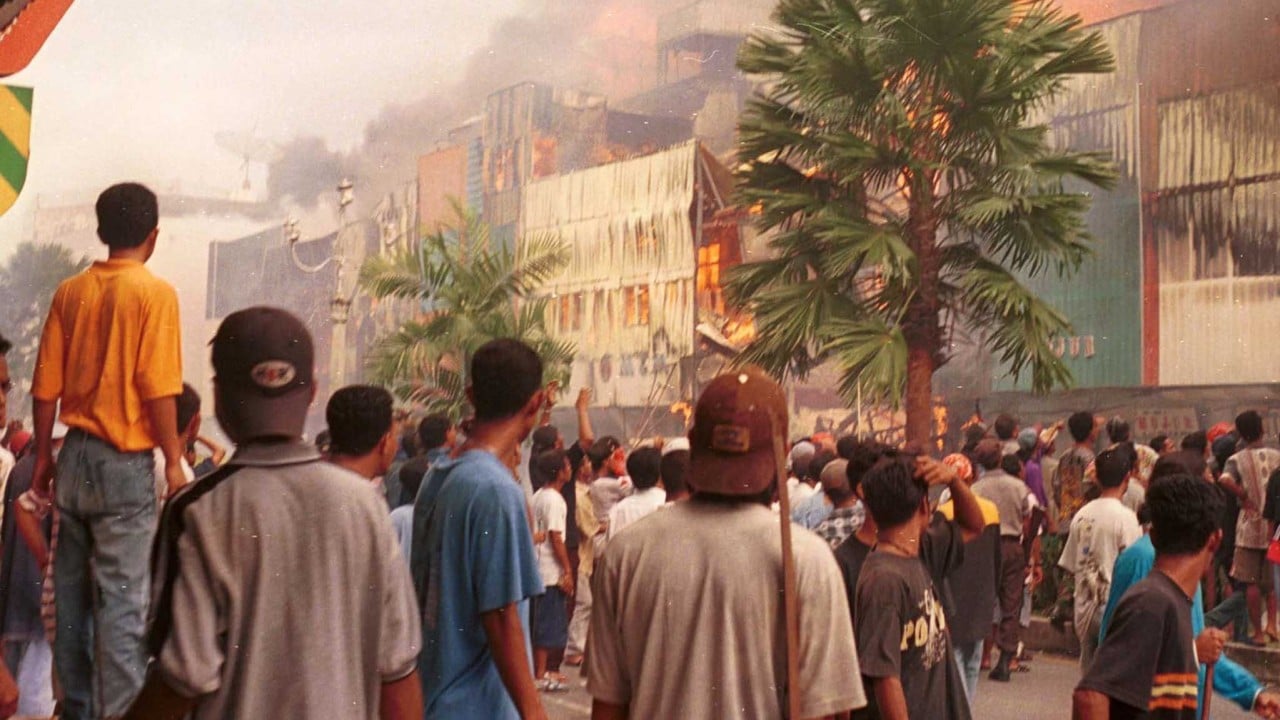
The law has come under the spotlight after complaints filed against a former vice-president over his comments on sectarian violence
5-MIN READ5-MIN Listen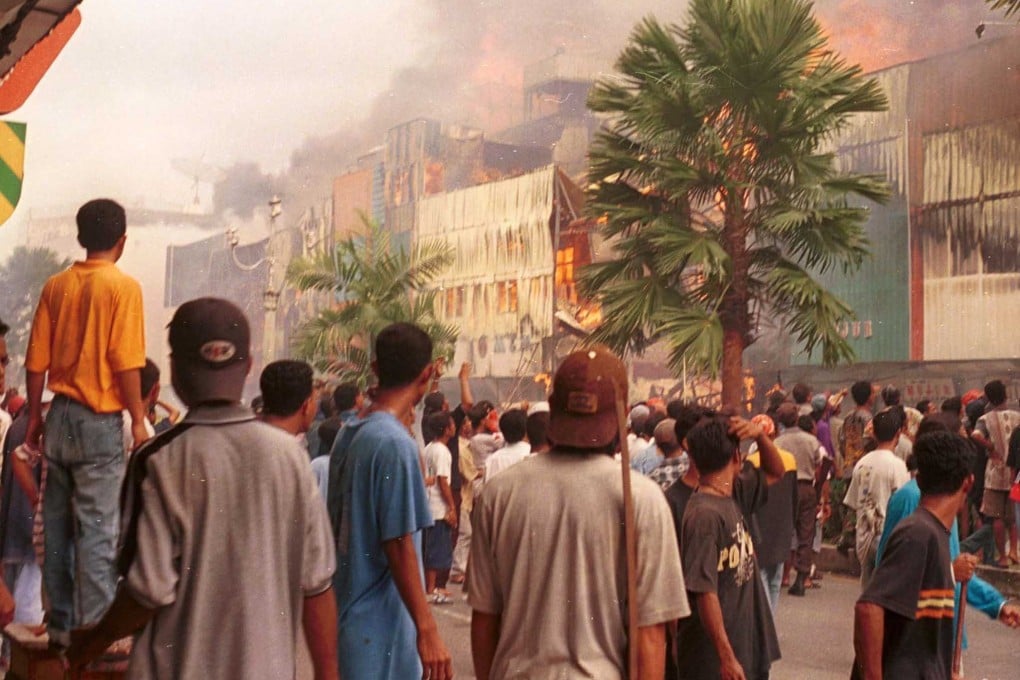
The case is unusual because it involves Christian complainants against one of the most senior Muslim figures in the world’s most populous Muslim-majority nation and reflects what critics have long called the law’s central flaw: its susceptibility to politicised use.
Kalla, a career politician who no longer holds public office, was reported by several Christian and Catholic youth groups in mid-April over comments made during a public lecture at Indonesia’s Gajah Mada University last month.
AdvertisementAs part of the address to university students, Kalla referenced historic sectarian conflict in Indonesia, including in Poso in Central Sulawesi and Ambon in the Malukus, two sites associated with deadly Muslim-Christian violence.
“Why do religions easily become a reason for conflict, like in Poso and Ambon? Because both Muslims and Christians believe that killing or being killed can be considered martyrdom,” he said.
AdvertisementThe Poso clashes involving Muslim and Christian religious groups lasted from 1998 to 2001 and reportedly left more than 1,000 people dead. The religious riots in the Malukus from 1999 to 2002 caused at least 5,000 deaths.
“During conflict, both sides hold that belief. If I kill a Muslim, I become a martyr. If I die, I also become a martyr. That makes it difficult to stop,” Kalla said, with footage of the speech going viral on Indonesian social media.
AdvertisementSelect VoiceSelect Speed0.8x0.9x1.0x1.1x1.2x1.5x1.75x00:0000:001.00xСхожі новини
РФ має бути відсторонена від світових ядерних ринків після окупації ядерних об'єктів – гендиректор ЧАЕС
Russian Platforms Label Pushkin, Gogol Classics Under ‘Drug Propaganda’ Law

"Укрзалізниця" очікує отримати перший електровоз від Alstom у І кв.-2027