Is Earth getting brighter at night? It's complicated, new NASA 'Black Marble project' images reveal
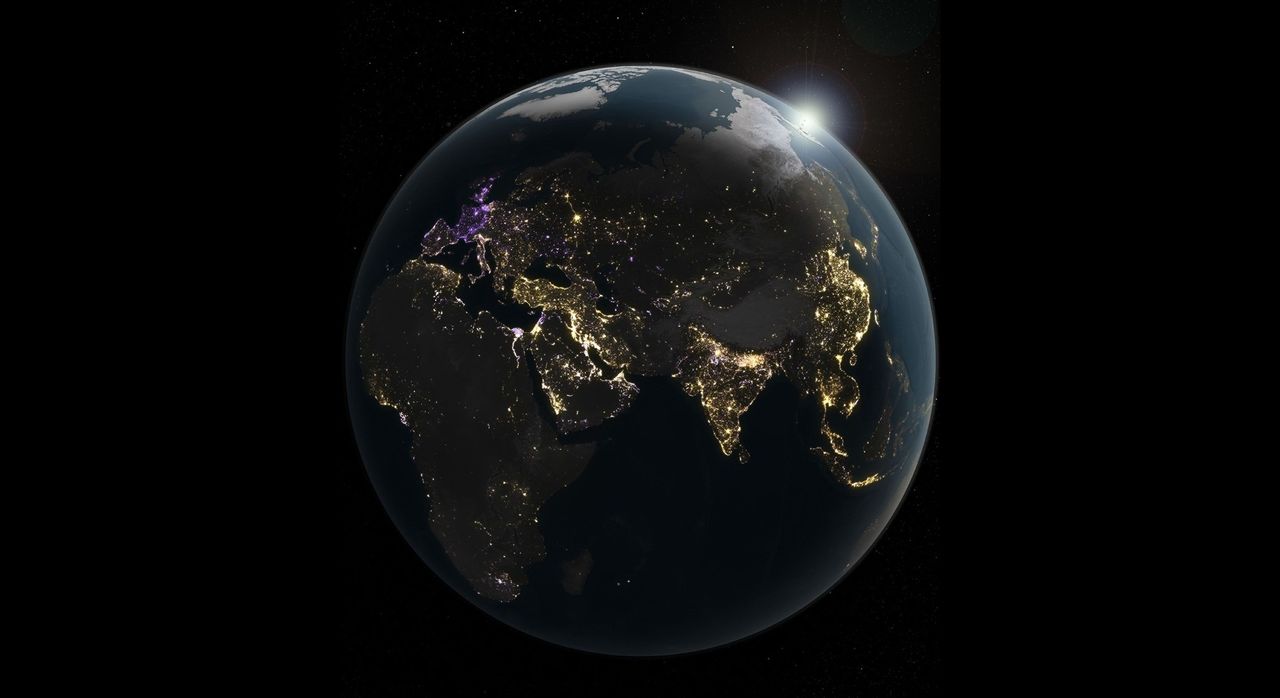
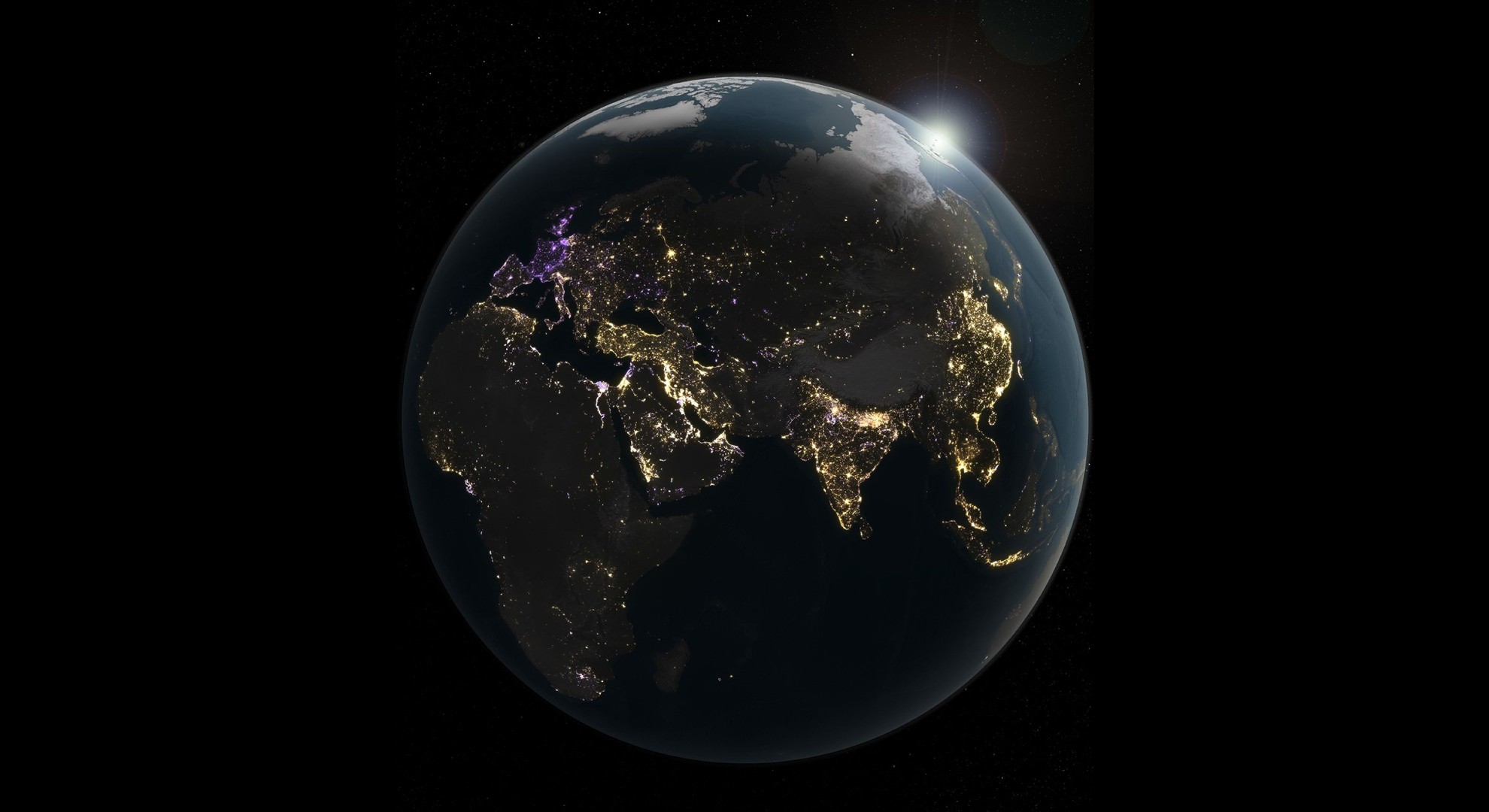
A NASA study reveals that Earth is glowing brighter at night overall — but not everywhere, and not in the way scientists expected.
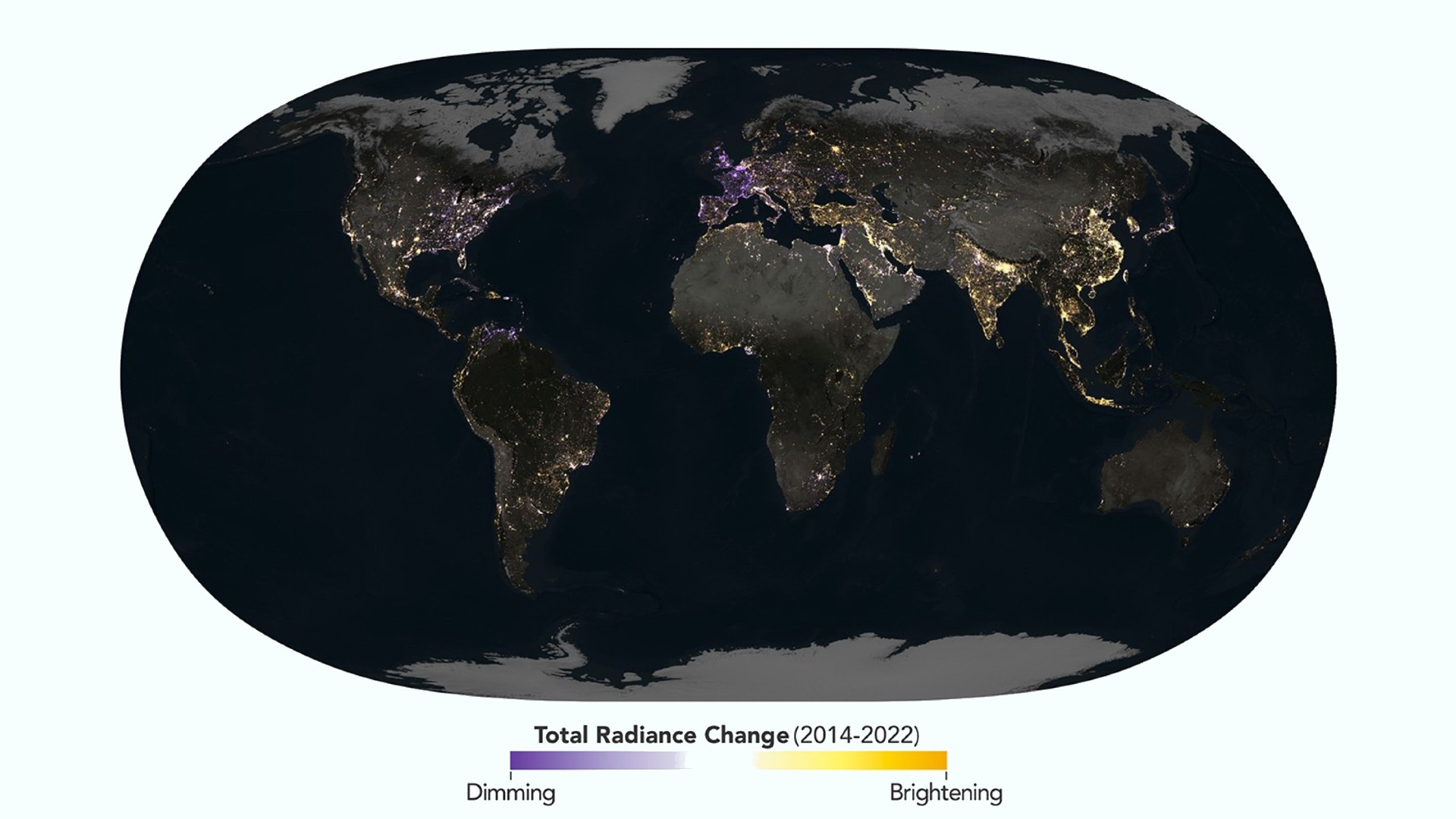
A new analysis of nearly a decade of satellite observations from NASA's Black Marble project has revealed a surprisingly complex picture of how humanity's activities are reshaping how our planet looks after dark. Some regions have dramatically brightened due to urbanization and electrification, while others have dimmed because of energy-efficient lighting, economic decline, the effects of war or policy changes.
"In the U.S., for example, West Coast cities grew brighter as their populations increased, while much of the East Coast showed dimming, which the team attributed to the increased use of energy-efficient LEDs and broader economic restructuring," NASA officials said in the statement.
Europe also showed notable declines in nighttime brightness, driven in part by conservation policies, energy-saving measures and efforts to reduce light pollution. France, in particular, stood out for aggressive dark-sky initiatives.
Elsewhere, the maps captured the fingerprints of conflict and economic instability. Areas of Ukraine, Lebanon, Yemen, Afghanistan and Venezuela experienced sharp dimming associated with war, infrastructure damage or economic collapse. At the same time, emerging economies across sub-Saharan Africa and Southeast Asia grew substantially brighter as electrification and infrastructure projects expanded into previously dark regions. Asia overall recorded some of the strongest increases, particularly in China and northern India, according to the statement.
NASA's Black Marble product is designed to strip away interference from moonlight, clouds, snow and atmospheric effects to isolate human-generated nighttime illumination. The VIIRS day-night band detects light across wavelengths ranging from green to near-infrared, allowing scientists to monitor city lights, industrial activity and even fishing fleets from orbit.
The technology has evolved into one of the world's most detailed long-term records of artificial light at night. Earlier nighttime-light maps were often composites produced years apart, but Black Marble processes daily observations, giving researchers a much more dynamic view of Earth's changing nightscape, according to the project overview page.
Scientists say the data is valuable for much more than producing beautiful maps. Nighttime-light measurements can help researchers track urban growth, disaster recovery, power outages, industrial activity and migration patterns. The information also offers insight into the spread of light pollution, which has become an increasing concern for astronomers, ecologists and public health experts.
Artificial light at night has been linked to disruptions in ecosystems and animal behavior, including impacts on migrating birds, insects and sea turtles. Researchers have also warned that excessive nighttime lighting can affect human circadian rhythms and obscure views of the night sky for much of the global population.
The new maps underscore that Earth's nights are no longer changing in one direction. Instead, the planet's illuminated footprint now flickers in response to economics, technology, policy decisions and global crises — a constantly shifting portrait of human activity visible from space.
Their findings were published April 8 in the journal Nature.
View MoreYou must confirm your public display name before commenting
Please logout and then login again, you will then be prompted to enter your display name.
Logout
Samantha Mathewson joined Space.com as an intern in the summer of 2016. She received a B.A. in Journalism and Environmental Science at the University of New Haven, in Connecticut. Previously, her work has been published in Nature World News. When not writing or reading about science, Samantha enjoys traveling to new places and taking photos! You can follow her on Twitter @Sam_Ashley13.
Схожі новини