Iran war: US expecting Tehran's response to proposed deal
What you need to know
- Iranian response to US proposal expected by Friday night Eastern time, Donald Trump said
- US and Iran working toward closing in on a memo to set up a framework for a month of talks to end the war, media outlets report
- Qatar urges both sides to engage in mediation
Welcome to DW's coverage of the Iran war and its impact on the wider Middle East and around the world on Saturday, May 9, 2026.
Skip next section Qatar calls on US, Iran to pursue diplomacy05/09/2026May 9, 2026Qatar calls on US, Iran to pursue diplomacy
Qatari Prime Minister Mohammed bin Abdulrahman Al Thani on Friday urged both the US and Iran to engage in mediation efforts during a meeting with US Vice President JD Vance in Washington.
The Qatari Foreign Ministry said in a statement on X that the prime minister "stressed the need for all parties to engage with the ongoing mediation efforts, to pave the way for addressing the root causes of the crisis through peaceful means and dialogue, leading to a comprehensive agreement that achieves lasting peace in the region."
"We reaffirm our support for diplomacy advancing security, stability, and lasting regional and global peace," Al Thani later wrote on X.
Qatar is among the Gulf countries drawn into the conflict as Iran targeted US military facilities there in retaliation for US and Israeli attacks on the Islamic Republic.
Iran launches retaliatory strikes across Gulf region
To view this video please enable JavaScript, and consider upgrading to a web browser that supports HTML5 video
https://p.dw.com/p/5DVmOSkip next section Iranian response to US truce proposal expected 'tonight,' Trump says05/09/2026May 9, 2026Iranian response to US truce proposal expected 'tonight,' Trump says
Washington was expecting Tehran's response to its latest proposal on a deal to set up the parameters for talks to end the war by Friday night, US President Donald Trumpsaid.
"I'm getting a letter supposedly tonight, so we'll see how that goes," Trump told reporters outside the White House.
Iran has been studying the latest proposal for days, saying it remains undecided.
On Thursday, the US said it attacked Iranian military facilities in what it described as a response to Iranian attacks on three US Navy ships in the Strait of Hormuz that were intercepted.
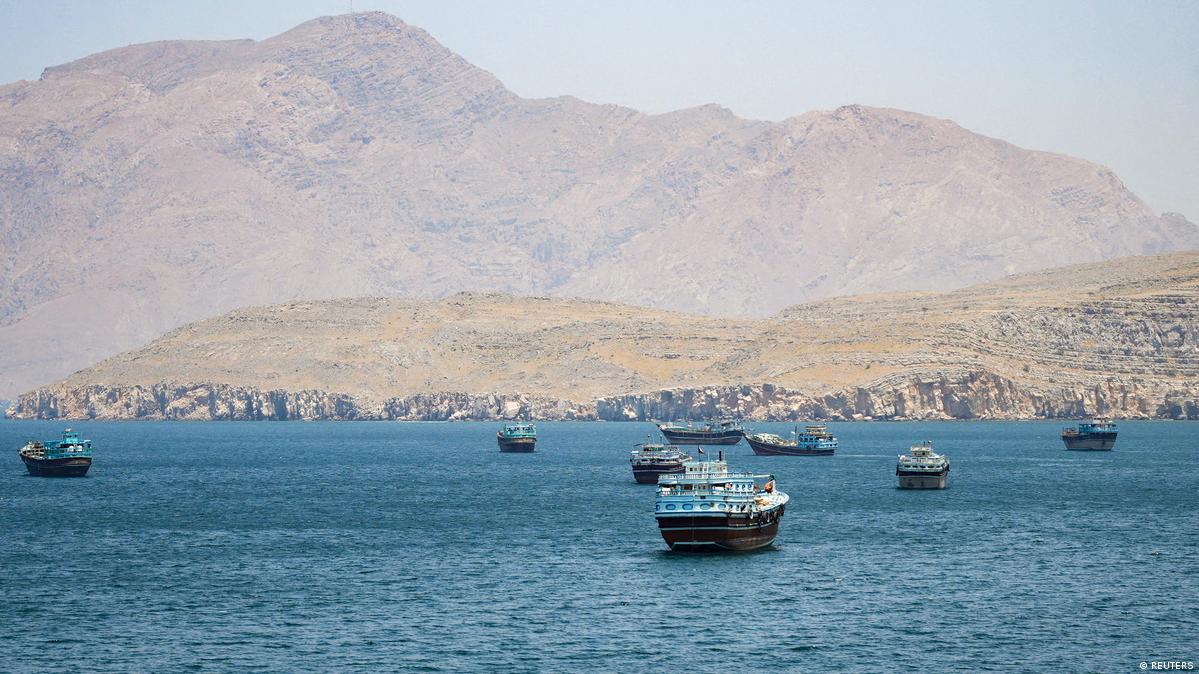
Iran has largely blocked traffic through the strategic waterway since US-Israeli attacks launched the war on February 28, and has occasionally attacked vessels attempting to transit the strait.
Tehran described the US strikes as a violation of the ceasefire.
But Trump said that the month-long ceasefire with Iran remains "in effect." He suggested that talks with Iran were still on track despite the renewed hostilities, telling reporters, "We're negotiating with the Iranians."
Trump confident war against Iran will end 'quickly'
To view this video please enable JavaScript, and consider upgrading to a web browser that supports HTML5 video
https://p.dw.com/p/5DVmMSkip next section Welcome to our coverage05/09/2026May 9, 2026Welcome to our coverage
Roshni Majumdar EditorThank you for joining our blog about the Iran war and its impact on the global economy.
Here's a recap of the most important headlines from Friday:
US forces fired on and disabled two Iranian oil tankers after exchanging fire with Iranian forces in the Strait of Hormuz.
The United Arab Emirates, meanwhile, reported another Iranian missile and drone attack.
The attacks cast more doubt on a tenuous month-old ceasefire that the US has insisted is still in effect.
World food prices climbed in April to their highest in more than three years due to the Iran war and the effective closure of Hormuz, the UN Food and Agriculture Organization (FAO) said.
If you missed it, you can read more in our Friday roundup of the biggest headlines on the war.
https://p.dw.com/p/5DVmLShow more postsСхожі новини
Punch, the lonely monkey, is growing up. He’s still a star.
Spirit exit likely to lead to higher U.S. airfares, experts say
War and energy shortages boost China’s influence in Asia