Iran war: Tehran says 'progress' made in talks with US

What you need to know
- Both Trump and Ghalibaf have signaled 'progress' in talks to end the war
- Iran has closed the Strait of Hormuz after reopening it on Friday
- The ceasefire between US-Israel and Iran is set to expire on Wednesday
Here is a round-up of the latest developments from the US-Israeli war with Iran and the wider Middle East on Sunday, April 19, 2026:
Skip next section WATCH — Iran's sudden Hormuz reversal: What it signals now04/19/2026April 19, 2026WATCH — Iran's sudden Hormuz reversal: What it signals now
Marianna EvensteinTehran has reimposed its blockade on the Strait of Hormuz, just a day after saying it would reopen the critical waterway.
DW asked Middle East expert Simon Mabon what this says about Iran's strategic calculations.
Iran's sudden Hormuz reversal: What it signals now
To view this video please enable JavaScript, and consider upgrading to a web browser that supports HTML5 video
https://p.dw.com/p/5CR9ASkip next section Iran's top negotiator Ghalibaf says there is 'progress' in talks with US04/19/2026April 19, 2026Iran's top negotiator Ghalibaf says there is 'progress' in talks with US
Speaker of the Iranian parliament, Mohammad Bagher Ghalibaf, said that there has been "progress" in talks with the US "but there are many gaps and some fundamental points remain."
Speaking in a televised address, Ghalibaf, who is negotiating the terms of bringing a permanent end to the war started by Israel and the US, said, "We are still far from the final discussion."
"There are some issues on which we insist ... They also have red lines. But these issues could be just one or two," he added.
The US and Iran entered a ceasefire on April 8 that is set to expire on Wednesday, unless it is extended.
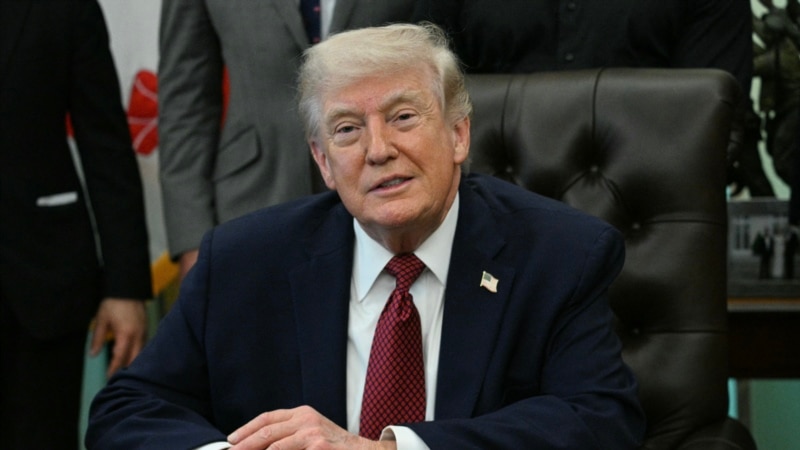
Meanwhile, US President Donald Trump said that "very good conversations" were going on with Iran but warned Tehran against trying to "blackmail" the United States.
Previous talks between the US, led by Vice President JD Vance, and Iran, led by Ghalibaf, in Pakistan, ended without a deal after a marathon night of negotiations.
One of the main sticking points for both sides is Iran's nuclear ambitions, with the US demanding Iran hand over all of its nuclear material.
Iran war: What's next after Islamabad talks fail?
To view this video please enable JavaScript, and consider upgrading to a web browser that supports HTML5 video
https://p.dw.com/p/5CR99Skip next section Welcome to our coverage04/19/2026April 19, 2026Welcome to our coverage
Alex Berry EditorWelcome to our live coverage of the crisis in the Middle East. Here are the most important headlines from the last couple of days:
- Iran once again closed the Strait of Hormuz on Saturday, after reopening it on Friday
- The Iranian U-turn came as the US continued its blockade of Iranian ports and coastal areas
- Iran said it would keep the strait closed until the US ends its blockade
- A top official warned that a final peace deal still remained 'far' off
- US President Donald Trump threatened withdrawal from the ceasefire with Iran if a long-term deal to end the war is not agreed upon by Wednesday
Stay tuned as we bring you the latest developments in the US-Israel with Iran.
https://p.dw.com/p/5CR8OShow more postsСхожі новини

Командування: від початку доби відбулось понад 160 боєзіткнень, найбільше – на Покровському напрямку
Five questions awaiting Starmer as he faces Commons over Mandelson scandal