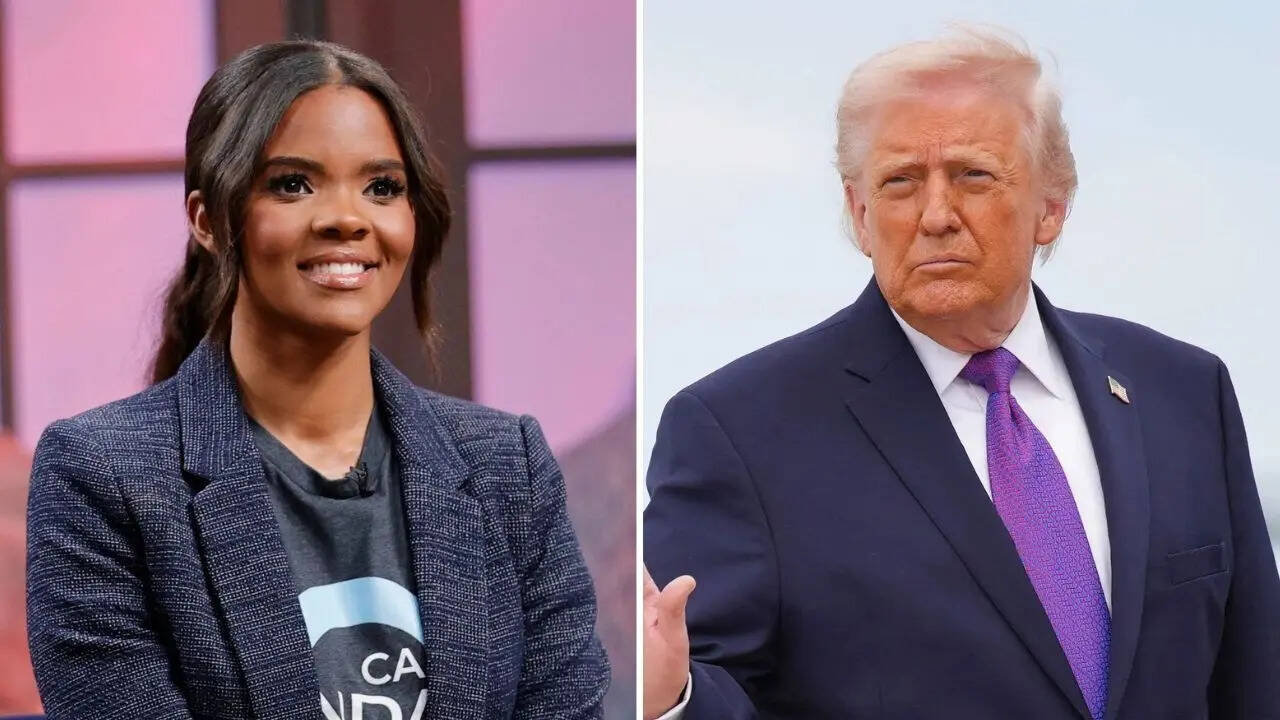
Iran war: No direct talks in Islamabad expected

What you need to know
- Iran's foreign minister arrives Pakistan, rules out direct talks with US
- US special envoys Steve Witkoff and Jared Kushner expected in Islamabad on Saturday
Here are the latest developments in the Iran war and the Middle East on Saturday, April 25
Skip next section US treasury secretary says no renewal of Russian oil waivers 04/25/2026April 25, 2026US treasury secretary says no renewal of Russian oil waivers
US Treasury Secretary Scott Bessent on Friday signaled that there are no plans to renew a temporary sanctions waver that permitted purchases of Russian oil and gas currently at sea.
After Iran effectively blocked 20% of global oil supply from transiting the Strait of Hormuz following US and Israeli attacks, Washington issued a waiver for Russian petroleum products in March to stabilize global energy prices after oil prices surged. The US also issued one-time waiver for Iranian oil at sea to relieve energy markets.
The waiver on Russian oil was extended earlier this week. Bessent told the Associated Press on Friday, that the extension came after "more than 10 of the most vulnerable and poorest countries" asked for "help."
"It was for those vulnerable and poor countries. But I wouldn't imagine that we’d have another extension. I think the Russian oil on the water has been largely sucked up.”
Bessent added that there would be no extension of the waiver on Iranian supplies as the US continues to enforce a naval embargo.
"We have the blockade, and there’s no oil coming out," he said.
"And we think in the next two, three days, they’re going to have to start shuttering production, which will be very bad for their wells."
US waiver boosts Russian oil revenues amid Iran war
To view this video please enable JavaScript, and consider upgrading to a web browser that supports HTML5 video
https://p.dw.com/p/5CmxhSkip next section EU chiefs doubt German proposal to ease Iran sanctions over Hormuz04/25/2026April 25, 2026EU chiefs doubt German proposal to ease Iran sanctions over Hormuz
German Chancellor Friedrich Merz on Friday proposed to gradually ease sanctions on Iran in return for reopening the Strait of Hormuz, and was quickly met by skepticism by the leadership of the European Union.
"If a comprehensive agreement is to be reached, then we are also prepared to ease the sanctions step by step," Merz said after a two-day EU summit in Cyprus.
Merz added that any deal to wind down sanctions would depend on "definitive end to Iran’s nuclear program" and for an end to Iran's threats to Israel.
However, European Commission President Ursula von der Leyen and European Council President Antonio Costa said Iran needs to deescalate the conflict, eliminate its nuclear threat and stop oppressing its own people.
"We should not forget 17,000 young people have been killed in the first month of this year," said von der Leyen, referring to the regime's violent crackdown on protests before the war. The EU responded by tighterning punitve measures against Iran.
Costa said Tehran has not done enough to show it is not trying to build a nuclear weapon.
"We cannot ignore the nature of the regime, the violence of the regime against their people," he said. "I think it's too early to talk about relieving any kind of sanctions."
EU leaders weigh options to deal with Iran war
To view this video please enable JavaScript, and consider upgrading to a web browser that supports HTML5 video
https://p.dw.com/p/5CmxNSkip next section State of US-Iran talks in Pakistan remains unclear 04/25/2026April 25, 2026State of US-Iran talks in Pakistan remains unclear
The US and Iran on Friday both gave conflicting statements on the state of potential peace talks, as Pakistan tries to get a second round of negotiations off the ground.
The first round of talks in Islamabad two weeks ago led by US Vice President JD Vance ended after 21 hours with no progresstowards a deal. Since then, US President Donald Trump has said a ceasefire would be extended indefinitely, albeit while continuing to issue threats towards Tehran.
However, without a deal, the global econonmy remains on edge, as passage for goods, oil and gas through the Strait of Hormuz remains impeded by both the threat of Iranian attacks, and a US blockade on Iran-aligned shipping.
Unresolved issues ahead of Iran-US peace talks in Islamabad
To view this video please enable JavaScript, and consider upgrading to a web browser that supports HTML5 video
White House Press Secretary Karoline Leavitt told reporters on Friday that US envoys Jared Kushner and Steve Witkoff will go to Pakistan on Saturday "to engage in talks ... with representatives from the Iranian delegation."
"We’ve certainly seen some progress from the Iranian side in the last couple of days," she added. Leavitt did not offer any details about what US officials were hearing.
"The Iranians reached out, as the president called on them to do, and asked for this in-person conversation," Leavitt said, adding that the talks would "hopefully move the ball forward towards a deal."
Later, Iran's Foreign Ministry said Foreign Minister Abbas Araghchi had arrived in Islamabad, but ruled out a direct meeting with US envoys.
Instead, the foreign ministry said Araghchi would convey Iran's "observations" to Pakistan.
https://p.dw.com/p/5CmwKSkip next section Welcome to our coverage04/25/2026April 25, 2026Welcome to our coverage
Wesley Dockery EditorHello and thank you for joining us as we bring you the latest developments related to the US-Israel war with Iran and the impacts on the wider Middle East.
Here is a recap of important events from Friday:
- White House press secretary Karoline Leavitt told reporters that US envoys Jared Kushner and Steve Witkoff will go to Pakistan on Saturday.
- JD Vance, who led talks with Iran in Islamabad nearly two weeks ago is on 'standby'
- Iran's Foreign Minister Abbas Araghchi has landed in Pakistan, but Iranian media did not confirm talks with the US
- Iran and the US remain locked in a standoff over the Strait of Hormuz, with Pentagon chief Pete Hegseth a saying blockade on Iranian ports will remain in place 'until necessary'
- Israel and Lebanon agreed to extend the ceasefire by three weeks, US President Donald Trump said late Thursday
- Israeli strikes in Lebanon killed six people on Friday, the Lebanese Health Ministry said, a day after the US announced an extension of a ceasefire.
Stay tuned as we bring you the latest headlines and analysis.
The Day with Phil Gayle: The Iran war's real winners
To view this video please enable JavaScript, and consider upgrading to a web browser that supports HTML5 video
https://p.dw.com/p/5Cmw8Show more postsСхожі новини
U.S. adding firing squads, electrocution and gassing to federal execution methods
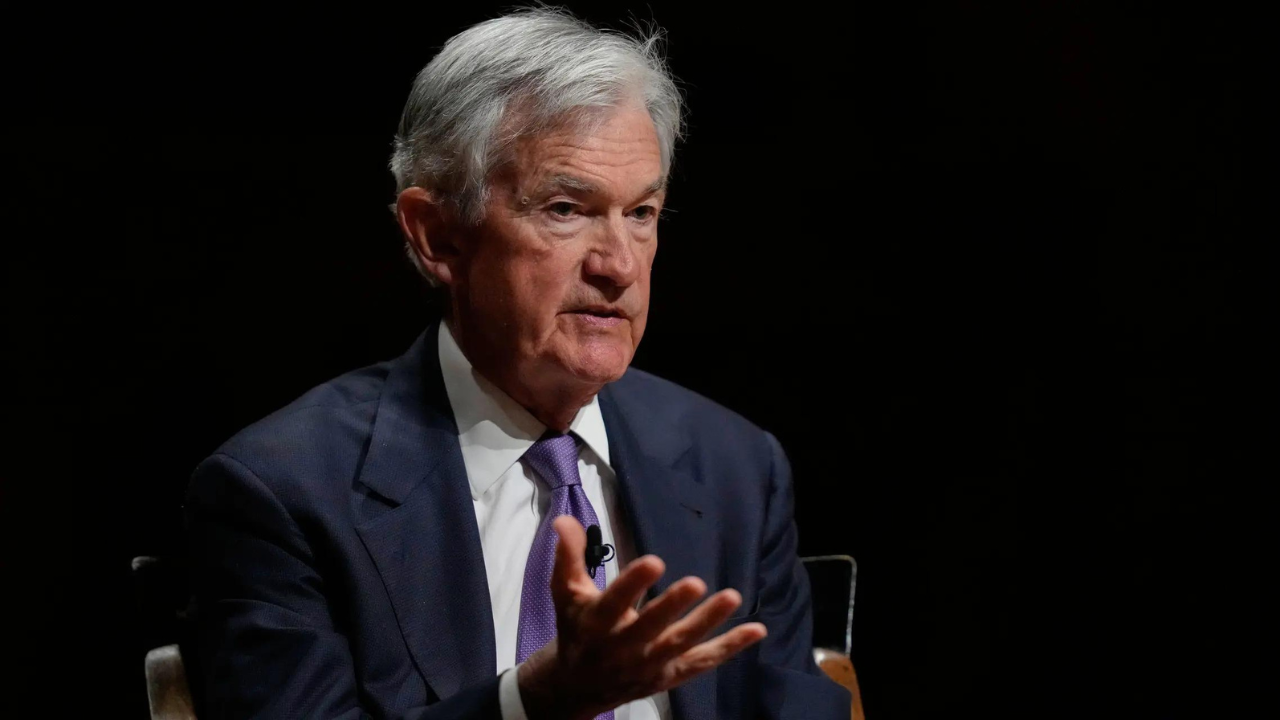
US justice dept closes criminal investigation into Fed chief Jerome Powell, clearing hurdle for Trump nominee Kevin Warsh