Iran war left in limbo after Trump and Xi fail to agree path to ending conflict at crucial summit
Donald Trump and Xi Jinping failed to agree on a concrete path to end the war in Iran during the US president’s highly anticipated Beijing visit, dashing hopes for an end to a conflict that has devastated the Middle East for over two months.
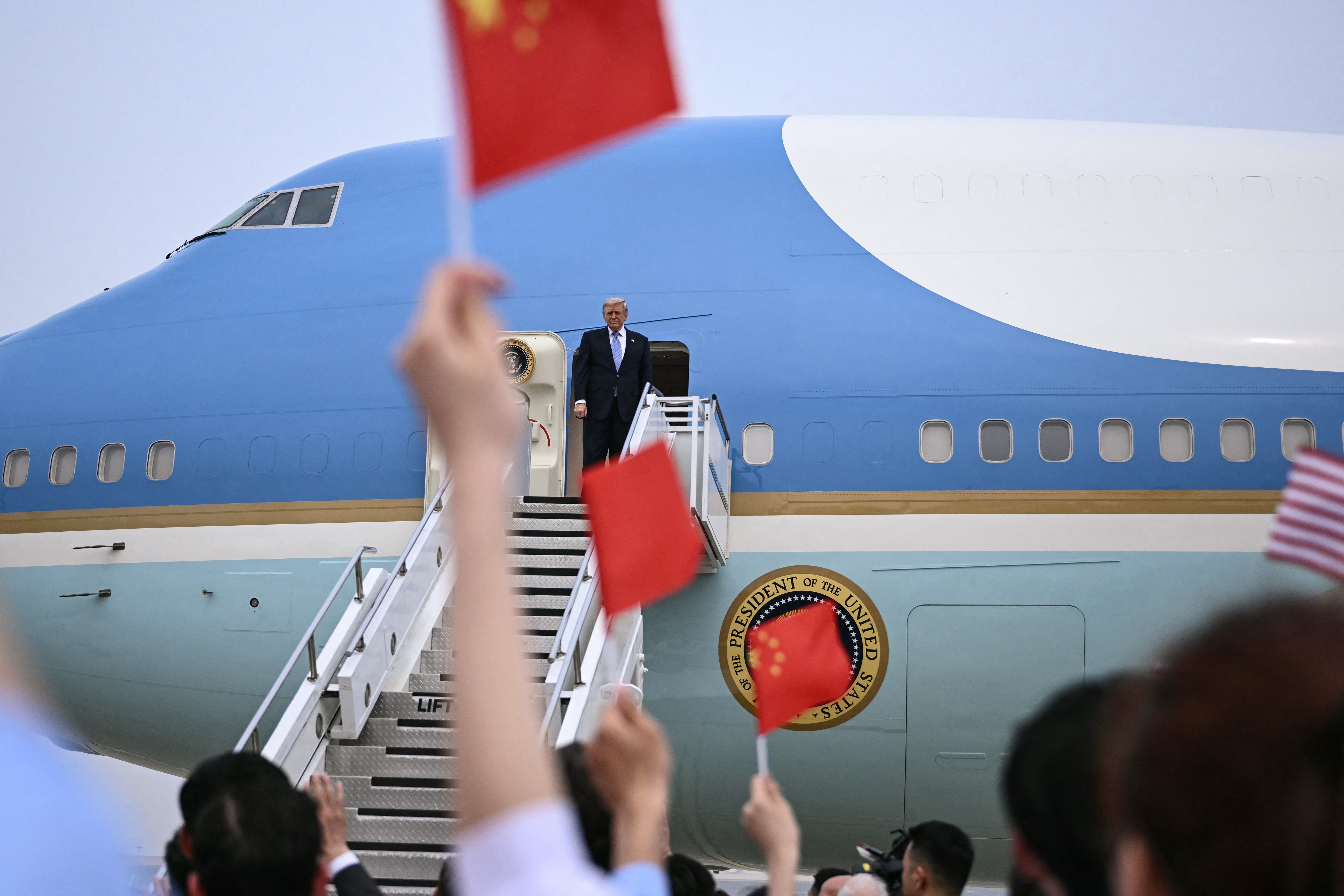
The President’s first visit to China was met with significant fanfare, with hopes that Beijing – Tehran’s most powerful ally – could help broker a peace agreement during 48 hours of bilateral meetings.
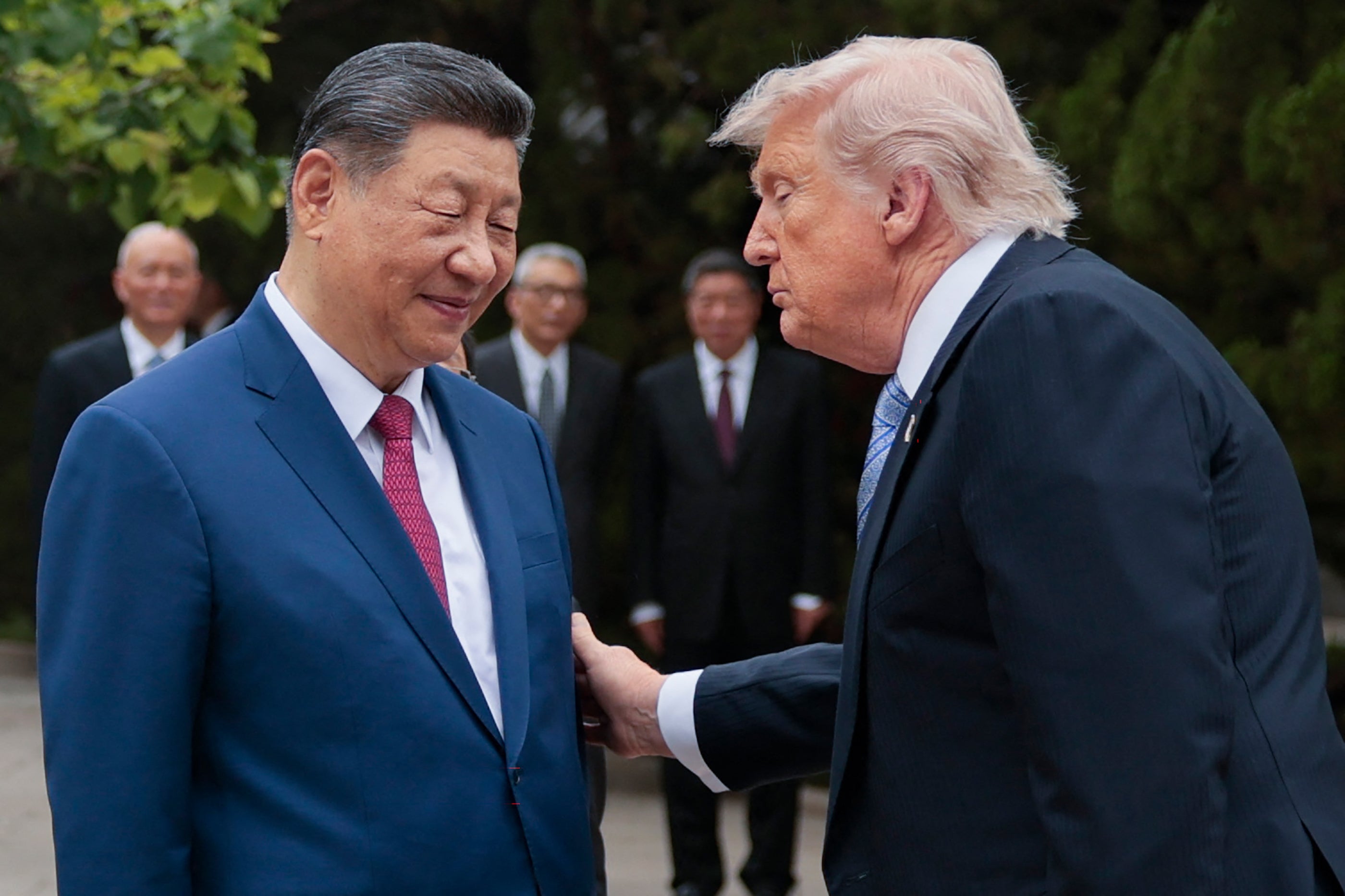
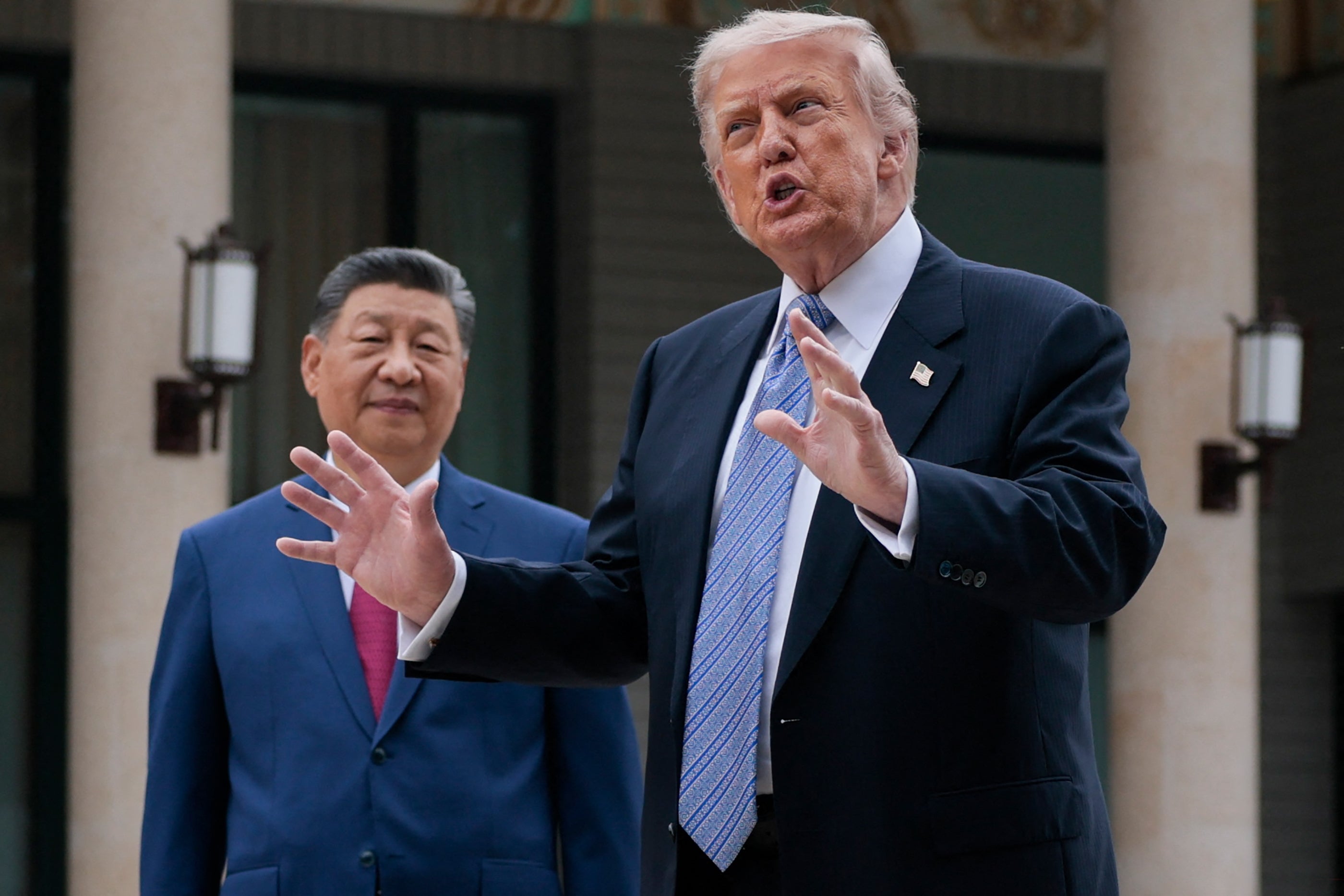
After the talks, Trump said the pair had agreed that Iran must not have nuclear weapons and claimed they “want the Strait of Hormuz open”. He also declared they had “settled a lot of different problems that other people wouldn’t have been able to solve”.
 open image in gallery
But in the absence of agreement between the US, which sparked the war with its attacks alongside Israel on 28 February, and China on a concrete blueprint for peace means the Middle East remains in limbo.
“We did discuss Iran,” the US president said. “We feel very similar about [how] we want it to end. We don’t want them to have a nuclear weapon. We want the straits open.
“We want them [Iran] to get it ended because it’s a crazy thing there, a little bit crazy. And it’s no good, it can’t happen.”
But his failure to secure a breakthrough was made clear in a post on Truth Social after the meeting took place, in which Trump said the “military decimation of Iran” could “be continued”.
In the buildup to the meeting, Washington had been clear in its desire for China to do more to end the war. Although US treasury secretary Scott Bessent urged China to “join us” in the international operation to reopen the Strait of Hormuz, there is no indication that Trump pushed Xi to do so during their meetings.
 open image in gallery
The White House said on Thursday that Xi had made clear China’s opposition to the militarisation of the waterway and any effort to charge a toll for its use, as Iran has threatened to do.
Trump told Fox News that Xi had also promised not to send Iran military equipment, which he called “a big statement”.
But there has been speculation around how far the US has been pressuring China, which is the largest importer of Iranian oil, to use its leverage to force Tehran to drop its blockade of the strait.
Beijing may see little incentive in doing so. Iran said earlier this week it had reached a deal with China, which has allowed a large number of oil tankers to pass through the Strait of Hormuz, with Beijing agreeing to a limited toll by Tehran for passage.
 open image in gallery
The IRGC said around 30 ships had crossed the strait with Tehran’s permission since Wednesday evening, which included several Chinese vessels.
It came days after Iranian foreign minister Abbas Araghchi visited his Chinese counterpart Wang Yi, in which the latter said a ceasefire was necessary and called for free transit through the strait – without naming which forces were blocking it.
The Chinese foreign ministry afterwards urged the “parties involved” to promptly restore “normal and safe passage” through the Strait of Hormuz.
On the nuclear issue, it said that “China appreciates Iran’s commitment not to develop nuclear weapons, while also recognizing Iran's legitimate right to the peaceful use of nuclear energy.”
Join our commenting forum
Join thought-provoking conversations, follow other Independent readers and see their replies
Comments