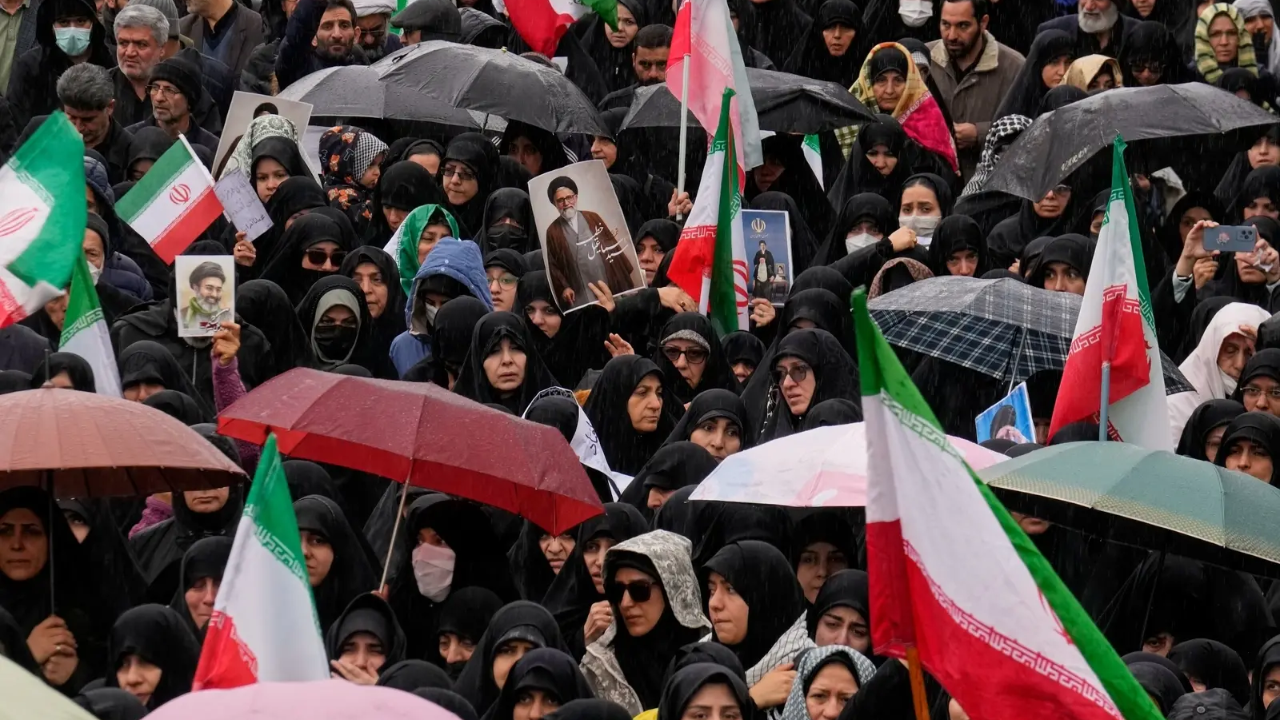
Iran war is tearing the polyester fabric of fast fashion – and shoes could be next
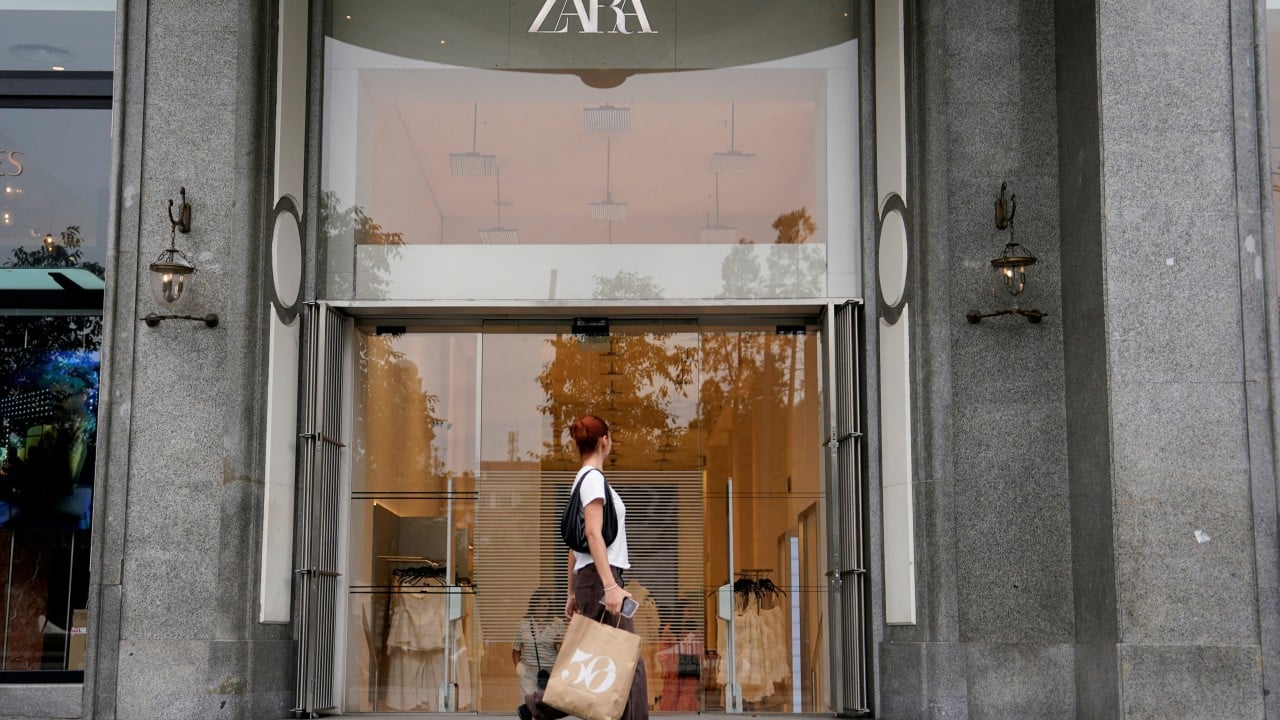
Conflict-driven oil price spikes are straining Asia’s polyester supply chain, threatening higher costs for firms like Zara and H&M
3-MIN READ3-MIN Listen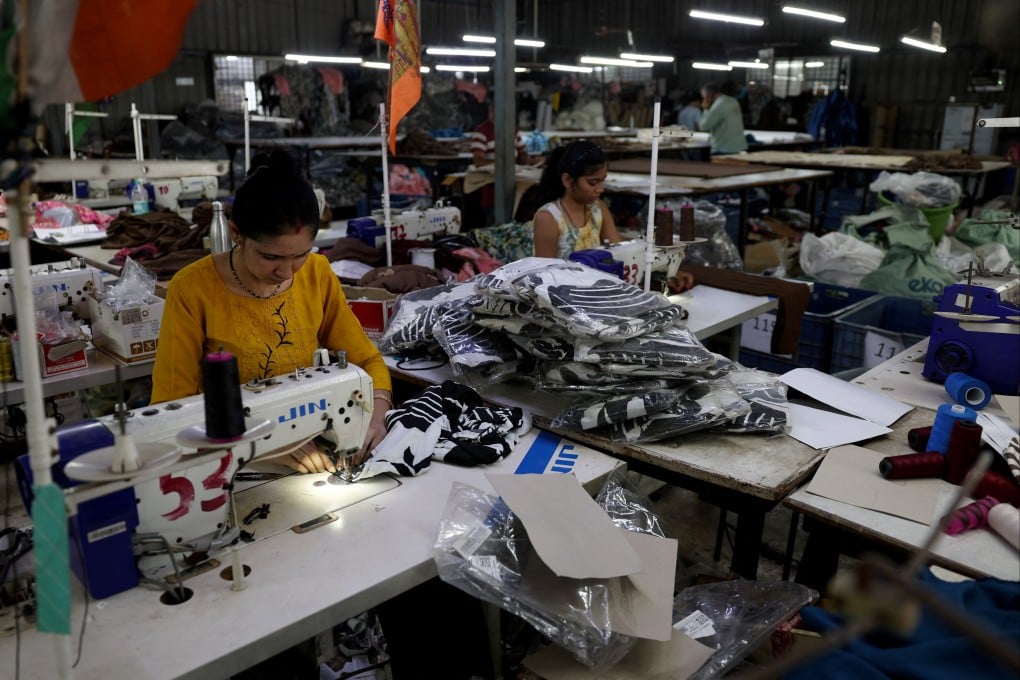
The pain is being felt across the clothing supply chain, which is dominated by Asia. Avichal Arya, CEO of Bindal Silk Mills, which supplies dyed and printed polyester fabrics to retailers including H&M, Zara-owner Inditex, Target, Walmart and Ikea, said the energy crisis had “drastically” pushed up the cost of chemicals and dyes.
AdvertisementAdding to his woes, Arya said a shortage of cooking gas due to the war has driven many migrant workers to leave Surat, a textile hub in India’s western state of Gujarat. “We are not able to actually meet the demands of the global orders very fruitfully these days,” he said.
Made from oil derivatives, polyester dominates the textile industry, accounting for 59 per cent of global fibre production and used in everything from running shorts to dresses. It is directly exposed to the squeeze on refined petroleum products caused by the closure of the Strait of Hormuz.
AdvertisementThe pressure could eventually move downstream to retailers that rely on Asia’s polyester-heavy supply chains, though retailers are shielded from immediate pain by forward buying.
AdvertisementSelect VoiceSelect Speed0.8x0.9x1.0x1.1x1.2x1.5x1.75x00:0000:001.00xСхожі новини
British Airways warns of higher airfares as Iran war pushes up oil prices

Canadian court pauses deportation of Jaskirat Singh Sidhu over 2018 crash that killed 16
G7 says nature talks a success as climate sidelined for U.S.