Inside Cotopaxi’s Coraza: How a Hardshell Roller Set a New Sustainability Standard
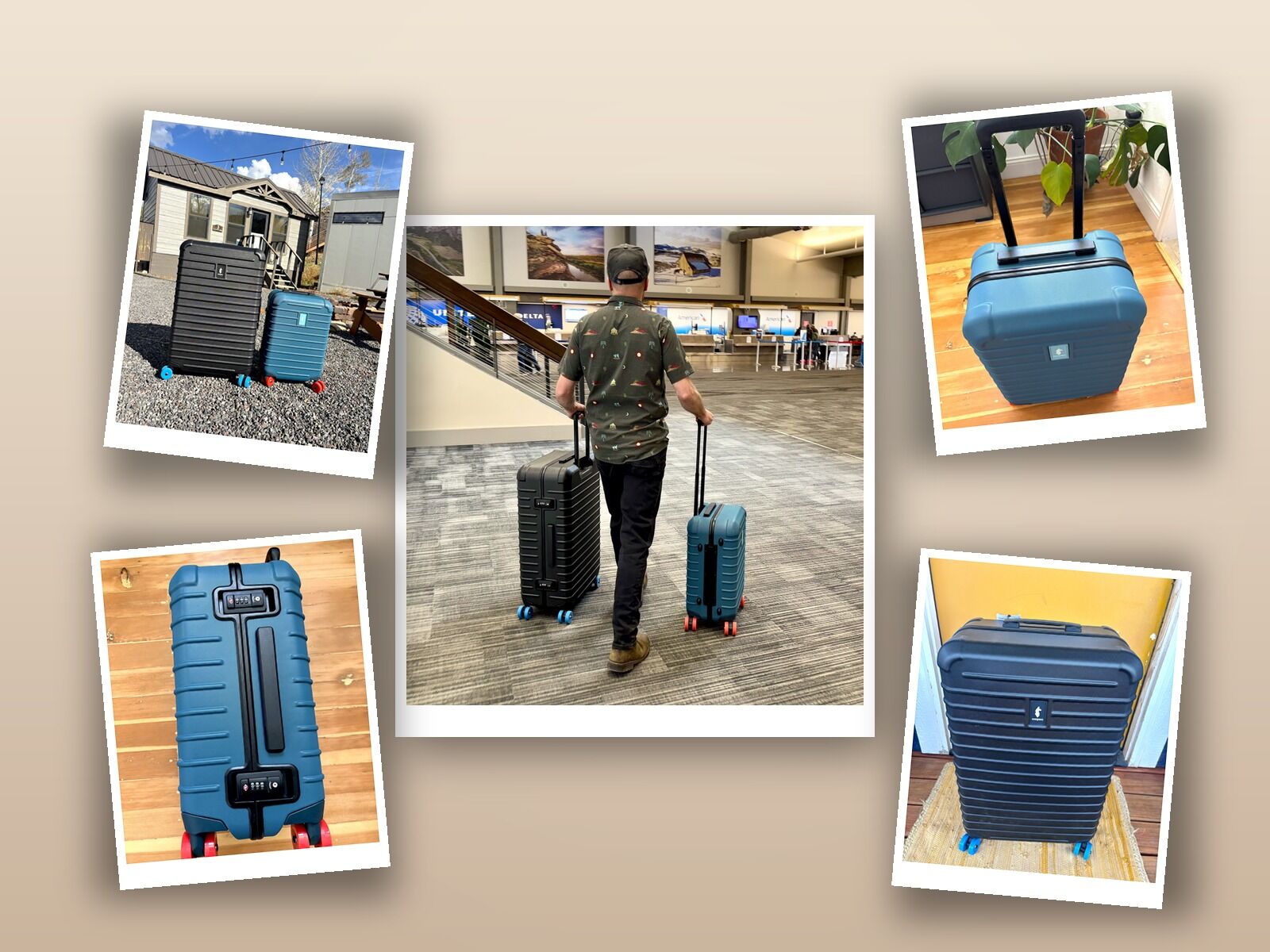
The outdoor industry’s sustainability conversation has shifted. Recycled content, once the headline, is now table stakes in an industry where circularity is the buzzword. The new Coraza luggage line from Cotopaxi, one of the brands responsible for bringing that term into the outdoor gear lexicon, makes the brand’s eco-friendly mantra concrete—or, more accurately, makes it polycarbonate. Coraza is the Salt Lake City brand’s first foray into hardshell rollers, and it’s built around a deceptively simple idea: when something on the case fails, the owner should be able to fix it. That’s a rare claim in a category whose standard failure mode is “zipper popped on the way to Cabo, time to buy another one.” And the story of how Cotopaxi got here is as good as the product itself.
All products and listings featured on Matador Network are independently selected by our writers and editors. Matador Network may receive compensation if you make a purchase through these links. Prices are accurate as of publication.
A new shape for a brand built on soft goods
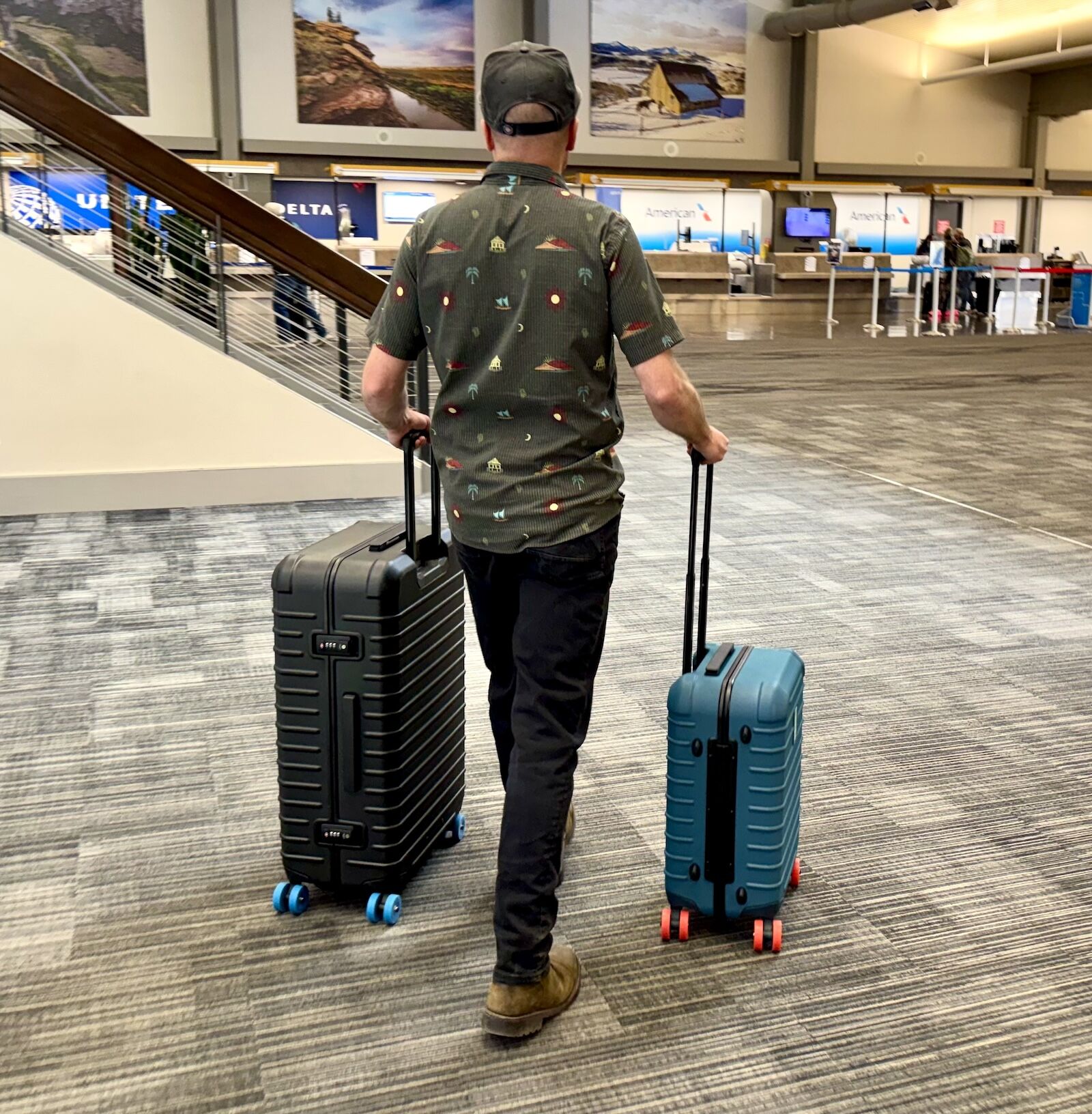
The wheels roll like they mean it. And, they’re easily replaced. Photo: Tim Wenger
“Coraza is a completely new product category and development process for Cotopaxi,” says Alex Pastucha, Senior Product Developer at the brand and the lead behind the line. “This is the first time our product line has really strayed outside of cut and sew packs or equipment in a major way.”
Launching a hardshell suitcase was a bold move for a company known for products you’d take into the backcountry. Hardshell luggage requires 3D modeling, injection molds, custom tooling, and a supply chain with little in common with stitching ripstop nylon together. The motivation, however, was a rare chance for Pastucha and the team to question the standard luggage-industry playbook.
“Throughout the design and development process, we were continually solving for durability, repairability, modularity, and differentiation in the market,” Pastucha says.
He explained that durability and repairability lead, ahead of differentiation. That’s the inverse of how most rollers in this price range get prioritized and it’s consistent with the broader sustainability stance Cotopaxi has staked out across its product line.
The recycled stuff (and why it’s not the only headline)
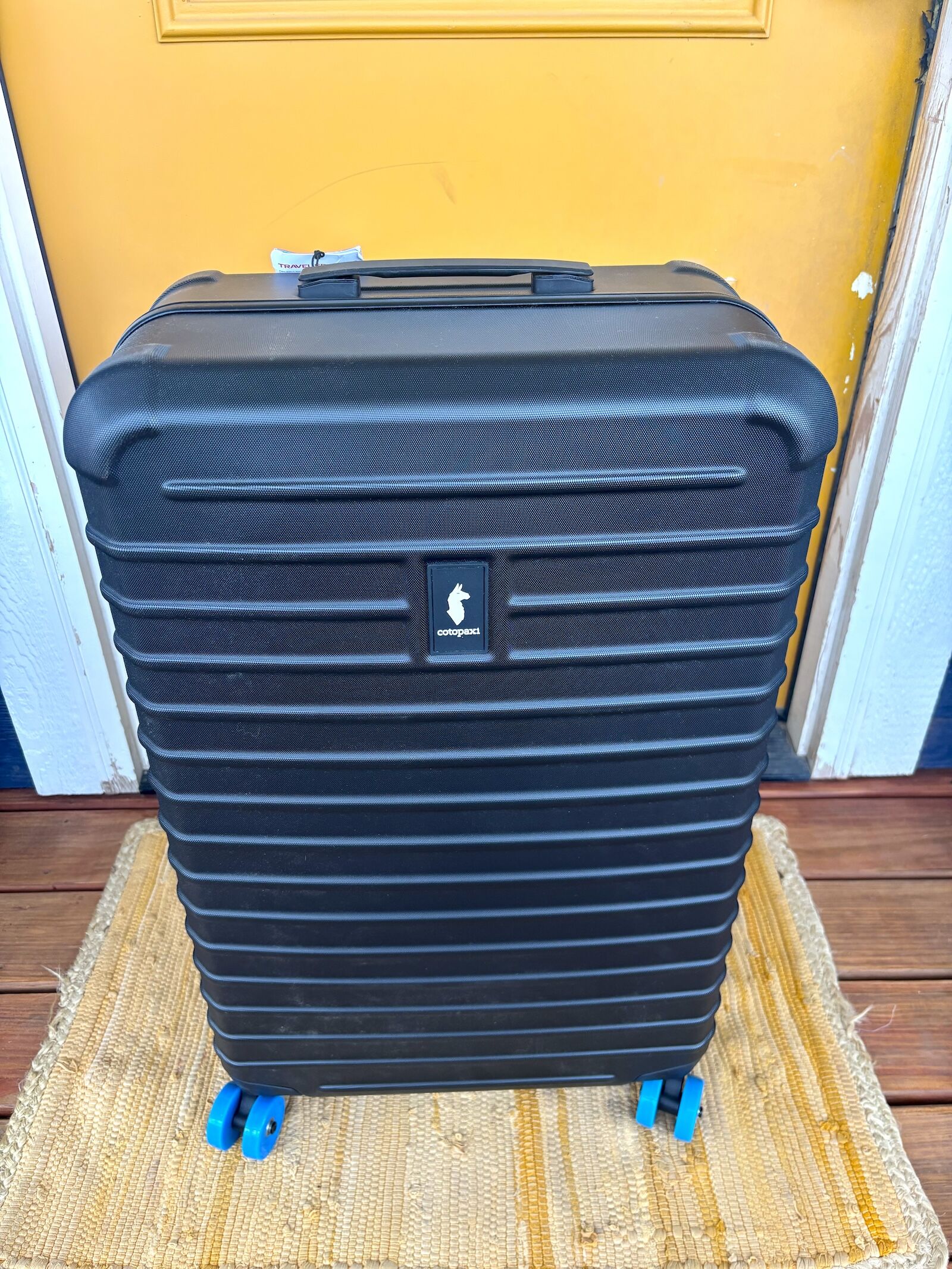
From cut-and-sew to fill and tow. Photo: Tim Wenger
The Coraza shells are recycled. Every piece in the line uses a fully recycled polycarbonate exterior, and the modular interior liners are made from recycled fabrics. For a brand like Cotopaxi, that’s baseline, and Pastucha treats it that way.
“We tried to incorporate recycled materials wherever we could while balancing the most durable materials available for the right application,” he says.
For those who aren’t product designers, the translation: recycled content is good, but recycled content that fails in a year is worse than virgin content that lasts a decade. The Coraza team chose materials engineered to last.
That instinct lines up with what Annie Agle, Cotopaxi’s Vice President of Impact and Sustainability, has previously framed as the company’s broader operating philosophy. “Durability and repairability are the most important features,” Agle told Matador in earlier coverage of the brand’s circularity efforts. “That’s really what we’re striving for, and I think the outdoor industry in general is well-positioned to meet that sustainability goal, because the products have to be able to satisfy a more technical user.”
Agle has also been candid about the limits of recycling alone, particularly for small-to-mid-size brands. Fiber-to-fiber recycling at scale requires investment most companies in this tier can’t justify, and the process can degrade material durability, which puts repair-first design at the center of any honest sustainability program. Coraza is the application of that thinking to a category Cotopaxi hadn’t worked in before.
What’s more interesting is what happens after the recycled shell takes a hit. Which, given the realities of checked baggage and frequent travel, it eventually will.
Repairability as the actual sustainability story
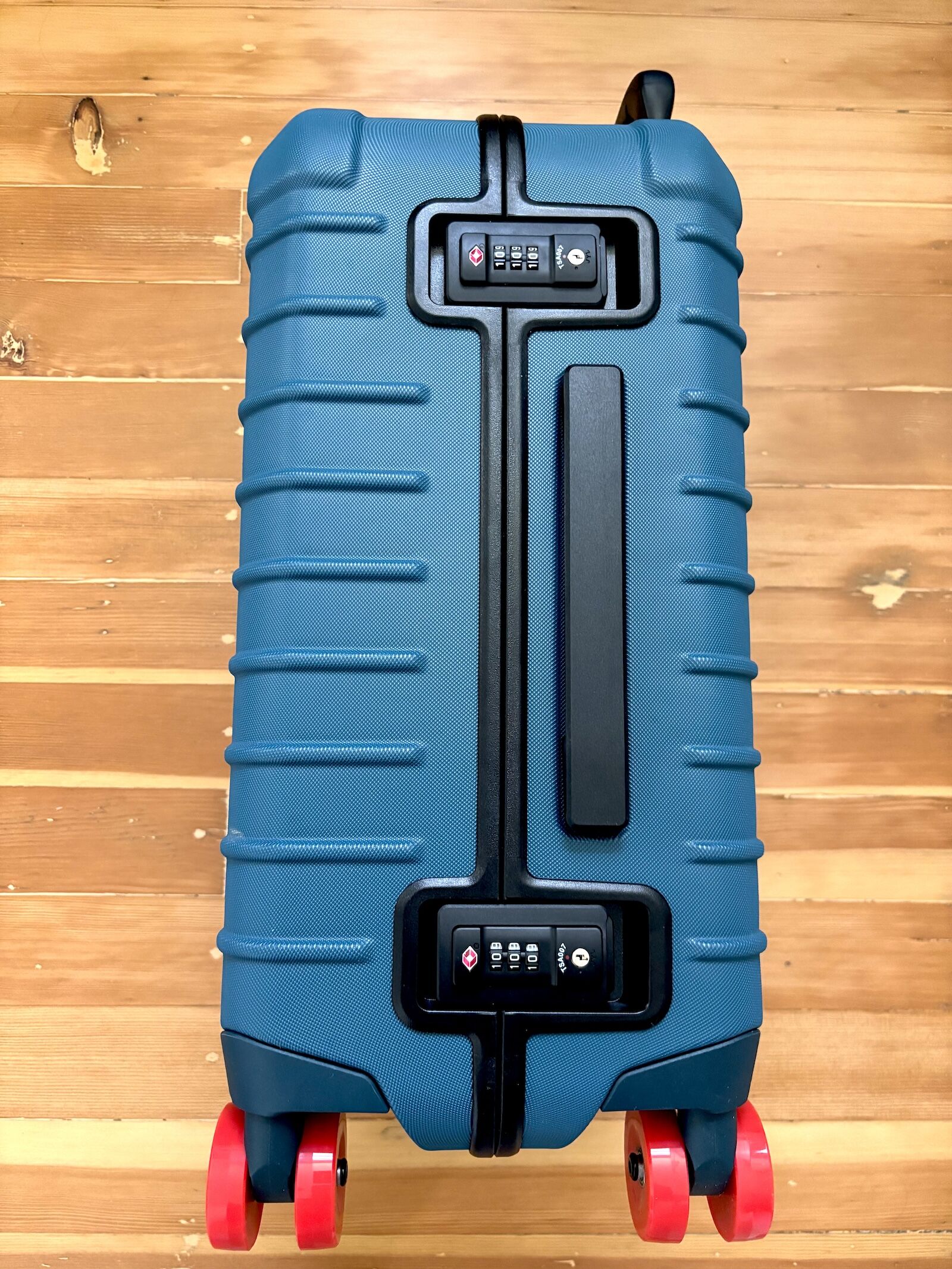
The combination locks and buckles prevent the need for a zipper. Photo: Tim Wenger
Repairability is where Coraza separates itself from the four-wheel-roller crowd. Most luggage in the category relies on sewn-in liners and full-zipper closures, both cheaper to manufacture, both nearly impossible to fix once they go.
“Nearly every other roller on the market has a sewn-in liner, which is fine until it tears or a zipper breaks and then it is nearly impossible to repair,” Pastucha says. “Our liners are completely removable, which makes cleaning and packing so easy, not to mention replaceable—extending the life of Coraza.”
Cotopaxi went further on the closure question, swapping zippers for TSA-approved locking latches. Anyone who’s watched a suitcase emerge from baggage claim with a zipper unzipped halfway across the gusset will recognize the upside.
“Zippers are typically the first component of a pack or luggage piece that fails. In almost all cases, it is unrepairable and unusable once the zipper goes,” Pastucha says. The Coraza latches are lockable, replaceable by the owner. Wheels, wheel hubs, axles, handles, liners — every component is built to come apart and go back together.
Pastucha’s reasoning is unsentimental and lands as the most honest sustainability pitch in the category. Any replacement parts needed, from latches, screws, and handles, to wheel hubs, can be handled through a warranty claim. Spare wheels can be ordered via Cotopaxi’s website.
“Once a piece of luggage is checked at an airline counter, everything is out of the control of the owner or manufacturer,” he says. “It could be thrown, dropped, jammed in a conveyor belt, or crushed under hundreds of pounds of other luggage in a cargo hold. In the event that something should happen to a Coraza roller in transit we want to keep it in use for as long as possible. And that is why creating gear as repairable as possible is the most important aspect of sustainability to us.”
Coraza’s design flexes worth calling out
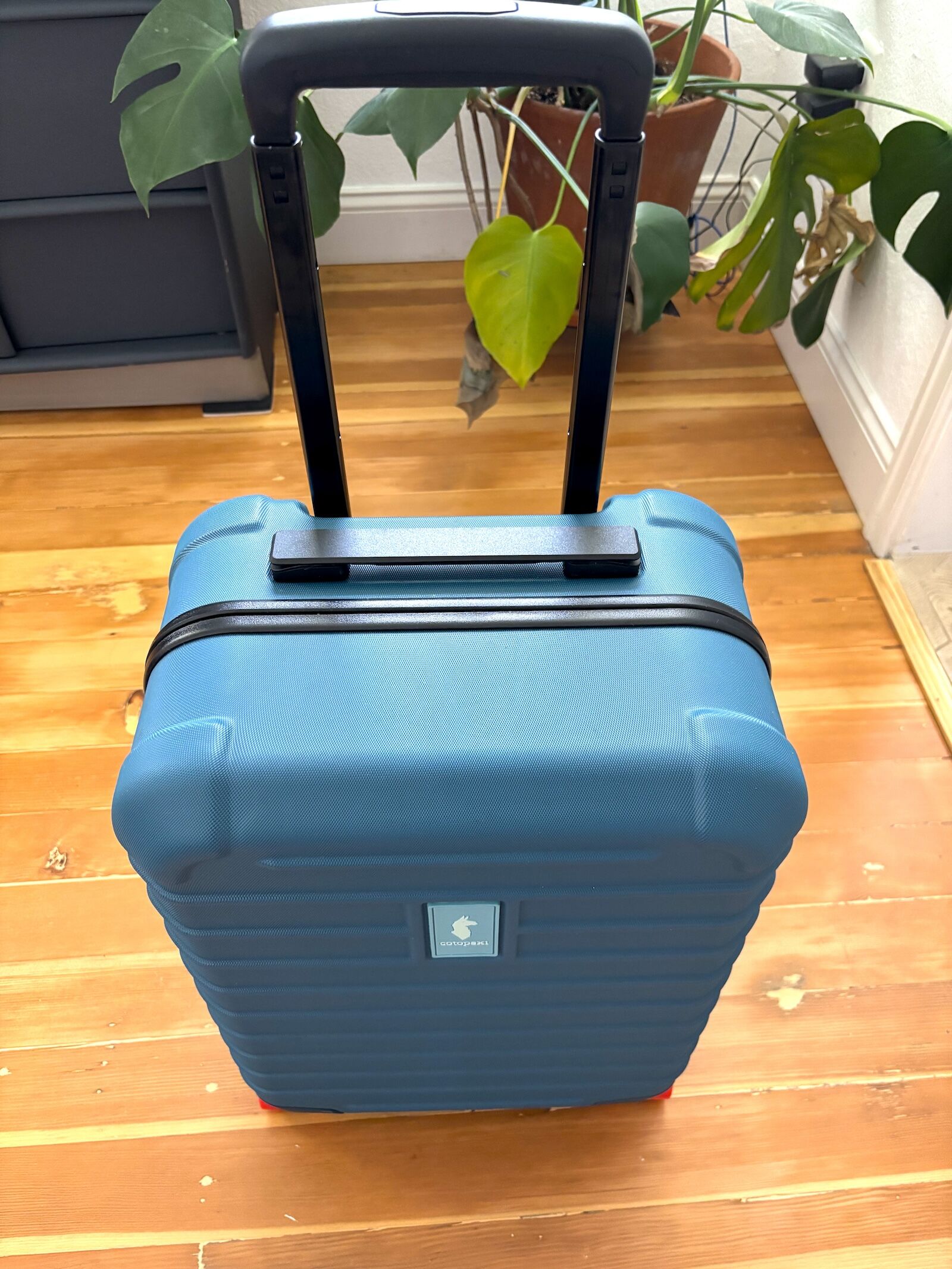
When durability meets functionality. Photo: Tim Wenger
The Coraza doesn’t look like the rest of the polycarbonate field, and that’s deliberate. The horizontal ribs running across the shell echo the baffles on Cotopaxi’s flagship Fuego down jacket. This is the kind of brand-language continuity most luggage companies don’t even attempt, mostly because they don’t have a brand language to begin with. The corner bumpers add structural rigidity and, as Pastucha puts it, “give Coraza a playful, almost toylike look.”
There’s something a little Tonka-truck about the silhouette, in the best possible way.
The wheels are interchangeable—swappable for color, replaceable when worn. Cotopaxi’s Color Design team built colorways with the kind of pop the brand’s puffies and packs are known for, with refreshes planned seasonally.
The modular liners deserve their own moment. They clip in and out, double as packing cubes, and, in Pastucha’s favorite use case, let an owner pack without splaying the whole clamshell open across a hotel bed.
“I experienced the beauty of this while in a tiny Chamonix hotel room last fall,” he says. “I didn’t need the clamshell case fully splayed open taking up a ton of space while picking out an outfit. Just pack the liners separately, clip them in, and go.”
Anyone who’s tried to live out of a 22-inch carry-on in a 90-square-foot European hotel room understands the appeal.
Where this lands in Cotopaxi’s future
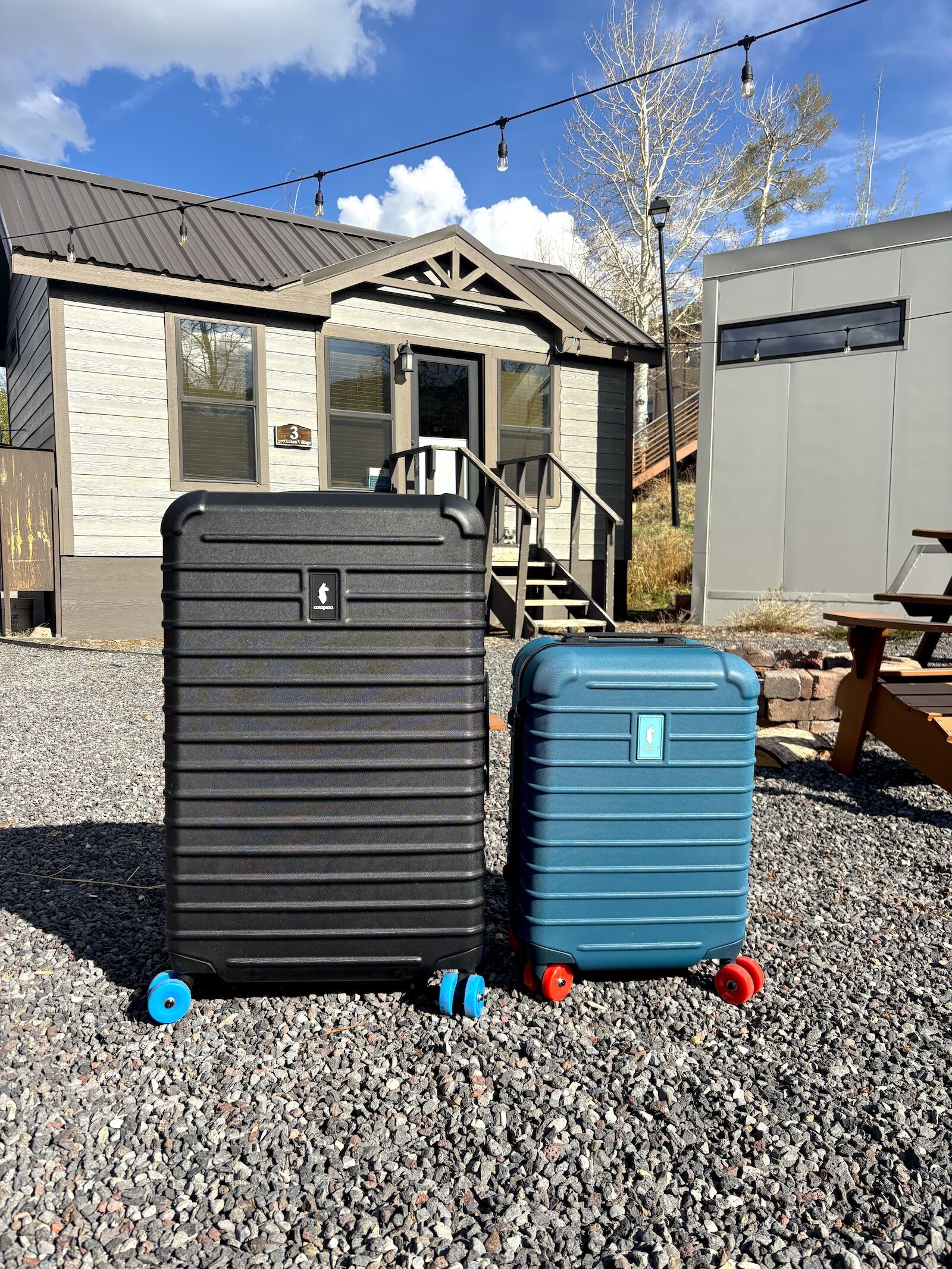
The Coraza line looks as good as it travels. Photo: Tim Wenger
To walk the walk on circularity, a brand must treat repair as a design constraint rather than a marketing afterthought. Coraza is what that ethos looks like applied to a category that’s historically been one of the worst offenders for disposability.
It also happens to be a genuinely good suitcase. The shell is tough, the liners are smarter than the category usually warrants, and the wheels roll like they mean it. But the part that earns Cotopaxi the right to keep showing up in conversations about sustainable gear is the boring infrastructure underneath: the spare parts catalog, the user-replaceable everything, the latch instead of the zipper.
That’s the work—not the recycled content on the shell, though that’s nice too. The work is making something worth keeping. 
Схожі новини

Singapore pair test negative for hantavirus after cruise ship outbreak

У Росії можуть оголосити мобілізацію: політтехнолог припустив, коли це станеться