India, Russia Near Critical Minerals Pact as New Delhi Seeks to Cut China Dependence – Reuters
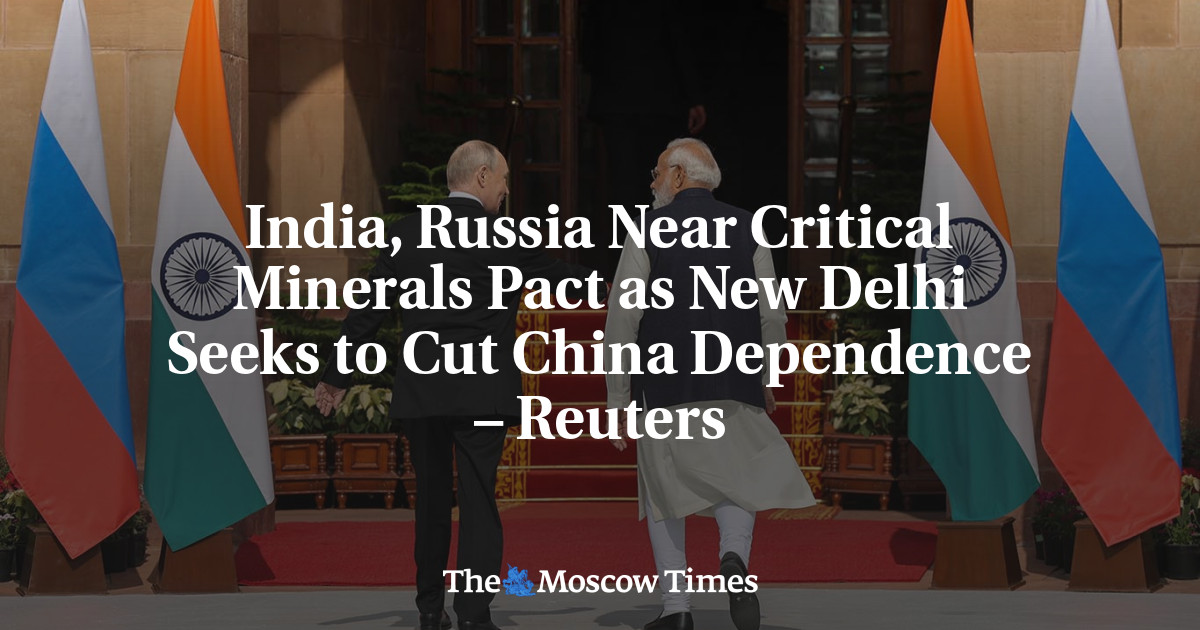

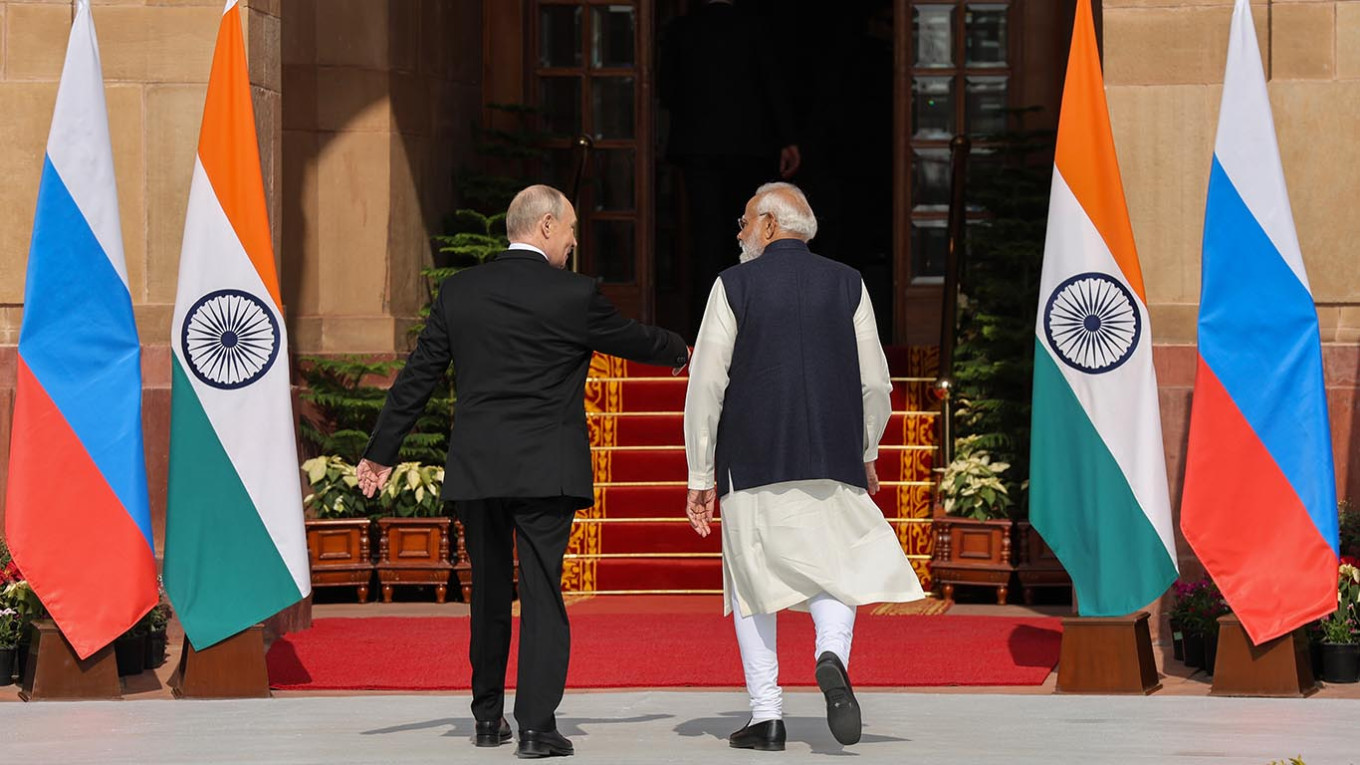
India and Russia are seeking to sign a preliminary agreement on the exploration, processing and technological cooperation of critical minerals including lithium and rare earth metals, Reuters reported Tuesday, citing two sources familiar with the matter.
The agreement could be signed within the next few months, Reuters' sources said, as India steps up efforts to secure overseas supplies of minerals critical for clean energy technologies and industrial production while reducing its dependence on China.
"We have shared a draft of the proposed agreement with our Russian counterparts," one of the sources said.
One of the sources said India could also revisit a lithium exploration project in Mali operated by Russia’s state nuclear corporation Rosatom if the political and security situation in the West African country stabilizes. India had previously withdrawn from the project over security concerns.
The planned cooperation comes as countries worldwide race to secure access to critical minerals used in electric vehicle batteries, renewable energy infrastructure and advanced manufacturing.
China currently dominates the global supply chain for many rare earths and other strategic minerals, prompting governments including India’s to diversify sources and build domestic processing capacity.
Russia, meanwhile, has been trying to expand its own rare earths industry despite heavy reliance on imports and limited domestic extraction capacity.
In November last year, President Vladimir Putin ordered the government to prepare a roadmap for developing the country’s rare earth metals industry by Dec. 1. The government was instructed to approve a long-term development roadmap within a month.
According to Russia’s Natural Resources Ministry, the country holds an estimated 28.5 million metric tons of rare earth metals and more than 650 million metric tons of rare metals. However, production remains minimal and nearly all domestic demand is met through imports.
Russia consumes about 3,000 metric tons of rare earth metals annually but produces only around 50 metric tons, with imports accounting for more than 98% of supply, ministry data show.
The Industry and Trade Ministry says imports meet 57% of Russia’s tungsten demand, 51% of molybdenum demand, 61% of zirconium demand, more than 90% of niobium demand, more than 60% of tantalum demand and all of its lithium demand.
Russia accounts for roughly 1% of global rare earth production. Lacking domestic extraction and processing technologies, Russian authorities have also sought to attract Chinese expertise in the sector.
India has in recent years intensified efforts to reduce dependence on China, which dominates global markets for several critical minerals and possesses advanced mining and processing technologies.
In 2023, New Delhi designated more than 20 minerals as critical for the energy transition and growing industrial demand.
India has also prepared a 25 billion rupee ($261 million) incentive program for private companies producing rare earth magnets, Bloomberg previously reported.
Read this article in Russian at The Moscow Times' Russian service.
Read more about: India , Business , Mining , TechnologySign up for our free weekly newsletter
Our weekly newsletter contains a hand-picked selection of news, features, analysis and more from The Moscow Times. You will receive it in your mailbox every Friday. Never miss the latest news from Russia. Preview Subscribe Subscribers agree to the Privacy Policy We sent a confirmation to your email. Please confirm your subscription.A Message from The Moscow Times:
Dear readers,
We are facing unprecedented challenges. Russia's Prosecutor General's Office has designated The Moscow Times as an "undesirable" organization, criminalizing our work and putting our staff at risk of prosecution. This follows our earlier unjust labeling as a "foreign agent."
These actions are direct attempts to silence independent journalism in Russia. The authorities claim our work "discredits the decisions of the Russian leadership." We see things differently: we strive to provide accurate, unbiased reporting on Russia.
We, the journalists of The Moscow Times, refuse to be silenced. But to continue our work, we need your help.
Your support, no matter how small, makes a world of difference. If you can, please support us monthly starting from just $2. It's quick to set up, and every contribution makes a significant impact.
By supporting The Moscow Times, you're defending open, independent journalism in the face of repression. Thank you for standing with us.
Once Monthly Annual Continue Not ready to support today?
 Remind me later. ×
Remind me next month
Схожі новини

What happened at Phuket cafe where Indian tourists fainted one by one 'for no obvious reason'? 1 dead

ИИ, который перебивает собеседника. Новая модель от экс-директора OpenAI сможет имитировать живой разговор
Євробачення-2026 стартувало: текстова трансляція першого півфіналу