If you love Clair Obscur: Expedition 33, find a way to play Lost Odyssey – the cult-classic RPG that remains one of the Xbox 360's best-kept secrets
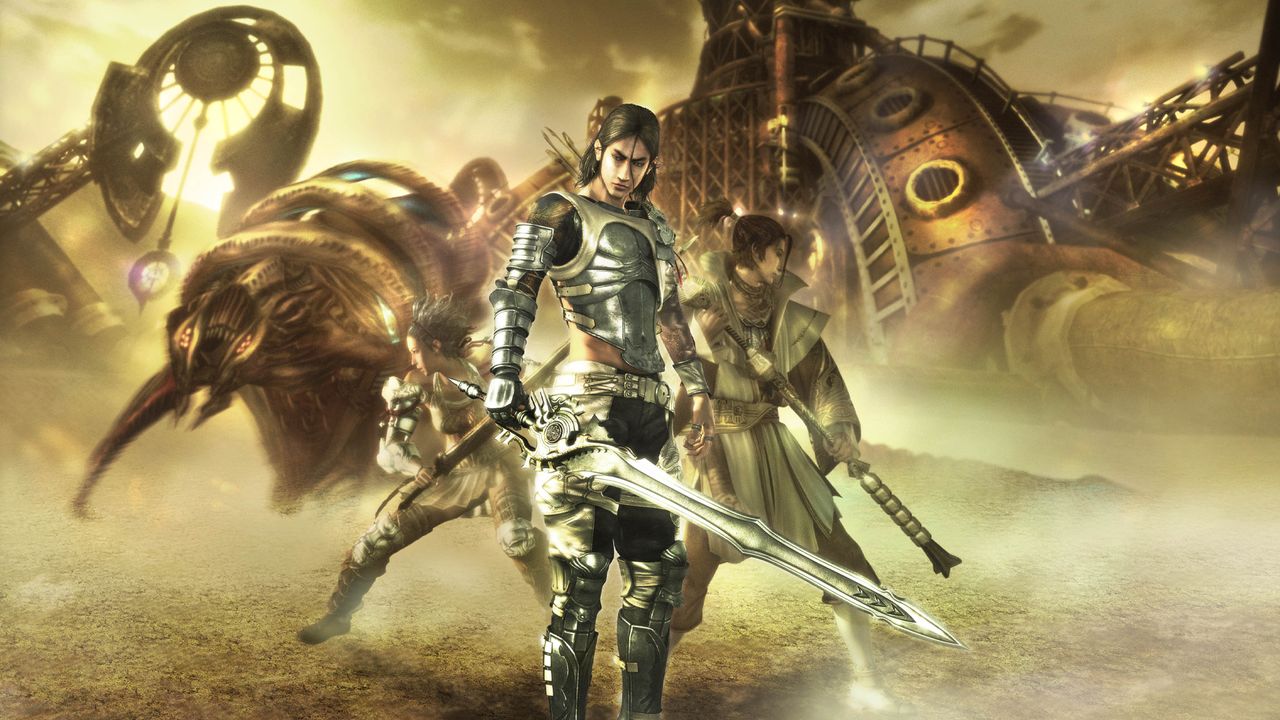
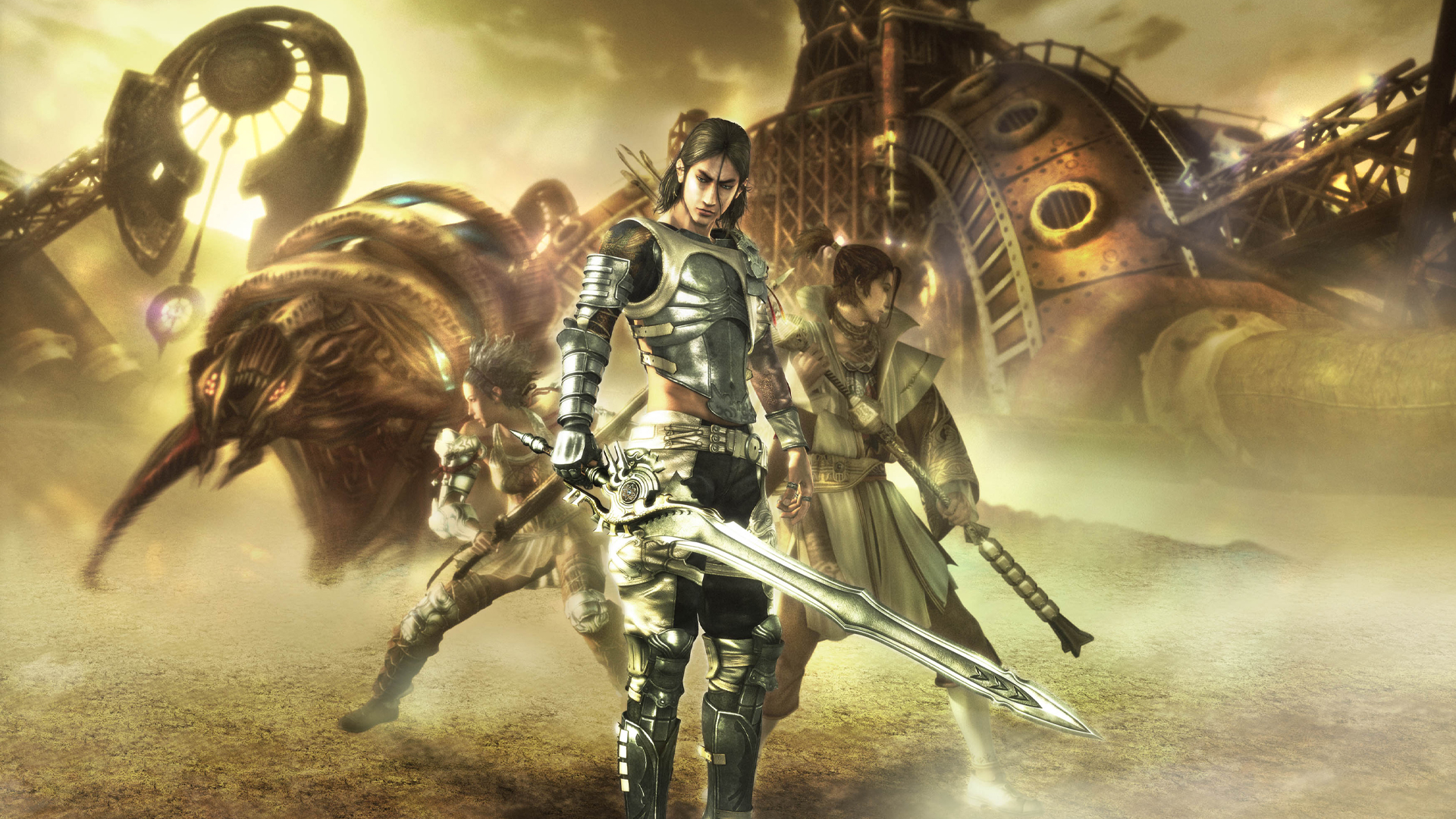
The Upstreamers, we airstream only blows east to west, they spend their lives trekking headlong into the harsh, unceasing winds. Believing they can one day reach the source, generations move against the flow, birthing new members who will continue the journey in their place. Kaim, the hero of Lost Odyssey, remembers meeting Upstreamers on his travels – always, of course, heading in the opposite direction. One he encounters as a young girl; again as an adult, temporarily settled in a village; finally, after many more years, he witnesses her funeral back on the stream. He appreciates the desire for endless travel that burns within these people.
There are many such tales in Lost Odyssey, the fragmented memories of amnesiac immortals who have lived for a millennium, combined into a collection called A Thousand Years Of Dreams. They're short stories of glimpsed lives and inevitable deaths, often beautifully written, poignant and strangely captivating. Why strangely? Because of how they're delivered in-game: slowly, by text, an old-fashioned method that takes longer to resolve than the cutscenes we so often resent.
Play It TodayLost Odyssey remains one of the best RPGs and one of the best Xbox 360 games. The easiest way to play it today is via backwards compatibility on the Xbox One or Xbox Series X.
Yet A Thousand Years Of Dreams sparkles by returning to tradition, a little like Lost Odyssey itself: a classical JRPG released when the genre's stream was heading in other directions. Helmed by Final Fantasy creator Hironobu Sakaguchi, developer Mistwalker embarked on a quest to keep the old form alive, passing it from (console) generation to generation. In time the studio would have to rethink, moving towards mobile development, but not before creating one final fantasy of its own, of the kind Square Enix had left behind.
Latest Videos From
Remembering a classic
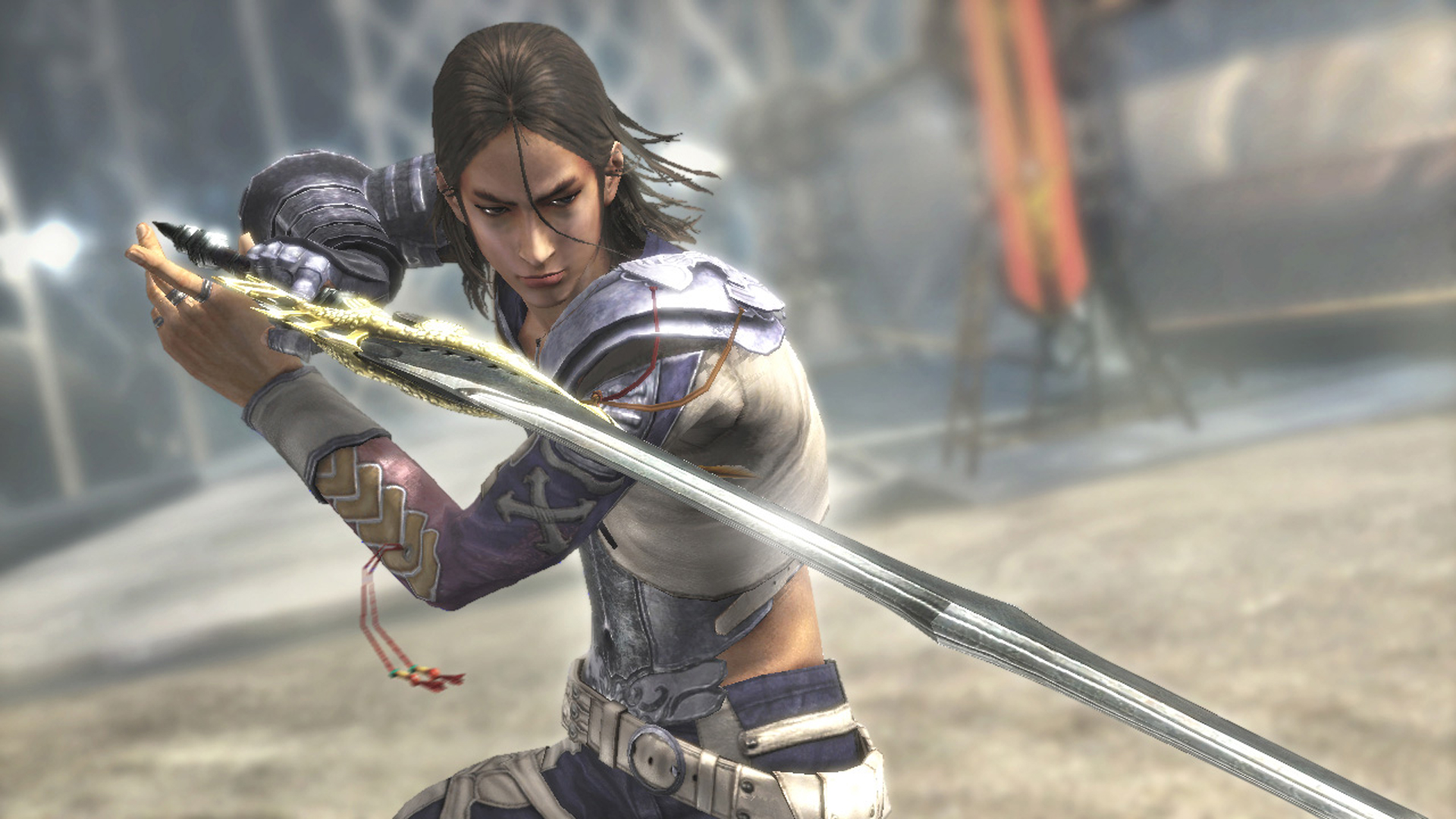
It feels apt that Lost Odyssey is about memory, transition, and immortality. Kaim initially resists his recollections because they reopen old wounds, not least the agony of losing his mortal daughter. But to become whole again, he must remember. And with that, Lost Odyssey explores how history intervenes, either clashing with the present or healing it. The tension between old and new is summed up by Kaim himself – his model features and physique distinguish him from a Final Fantasy hero, and his hair is too flat, but he's moody and short on memories, just like Square used to make them.
The pull between past and present is visible in Lost Odyssey's world, too, where a typical fantasy setting has been transformed by a 30-year 'magic-industrial revolution'. This is feudal society gone nuclear, with everything the latter entails: electricity, comfort, mutants and world-ending weapons. The dangers of accelerated progress are made plain in a brilliant opening scene, as opposing armies charge to meet on a battlefield. Soldiers wielding swords and spears line up with robotic war machines. The upper hand oscillates back and forth, escalating the carnage as each side unleashes greater powers, all the way up to the ultimate weapon: Kaim himself, slicing through enemy ranks without fear of death. Ultimate, that is, until a meteor appears and crushes everyone, save for Kaim. The folly of an arms race in microcosm.
The first boss of note demonstrates Lost Odyssey's willingness to be uncompromisingly old-school
From here, we see more benign applications of magical technology. A troop transport that looks like a wheeled cricket takes Kaim to the capital city of Uhra, a land of concrete palaces, metal girders and warmly lit streets peppered with rolling news screens. Beneath the pristine plazas, a low-level discord rumbles between loyalists to the old monarchy and the ruling council of the new republic. In between is the plotter Gongora, another immortal, exploiting the divide for personal gain.
For all Uhra's mod cons, however, the rhythms of JRPG life haven't changed. Kaim receives a mission from the council to investigate Gongora's 'Grand Staff' project – a magic tower that's supposed to act as a defensive deterrent, but may have caused the meteor strike. Before setting out with a couple of new party members, you might rest at the inn, scour alcoves and alleys for treasure, and chat to the locals to flesh out the lore. Exactly like the JRPGs of old. Except now it's a little overwhelming.
Sign up to the GamesRadar+ Newsletter
The scale of Lost Odyssey's settlements makes them feel too big for exhaustive exploration. The classic patterns fit better when you're away from civilisation, on the clifftops approaching Grand Staff, in icy ruins or a creaky mansion with object puzzles that could almost be a nod to Resident Evil. Lost Odyssey likes a good dungeon, and knows the formula, stuffing its less-travelled haunts with mild navigational problems and split pathways leading to stashed items. The dream of the methodical explorer.
There are also monsters, naturally. Lost Odyssey's random battles are the kind that freeze you in your explorer's tracks, melting the surroundings with a swoosh and the dramatic chords of its fight theme. Even in 2008, it was a jolt to go back there, but the combat itself shows shoots of evolution. Five characters (from an eventual roster of nine) can fight at once, with the front row protecting the rear from significant damage until their own guard meter is depleted. There's also a tactical priority system, where turn order depends on your intentions.
Items remain useful throughout because they trigger first, crucial for emergency healing, while powerful magic needs charging until the end of the turn. The same goes for opponents, and hitting them hard enough can break their concentration, delaying their spells until the next round.
Equally important is the combination of mortals and immortals in your team. The immortals (four in the end) have an obvious advantage in that they self-revive a couple of turns after death, dusting themselves off with a sheepish apology (although if the whole party is down at the same time, it's game over). But they only excel in synergy with the mortals in the group, in a character development system that blends Final Fantasy traditions. In this case, it's the mortals who are most conventional, gaining spells and abilities automatically as they level up, while immortals can learn any skill. But how do they learn? From mortals, by battling alongside them.
A final fantasy
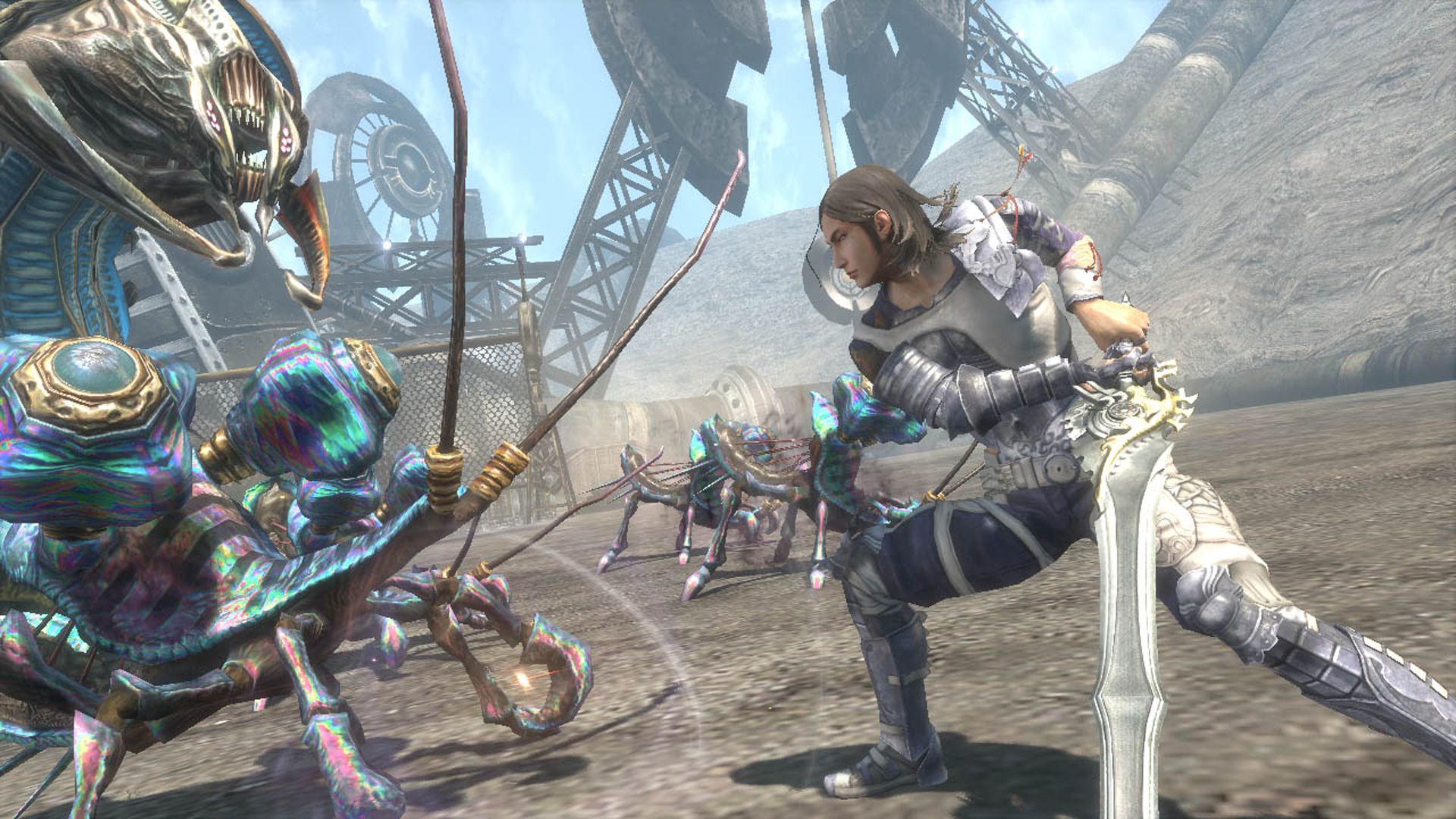
Despite the added texture, however, most battles play out on muscle memory: gang up on one enemy until it folds, conserve MP when finishing off stragglers. And while the game's ring system adds dynamism by having you time strikes for bonus damage, it slows down trivial encounters. One of Kaim's victory quips is "What a waste of time", and sometimes it's hard to disagree.
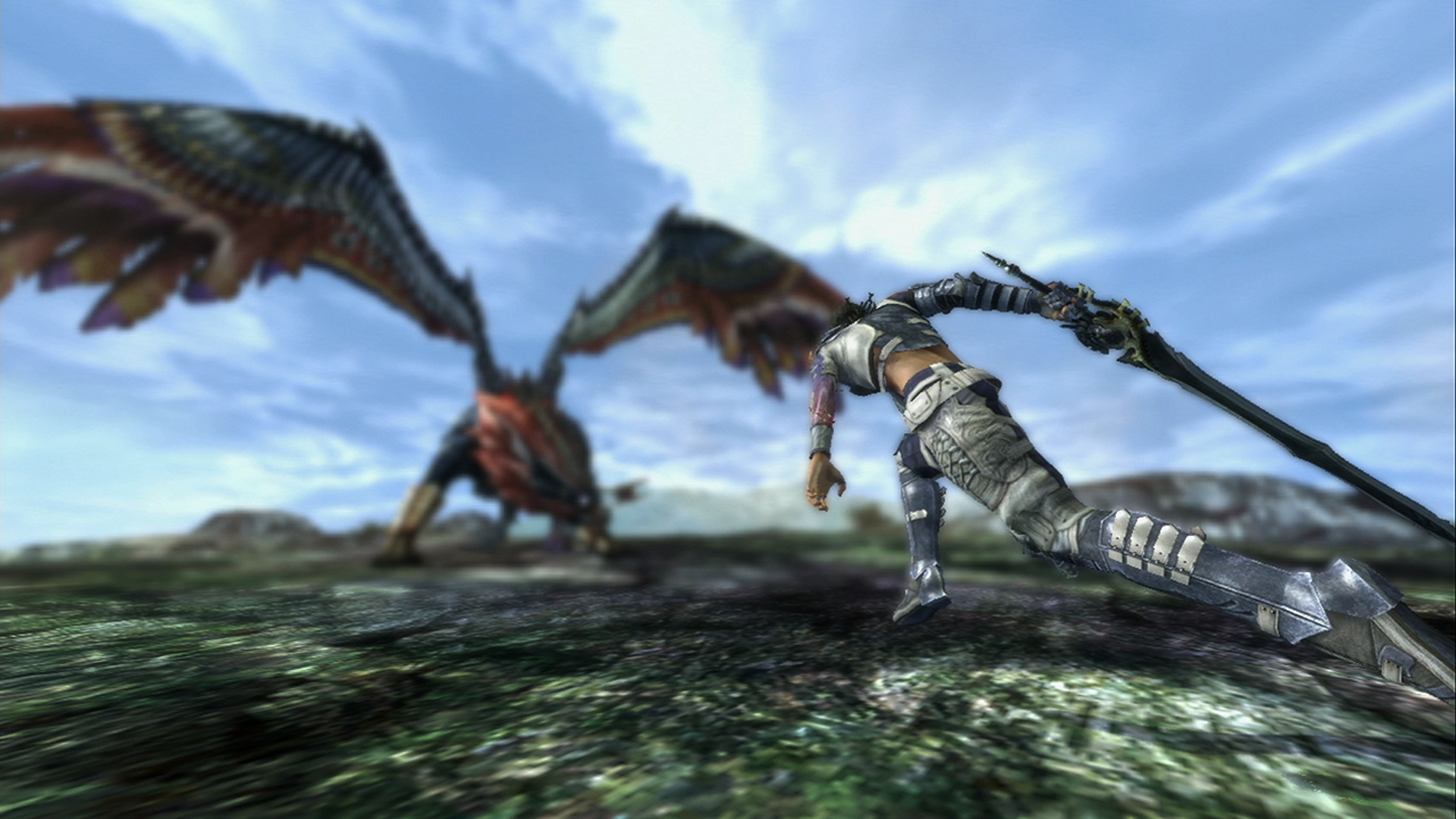
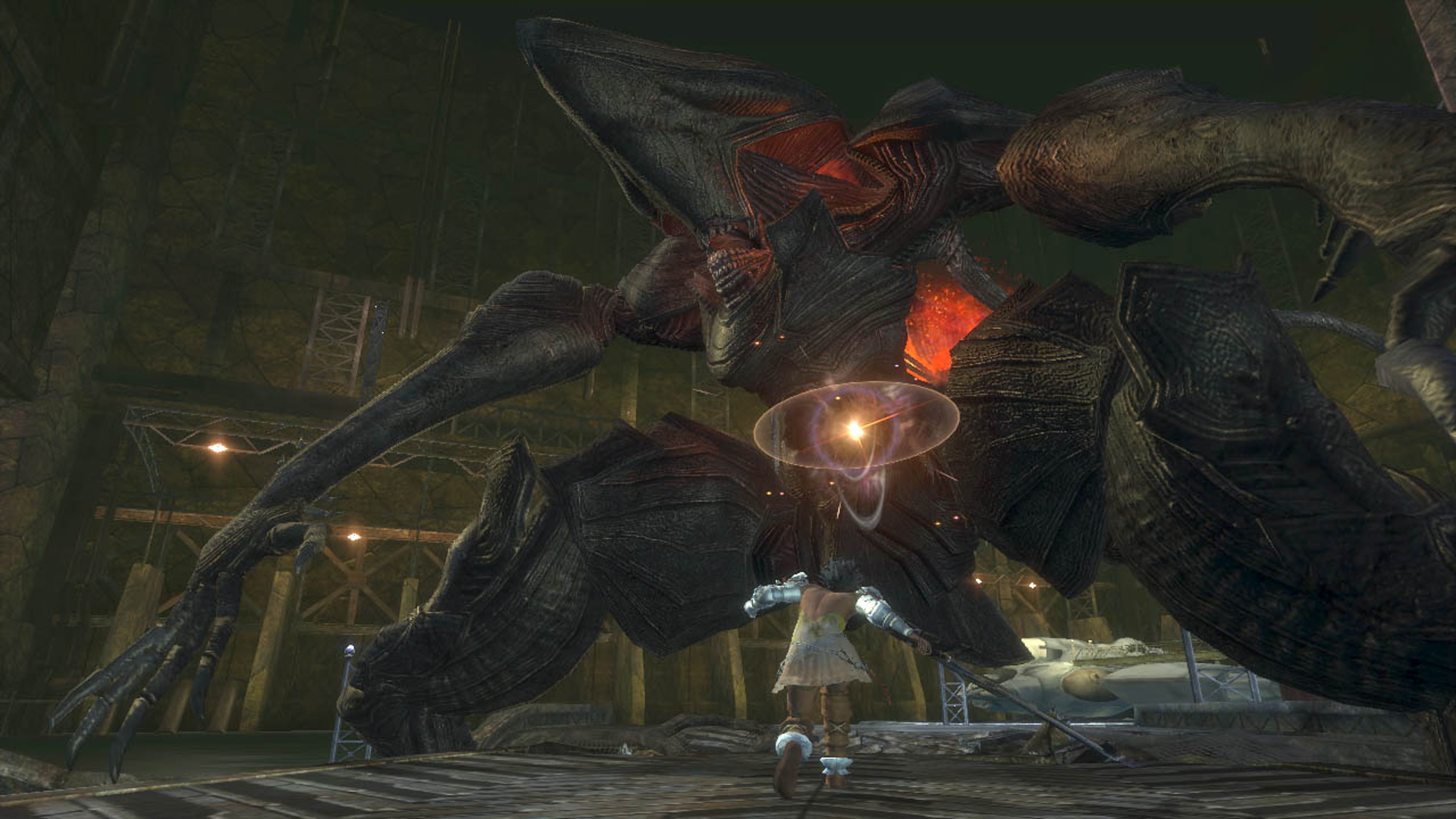
That complacent rhythm then leads to whiplash when you reach the game's severe bosses. The first of note, a gryphon-like creature called Grilgan you fight before reaching Grand Staff, is perhaps the most infamous, demonstrating Lost Odyssey's willingness to be uncompromisingly old- school. It's not too tough if you're well prepared, but it's still surprising how hard it hits, given the meagre workovers you're given before, and how quickly the tide of battle can turn if you drop your guard. Ultimately, Grilgan will be a footnote as you zig-zag across continents towards a showdown with Gongora. On the way, we learn that five immortals arrived from another world a thousand years prior, with Gongora turning against Kaim and the rest 30 years ago, wiping their memories.
Compared to many Final Fantasy plots, it's simple, and better for it, with more breathing room to dig into the tragedies of immortality. The old pirate, Sed, for example, who you recruit towards the end of the game, is the son of Seth, an immortal, and in her absence has aged well beyond her. As for Kaim, he reunites with the daughter he thought had died as a child, but only just before she passes on for real. Yet the meeting brings him together with his grandchildren, and helps him recall and track down his immortal wife, Sarah. These family connections raise the emotional stakes – anyone who shed a tear for Aeris should have tissues handy.
Inevitably, however, there are backwards steps in the way characters are designed and written (at least in English). Gongora becomes a textbook cackling maniac with delusions of godhood. Jansen, one of the mortals on your team, talks like a bad Billy Crystal tribute – "Issues. Hello?" – with lecherous antics that seemed dated even on release. Sed, meanwhile, is Final Fantasy's Cid by another name, an obvious tribute whose main contribution to the party is a powerful boat that grants access to more of the map.
Like the immortals, Lost Odyssey feels like it comes from a parallel dimension, one in which it was the continuation of the PS1- style Final Fantasy. But isn't that counter to the spirit of a series that constantly evolved under Sakaguchi's eye? Certainly, as the game ends, it feels tainted with conservatism. Kaim, Sarah and their grandchildren form a traditional family unit and retreat to a simple life of farming. The republic of Uhra is dissolved and the monarchy reinstated, with mortal party members Ming and Tolten returning to rule their native lands. Warnings of technological hubris are one thing, but isn't this anti-progress?
Perhaps. But everything has its place and, as this story tells us, there's value in the past. Square Enix has increasingly understood that to be true, with the likes of Bravely Default and Dragon Quest XI able to represent the old ways even as Final Fantasy keeps moving. So even when the flow goes one way, towards a new future, upstreamers aren't always wrong in their convictions. If moving upstream carries a sense of futility, the commitment should be admired, especially when it leaves behind a memorable journey.
This article originally appeared in issue 368 of Edge Magazine. For more just like this, consider subscribing to get the full mag delivered to your door every month.
CATEGORIES Jon BailesFreelance Games CriticJon Bailes is a freelance games critic, author and social theorist. After completing a PhD in European Studies, he first wrote about games in his book Ideology and the Virtual City, and has since gone on to write features, reviews, and analysis for Edge, Washington Post, Wired, The Guardian, and many other publications. His gaming tastes were forged by old arcade games such as R-Type and classic JRPGs like Phantasy Star. These days he’s especially interested in games that tell stories in interesting ways, from Dark Souls to Celeste, or anything that offers something a little different.
View MoreYou must confirm your public display name before commenting
Please logout and then login again, you will then be prompted to enter your display name.
Logout LATEST ARTICLES- 1If you love Clair Obscur: Expedition 33, find a way to play Lost Odyssey – the cult-classic RPG that remains one of the Xbox 360's best-kept secrets
- 210 Games like Persona 5 with brilliant party members, epic stories, and plenty of style
- 3The Boys fans think season 5's POV episode reveals the order in which major Supes will die
- 4The Legend of Zelda: Twilight Princess finally gets a fan-made PC port, and I can't wait to see what modders do with the GameCube classic
- 510 years later, Uncharted 4 remains the perfect antidote to overly bleak and serious adventuring
Схожі новини
Forza Horizon 6 Cracked Before Release
Gears Of War: E-Day Could Launch Around September
PlayStation's Digital Sales Ratio Hits Record-High 85 Percent