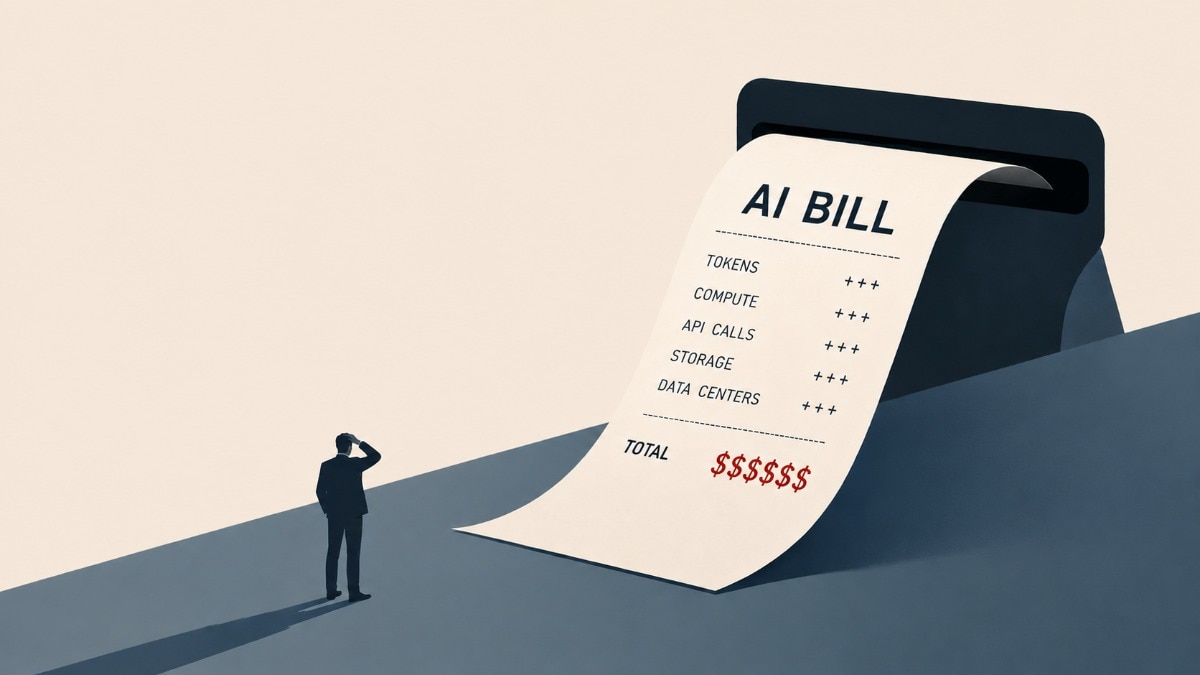
'I don't think we're going to have the kind of jobs apocalypse that some…advocate or talk about': OpenAI CEO Sam Altman says he's 'delighted to be wrong' about AI-induced job cuts
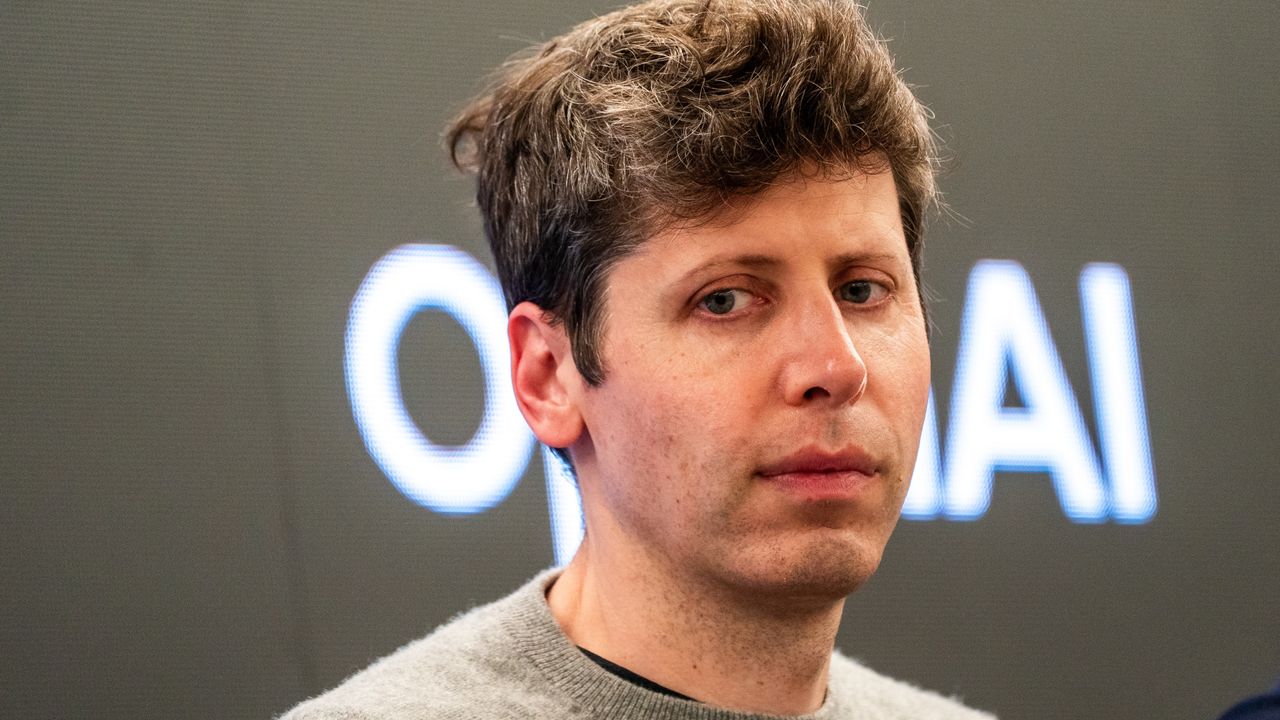
If you have been keeping a close eye on news reports about companies dropping employees and replacing them with AI, and you're worried about what the future holds for your own job, then you're not alone. But don't fret: OpenAI's Sam Altman reckons that it's not going to be as bad as you might think, and that a "jobs apocalypse" isn't likely to happen.
Just so that everyone is reading from the same script here, I'm being sarcastic when I say 'don't fret.' That's because, despite Altman saying, at a Commonwealth Bank of Australia conference (via Reuters), "I thought there would have been more impact on entry-level white-collar jobs being eliminated by now than has actually happened," the evidence of the true scale of AI-induced job cuts makes for grim reading.
In this month alone, Intuit dropped 3,000 staff, and Meta let go of more than double that number. Standard Chartered's CEO said it plans to replace almost 8,000 "lower-value human capital" roles with AI, and HSBC's boss told staff that they shouldn't be "resisting the change," because "generative AI will destroy certain jobs and will create new jobs."
As for the scale of the various cuts, it obviously depends on the total number of employees, but in some cases it's as high as 17%.
That's roughly in line with OpenAI's own research into the impact of AI in the jobs market (PDF warning), though less than its first predictions on the matter two years ago. Which makes me wonder just what figures Altman has been looking at to conclude that things aren't as bad as he thought they would be.
Still, OpenAI's CEO did have a somewhat fatalistic view of certain job roles due to the rise of generative AI, so this may all be just 'gut feelings', current vs past.
Advances in technology have always affected long-held traditional roles. For example, the manufacturing of cars adopted the use of robotics for welding, painting, installation, quality control checks, and so on many years ago. This was highly beneficial for the companies, but it certainly had a negative impact on employment levels.
Naturally, just because Altman thinks it's not as bad as he thought it means nothing to those who have already been affected. What's needed now is a wholly independent and non-biased examination of how much damage AI has done to the jobs market. No matter how good the research is, anything done by a body or company that is directly involved in the whole situation simply can't be relied upon to produce reliable data and predictions.
Unfortunately, this will take some time to complete, and by then, hundreds of thousands of jobs could have been lost around the world to chatbots and AI agents. Perhaps if Altman met with every one of those people made redundant, he'd possibly have a different view of what a "jobs apocalypse" actually feels like.
Схожі новини
Takaichi stresses ’great significance’ of retrial system reform
Google plans major Play Store update, it may soon alert you when apps get removed or delisted