Hyundai Partners With Waymo To Produce An IONIQ 5 Robotaxi — Field Trip
 April 24, 20261 hour ago
Kyle Field
0 Comments
Support CleanTechnica's work through a Substack subscription or on Stripe.
April 24, 20261 hour ago
Kyle Field
0 Comments
Support CleanTechnica's work through a Substack subscription or on Stripe.
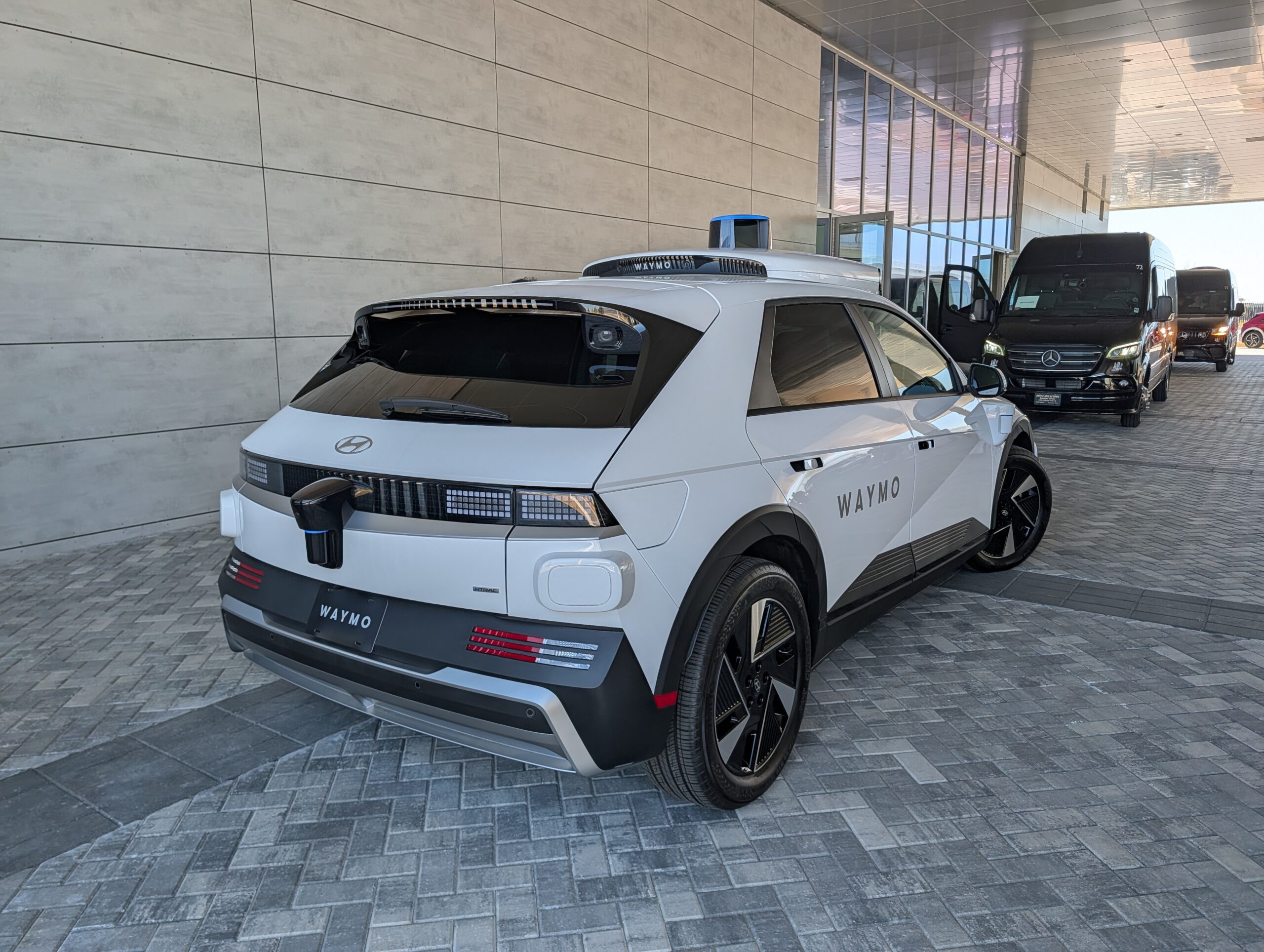
Hyundai opened up to us this week about its partnership with Waymo to produce a robotaxi based on the IONIQ 5 with Waymo that could see Waymo purchasing 50,000 of the EVs over the next few years. Initially, they stated that they would be building the first robotaxi to be completely produced by an automotive OEM, but that messaging changed slightly as we dug in deeper.
Disclaimer: Hyundai paid for the author’s travel and accommodations to attend this event in Savannah, Georgia.
Hyundai will be producing the IONIQ 5 at its Megaplant, then shipping it over to Waymo partner Magna for upfitting with all the Waymo tech. Hyundai’s lead for ADAS and autonomous driving shared with CleanTechnica that Hyundai’s part of the puzzle would be about 90% of the build, with the remaining 10% being the upfitted parts from Magna. They expect production to begin by the end of 2026.
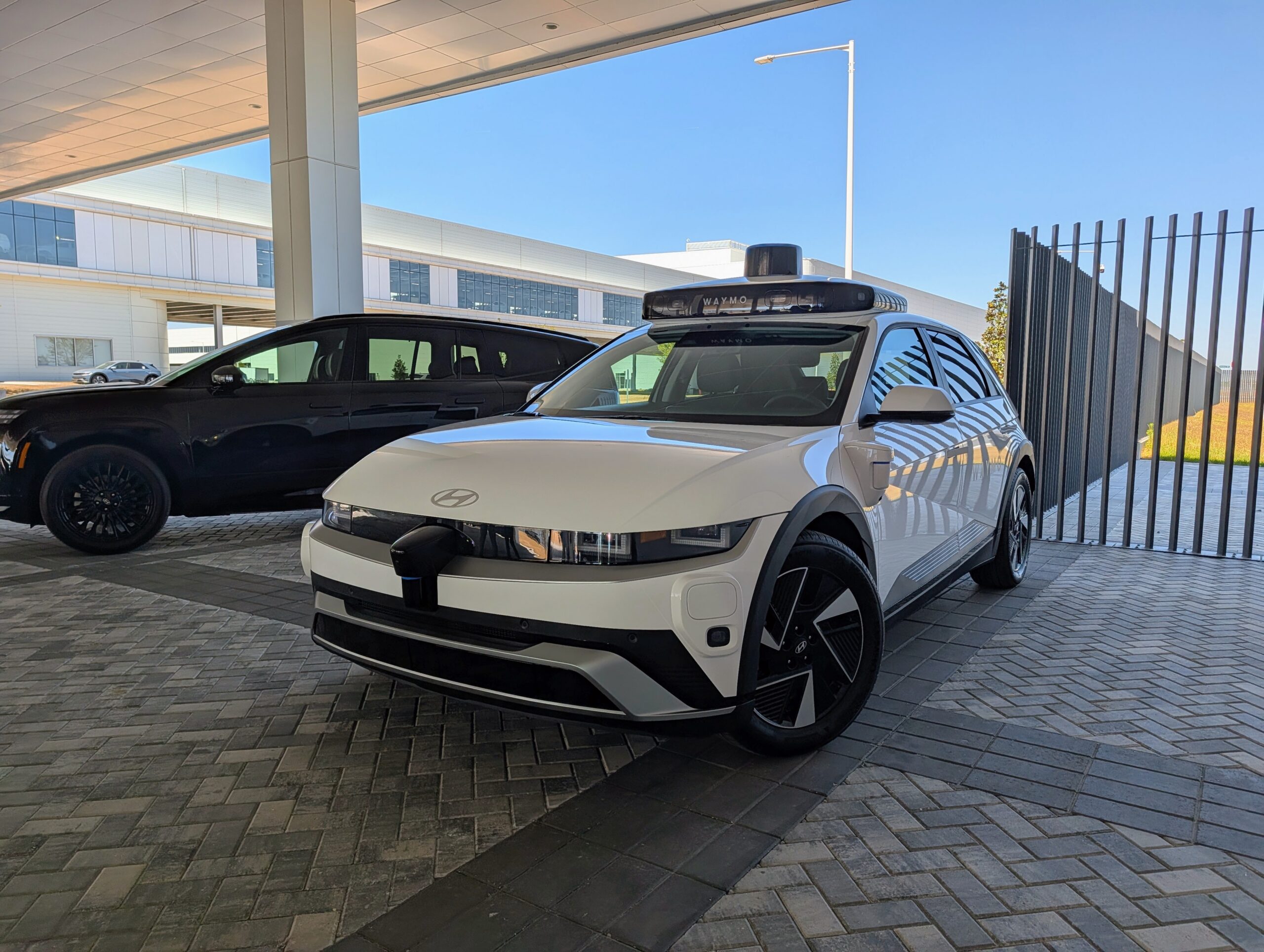
The upfitting includes Waymo’s signature sensor stack that gets afixed to the top of the vehicle and serves as the home for numerous sensors, including LIDAR, cameras, and more. In addition to the controversial rooftop sensor stack, a number of additional sensors will be fitted to the bumpers of the vehicle, including a host of spinning LIDAR sensors, ultrasonic sensors, and radar.

Waymo’s decision to use the Hyundai IONIQ 5 As one of its next robotaxi platforms makes a ton of sense. It’s an affordable vehicle which stands in stark contrast to the fully electric Jaguar I-PACE. That lowers the cost of the vehicle and gives way more the confidence that they can buy enough vehicles to create a truly standardized upfit package that should help drive the costs down.
The cost to build a robotaxi isn’t the biggest factor when you’re only building a few dozen or a few hundred robotaxis, but it rapidly becomes a significant portion of capital outlay when you start to move that into tens of thousands and even hundreds of thousands of vehicles around the world.
As a passenger vehicle, the Hyundai IONIQ 5 can comfortably carry four people, including the driver — or five in a pinch — and it’s not hard to imagine Waymo getting it out to be used similarly as a flexible robotaxi.
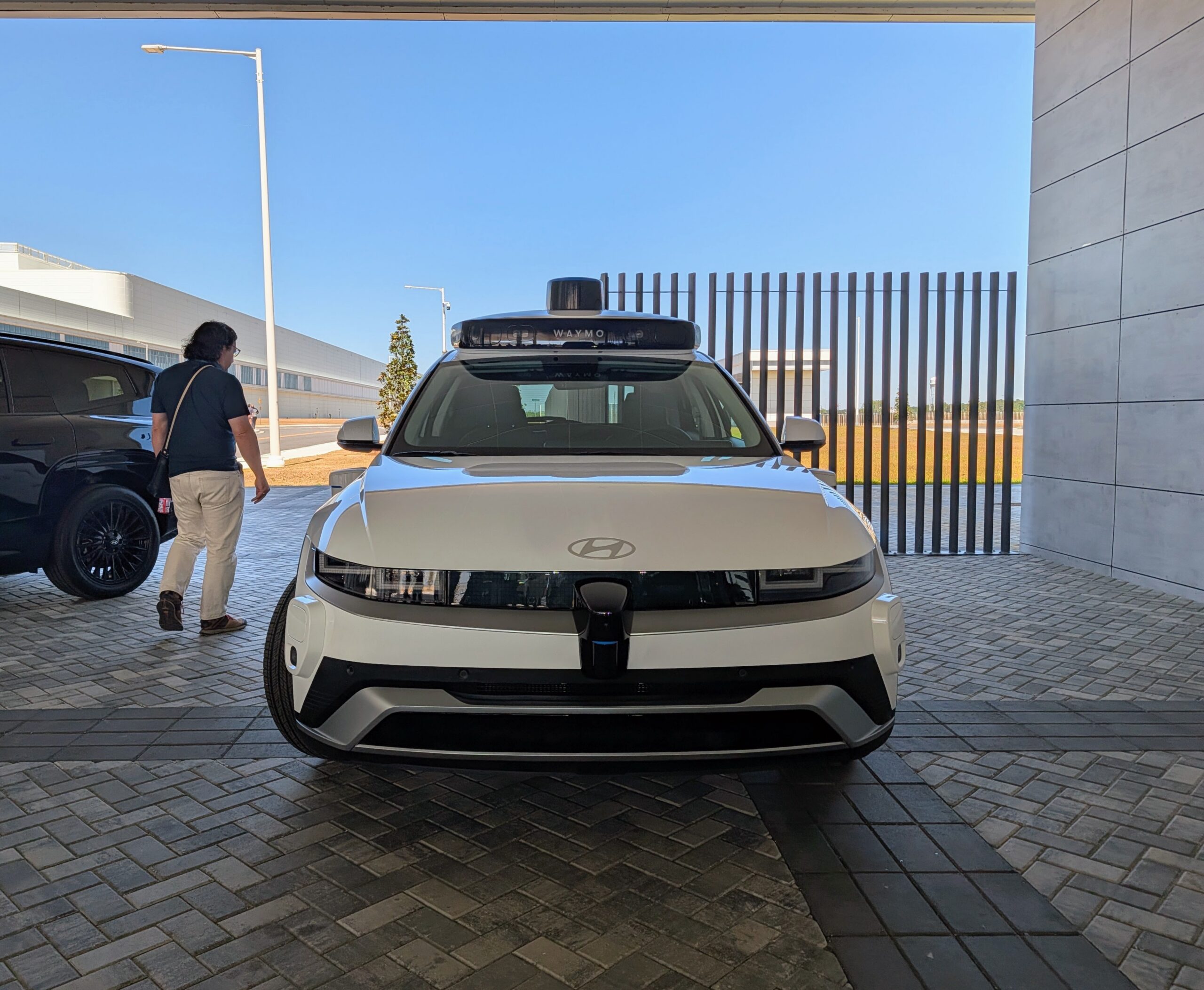
For its part, Hyundai expressed that it was eager to learn more about Waymo’s hardware and software packages as it pushes forward towards its own ADAS and fully autonomous vehicle goals. We pushed them for details about whether they would ever sell a Hyundai vehicle with a Waymo autonomous package to customers, but they declined to provide any specifics.
The future of robotaxis has yet to be written, but it’s great to see more momentum towards fully autonomous driving, which will surely bring with it a new level of safety, avoiding hundreds of thousands of deaths on streets around the world as adoption increases. In addition, they promised to lower the cost of transportation, as robotaxis will be able to work nearly 24 hours a day.
Waymo partnered with @Hyundai to build a robotaxi that comes straight out of Hyundai's factory.
It should drastically lower @Waymo's vehicle cost, standardize the platform, and allow them to ramp up volume quickly.
No word on production volume or pricing but it will be in… pic.twitter.com/CY4yLjhVPu
— Kyle Field (@mrkylefield) April 21, 2026
That not only lowers the cost per mile down significantly, but it also spreads the emissions used to build the vehicle out across more miles. Obviously, using electric vehicles also eliminates tailpipe emissions, which is fantastic.
We will continue to monitor Hyundai and Waymo’s partnership to see how it evolves as part of the broader push towards autonomous vehicles.
CleanTechnica's Comment Policy
Share this story!
Схожі новини

Prosecutors claim 40TB of data linked to D4vd includes child pornography in shocking court update
Italy tests R1 robotic museum guide in Turin’s historic Palazzo Madama
US justice department steps in on behalf of xAI in Colorado regulation case
