Hungary’s new prime minister removes fences and opens Viktor Orbán’s former offices to the public
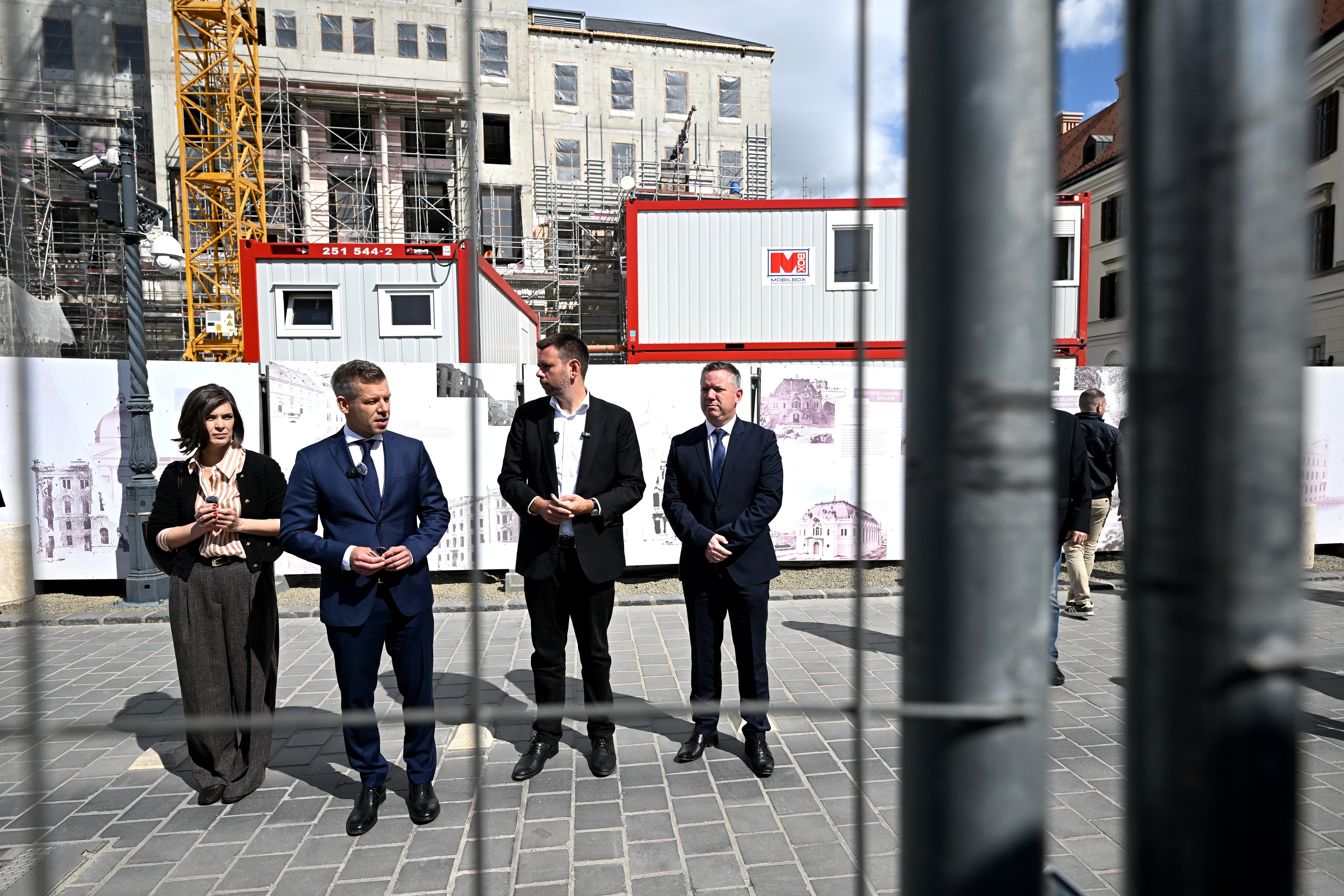
Hungary's new Prime Minister, Péter Magyar, has made a symbolic gesture of democratic renewal, personally removing fencing around a historic Budapest building that once served as the office of his autocratic predecessor, Viktor Orbán.
The Karmelita, a former Catholic monastery on Budapest's Castle Hill, had become a potent symbol of Mr Orbán’s rule after being controversially cordoned off in 2021.
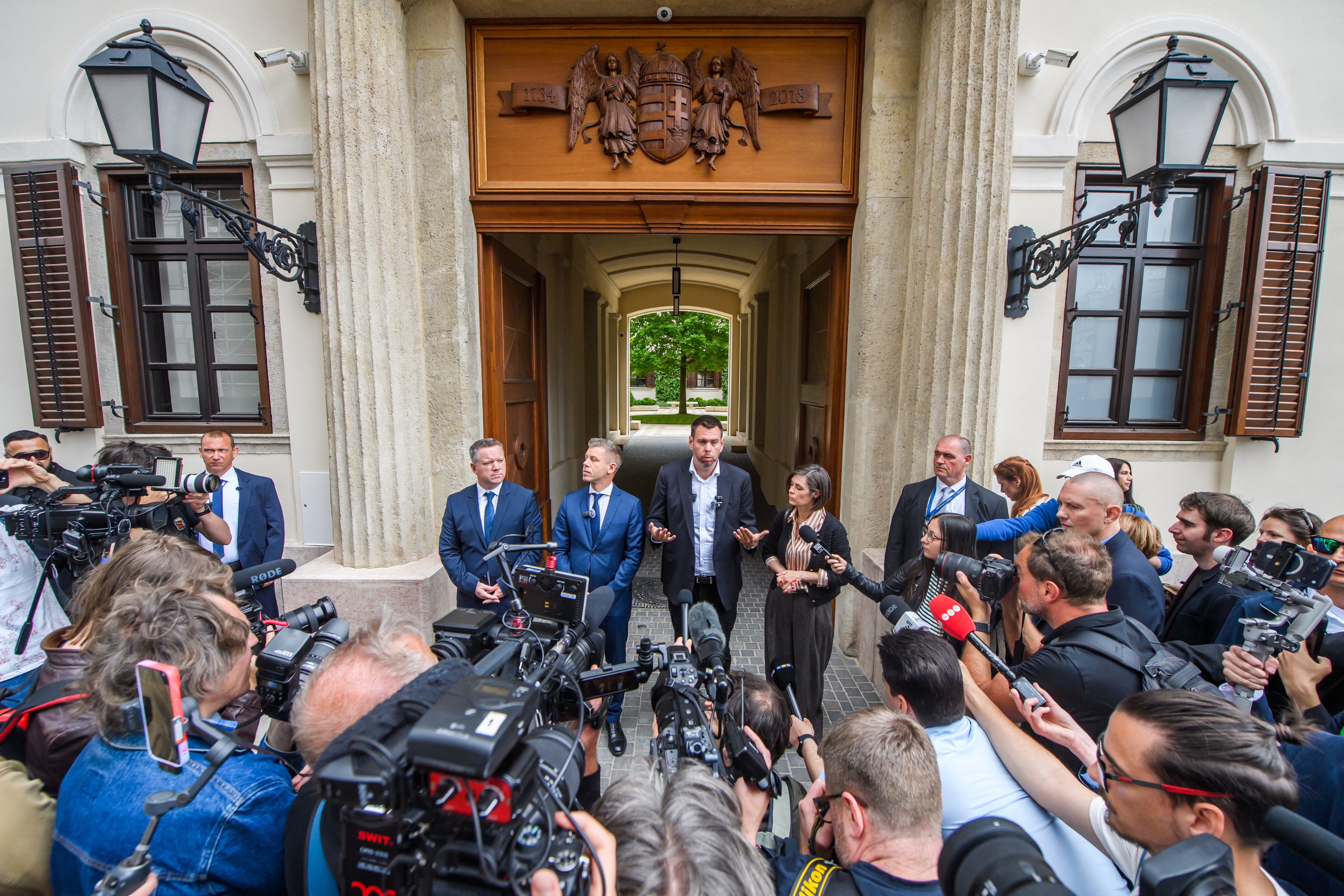
Mr Magyar announced the building would now be open to the public, declaring: "There is no place for cordons in Hungary after the change of regime."
He added that such institutions were built "from the money of the Hungarian taxpayers and made so beautiful with those funds."
This action follows his centre-right Tisza party's landslide victory in April, which secured a two-thirds majority, ending Mr Orbán’s 16-year tenure.
Mr Magyar has pledged to restore democratic institutions and governmental checks and balances, which he claims were severely eroded, alongside a commitment to tackle alleged corruption.
 open image in gallery
He has revealed the luxury renovations that former government members carried out on their offices. Magyar himself has said he would move his seat to the administrative part of the city on the other bank of the Danube.
The Karmelita building, he said, will now be accessible for an “extensive period.” Already, a website has been set up where visitors can book a tour. Magyar said some buildings in the castle zone have been renovated while other are under construction.
The situation “is likely to generate a number of new ideas,” he added without elaborating.
Magyar, a 45-year-old lawyer who founded Tisza in 2024 after years as an insider within Orbán’s party, has pledged to eradicate official corruption, which he argues has deprived Hungarians of economic opportunity.
The prime minister has promised to repair his country’s ties with its European Union partners and restore Hungary’s place among Western democracies.
 open image in gallery
Magyar plans to form a National Asset Recovery and Protection Office, an authority tasked with investigating and seeking to recover public funds misused during Orbán’s tenure.
A key priority for Magyar is to mend Hungary’s strained relationship with the EU, which Orbán had pushed to breaking point, and to restore the country’s standing among Western democracies, a position questioned as Orbán drew closer to Russia.
Unlocking approximately €17 billion (£14.5 billion) in EU funds, frozen during Orbán’s tenure over rule-of-law and corruption concerns, is paramount for Hungary’s struggling economy, which has stagnated for the past four years.
In a symbolic gesture, Tisza officials have announced they will reinstate the EU flag on the Parliament building’s facade, removed by Orbán’s government in 2014.
Join our commenting forum
Join thought-provoking conversations, follow other Independent readers and see their replies
CommentsСхожі новини

Угорщина передасть Україні компенсації, призначені міністрам уряду Орбана
Trump-Xi summit ends with twist: US staff dump Chinese-issued phones, badges before boarding Air Force One
Number of injured in Zaporizhzhia attack rises to three