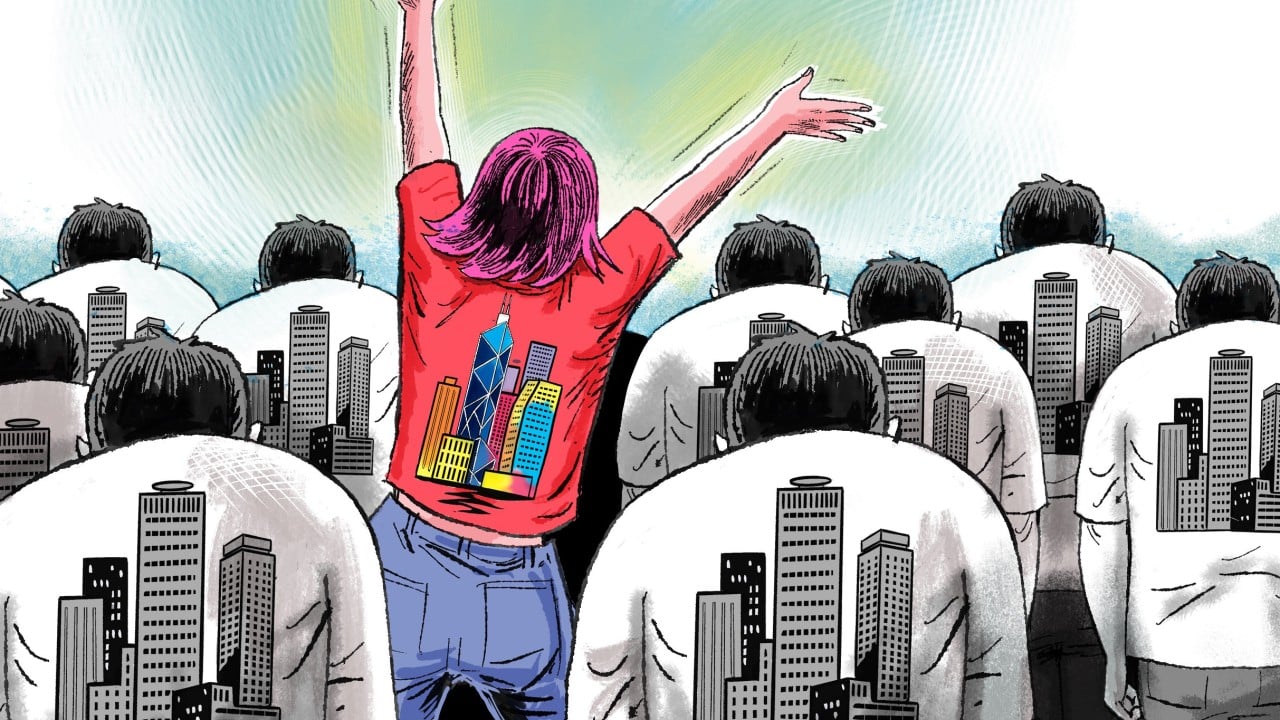
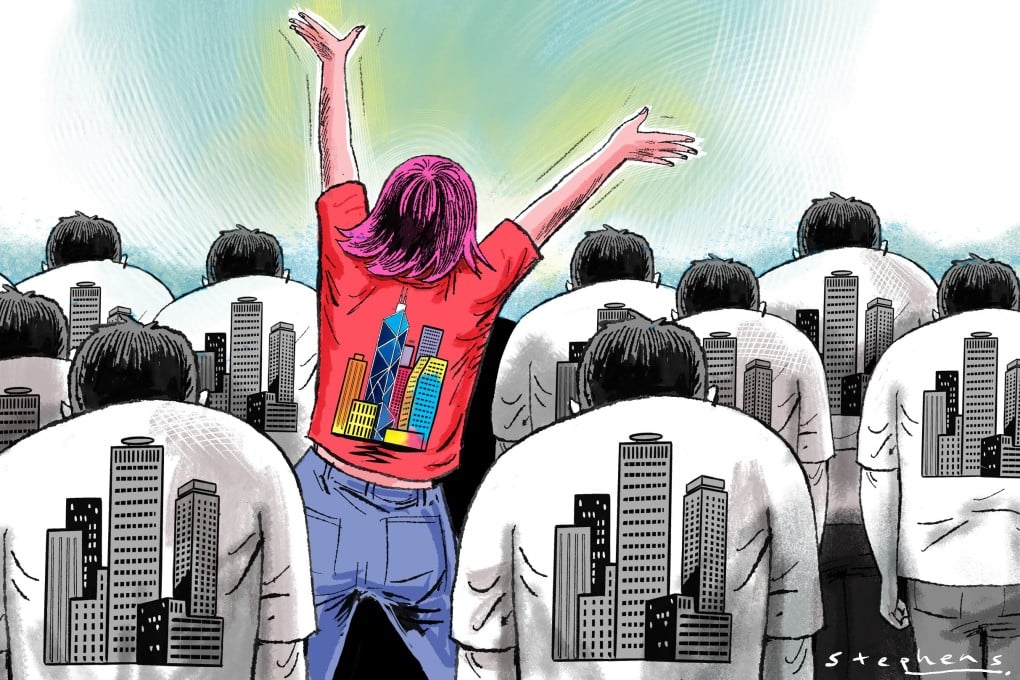
As urban experiences become more homogenous, Hong Kong must lead with what makes it different if it hopes to keep bringing in visitors
3-MIN READ3-MIN ListenKen ChuKen Chu (LLD) is the chairman and CEO of Mission Hills Group with businesses in hospitality, leisure, entertainment, sports, wellness and education in China. Published: 9:30am, 16 May 2026Hong Kong’s tourism sectors have entered 2026 with renewed momentum. The broader economy has strengthened, expanding by 5.9 per cent in the first quarter, its fastest pace in nearly five years. Visitor arrivals also reached 14.3 million in the first quarter, up 17 per cent year on year.The recent Labour Day “golden week” holiday offered a further boost, with the city receiving more than 1 million mainland visitors. Across the border, travel volumes reached unprecedented levels, with an estimated 1.52 billion cross-regional trips made over five days.These figures point to more than just recovery. They reflect how seamlessly people now move across cities in search of leisure, retail and cultural experiences. As travel becomes easier and more frequent, the boundaries between destinations begin to blur. What was once a choice between distinct cities is increasingly becoming a comparison of interchangeable experiences.AdvertisementThis raises a broader question. As cities across Asia reopen and reposition themselves, are they also becoming more alike? Across the region, urban environments are easier to navigate, more connected and increasingly aligned in how they are designed and experienced. These are positive developments, reflecting the success of urban development strategies in the past decade.
At the same time, they have also produced a side effect. From retail districts to dining concepts and lifestyle precincts, many urban experiences are starting to feel familiar, regardless of where one travels. The same global brands anchor shopping centres. The same cafe formats and dining concepts appear across neighbourhoods. Even curated cultural spaces are often built around similar playbooks, combining art, retail and leisure in ways that are increasingly standardised.
AdvertisementThis is not unique to Hong Kong. It is a broader pattern across major cities in Asia and beyond. As developers scale successful concepts and consumers gravitate towards recognisable formats, what works in one market is quickly replicated in another.AdvertisementSelect VoiceSelect Speed0.8x0.9x1.0x1.1x1.2x1.5x1.75x00:0000:001.00x