How Southeast Asia’s ambitious green transition strategy is a windfall for China
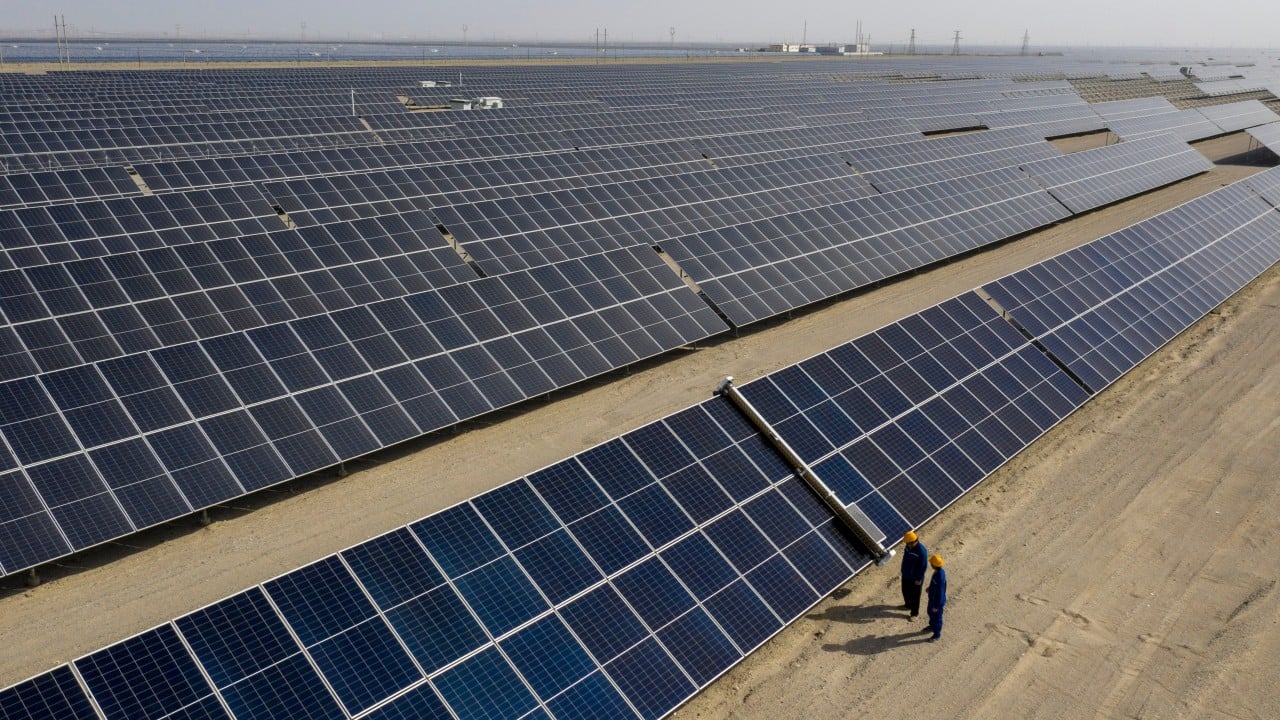
Chinese firms are integral to Southeast Asia’s green transition plan, which will see nations across the region integrate their grids, official says
2-MIN READ2-MIN3 Listen
The strategy could eventually lead to a cross-regional network running all the way from Singapore to southern China via nations including Malaysia and Thailand, according to Puah Kok Keong, chief executive of the Energy Market Authority of Singapore – the city state’s top energy regulator.
“I think that possibility is very real,” Puah told the South China Morning Post on Tuesday.
AdvertisementGrid integration will be vital if Singapore is to meet its decarbonisation goals. The city state currently relies on natural gas for 95 per cent of its power generation. With its scarce land, it has set a target of importing up to 6 gigawatts of green electricity by 2035 – enough to cover roughly one-third of its power needs, Puah said.The effort will open up new opportunities for Chinese companies, which enjoy technological dominance in several related fields and are already involved in major projects in the region, according to the official.AdvertisementSingapore has been working to advance cross-regional energy cooperation, including through a project to transmit up to 100 megawatts of hydropower from Laos to Singapore via Thailand and Malaysia using existing interconnectors.
Entities across Singapore, Malaysia, Vietnam and Indonesia have also signed several agreements over the past year to jointly develop renewable energy projects and ease trade in low-carbon electricity.
AdvertisementSelect VoiceSelect Speed0.8x0.9x1.0x1.1x1.2x1.5x1.75x00:0000:001.00x