How Hong Kong’s 91-year-old Haw Par Mansion will transform into new cultural hub
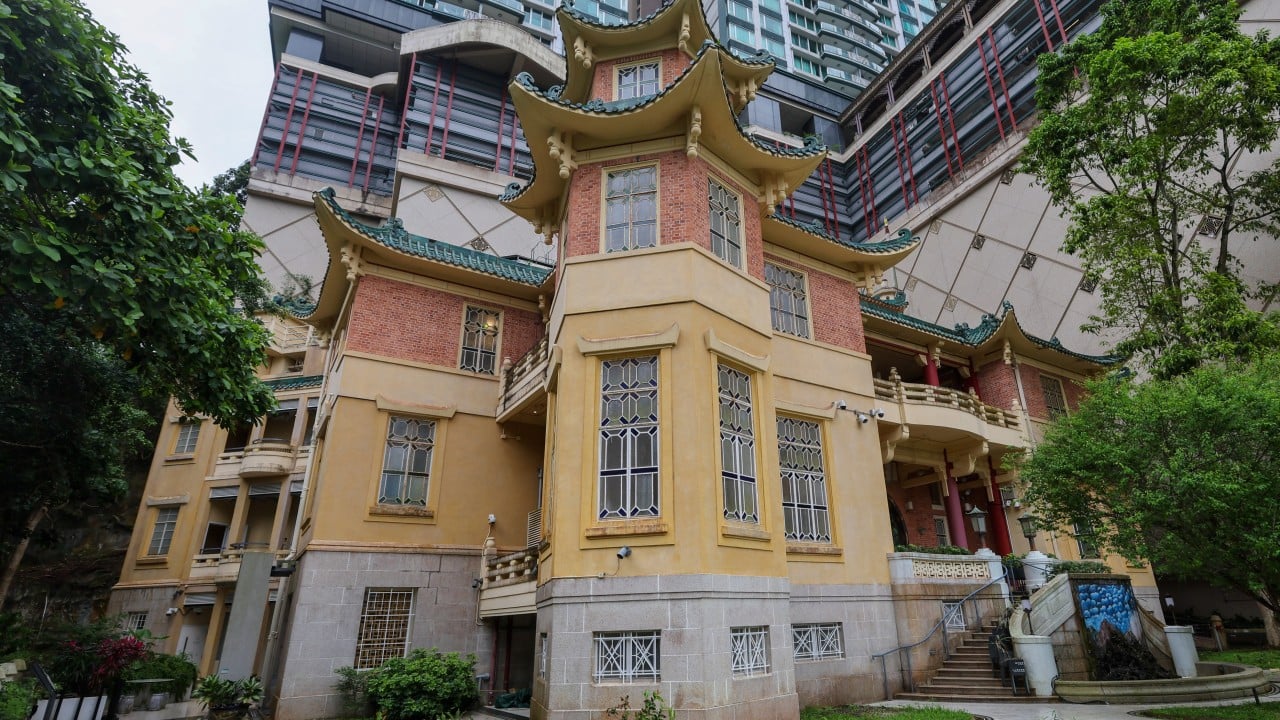
Once the anchor of the iconic Tiger Balm Garden, the restored Grade 1 historic building will start a new chapter as Villa Haw Par this year
4-MIN READ4-MIN Listen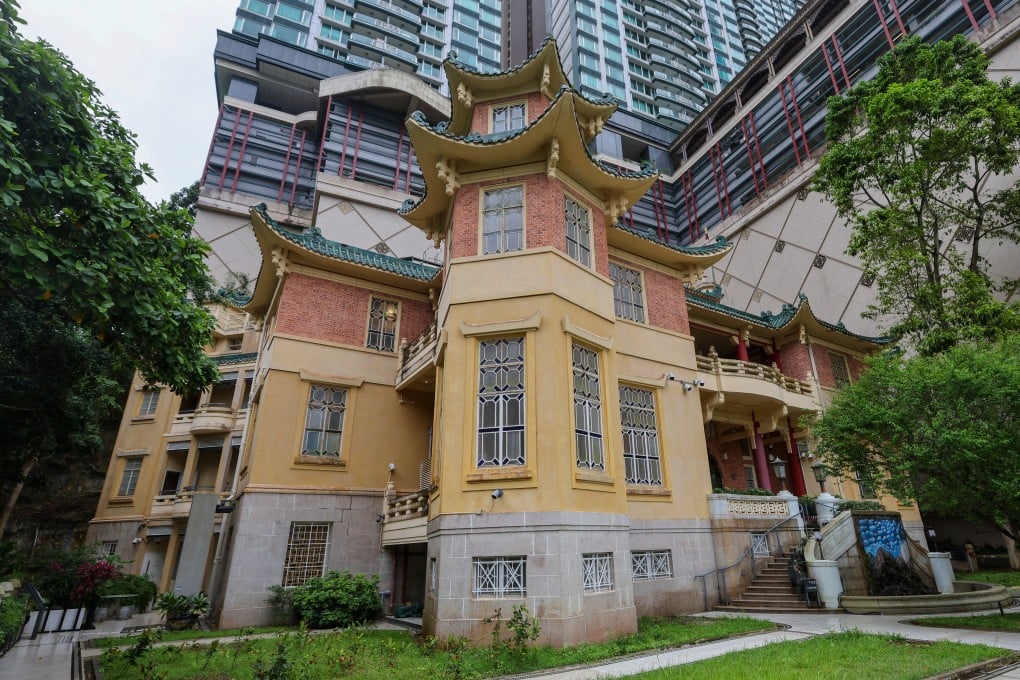
Perched above the streets of Tai Hang, the 91-year-old Haw Par Mansion has stood as a watchman to Hong Kong’s evolving history.
The mansion and its front garden are the only remaining sections of what was once a sprawling estate and theme park built in the 1930s by the Aw family of Tiger Balm ointment fame. They are striking examples of the period’s architectural hybridity, often called the Chinese Renaissance style.
From 2019 to 2022, the restored mansion was used by a music school that the Aw family had set up. After it closed, the government started seeking a new steward for the protected Grade 1 historic building.
AdvertisementIn August 2025, it was announced that a non-profit called the Foundation for Art and Culture (FAC) had won the tender to operate the site starting in the second half of 2026 under a self-financing model to promote arts and culture and to foster international exchanges.As its new chapter is set to begin, the South China Morning Post recently visited Villa Haw Par, the name under which it will reopen, and spoke to two key figures about their plans.
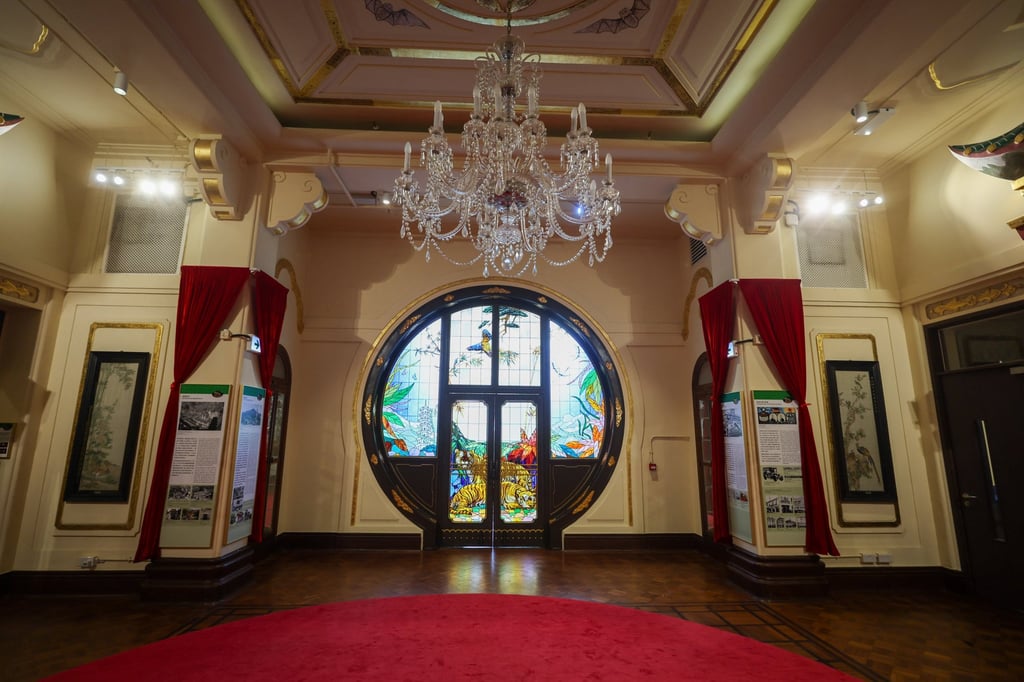
FAC co-founder Arthur de Villepin, best known for the Villepin gallery on Hollywood Road, says the foundation is not planning to turn the legendary mansion into a museum like the Tiger Balm Gardens in China’s Fujian province, or a theme park like Haw Par Villa in Singapore. Instead, it will become a “living space” with cultural programming such as international artist residencies and film screenings, and features such as a bookstore.
AdvertisementSelect VoiceSelect Speed0.8x0.9x1.0x1.1x1.2x1.5x1.75x00:0000:001.00xСхожі новини