How China-Gulf ties can turn energy vulnerability into sustainability
.jpg?itok=-dZejOWr&v=1729403844)
Hormuz tensions are a reminder to start building a better, more sustainable energy order before the next crisis hits; Hong Kong can help
3-MIN READ3-MIN Listen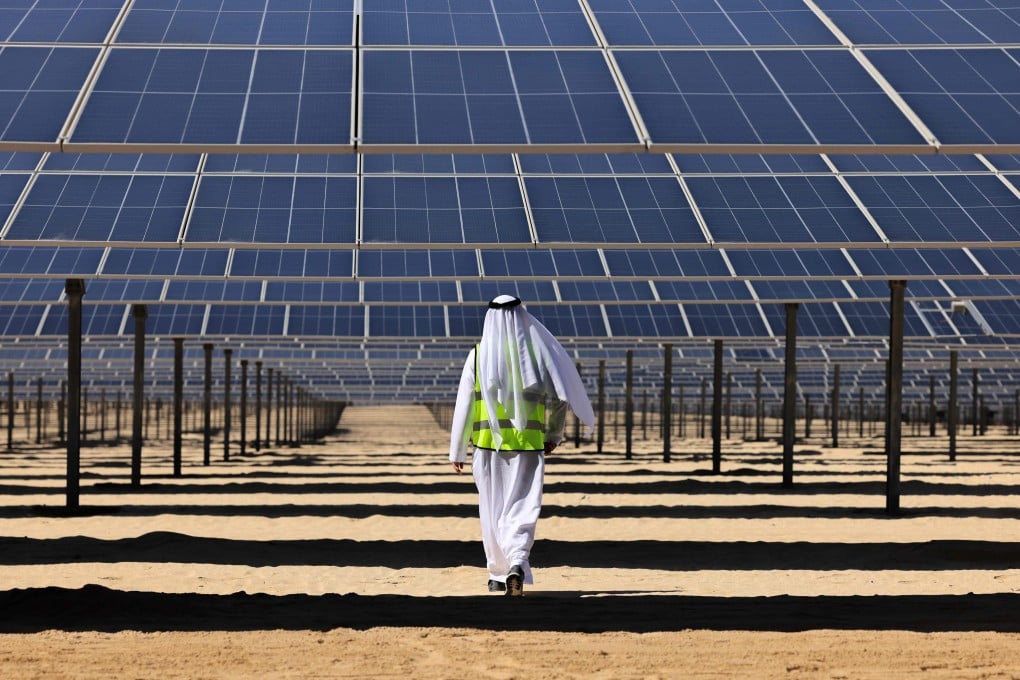
For China and the Gulf states, there should be a more ambitious energy deal: one that maintains a stable oil trade but eventually brings the cooperation focus back to renewables, storage, electric vehicles, industrial localisation and green finance.
AdvertisementChina and the Arab world are ready for such a transition. In 2024, China-Arab trade reached US$407.4 billion, making China the Arab world’s largest trading partner. Last year, China’s trade with Arab League nations hit a record high of US$241.6 billion in the first seven months. No longer based solely on oil, China-Arab relations now include infrastructure, information technology, ports and logistics, manufacturing and even green energy.
Gulf states have incentive to speed up this shift. Saudi Arabia, the United Arab Emirates and others are looking to diversify their economies from oil, attract hi-tech manufacturing and position themselves for a future where oil and gas no longer underpin national development.
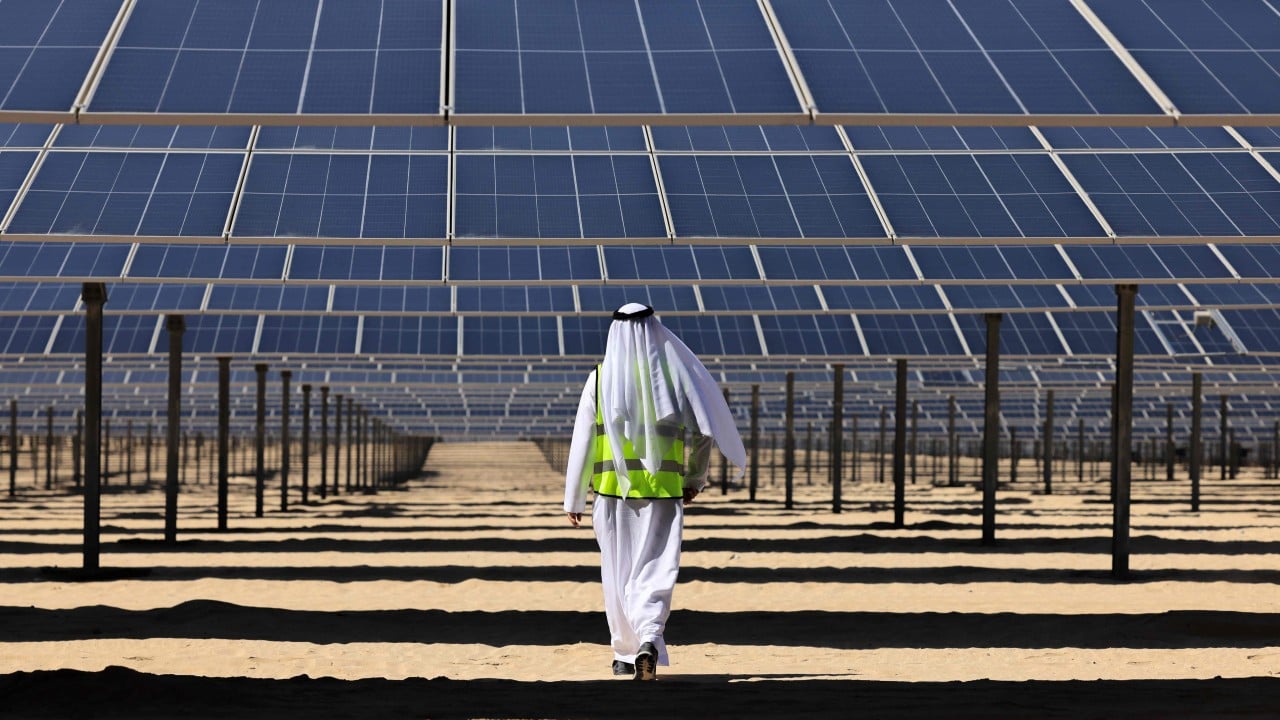
AdvertisementChina is a key player in solar panels, batteries, electric vehicles and grid technologies. The International Energy Agency estimates global spending on electricity generation at US$1.5 trillion last year, some 50 per cent greater than investment in oil, natural gas and coal supply combined. This is a power shift in global energy.
09:10
Can the Middle East war turbocharge China’s global EV ambitions?
Can the Middle East war turbocharge China’s global EV ambitions?AdvertisementSelect VoiceSelect Speed0.8x0.9x1.0x1.1x1.2x1.5x1.75x00:0000:001.00x