How a China-backed highway may turn landlocked Laos into a trade gateway
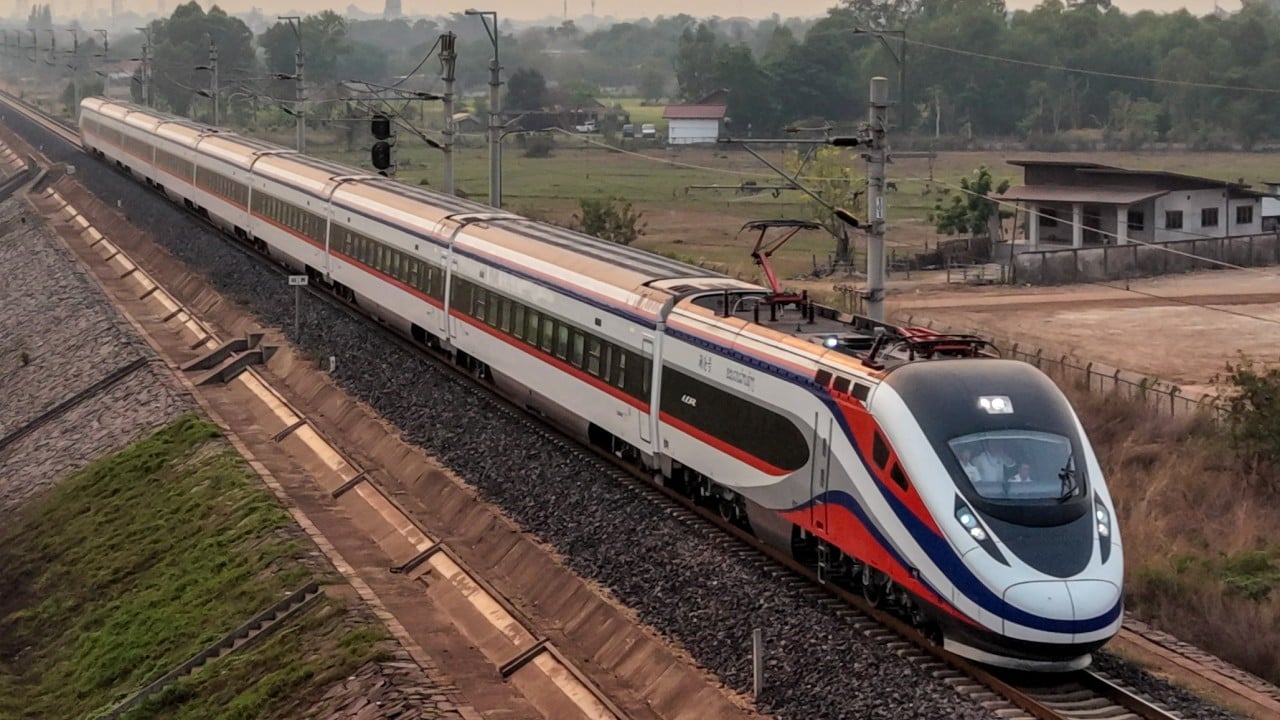
The project is part of wider efforts to build overland trade corridors linking southern China with the Mekong region
2-MIN READ2-MIN1 Listen
The initiative underscores Beijing’s broader effort to strengthen its economic footprint in the region through roads and railway infrastructure, as it seeks alternative trade routes amid a fractious relationship with the United States.
AdvertisementLaos is conducting route surveys for an expressway linking the capital Vientiane to its northeastern border with Vietnam, the Laotian Times reported.
From Vientiane, a chain of sections is expected to eventually reach the Chinese border, with a Chinese firm responsible for part of that work.
Henan ZhongGong Design and Research Group, a 62-year-old state-owned firm, would conduct a feasibility study and a preliminary design survey for the expressway, which is expected to extend 186km to 207km (116 to 129 miles), according to the report published on Thursday.
The highway would support Laos’ ambition to “expand regional connectivity and develop the country into a land-linked transport hub” connecting China, Thailand, Vietnam and other parts of the Mekong River region in Southeast Asia, the media outlet reported.
AdvertisementThe impoverished, landlocked country of about 8 million people needed new roads to transport agricultural produce, especially during the rainy season when dirt tracks were impassable, said Jayant Menon, a visiting senior fellow at the ISEAS – Yusof Ishak Institute in Singapore.
Select VoiceSelect Speed0.8x0.9x1.0x1.1x1.2x1.5x1.75x00:0000:001.00xСхожі новини
US imposes sanctions on Chinese companies for allegedly helping Iran