Hong Kong Introduces Two-Tier Civil Service Accountability System to Combat Blame-Shifting Culture
Hong Kong Introduces Two-Tier Civil Service Accountability System to Combat Blame-Shifting Culture
Hong Kong's civil service is set to undergo a significant overhaul in its accountability framework, with a new two-tier system designed to eliminate institutional finger-pointing and ensure individual responsibility for departmental failures.
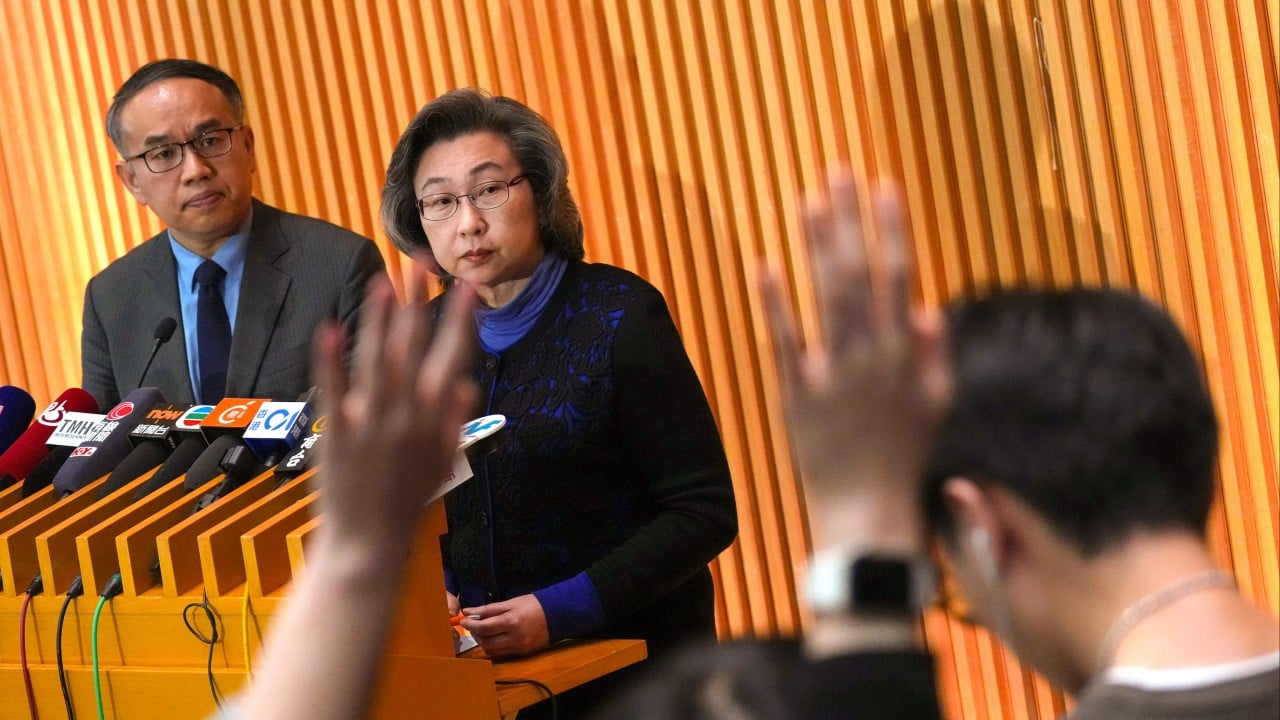
Secretary for the Civil Service Ingrid Yeung Ho Poi-yan has unveiled reforms that will empower an independent statutory body, the Public Service Commission, to investigate "widespread, repetitive and systemic" management deficiencies. Simultaneously, department heads will retain authority to examine issues involving lower-ranking officers.
Long-Overdue Structural Changes
The restructuring of the accountability mechanism addresses growing public frustration stemming from recent high-profile government mishaps. Chief Executive John Lee Ka-chiu has championed these changes since his previous policy address, recognizing the necessity of extending accountability measures into the civil service apparatus.
A series of notable incidents has underscored the urgency of reform:
- The bottled water procurement scandal
- The seat belt procurement fiasco
- The Tai Po fire tragedy
These incidents have damaged public confidence in the civil service's operational competence, despite well-established procedural guidelines.
Breaking the Cycle of Collective Blame
The systemic accountability failures are not new. Over a decade ago, lead-contaminated water cases emerged during former Chief Executive Carrie Lam Cheng Yuet-ngor's tenure as chief secretary. An independent investigation concluded the situation represented a "classic case of buck-passing" among government divisions. Lam's response—attributing responsibility to systemic failures rather than identifying individual accountability—exemplified the culture the reforms seek to eliminate.
"Insulation from basic accountability due to a collective failure by people to do their jobs is not what accountability means."
Under the new framework, such institutional deflection will no longer be permissible. Secretary Yeung emphasized that investigative outcomes "will not simply blame the system" because "the system is designed by personnel; we must identify who designed it, who failed to review it over decades of operation, and who did not improve it."
Implementation Timeline
The government proposal will be submitted to the Executive Council next month, followed by tabling at the Legislative Council for negative vetting in June. The reforms represent a decisive step toward restoring public confidence and curtailing institutional cynicism regarding government accountability.